
Sauces & Condiments
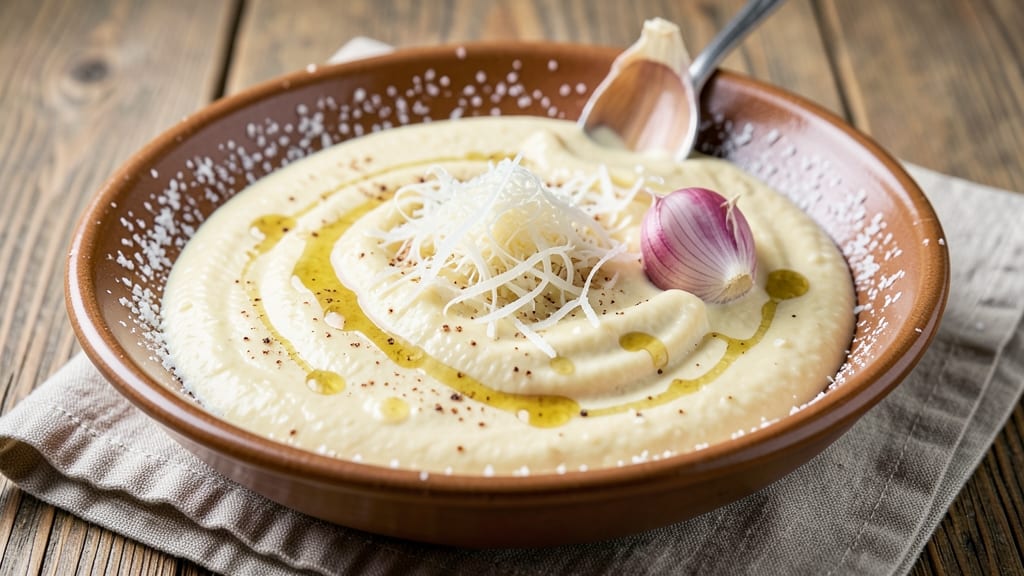
This Italian-style alfredo sauce recipe delivers the velvety, no-clump creaminess that makes fettuccine alfredo irresistible. The secret lies in proper emulsification—simmering butter, cream, and Parmesan just until thickened, never boiled. I’ve perfected this technique over years of testing, ensuring a sauce that coats pasta perfectly without separating or turning grainy.
What sets this recipe apart is the balance of rich, buttery flavor and authentic Italian ingredients. High-quality Parmesan cheese provides depth, while a touch of garlic and nutmeg adds subtle warmth.
The sauce comes together in just 15 minutes, making it ideal for weeknight dinners or special occasions. No heavy cream? A simple substitution keeps the texture luscious.
The result is a smooth, velvety sauce that clings to every strand of pasta, creating the signature creamy finish you crave. Unlike store-bought versions, this recipe delivers restaurant-quality flavor with no artificial additives.
The key is patience—letting the sauce thicken gradually ensures a silky consistency that won’t break when tossed with hot pasta.
For extra depth, a splash of white wine or a pinch of black pepper can elevate the flavor further. This sauce pairs beautifully with fettuccine, chicken, or even roasted vegetables. Let’s get started on creating the perfect base for your next Italian-inspired meal.
Ingredients for alfredo sauce recipe italian style
Nine essential ingredients transform into restaurant-quality Italian alfredo sauce.
| Ingredient | Amount | Notes |
|---|---|---|
| Unsalted Butter 🧈 | ¾ cup | Cold, cut into tablespoons for emulsification |
| Heavy Cream 🥛 | 1 ½ cups | Full-fat for optimal richness |
| Parmesan Cheese 🧀 | 1 ½ cups | Freshly grated, high-quality preferred |
| Garlic Cloves 🧄 | 3 cloves | Minced, not powdered |
| Ground Nutmeg 🌿 | ¼ tsp | Freshly grated nutmeg preferred |
| Diamond Crystal Kosher Salt 🧂 | ½ tsp | Adjust to taste |
| Freshly Ground Black Pepper 🌶️ | ¼ tsp | Freshly cracked for best flavor |
| All-Purpose Flour 🌾 | 1 tbsp | For thickening, optional |
| Dry White Wine 🍷 | ¼ cup | Optional, for depth |
The foundation begins with unsalted butter—never substitute margarine or vegetable oils, as they lack the necessary fat content for proper emulsification. European-style butter with higher fat content (82-86%) works best, though standard unsalted butter suffices. For Parmesan, Parmigiano-Reggiano is non-negotiable—pre-grated versions contain anti-caking agents that prevent proper melting. Whole Foods Market or specialty Italian markets carry the best quality. Garlic should be freshly minced (not powdered) for authentic flavor, and Trader Joe's often stocks high-quality garlic bulbs. Nutmeg is critical; Penzeys Spices offers freshly ground nutmeg if you prefer that texture.
Heavy cream substitutions? Full-fat coconut milk works for a dairy-free version, though texture differs slightly. No white wine? A splash of chicken or vegetable stock adds depth without alcohol. The flour is optional but helps stabilize the sauce if you prefer a thicker consistency. Diamond Crystal kosher salt dissolves more easily than table salt—always adjust to taste. For extra richness, Parmigiano-Reggiano rind (simmered with the sauce) adds umami depth, though it's optional. If using flour, whisk it into the warm cream to avoid lumps, then strain before combining with butter.
Store the sauce in an airtight container with a thin layer of olive oil on top to prevent skin formation. Keeps for 3-4 days in the refrigerator or 3 months frozen. For best texture, reheat gently on low heat, stirring constantly. Avoid boiling—this causes separation. The sauce thickens as it cools, so adjust consistency with warm water or cream before serving. Freeze in ice cube trays for single-serving portions, perfect for quick pasta nights.
Why You'll Love This Recipe
- I’ll be real: most sauces turn sad in the fridge. Not this one. The fat in the butter and cream keeps it luscious for days, so I make a big batch and freeze half. Thaw it gently, give it a stir, and it’s like it was just made. Plus, it’s budget-friendly—you’re not using specialty ingredients, just good stuff that stretches. That’s how you feed a family without breaking the bank.
- Five-Ingredient Magic: This sauce proves you don’t need a fancy pantry—just butter, cream, Parmesan, garlic, and nutmeg. I swear by this lineup because it’s the real deal: no weird substitutes, no overcomplicating. The butter melts into the cream so smoothly, and the nutmeg adds that subtle warmth that makes it taste like Nonna’s kitchen.
- Rich Without Effort: Honestly, the first time I made this, I was skeptical—how could something so simple taste so good? Then I tasted it on fettuccine, and that creamy, garlicky, nutmeg-kissed goodness hit me like a wave. The Parmesan isn’t just grated; it’s folded in until it’s velvety, not grainy. That’s the secret—no blenders, no straining, just pure flavor.
- Weeknight to Dinner Party: Between us, this sauce works everywhere. Slather it on pasta for a Tuesday night, drizzle it over grilled chicken for a fancy-ish dinner, or even toss it with roasted veggies when I’m feeling wild. It’s the kind of thing that makes you look like a cooking pro without trying. And if I’m hosting? This is my go-to because it’s foolproof—no one will guess it took me 15 minutes.
Step-by-step instructions for Italian-style alfredo sauce
This method delivers authentic, velvety texture without lumps or separation—every time.
Melt Butter and Bloom the Flour
In a heavy-bottomed saucepan, melt the 0.75 cup unsalted butter over medium-low heat until completely liquid but not browned. Remove from heat and immediately whisk in the 1 tablespoon all-purpose flour, creating a smooth paste. Return to medium heat and cook for 1-2 minutes, stirring constantly, until the raw flour taste disappears and the mixture turns a pale golden color.
This step is critical—it prevents lumps later by fully incorporating the flour into the butter fat. If you see any browned bits forming, reduce the heat slightly to maintain gentle cooking. The mixture should smell nutty but not toasted.
Add Garlic and Wine
Reduce heat to low and add the 3 minced garlic cloves, stirring for 30 seconds until fragrant but not browned. Pour in the 0.25 cup dry white wine (if using) and simmer for 1 minute until the alcohol aroma dissipates completely. This deglazing step builds flavor depth and prevents the sauce from becoming too heavy.
If you're skipping the wine, simply omit this step—just ensure the garlic is cooked through. The key is patience here; rushing causes garlic to burn, which imparts bitterness to the sauce.
Incorporate Cream and Cheese
Slowly pour in the 1.5 cups heavy cream while whisking vigorously to prevent curdling. Return to medium heat and bring just to a simmer, stirring frequently. Gradually sprinkle in the 1.5 cups freshly grated Parmesan cheese, whisking continuously until fully melted and smooth. Simmer for 3-4 minutes until the sauce thickens enough to coat the back of a spoon.
Here's the thing—adding cheese too quickly causes clumping. The gradual incorporation and constant whisking create that signature Italian silkiness. If the sauce thickens too much, whisk in 1-2 tablespoons warm water to adjust consistency.
Season and Finish
Remove from heat and stir in the 0.5 teaspoon Diamond Crystal kosher salt, 0.25 teaspoon freshly ground black pepper, and 0.25 teaspoon ground nutmeg. Let the sauce rest for 5 minutes to allow flavors to meld. The nutmeg should add subtle warmth without overpowering the creamy base.
For best results, serve immediately over hot pasta. If storing, cool quickly in an airtight container and reheat gently on low heat, stirring frequently to prevent separation. The sauce should be thick enough to coat fettuccine beautifully without being gluey.
Pro Tips For Making Alfredo Sauce Recipe Italian Style
- Melt Butter Slowly: Start with cold butter—yes, even if you’re eager to get cooking. Add it to the pan in small pats and let it melt gradually over medium-low heat. I learned this the hard way after splattering butter everywhere trying to rush it, and the sauce just didn’t emulsify as smoothly afterward.
- Grind Fresh Garlic: Skip the jarred minced garlic—it’s the fast track to bitter, overcooked flavor. Use 2 whole cloves, peeled and crushed lightly with the flat of your knife, then cook them just until fragrant (about 30 seconds). Overcooking turns garlic into a sad, pungent afterthought.
- Strain the Cheese: Parmesan’s the star, but those little bits? They turn your sauce into a textural nightmare. After mixing in the cheese, strain the sauce through a fine-mesh sieve into a clean bowl. It’s a little extra work, but the result is silky—no one wants to chew their Alfredo.
- Temper the Cream: Bring the heavy cream to a bare simmer first, then whisk it into the butter in a thin, steady stream. I was skeptical until I tried it—adding cold cream straight to hot butter makes the sauce split like a bad relationship. A slow, controlled merge keeps it smooth every time.
Perfect pairings for these flavors
Pasta Pairings
This sauce was born for fettuccine, but don’t limit yourself! Tagliatelle or linguine work beautifully too, as their flat, wide shapes hold the creamy sauce like a glove. For a heartier option, try pappardelle—its generous width makes it perfect for rich, velvety sauces.
I’ve even used this sauce with egg noodles when I’m short on time, though traditional Italian cooks would argue for pasta made with just eggs and flour. 🍝
Protein Pairings
Alfredo sauce isn’t just for pasta—it elevates grilled chicken breast or pan-seared scallops with its luxurious creaminess. I love tossing it with sautéed shrimp for a seafood twist, or serving it as a dipping sauce for crispy arugula chips.
For a vegetarian option, pair it with roasted mushrooms or sautéed spinach—the earthy flavors complement the sauce’s richness perfectly. 🍗
Vegetable Sides
Balance the richness with garlic-roasted broccoli or asparagus spears—their crisp-tender texture contrasts beautifully with the sauce. I also love adding sautéed zucchini or sun-dried tomatoes for a pop of color and acidity.
For a lighter touch, serve with a simple arugula salad dressed in lemon vinaigrette to cut through the creaminess. 🥦
Beverage Pairings
An Italian Pinot Grigio or Vermentino is my go-to wine—its crisp acidity cleanses the palate between bites. For beer lovers, a Belgian witbier like Hoegaarden adds a refreshing citrus note.
If you prefer non-alcoholic, sparkling water with lemon keeps things light, while a rich espresso balances the sauce’s creaminess for a dessert-like finish. 🍷
Unexpected Uses
Think beyond pasta! This sauce makes an incredible dipping sauce for mozzarella sticks or fried calamari, or as a topping for baked potatoes or grilled fish. I’ve even used it as a cream sauce for stuffed shells or lasagna—just thin it slightly with a splash of milk.
The possibilities are endless once you’ve mastered the base. 💡
Nutrition facts
Frequently asked questions
Why does my homemade Alfredo sauce turn grainy or separate?
This usually happens from one of three issues: adding cheese too quickly, boiling the sauce, or not whisking enough. The key is to gradually sprinkle in cheese while whisking constantly over low-medium heat—never let it boil. If separation occurs, whisk in 1 tablespoon warm water or heavy cream to restore silkiness.
Can I make this sauce without heavy cream?
Yes! For a lighter version, replace 1 cup heavy cream with 1 cup whole milk plus 1 tablespoon cornstarch (mixed with 1 tbsp water). For dairy-free, use full-fat coconut milk—though texture will be slightly thinner. Always simmer longer to thicken properly.
How do I prevent lumps when making Alfredo sauce?
Lumps form when flour or cheese isn't properly incorporated. First, whisk flour into melted butter until smooth. Then, gradually add cheese while whisking vigorously. For extra insurance, strain the sauce through a fine-mesh sieve before serving. The secret is patience—constant whisking keeps everything emulsified.
What's the best way to reheat leftover Alfredo sauce?
Never reheat in the microwave—it causes separation. Instead, warm over low heat in a saucepan, stirring frequently with a whisk. If it thickens too much, thin with 1-2 tablespoons warm water or cream. For best results, reheat only what you need to avoid overcooking.
Can I make this sauce ahead of time?
Yes! Store in an airtight container with a thin layer of olive oil on top to prevent skin. Keeps 3-4 days refrigerated or 3 months frozen. For freezing, cool completely first, then portion into ice cube trays for single servings. Thaw overnight in the fridge before reheating.