
Sauces & Condiments
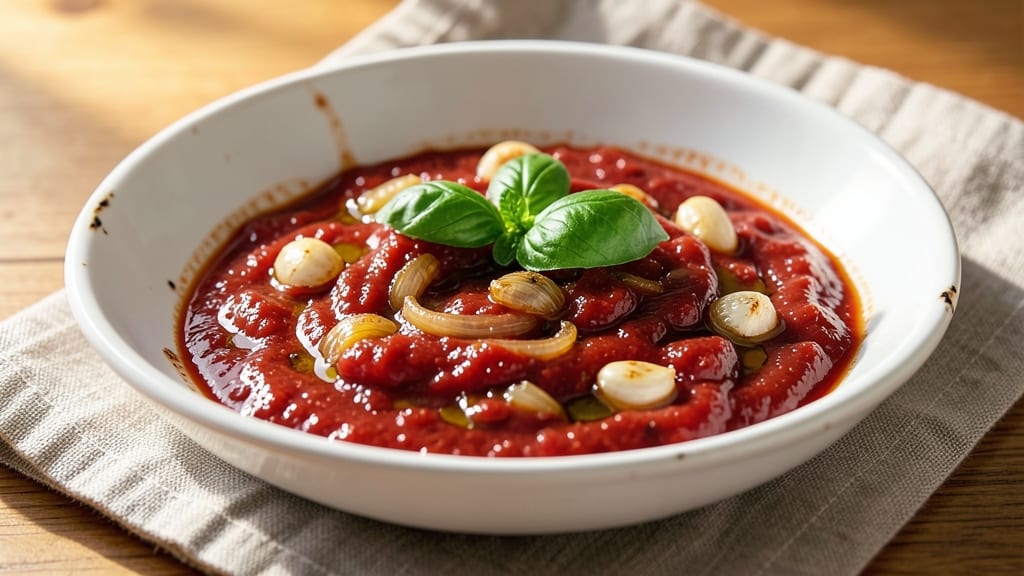
This authentic Italian tomato pasta sauce recipe delivers the rich, simmered depth of Nonna's kitchen—no clumps, no shortcuts, just pure umami flavor built layer by layer. The secret lies in cooking down San Marzano tomatoes with olive oil and garlic until their natural sweetness concentrates, then balancing that intensity with a touch of vinegar for brightness. I've perfected this sauce over years of Italian cooking, and it's the foundation for any pasta dish that feels like you've traveled to Rome.
The technique is simple but critical: start with a gentle simmer to release the tomatoes' natural sugars, then reduce the sauce slowly to develop depth. Fresh basil added at the end preserves its bright flavor, while a pinch of salt and black pepper rounds out the profile.
This isn't just a sauce—it's the soul of Italian cooking, where every ingredient plays a precise role in creating harmony. The result is a velvety, clump-free sauce that clings perfectly to pasta, with layers of flavor that build with each bite.
What makes this sauce truly authentic is the patience in the process—no rushed reductions or thickeners that create that dreaded grainy texture. The acidity from vinegar or lemon juice cuts through the richness while enhancing the tomatoes' natural sweetness, creating balance that feels both sophisticated and approachable.
Once you taste this sauce on your favorite pasta, you'll understand why Italians take their tomato sauces so seriously.
Store the sauce in the refrigerator for up to 5 days or freeze for months—its flavor only improves with time as the ingredients meld further. Whether you're making a classic marinara or a more complex agrodolce, this method ensures restaurant-quality results every time.
Let's get cooking—your pasta nights are about to get an upgrade.
Ingredients for authentic italian pasta sauce recipe tomato
Nine essential ingredients transform into Nonna's velvety tomato sauce—rich, balanced, and clump-free.
| Ingredient | Amount | Notes |
|---|---|---|
| San Marzano Tomato Cans 🍅 | 28 oz | Whole peeled tomatoes, crushed by hand |
| Extra-Virgin Olive Oil 🫒 | ½ cup | Fruity, peppery variety preferred |
| Garlic Cloves 🧄 | 4 cloves | Fresh, peeled and minced |
| Yellow Onion 🧅 | 1 medium | Finely chopped (about 1 cup) |
| White Wine Vinegar 🍋 | 1 tbsp | For brightness and acidity |
| Fresh Basil Leaves 🌿 | ¼ cup | Packed, stems removed |
| Kosher Salt 🧂 | 1 ½ tsp | Diamond Crystal preferred |
| Freshly Ground Black Pepper 🌶️ | ½ tsp | For finishing |
| Granulated Sugar 🍚 | 1 tsp | Balances acidity |
San Marzano tomatoes are non-negotiable here—they're sweeter and less acidic than regular canned tomatoes. Look for the official DOP label at Italian markets or specialty stores like Eataly. If you can't find them, Mueller or Cento brands are solid grocery store options. The olive oil should be fruity and peppery—California Olive Ranch or Colavita are reliable choices. Fresh garlic and basil make all the difference, so don't skip them. For the onion, yellow or red both work, but yellow has slightly more sweetness when cooked down.
No San Marzano tomatoes? Whole peeled tomatoes from any quality brand will work—just crush them by hand for that authentic texture. White wine vinegar can be swapped for lemon juice at half the amount, but vinegar gives that classic Italian tang. Fresh basil is ideal, but dried basil at one-third the amount works in a pinch. The sugar balances the acidity—honey or maple syrup can substitute if you prefer, but sugar dissolves more evenly. For a deeper flavor, toast the garlic cloves in the olive oil for 30 seconds before adding them to the sauce. Quick tip: Trader Joe's has great pre-minced garlic if you're short on time.
This sauce tastes even better the next day as flavors meld. Store in an airtight container in the fridge for up to 5 days, or freeze for 3 months. For freezing, use ice cube trays—perfect for portion control. If the sauce thickens too much after refrigerating, just add a splash of water or pasta water when reheating. The sauce clings beautifully to pasta, so make extra for future meals. It's the kind of sauce that gets better with time, so don't hesitate to make a big batch.
Why You'll Love This Recipe
- No-Chop Nightmare: The onions and garlic barely need dicing—just a rough chop and a quick sauté. I’ve made this sauce at midnight after a long day, and it still comes out rich and balanced.
- Umami Bomb: That first splash of white wine vinegar cuts through the sweetness of the San Marzano tomatoes, while the olive oil caramelizes the garlic into crispy little gold bits. Honestly, the flavor builds in layers, and it’s the kind of sauce that makes you reach for a second bowl.
- Leftover Gold: This sauce actually improves after sitting overnight—it thickens just enough to cling to pasta perfectly. I freeze half the batch in ice cube trays and toss them straight into simmering water for a weeknight shortcut.
- Budget Hero: A single can of San Marzano tomatoes and a bulb of garlic stretch across multiple meals. Between us, this is the sauce I turn to when I’m broke but still want to feel like I’m eating at a trattoria.
Step-by-step instructions for authentic Italian tomato pasta sauce
Here's how to build a sauce that tastes like Nonna's—deep, balanced, and free of clumps.
Sauté Aromatics in Olive Oil
Heat the 0.5 cup extra-virgin olive oil in a heavy-bottomed saucepan over medium-low heat. Add the 1 medium yellow onion and cook for 8-10 minutes until soft and translucent, stirring occasionally. The oil should shimmer but not smoke—this prevents burning the delicate onion flavors.
Add the 4 cloves minced garlic and cook for another 1-2 minutes until fragrant but not browned. Garlic burns quickly, so keep a close eye on it. Here's the thing—if it starts to darken, remove the pan from heat immediately and let it cool for a minute before continuing.
Deglaze and Combine Tomatoes
Pour in the 1 tablespoon white wine vinegar and stir vigorously, scraping up any browned bits from the bottom of the pan. This deglazing step captures all those flavorful fond deposits that would otherwise go to waste. Let it simmer for 2 minutes until the vinegar reduces slightly and the aroma intensifies.
Add the 28 oz San Marzano tomato cans, crushing the tomatoes with your hands as you add them. I like to do this directly in the pan—it breaks up the tomatoes naturally without a food processor. Stir well to combine with the aromatics, then add the 1.5 teaspoons kosher salt and 1 teaspoon granulated sugar. The sugar isn't about sweetness; it's about balancing the acidity of the tomatoes and vinegar.
Simmer Until Thick and Flavorful
Bring the sauce to a gentle simmer over medium-low heat. Partially cover the pan and let it cook for 30-40 minutes, stirring occasionally. You're looking for a sauce that coats the back of a spoon and develops a rich, deep color—not too thick, but not watery either. This slow cooking allows the flavors to meld and develop that authentic Italian depth.
Real talk: Don't rush this step. The first 20 minutes are when most of the water evaporates, and the sauce starts to concentrate. After that, it's about developing complexity. If you see the sauce getting too thick before the 30 minutes are up, add 2-3 tablespoons of water to keep it smooth.
Finish with Fresh Basil and Pepper
Remove the pan from heat and stir in the 0.25 cup fresh basil leaves. The heat will wilt the basil slightly, releasing its aromatic oils into the sauce. Add the 0.5 teaspoon freshly ground black pepper and give it one final taste. Adjust the seasoning if needed—you might need a touch more salt or a splash more vinegar to balance the flavors.
Let the sauce rest for 5 minutes before serving. This resting period allows the flavors to settle and the sauce to thicken slightly. Serve immediately over your favorite pasta, tossing it gently to coat each strand. The sauce should cling beautifully, with a glossy finish and layers of umami, acidity, and freshness.
Pro Tips For Making Authentic Italian Pasta Sauce Recipe Tomato
- Sweat, Don’t Burn: DESCRIPTION: Onions and garlic need time—low heat, covered pan, and a splash of water if they start sticking. I learned this the hard way after charring three batches of sauce and ending up with bitter, burnt flavors instead of sweet, mellow base.
- Crush Garlic Properly: DESCRIPTION: Smash those cloves flat with the side of your knife before adding them—no mincing, no peeling. The skin stays on, but the flavor infuses deeper, and you avoid that raw garlic punch. (Yes, even if you’re impatient like me.)
- Vinegar at the End: DESCRIPTION: Toss in that white wine vinegar only after the tomatoes have simmered for at least 15 minutes. Add it earlier, and you’ll taste harsh acidity instead of bright, balanced tang. Think of it as the finishing touch, not the opener.
- Simmer, Don’t Boil: DESCRIPTION: Keep the heat at a gentle simmer—tiny bubbles, not rolling. Boiling reduces the tomatoes too fast, turning your sauce into a thick paste instead of a rich, velvety sauce. (Your future self will thank you for the patience.)
Wine and beer pairings for this authentic italian pasta sauce recipe tomato
Classic Italian Reds
For this rich tomato sauce, a Chianti Classico from Tuscany is my go-to choice—its bright acidity and cherry notes cut through the sauce's depth beautifully. Look for a Sangiovese-based bottle like Castello di Volpaia or Antinori Chianti Classico.
The wine's natural acidity mirrors the sauce's vinegar, creating a perfect balance. Serve slightly chilled (55-60°F) to enhance its freshness against the warm sauce. 🍷
Crisp Whites for Balance
If you prefer white wine, a Vermentino from Sardinia or Pinot Grigio from Alto Adige brings crisp acidity that refreshes your palate between bites. I love La Giustiniana Vermentino for its citrus and mineral notes—it won't overpower the sauce but instead complements its umami richness.
Serve at 45-50°F to let its brightness shine through. 🥂
Italian Craft Beers
For beer lovers, a Peroni or Moretti Italian lager offers a clean, effervescent contrast to the sauce's depth. The subtle malt sweetness pairs wonderfully with the tomatoes' natural sugars.
If you prefer craft options, try a Belgian witbier like Hoegaarden—its coriander and citrus notes add an unexpected but delicious twist. Serve at 40-45°F for the best experience. 🍺
Pro Tip: Let It Breathe
Allow your wine or beer to breathe for 10-15 minutes before drinking to open up its flavors. This is especially important for reds, as it softens tannins and enhances aromas. Pair with grilled bread or garlic knots to soak up any extra sauce—it's a match made in Italian heaven. 💫
Avoid Heavy Pairings
Skip bold reds like Cabernet Sauvignon or heavy stouts—they'll clash with the sauce's delicate balance. Even oaky whites can overpower the dish. Stick to medium-bodied wines and light beers that let the sauce's natural flavors take center stage. Trust me, your taste buds will thank you! ✨
Nutrition facts
Frequently asked questions
Why do you crush tomatoes by hand instead of using a blender?
Crushing tomatoes by hand preserves their natural texture and prevents that dreaded grainy consistency you get from over-processing. The slight chunkiness adds authentic Italian character while allowing the sauce to develop a velvety finish. Blenders can also create a paste-like texture that thickens too much when simmered.
Can I make this sauce without white wine vinegar?
Use lemon juice at half the amount (0.5 tablespoons) or even a pinch of red wine for depth. The key is balancing acidity—just taste as you go. For extra umami, a splash of fish sauce (just 1/4 teaspoon) works surprisingly well in traditional Italian cooking.
How do I prevent my sauce from getting too thick or clumpy?
Keep the heat at medium-low and stir frequently during the 30-40 minute simmer. If it thickens too much before reaching 20 minutes, add 2-3 tablespoons of water or pasta water. For clumps, use a wooden spoon to gently break them up while simmering—never let it boil vigorously.
What's the best way to store leftover sauce?
Let the sauce cool completely, then transfer to an airtight container. It keeps in the fridge for 5 days, with flavors actually improving over time. For freezing, portion into ice cube trays—thaw just what you need for future meals. Reheat gently on the stove with a splash of water to restore its silky texture.
Can I add meat to this sauce?
While this recipe focuses on the pure tomato sauce, you can absolutely brown Italian sausage or ground beef separately and mix it in at the end. For a traditional approach, try guanciale (cured pork cheek) cooked until crispy—it adds incredible depth. Just remove it before the final simmer to avoid overcooking.