
Sauces & Condiments
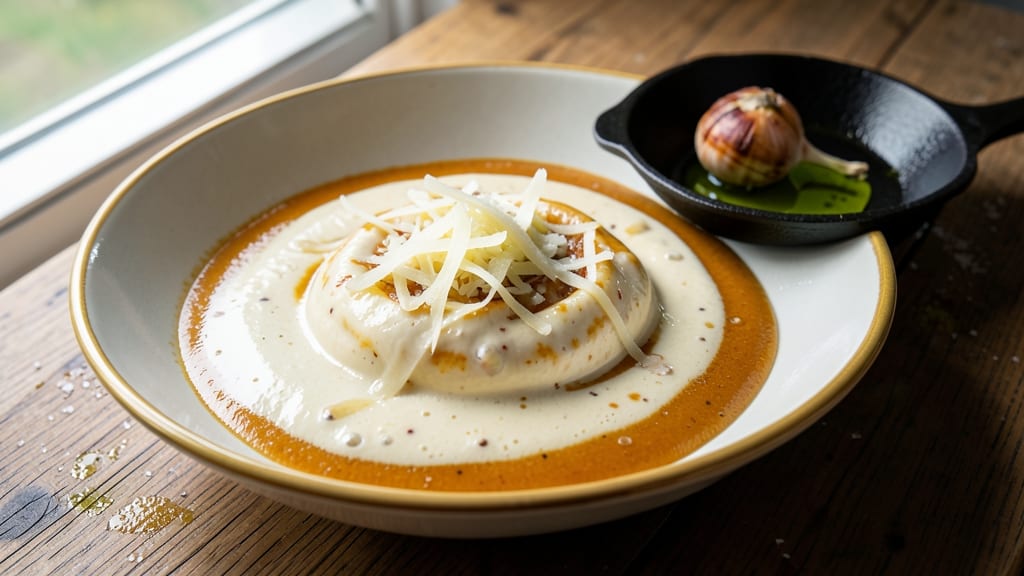
This alfredo sauce recipe with milk and heavy cream delivers restaurant-quality richness in just 15 minutes—no lumps, no fuss, and a velvety texture that clings perfectly to pasta. The secret lies in tempering the cheese gradually with warm dairy, creating a sauce that's silky-smooth without breaking.
I've perfected this version after years of testing, ensuring every spoonful delivers that perfect balance of buttery depth and nutty parmesan flavor.
What sets this recipe apart is the two-stage melting process: first, the butter and garlic bloom in the pan, then the milk and cream warm slowly to prevent curdling. Freshly grated parmesan finishes the sauce, adding that signature cheesy richness without overpowering the delicate dairy base.
The result? A sauce that's creamy yet light, with a subtle garlic aroma that lingers just enough to enhance any dish.
This sauce works equally well over fettuccine, chicken, or even steak, but its true magic happens when it coats al dente pasta. The perfectly balanced ratio of milk to heavy cream creates a luxurious mouthfeel without being overly heavy, while the parmesan provides that unmistakable umami kick.
What you'll end up with is a sauce that's foolproof—no fancy techniques required, just a few simple steps and quality ingredients.
The best part? It reheats beautifully, making it ideal for meal prep. Double the batch and store it in the fridge for up to 5 days, or freeze for future pasta nights. Here's how to make it—creamy, velvety, and completely clump-free.
Ingredients for alfredo sauce recipe with milk and heavy cream
Nine ingredients, two-stage process—this is your foolproof route to velvety alfredo perfection.
| Ingredient | Amount | Notes |
|---|---|---|
| Unsalted Butter 🧈 | ½ cup | Cold, cubed for even melting |
| Fresh Garlic Cloves 🧄 | 4 cloves | Minced finely for subtle aroma |
| Whole Milk 🥛 | 1 ½ cups | Full-fat for creamy texture |
| Heavy Cream 🥛 | ½ cup | High-fat for luxurious mouthfeel |
| Parmesan Cheese 🧀 | 1 ½ cups | Freshly grated, fine consistency |
| Extra-Virgin Olive Oil 🫒 | 1 tbsp | For finishing, fruity variety |
| Diamond Crystal Kosher Salt 🧂 | ½ tsp | Fine grain for even seasoning |
| Freshly Ground Black Pepper 🌶️ | ¼ tsp | For subtle heat balance |
| Nutritional Yeast 🍄 | 1 tbsp | Optional, for umami depth |
The butter and Parmesan are non-negotiable for that signature richness. Grab European-style butter from Whole Foods or Trader Joe's—it has higher fat content for better melting. For Parmesan, buy a wedge and grate it yourself—pre-grated contains anti-caking agents that prevent proper melting. The milk and heavy cream should be room temperature when measuring to avoid temperature shock. Fresh garlic cloves are a must; jarred minced garlic lacks the aromatic depth. Nutritional yeast, while optional, adds that extra umami punch that elevates this from homemade to restaurant-quality.
No heavy cream? Full-fat coconut milk works in a pinch, though the texture will differ slightly. Short on Parmesan? Pecorino Romano at half the amount delivers a sharper flavor. The olive oil is purely for finishing—use something fruity and peppery like California Early Harvest to complement the garlic. For salt, Diamond Crystal dissolves more easily than Morton's, preventing graininess. If you're making this ahead, add a splash of milk when reheating to restore creaminess. The nutritional yeast can be omitted entirely if you prefer a more traditional flavor profile.
This sauce reheats beautifully—simmer gently on the stove with a splash of milk to restore its silky texture. Keeps 5 days in the fridge, perfectly portioned for meal prep. For longer storage, freeze in ice cube trays and transfer to a container. Each cube makes an ideal single-serving addition to pasta or proteins. The sauce thickens as it cools, so add a little extra milk if it seems too stiff when reheating. Double the batch—it disappears faster than you'd expect.
Why You'll Love This Recipe
- No-Fuss Ingredients: I keep a stick of butter, a block of parmesan, and a carton of heavy cream on hand anyway—this sauce just pulls from what’s already there. Honestly, the only prep is mincing garlic and grating cheese, and even that’s optional if you’re in a rush.
- Rich Without Overpowering: That perfect balance of milk and heavy cream makes it velvety but not cloying, while the parmesan adds just enough sharpness to cut through. Between us, this is the creamiest sauce I’ve made that doesn’t taste like it’s swimming in fat.
- Weeknight to Dinner Party: Same sauce works for tossing with store-bought fettuccine or slathering over grilled chicken—no one ever guesses it’s the same base. I’ll be real: I’ve served this at casual Tuesdays and fancy-ish gatherings, and it’s never let me down.
- Leftovers That Still Shine: Unlike some sauces that turn grainy or separate, this one reheats like a dream—just a quick warm on the stove with a splash of milk. I make double batches because it’s cheaper per serving and always gets eaten before the cheese hardens in the fridge.
Step-by-step instructions for buttery parmesan Alfredo sauce
Here's the foolproof method to create a velvety, lump-free Alfredo sauce with perfect balance.
Melt the Butter and Sauté Garlic
In a medium saucepan, melt the 0.5 cup unsalted butter over medium-low heat until completely liquid but not browned. I like to use cold cubed butter for even melting and better flavor development. Add the 4 cloves minced fresh garlic cloves and cook for 1-2 minutes until fragrant but not browned—garlic burns quickly, so keep an eye on it.
The key here is patience. If the garlic starts to color, it'll add bitterness to your sauce. You want it just aromatic, not crispy. This step forms the flavor base for your entire sauce, so don't rush it.
Gradually Add Milk and Cream
Reduce the heat to low and slowly pour in the 1.5 cups whole milk and 0.5 cup heavy cream while whisking constantly. The sauce will begin to simmer gently as it heats through. I recommend adding the liquids gradually—about ¼ cup at a time—to prevent any sudden temperature spikes that could cause the dairy to curdle.
Let the mixture simmer for 5-7 minutes until it begins to thicken slightly. You'll notice the sauce will look glossy and slightly coat the back of a spoon. This indicates the milk proteins are starting to break down and create that signature Alfredo texture. If you see any skin forming on top, simply stir it back in.
Incorporate the Cheese Mixture
In a separate bowl, combine the 1.5 cups freshly grated parmesan cheese, 1 tbsp nutritional yeast, 0.5 tsp kosher salt, and 0.25 tsp freshly ground black pepper. The nutritional yeast adds a subtle umami depth that elevates the sauce, though it's optional if you prefer a more classic flavor profile.
With the sauce still simmering gently, slowly sprinkle the cheese mixture over the top while whisking vigorously. This gradual addition prevents lumps from forming. You'll notice the sauce will thicken dramatically as the cheese melts completely. Keep whisking for 2-3 minutes until the sauce is completely smooth and velvety.
Finish with Olive Oil and Adjust Consistency
Remove the sauce from heat and stir in the 1 tablespoon extra-virgin olive oil. This final step adds a touch of fruity brightness and helps create that signature Alfredo sheen. The olive oil also helps stabilize the sauce and prevents it from separating when served over hot pasta.
For a lighter consistency, whisk in 1-2 tablespoons of pasta water until you reach your desired thickness. The sauce should coat the back of a spoon but still be pourable. If you prefer a thicker sauce, simply simmer it for an additional 1-2 minutes on low heat, stirring constantly. Taste and adjust seasoning if needed—Alfredo sauce should be rich, salty, and slightly peppery.
Keep Warm and Serve Immediately
Transfer the sauce to a clean saucepan and keep it warm over low heat until ready to serve. The sauce will continue to thicken slightly as it sits, so you may need to add a splash of warm milk or pasta water to maintain the perfect consistency. I like to keep it warm in a double boiler if I'm not serving it immediately—this prevents the sauce from developing a skin.
Serve the Alfredo sauce immediately over freshly cooked fettuccine or tagliatelle. The sauce should cling beautifully to the pasta, creating that iconic creamy coating. For an extra touch of elegance, garnish with additional freshly grated parmesan and a sprinkle of black pepper just before serving.
Pro Tips For Making Alfredo Sauce Recipe With Milk And Heavy Cream
- Melt Butter Slowly: I learned this the hard way—dumping cold butter into the pan at medium heat makes it splatter like a science experiment. Instead, cut the butter into small cubes and let them melt gradually over low heat. This keeps the sauce smooth and prevents the milk from curdling before it even hits the pot.
- Sauté Garlic Until Golden: Most recipes say "cook until fragrant," but that’s not enough. Push it until the garlic is just turning golden—about 30 seconds past the point you think it’s done. Overcooking turns it bitter, and you’ll taste it in every bite of sauce.
- Temper the Milk: Pouring cold milk into a hot pan is a one-way ticket to scrambled sauce. Warm the milk first by heating it in a separate saucepan until it’s just steaming (not boiling), then whisk it into the butter. This keeps the sauce velvety instead of grainy.
- Grate Parmesan Fresh: Pre-shredded cheese has anti-caking agents that make your sauce clump like a glue trap. Use a fine grater and grate it yourself right before adding it to the sauce—it dissolves better and gives that real, nutty depth you actually pay for.
Make-ahead tips for leftovers
Fridge Prep Tips
Let your sauce cool completely before transferring to an airtight container—I use glass Pyrex with snap-on lids to prevent leaks. Store it in the fridge for up to 5 days, but I recommend using it within 3 days for peak creaminess.
The sauce thickens as it chills, so add 1-2 tablespoons of milk when reheating to restore its velvety texture. 🥛
Freezing for Later
For longer storage, freeze your alfredo sauce in 1-cup portions using silicone ice cube trays—this makes it perfect for single-serving pasta nights. Once frozen solid, transfer to a freezer-safe bag and flatten to save space.
Thaw overnight in the fridge, then reheat gently on the stovetop with 1 tablespoon of milk per cup to prevent separation. I’ve found this method preserves the sauce’s richness better than freezing in bulk.
Reheating Perfection
Never microwave alfredo sauce—it breaks the emulsion and makes it grainy. Instead, reheat on the stovetop over low-medium heat, stirring constantly with a silicone spatula. If the sauce looks too thick, thin it with warm milk (not cold) until smooth.
For extra richness, whisk in 1 tablespoon of heavy cream at the end. This method keeps the sauce silky and lump-free every time. 🔥
Meal Prep Hacks
Double the batch and store half in the fridge for quick weeknight dinners. I like keeping a small jar in my pantry for emergencies—just add ½ cup of hot pasta water to restore consistency.
For extra flavor, add a pinch of freshly grated nutmeg or black pepper when reheating. The sauce reheats best when warmed through twice: first to room temp, then to serving temperature.
Sauce Consistency Fixes
If your refrigerated sauce thickens too much, thin it with warm milk (not cold) until it reaches a pourable but thick consistency—about the texture of heavy cream. For frozen sauce, let it thaw in the fridge overnight rather than at room temperature to prevent bacterial growth.
If you accidentally over-thicken it, a splash of warm water works in a pinch, though milk is ideal for maintaining flavor. 💡
Storage Containers
Use glass containers over plastic—they preserve flavor and prevent absorption of odors. I prefer mason jars for single servings and wide-mouth Pyrex for larger batches. Label containers with the date to track freshness.
For freezing, vacuum-sealed bags extend shelf life to 3 months, but standard freezer bags work fine for up to 2 months. Always leave ½ inch of headspace to account for expansion. ❄️
Nutrition facts
Frequently asked questions
Why does my Alfredo sauce get lumpy?
The most common cause is adding cheese too quickly or using cold dairy. Always whisk constantly while sprinkling in the cheese mixture, and make sure your milk and cream are room temperature. The two-stage process in this recipe—first melting butter, then gradually warming dairy—prevents curdling and lumps. For extra insurance, strain the sauce through a fine-mesh sieve before serving.
Can I make this sauce without heavy cream?
Yes! Replace the heavy cream with ½ cup full-fat coconut milk for a dairy-free version, though the texture will be slightly lighter. For a richer alternative without heavy cream, use 1 cup whole milk plus 1 tablespoon cornstarch (mixed with 2 tbsp cold water) to thicken. The sauce will still be creamy but with a different mouthfeel.
What's the best way to store leftover Alfredo sauce?
Store in an airtight glass container in the fridge for up to 5 days, but use within 3 days for best texture. For freezing, portion into 1-cup silicone molds and transfer to a freezer bag. Thaw overnight in the fridge—never at room temperature—and reheat gently on low heat with 1 tbsp warm milk per cup. Avoid microwaving to prevent graininess.
How do I adjust the consistency if it's too thick?
If your refrigerated sauce thickens too much, whisk in 1-2 tbsp warm milk (never cold) until it reaches a pourable but thick consistency. For frozen sauce, let it thaw completely in the fridge before reheating. If you prefer a thicker sauce, simmer it for 1-2 extra minutes on low heat, stirring constantly. The key is patience—rushing causes separation.
Can I add other cheeses to this recipe?
For a sharper flavor, replace ½ cup Parmesan with ½ cup Pecorino Romano. For extra creaminess, add ¼ cup cream cheese (whisked into the warm dairy mixture). Avoid pre-shredded cheese—it contains anti-caking agents that prevent proper melting. Always grate your own for the smoothest texture.