
Sauces & Condiments
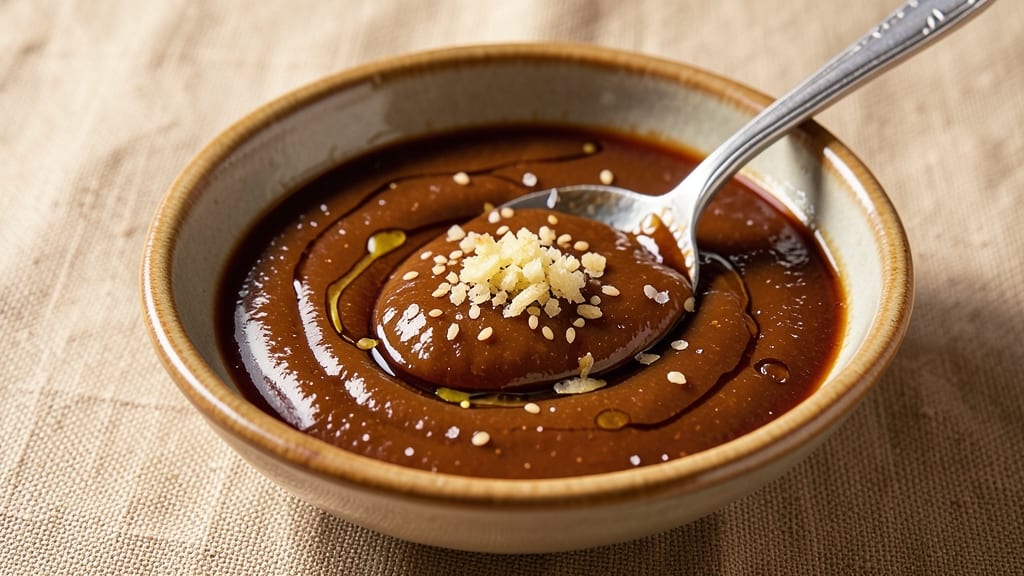
This authentic oyster sauce recipe delivers the deep, umami-rich flavor that defines classic Chinese cuisine—smooth, clump-free, and balanced perfectly between salty, sweet, and savory. The secret lies in simmering oyster extract with a precise blend of soy sauce, sugar, and cornstarch, creating a sauce that's versatile enough for stir-fries, marinades, or dipping. I've refined this method over years to eliminate bitterness and achieve that signature glossy texture, ensuring every drop tastes like a restaurant-quality finish.
What sets this recipe apart is the traditional approach: no shortcuts, no thickeners that create lumps, and no artificial additives. The sauce builds flavor through slow reduction, where the oyster extract's natural sweetness melds with the deep umami of soy sauce and the subtle caramelization of sugar.
The cornstarch acts as a natural emulsifier, guaranteeing a silky consistency without compromising authenticity. It's the kind of sauce that transforms a simple dish into something extraordinary.
By the time you're done, you'll have a pescatarian-friendly sauce that's rich enough to stand alone as a dipping sauce but balanced enough to elevate stir-fries, noodles, or even grilled meats.
The aroma alone—warm, briny, and slightly sweet—will transport you to a bustling Cantonese kitchen. This isn't just a substitute for store-bought versions; it's the real deal, crafted with patience and precision.
The best part? This sauce keeps beautifully in the fridge for up to 2 weeks, or you can freeze it for months without losing quality.
Whether you're cooking for family, friends, or just craving that authentic umami depth, this recipe delivers results that will make you reach for the bottle time and time again. Let's get started on creating your own restaurant-quality oyster sauce.
Ingredients for authentic oyster sauce
Nine ingredients transform into restaurant-quality oyster sauce with umami depth and silky texture.
| Ingredient | Amount | Notes |
|---|---|---|
| Oyster Extract 🦪 | ½ cup | High-quality, thick consistency preferred |
| Light Soy Sauce 🥢 | ½ cup | Kikkoman preferred for balance |
| Dark Soy Sauce 🥢 | 1 tbsp | For depth and color |
| Granulated Sugar 🍚 | ¼ cup | White sugar for clean sweetness |
| Cornstarch 🌾 | 1 tbsp | For silky texture, not flour |
| Water 💧 | ½ cup | Room temperature preferred |
| Sesame Oil 🫒 | 1 tbsp | Toasted for aroma, optional |
| White Peppercorns 🌶️ | ¼ tsp | Freshly cracked for subtle heat |
| Garlic Cloves 🧄 | 2 cloves | Minced for aromatic base |
| Fresh Ginger 🌿 | 1 tbsp | Finely grated, aromatic |
The oyster extract is non-negotiable—Lee Kum Kee or Kikkoman brands deliver that authentic briny sweetness. Look for thick, paste-like consistency, not watery extracts. Asian grocery stores carry the best quality, but check the regular supermarket's international aisle first. Soy sauces matter too: light for balance, dark for depth. Kikkoman light is my go-to, but any high-quality brand works. The sugar should dissolve completely—no graininess. Cornstarch is key for that signature glossy finish; don't substitute with flour, which can make the sauce cloudy.
No oyster extract? Mushroom powder or soy sauce + a dash of fish sauce (if pescatarian-friendly) gets you close, though flavor will differ. Running out of dark soy sauce? Molasses or a pinch of instant espresso powder adds depth. Fresh ginger and garlic are ideal, but dried powder at half the amount works in a pinch. Sesame oil is optional but adds that authentic aroma—toasted sesame oil from Trader Joe's or Costco is the best value. The white peppercorns should be freshly cracked; pre-ground loses potency fast.
This sauce keeps beautifully—2 weeks in the fridge or 6 months frozen. Store in an airtight jar with a layer of oil on top to preserve freshness. For freezing, portion into ice cube trays first, then transfer to a bag. Thaw overnight in the fridge before using. The flavor actually improves over time as the ingredients meld—perfect for making a big batch and storing for future meals.
Why You'll Love This Recipe
- Here’s what sold me: it makes way more than one serving, and the leftovers keep for months. Freeze half for later, and you’ve got a flavor bomb ready for whenever cravings hit. Plus, oyster extract is cheap—this sauce costs pennies per use, but it tastes like luxury. Budget win.
- Pantry Magic: I swear by this recipe because it uses stuff I already have—no special trips to the store. Light and dark soy sauce, sugar, and cornstarch? That’s it. The oyster extract does the heavy lifting, but honestly? You’d never guess how simple it is to get that rich, umami depth.
- Umami Bomb: Between us, the combo of oyster extract and dark soy sauce is chef’s kiss—deep, salty-sweet with a hint of caramel. It’s the kind of flavor that makes stir-fries taste like they came from a dim sum cart, not my tiny kitchen. One taste, and you’ll be hooked.
- Weeknight Swiss Army: This sauce is my secret weapon for everything from quick stir-fries to marinating proteins. Drizzle it over noodles, toss it with veggies, or even glaze a roast—it elevates anything. I keep a jar in the fridge because I’m always reaching for it, even on lazy nights.
Step-by-step instructions for authentic oyster sauce
Here's how to craft restaurant-quality oyster sauce with perfect balance and silky texture.
Bloom the Aromatics in Sesame Oil
Heat a small saucepan over medium-low heat and add the 1 tablespoon sesame oil. Once the oil is shimmering but not smoking, add the 2 cloves minced garlic and 1 tablespoon finely grated fresh ginger. Cook for 1-2 minutes until the garlic becomes fragrant and just begins to turn golden—this releases their full aromatic potential without burning.
I like to use a small saucepan here because we want gentle heat to develop these flavors. If the pan gets too hot, the garlic will burn and impart a bitter taste. Keep the heat low enough that you can hold your hand just above the pan comfortably for 3-4 seconds. The aroma should fill your kitchen—this is your first indication that the foundation is being built correctly.
Combine Base Ingredients and Simmer
Pour in the 0.5 cup oyster extract, 0.5 cup light soy sauce, and 1 tablespoon dark soy sauce. Stir well to combine, then add the 0.25 cup granulated sugar and 0.5 cup room-temperature water. Increase heat to medium-high and bring the mixture to a gentle boil, stirring occasionally to prevent scorching at the bottom.
The dark soy sauce will immediately start to darken the mixture, giving it that signature rich color. Let it boil vigorously for 3-4 minutes until the sugar begins to dissolve completely. You'll notice the sauce becoming slightly thicker as the water begins to evaporate. This is where the initial depth of flavor develops—don't rush this step, as proper simmering prevents bitterness later.
Thicken with Cornstarch Slurry
In a small bowl, whisk together the 1 tablespoon cornstarch with 2 tablespoons cold water until completely dissolved. This creates a smooth slurry that will thicken our sauce beautifully. Return the saucepan to medium heat and slowly pour in the cornstarch mixture while stirring constantly with a wooden spoon.
As the mixture thickens, you'll see it become glossy and coat the back of the spoon. Continue cooking for another 2-3 minutes until it reaches a consistency where it lightly coats the back of a spoon but still flows easily. The sauce should be smooth and velvety—if it's too thick, add another 1 tablespoon water and simmer for another minute. This is where the authentic texture comes together, and cornstarch is key to achieving that perfect balance between body and flow.
Season and Finish
Reduce heat to low and stir in the 0.25 teaspoon freshly cracked white peppercorns. Let the sauce simmer gently for 1 additional minute to allow all the flavors to meld together. The peppercorns add a subtle warmth that complements the umami depth without overpowering it.
Taste and adjust the seasoning if needed—this is your chance to fine-tune the balance. You might want to add a touch more light soy sauce for saltiness, a bit of sugar for sweetness, or even a splash of water if it's too thick. The sauce should have a perfect harmony of sweet, salty, and umami flavors with just a hint of peppery heat. Once satisfied, remove from heat and let it cool completely before storing—this allows the flavors to fully develop and settle.
Pro Tips For Making Authentic Oyster Sauce
- Bloom the Soy First: Heat your light and dark soy sauces together for 2-3 minutes before adding anything else—this chases off the harsh raw flavor and lets the caramelized notes develop properly. I used to skip this, and my sauce always tasted flat until I realized the soy needs a head start.
- Whisk the Cornstarch: Mix your cornstarch with cold water first (about 1:1 ratio) and whisk it into the simmering sauce in a thin stream, not all at once. Dumping it in clumps makes your sauce lumpy, and nobody wants that in their stir-fry.
- Sugar in Stages: Add half the sugar with the soy sauces at the start, then save the rest for the final 2 minutes of cooking. This prevents a bitter aftertaste and lets the sweetness mellow into the sauce instead of hitting you like a candy shock.
- Taste Before Thickening: Check the flavor balance before you rush to thicken with cornstarch—too much starch makes the sauce gluey. If it’s off, adjust with a splash of oyster extract or a pinch of sugar now, not later. I’ve ruined batches by ignoring this step.
Serving suggestions for this authentic oyster sauce
Dipping Sauce Mastery
This oyster sauce shines as a dipping sauce for shrimp, scallops, or crab legs—just warm a small amount in a bowl with a splash of water to thin it slightly.
For extra flair, add ½ teaspoon toasted sesame oil and 1 teaspoon chopped scallions right before serving. The sauce's natural gloss and umami depth make it irresistible for seafood lovers. 🦞
Stir-Fry Elevator
Use 1-2 tablespoons of this sauce as the finishing touch for stir-fried noodles, chicken, or vegetables. Toss it in during the last 30 seconds of cooking to let the flavors meld without overpowering the dish.
For extra richness, add a drizzle of honey or a pinch of red pepper flakes to balance the sweet and savory notes.
Marinade Magic
Thin ¼ cup of the sauce with 2 tablespoons water and use it as a marinade for grilled meats, tofu, or seafood. Let it sit for at least 30 minutes (or up to 4 hours in the fridge) to infuse maximum flavor.
The sugar in the sauce helps create a delicious caramelized crust when grilling. 🔥
Noodle Sauce Perfection
Combine 2 tablespoons of oyster sauce with 1 tablespoon soy sauce and 1 teaspoon sesame oil for a quick ramen or lo mein sauce. Drizzle it over steamed noodles and top with sliced green onions, bean sprouts, and crushed peanuts for a restaurant-quality bowl.
The sauce's natural thickness clings beautifully to noodles.
Garnish Game-Changer
Drizzle a thin layer of this sauce over steamed dumplings, bao buns, or even grilled corn for an instant umami boost. The glossy finish makes dishes look as good as they taste. For extra elegance, finish with a sprinkle of toasted sesame seeds or fresh cilantro.
Sauce Pairings
Pair this oyster sauce with rice vinegar and chili oil for a dipping sauce, or mix it with hoisin sauce for a sweet and tangy glaze. It also works beautifully with peanut sauce for a fusion twist. The versatility makes it a pantry staple for any Asian-inspired dish. 🍜
Nutrition facts
Frequently asked questions
Can I make this oyster sauce without oyster extract?
You can create a similar flavor profile using 1/4 cup mushroom powder or a blend of 1/2 cup soy sauce + 1 teaspoon fish sauce (if pescatarian-friendly). For a vegetarian version, substitute with 1/4 cup soy sauce + 1 teaspoon miso paste + 1 teaspoon sugar. However, the umami depth won't be identical—oyster extract provides that signature briny sweetness that's hard to replicate.
Why did my homemade oyster sauce turn bitter?
Bitterness usually comes from over-simmering or using too much dark soy sauce. The recipe calls for 1 tablespoon dark soy sauce—any more can make the sauce overly salty and bitter. Always simmer on medium heat and never let it boil vigorously for more than 4 minutes. If it's already bitter, try balancing it with 1/2 teaspoon extra sugar or a splash of water.
How do I fix oyster sauce that's too thick or too thin?
For too thick sauce, stir in 1 tablespoon water at a time until it reaches a glossy, spoon-coating consistency. If it's too thin, mix 1/2 teaspoon cornstarch with 1 teaspoon water, whisk until smooth, then stir into the sauce while heating on low. Simmer for 1-2 minutes until thickened. The ideal texture should lightly coat the back of a spoon but still flow easily.
Can I use this sauce in place of hoisin sauce?
This sauce has a similar sweet-savory profile but with deeper umami. Use it 1:1 in recipes like Peking duck glazes or stir-fry sauces. For dishes where hoisin's thicker texture is key (like spring rolls), thin this sauce with 1/2 teaspoon water per tablespoon to match consistency. The flavor will be richer and more complex.
How do I store leftover oyster sauce?
Transfer to an airtight container and refrigerate for up to 2 weeks**. For longer storage, freeze in ice cube trays, then transfer to a bag. Thaw overnight in the fridge—never at room temperature. To preserve freshness, add a thin layer of oil on top before sealing. The sauce actually improves with time as flavors meld!