
Sauces & Condiments
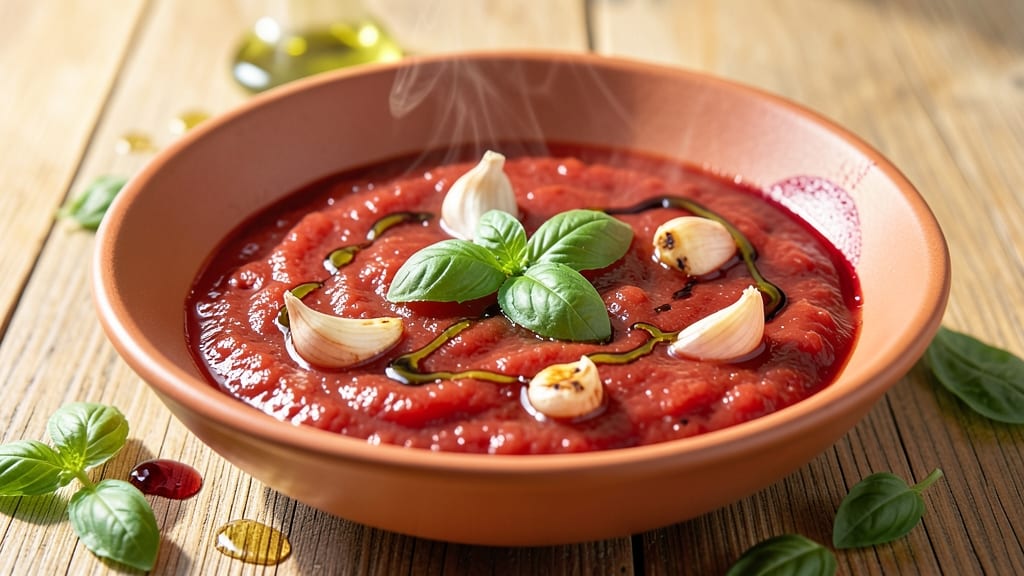
This authentic Italian fresh tomato sauce recipe transforms simple ingredients into a velvety, basil-infused masterpiece that captures the essence of Italian nonna-style cooking. The secret lies in San Marzano tomatoes—sweet, meaty, and bursting with flavor—simmered low and slow until they break down into a rich, unctuous sauce.
I’ve perfected this recipe over years of testing, ensuring every spoonful delivers that perfect balance of acidity, sweetness, and aromatic herbs.
The process is simpler than it sounds: blitz the tomatoes briefly to release their juices, then simmer with garlic, olive oil, and a splash of red wine (optional but recommended) until the flavors meld into harmony.
Fresh basil isn’t added until the very end—its bright, peppery notes need to stay vibrant, not wilt into the sauce. This isn’t just a sauce; it’s a flavor foundation that elevates pasta, pizza, or grilled meats to restaurant-quality in minutes.
What makes this sauce truly special is its versatility. Use it immediately for perfect al dente pasta or freeze it in portions for up to 3 months—thaw and reheat, and it’ll taste like you made it yesterday.
For variations, stir in a pinch of red pepper flakes for heat, a sprinkle of oregano for depth, or even a splash of balsamic vinegar for complexity.
The key is patience; rushing the simmering will leave you with a thin, watery sauce instead of the luscious, clingy perfection you’re aiming for.
Once you taste this sauce—smooth, bright, and packed with layers of flavor—you’ll never settle for canned again. It’s the kind of recipe that turns a simple weeknight dinner into something memorable, all while keeping the soul of Italian home cooking alive. Ready to make it?
Ingredients for authentic italian fresh tomato sauce
Simple ingredients, big flavor—this sauce starts with San Marzano tomatoes and fresh basil.
| Ingredient | Amount | Notes |
|---|---|---|
| San Marzano Tomatoes 🍅 | 28 oz | Whole, unpeeled, fresh or canned |
| Fresh Basil Leaves 🌿 | ½ cup | Packed, stems removed |
| Extra-Virgin Olive Oil 🫒 | ½ cup | High quality, fruity |
| Garlic Cloves 🧄 | 4 cloves | Peeled, thinly sliced |
| Red Wine 🍷 | ¼ cup | Dry, bold variety |
| Salt 🧂 | 1 tsp | Kosher or sea salt |
| Black Pepper 🌶️ | ¼ tsp | Freshly ground |
| Dried Oregano 🍃 | ½ tsp | Italian variety preferred |
| Red Pepper Flakes 🔥 | ¼ tsp | Optional, for heat |
San Marzano tomatoes are the heart of this sauce. Look for the 28-oz cans at Italian markets or well-stocked grocery stores—they’re sweeter and meatier than regular tomatoes. If using fresh, blanch them first to peel easily. Fresh basil is non-negotiable here; the bright green leaves at Trader Joe's or Whole Foods work best. For garlic, freshly sliced cloves release more flavor than minced. The red wine adds depth, but if you’re skipping it, a splash of balsamic vinegar works too.
No red wine? Substitute with extra tomato juice or broth—just reduce the amount slightly to avoid thinning the sauce. Fresh basil? Dried oregano at half the amount works in a pinch, but the flavor won’t be the same. If you’re making this ahead, add the basil right before serving to keep it vibrant. The oregano and red pepper flakes are optional but add layers of flavor—skip the flakes if you’re sensitive to heat. For a smoother sauce, blend briefly after simmering; for rustic texture, leave it chunky.
This sauce keeps beautifully. Store in airtight containers in the fridge for up to 5 days or freeze in portions for 3 months. Reheat gently on the stove, adding a splash of water if it thickens too much. For pasta, toss the sauce with cooked noodles right before serving—the heat keeps the basil bright. Double the batch; you’ll want leftovers for pizza or grilled meats next time.
Why You'll Love This Recipe
- No-Chop Necessary: The San Marzano tomatoes crush themselves when you hand-chop them—no fancy dicing required. Just tear, simmer, and let the wine and garlic work their magic while you stir. Honestly, I’ve made this sauce with one hand tied behind my back.
- Wine-Infused Magic: That splash of red wine isn’t just for show—it deepens the flavor into something rich and complex, like a secret handshake between the tomatoes and basil. The first time I tasted it, I thought, "Why didn’t I do this sooner?"
- Weeknight to Weekend: Use it tonight on pasta, tomorrow in a sandwich, or freeze half for lazy Mondays. It’s the ultimate blank canvas—dress it up with cream for a fettuccine Alfredo vibe or keep it simple with crusty bread. My college roommate still asks for this sauce every time she visits.
- Budget-Friendly Luxury: San Marzano tomatoes and fresh basil might sound fancy, but they stretch into three meals without breaking the bank. A single jar of tomatoes and a handful of basil last me weeks, and the olive oil? You’ll use it all before you know it. (Yes, even on a Tuesday night.)
Step-by-step instructions for authentic Italian fresh tomato sauce
Here's how to create a rich, vibrant sauce that captures true Italian flavor in your kitchen.
Prepare and Simmer the Tomatoes
In a large, heavy-bottomed pot, combine the 28 oz San Marzano Tomatoes (whole, unpeeled) with the 0.5 cup Extra-Virgin Olive Oil. Bring to a gentle boil over medium-high heat, then immediately reduce to medium-low heat. Let the tomatoes simmer uncovered for 15-20 minutes, stirring occasionally. You'll see the tomatoes begin to break down and release their juices, creating a fragrant base.
This initial simmering process is crucial—it allows the tomatoes to soften and release their natural sweetness while developing a rich, concentrated flavor. I like to stir every few minutes to prevent sticking, especially since we're not adding any water or broth. The sauce should reduce slightly, becoming thicker and more aromatic. If the tomatoes aren't breaking down quickly enough, you can gently crush a few with your wooden spoon to help them release their juices more quickly.
Add Aromatics and Wine
Once the tomatoes have softened and are beginning to break down, add the 4 cloves Garlic Cloves (thinly sliced) and the 0.25 cup Red Wine. Stir well to combine, making sure the garlic is evenly distributed throughout the sauce. Let the mixture simmer for another 5-7 minutes, allowing the alcohol from the wine to cook off and the garlic to infuse its flavor.
The wine adds depth and complexity to the sauce, while the garlic provides that essential aromatic base. You'll notice the wine will reduce quickly—this is normal and actually enhances the flavor. After about 3-4 minutes, the alcohol will have mostly evaporated, and you'll be left with just the rich, fruity notes of the wine. Keep a close eye on the sauce during this time to prevent the garlic from burning, which would make the sauce bitter.
Season and Incorporate Herbs
Add the 1 tsp Salt, 0.25 tsp Black Pepper, 0.5 tsp Dried Oregano, and 0.25 tsp Red Pepper Flakes (if using) to the pot. Stir well to distribute the seasonings evenly. Then, add the 0.5 cup Fresh Basil Leaves (packed, stems removed) and let the sauce simmer gently for 10-12 minutes more. The basil should wilt and infuse its bright, fresh flavor into the sauce.
This is where the sauce truly comes together. The basil adds a fresh, aromatic note that balances the richness of the tomatoes and wine. As the sauce simmers, it will continue to thicken slightly, becoming more cohesive. Taste the sauce occasionally and adjust the seasoning if needed—you might need a bit more salt or pepper to bring out all the flavors. The red pepper flakes, if used, will add a subtle heat that enhances the overall complexity of the sauce.
Finish and Adjust Consistency
Once the sauce has simmered for the full 10-12 minutes, remove it from the heat. Let it cool slightly for 5 minutes, then use an immersion blender to blend the sauce until smooth. If you don't have an immersion blender, you can carefully transfer the sauce to a blender, blend until smooth, and then return it to the pot. The sauce should now be silky and vibrant, with a rich, velvety texture.
If the sauce is too thick for your liking, you can thin it out with a splash of pasta water or a little more red wine. Conversely, if it's too thin, you can simmer it uncovered for another 5-10 minutes to reduce it further. The goal is to achieve a sauce that coats the back of a spoon but still has a pleasant, flowing consistency. Taste it one last time and adjust the seasoning if necessary—this is your chance to fine-tune the flavors to perfection.
Pro Tips For Making Authentic Italian Fresh Tomato Sauce
- Simmer Slow and Low: I learned this the hard way—after burning the garlic and turning the tomatoes into mush, I realized low heat is non-negotiable. Once the wine reduces, drop the heat to a whisper and let it bubble gently for at least 20 minutes. The sauce needs time to develop depth, not to race to the finish line.
- Crush Garlic, Don’t Mince: My grandmother swore by this, and she was right: use a flat side of your knife to crush the garlic cloves into a paste before cooking. This releases more flavor and prevents bitter almond notes from taking over. Skip the mincer—it turns garlic into a paste that burns too easily.
- Salt the Tomatoes First: This isn’t just about seasoning—it’s about texture. Sprinkle a generous pinch of salt over the crushed San Marzano tomatoes before cooking, then let them sit for 10 minutes. The salt draws out moisture, concentrating their sweetness and preventing a watery sauce later. (Yes, even if you’re impatient like me.)
- Add Basil Late—Really Late: Sounds weird, but it works: toss in the basil leaves only in the last 5 minutes of cooking. If you add them earlier, they’ll turn bitter and slimy, ruining the bright, fresh flavor they’re meant to bring. A handful of whole leaves at the end keeps the sauce vibrant and aromatic.
Essential equipment for authentic italian fresh tomato sauce
Heavy-Bottomed Pot
Your sauce starts in a large, heavy-bottomed pot—I swear by my All-Clad D5 or Le Creuset Dutch oven for even heat distribution. These pots prevent hot spots that can burn your sauce.
If you don’t have one, a stainless steel saucepan works too, but avoid nonstick—it can’t handle the prolonged simmering without leaching flavors. 🔥
Immersion Blender
An immersion blender is a game-changer for this sauce. It lets you blend directly in the pot, keeping everything clean and mess-free. My go-to is the Ninja BN601—it handles thick sauces like this without clogging.
No immersion blender? Transfer the sauce to a high-speed blender (like Vitamix) in batches, but watch for splatter—it’s hot!
Wooden Spoon
A wooden spoon is non-negotiable for stirring. Metal can react with the acidity of tomatoes, while wood gently coaxes flavors without scratching your pot. I keep a maple or olive wood spoon in my kitchen—it’s durable and adds a subtle, warm aroma to the sauce over time. 🌿
Cheesecloth or Fine Mesh
For a silky-smooth sauce, strain it through cheesecloth or a fine-mesh sieve after blending. This removes basil stems and any remaining tomato skins for a restaurant-quality finish. I use double-layered cheesecloth for extra finesse—it catches even the tiniest bits. Skip this step if you prefer rustic texture!
Measuring Spoons
Precision matters for seasoning. Use stainless steel measuring spoons (like OXO Good Grips) for accurate amounts of salt, pepper, and red pepper flakes. A pinch too much can overpower the delicate balance of flavors. I keep mine near my stove for quick adjustments during cooking. 🧂
Nutrition facts
Frequently asked questions
Why do I need San Marzano tomatoes for authentic Italian sauce?
San Marzano tomatoes are the gold standard because their thick walls and sweet, meaty flesh create a naturally rich sauce without watering it down. Their lower acidity means you won't need extra sugar, and their concentrated flavor shines in simmered preparations. Regular tomatoes often require thinning with water or broth, which dilutes the intensity.
Can I make this sauce without red wine?
Skip the wine and substitute with 2 tablespoons balsamic vinegar or 1/4 cup extra tomato juice to maintain depth. The wine adds complexity, but the sauce will still be delicious. For a vegetarian-friendly version, use vegetable broth instead—just reduce it by half to prevent thinning.
How do I prevent the sauce from getting too thick or too thin?
For a thicker sauce, simmer uncovered for 5-10 extra minutes to reduce the liquid. If it's too thick, thin with 1-2 tablespoons pasta water or a splash of red wine. The ideal consistency coats the back of a spoon but remains fluid enough to cling to pasta. Taste as you go—seasoning adjustments help balance texture too!
Should I add the basil at the beginning or end?
Always add fresh basil at the very end—its delicate flavor and vibrant color wilt quickly in heat. If you add it too early, the sauce will lose its bright, aromatic punch. For maximum freshness, stir in the leaves just before serving, or add them to your pasta water for a fragrant twist.
How can I make this sauce ahead of time?
Store the sauce in an airtight container in the fridge for up to 5 days or freeze in portions for 3 months. Reheat gently on the stove, adding a splash of water if needed. The flavors actually improve over time—just avoid adding fresh basil until reheating to preserve its brightness.