
Sauces & Condiments
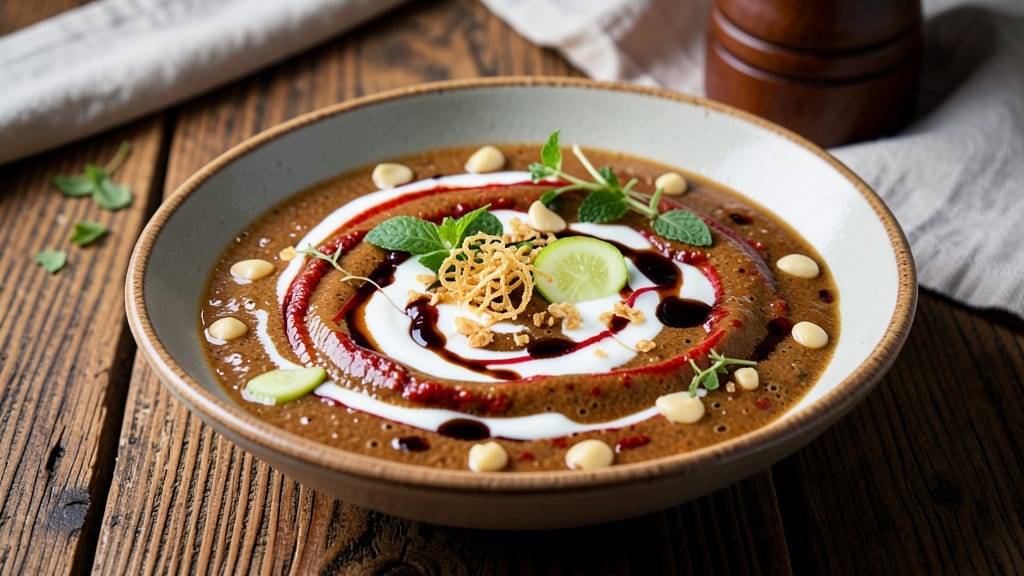
This Bali peanut sauce recipe transforms simple pantry staples into a velvety, aromatic condiment that elevates everything from stir-fries to satay. The secret lies in balancing rich peanut butter with coconut milk and a touch of sweetness, creating a sauce that’s both creamy and complex.
I’ve perfected this version over years of testing—it’s the one that finally earned rave reviews from even the most skeptical eaters.
The magic happens when you simmer garlic, ginger, and chili paste to build deep flavor before blending in the peanut butter and coconut milk. A splash of lime brightens the richness, while soy sauce and a hint of sugar create that signature nutty-sweet balance.
The result? A sauce that’s smooth enough to drizzle but sturdy enough to cling to noodles, grilled meats, or crispy spring rolls.
What sets this recipe apart is its versatility—use it as a dip for fresh spring rolls, a glaze for satay skewers, or a quick stir-fry sauce. The blend of spices (garlic, ginger, chili) adds warmth, while the peanut butter delivers that irresistible creaminess.
With just 10 minutes of active prep and 5 basic ingredients, you’ll have a restaurant-quality sauce that’s far superior to anything store-bought.
Pro tip: Adjust the thickness by adding water or coconut milk to reach your ideal consistency. For extra depth, toast the peanut butter lightly before blending—this enhances its natural aroma and flavor. Let’s get started on this crowd-pleasing condiment that’s as easy to make as it is delicious.
Ingredients for bali peanut sauce
Five pantry staples and five fresh ingredients—this sauce delivers restaurant-quality flavor.
| Ingredient | Amount | Notes |
|---|---|---|
| Natural Peanut Butter 🥜 | ½ cup | Creamy, unsweetened preferred |
| Coconut Milk 🥥 | ½ cup | Full-fat canned, well-shaken |
| Red Chili Paste 🌶️ | 1 tbsp | Or sambal oelek for heat |
| Fresh Garlic Cloves 🧄 | 3 cloves | Minced for deep flavor |
| Fresh Ginger 🌿 | 1 tbsp | Grated, not powdered |
| Soy Sauce 🍶 | 1 tbsp | Light or dark preferred |
| Lime Juice 🍋 | 1 tbsp | Freshly squeezed |
| Brown Sugar 🍯 | 1 tbsp | Or coconut sugar |
| Vegetable Oil 🫒 | 1 tbsp | For sautéing aromatics |
| Water 💧 | ¼ cup | For thinning if needed |
Peanut butter is the star, so pick natural, unsweetened—the kind with just peanuts and maybe a pinch of salt. Jif Natural or Smucker's are solid choices, but any brand works if it's just peanuts. The coconut milk? Full-fat canned (like Thai Kitchen or Goya) gives the best creaminess—skip the light version. Chili paste can be tricky; Sambal Oelek is the go-to, but any red chili paste with visible chunks will work. Fresh ginger and garlic are non-negotiable here—they build that aromatic base. I always grab the ginger at Trader Joe's; it's bright and fresh, and the garlic there is usually plump and flavorful.
No peanut butter? Almond butter or tahini work in a pinch, though the flavor will shift slightly. Short on coconut milk? Heavy cream or extra peanut butter can stand in, but the texture will be thicker. The chili paste can be swapped for 1 tsp cayenne plus 1 tsp tomato paste if you're out. For the ginger and garlic, if you've got powdered, use half the amount—but fresh is always better. The soy sauce can be tamari for gluten-free, and the brown sugar? Maple syrup or agave add depth without the caramel notes. Pro move: toast the peanut butter in a dry pan for 2 minutes before blending—it deepens the nutty aroma instantly.
This sauce keeps beautifully. Store it in a glass jar in the fridge for up to 2 weeks, or freeze for 3 months in ice cube trays for single-use portions. The flavor actually improves after a day as everything melds. For extra richness, stir in a spoonful of extra peanut butter before serving. If it thickens too much, thin with water or coconut milk. I make a double batch every time—one for immediate use, one to freeze for lazy weeknights. Perfect for drizzling, dipping, or tossing.
Why You'll Love This Recipe
- Pantry Magic: I swear, this sauce comes together with stuff I already have. The peanut butter, coconut milk, and chili paste? That’s my go-to trio for when I’m too tired to shop. Just blend, simmer, and—boom—flavor without the grocery run.
- Fiery Creamy Balance: That red chili paste packs a punch, but the coconut milk and peanut butter smooth it out into something rich and addictive. The garlic and ginger? They’re the secret—warm, bright, and impossible to resist. Honestly, I’ve made it three ways, and this combo always wins.
- Dip, Pour, Repeat: Slather it on grilled chicken, toss it with noodles, or just eat it with crackers—it works everywhere. My kids even ask for it on their PB&J (yes, really). Between us, it’s the one sauce that turns boring meals into something special without extra effort.
- Leftovers That Don’t Suck: This stuff actually tastes better the next day. I make a big batch, store it in the fridge, and use it all week—no weird textures, no sad leftovers. And because it’s mostly pantry staples, it’s cheap enough to not stress over wasting it. (My wallet thanks me.)
Step-by-step instructions for Bali peanut sauce
This creamy, aromatic sauce comes together in minutes with simple techniques.
Sauté Aromatics Until Fragrant
Heat the 1 tablespoon vegetable oil in a medium saucepan over medium heat. Add the 3 cloves fresh garlic cloves and 1 tablespoon fresh ginger (finely grated), stirring constantly for 1-2 minutes until the mixture becomes golden and fragrant. You'll smell that beautiful aroma—this is your cue that the aromatics are ready.
Watch the heat carefully—ginger and garlic burn quickly. If the mixture starts to darken too much, reduce the heat slightly. The goal is to develop flavor without burning, so keep stirring to prevent sticking. This step forms the flavor base for your entire sauce.
Add Chili Paste and Brown Sugar
Immediately stir in the 1 tablespoon red chili paste and 1 tablespoon brown sugar, cooking for another 30 seconds until the sugar begins to caramelize slightly. You'll notice the mixture darken just a bit—this adds depth to the sauce's flavor profile.
Don't skip this step—it's what gives the sauce that signature sweet-spicy balance. The chili paste provides heat, while the caramelized sugar adds complexity. If you're sensitive to spice, you can reduce the chili paste to ½ tablespoon while keeping the sugar amount the same.
Combine Wet Ingredients
Pour in the 0.5 cup coconut milk and 0.25 cup water, stirring constantly to prevent the peanut butter from seizing up. Bring the mixture to a gentle simmer over medium-low heat, then gradually whisk in the 0.5 cup natural peanut butter until completely smooth.
This is where the sauce starts to come together. If the mixture looks too thick, add 1-2 tablespoons more water to help the peanut butter incorporate fully. You want a smooth, velvety texture—keep whisking until there are no lumps remaining. The sauce should coat the back of a spoon.
Finish with Soy Sauce and Lime
Remove the sauce from heat and stir in the 1 tablespoon soy sauce and 1 tablespoon lime juice. Let it sit for 2-3 minutes to allow the flavors to meld together. Taste and adjust seasoning if needed—you might want to add a bit more lime for brightness or a touch more sugar for sweetness.
Here's the thing—this sauce tastes even better after it sits for 10-15 minutes at room temperature. The flavors continue to develop and harmonize. If you're using it immediately, that's fine, but if you can wait, the result will be richer and more balanced.
Pro Tips For Making Bali Peanut Sauce
- STIR CONSTANTLY AT FIRST: The first 3-4 minutes after adding peanut butter and coconut milk are when the sauce can split like oil and water if you’re not paying attention. Keep the heat medium-low and stir like you’re trying to win a race—this isn’t the time to check your phone.
- PEEL GINGER THINLY: I used to throw in thick chunks of ginger and wonder why the sauce tasted muted. Thinly slice it (almost like matchsticks) so it dissolves into the sauce without leaving chewy bits. If you’re lazy, grate it—but scrape off the tough skin first.
- DON’T RUSH THE CHILI PASTE: If you dump the red chili paste in all at once, you’ll end up with a bitter, raw burn. Bloom it in the oil first for 30 seconds—let those flavors wake up before adding anything else. Trust me, your taste buds will notice the difference.
- USE UNSWEETENED COCONUT MILK: The canned stuff with added sugar or salt will throw off the balance of your sauce, especially if you’re using natural peanut butter (which has no additives). Stick to 100% unsweetened—your sauce will thank you with a cleaner, richer flavor.
Common mistakes when making great bali peanut sauce
Overcooking Aromatics
One of the most common mistakes is burning the garlic and ginger during the sautéing step. When you see those beautiful golden aromatics, it’s tempting to keep going—but once they turn dark brown or black, they’ll add a bitter, burnt flavor that ruins the sauce.
I’ve learned the hard way: keep the heat at medium and stir constantly for just 1-2 minutes. If your kitchen runs hot, reduce the heat slightly. 🌡️
Skipping the Simmer
Some recipes tell you to blend everything cold, but I’ve found that simmering the coconut milk and water first is key. This step helps emulsify the peanut butter smoothly—without it, you risk ending up with a grainy, lumpy sauce.
Bring the mixture to a gentle simmer before adding the peanut butter, and whisk continuously to prevent clumping. Trust me, your sauce will thank you.
Using Low-Quality Ingredients
Not all peanut butter is created equal! Store-bought brands with added oils or sugars can make your sauce taste artificial. Stick with natural, unsweetened peanut butter like Jif Natural or Smucker’s—they’re made with just peanuts and maybe a pinch of salt.
The same goes for coconut milk: full-fat canned (like Thai Kitchen) gives the best creaminess. Cutting corners here will leave your sauce tasting flat and unbalanced.
Neglecting the Resting Time
This sauce tastes even better after it sits for 10-15 minutes at room temperature. The flavors meld and harmonize, creating a deeper, more complex taste. I know it’s tempting to dive right in, but resisting that urge makes all the difference.
If you’re in a rush, at least let it sit for 2-3 minutes after adding the soy sauce and lime—it’ll still improve.
Forgetting to Adjust Consistency
Peanut butter varies in thickness, and so does coconut milk. If your sauce turns out too thick, don’t panic—just thin it with water or coconut milk until it reaches a smooth, drizzling consistency. Conversely, if it’s too runny, simmer it for another 1-2 minutes to thicken slightly.
The ideal texture should coat the back of a spoon but still be pourable. A little patience here goes a long way! 💫
Nutrition facts
Frequently asked questions
Can I make this sauce without coconut milk?
Yes, but the texture will change. For a similar creamy consistency, substitute with ½ cup heavy cream or full-fat Greek yogurt. If you prefer a thicker sauce, use extra peanut butter (¼ cup more) and reduce the water slightly. The flavor will still be delicious, though the tropical notes from coconut will be missing.
How spicy should this peanut sauce be?
The recipe uses 1 tablespoon chili paste for mild heat—adjust to taste! For extra kick, add ½ teaspoon cayenne pepper or an extra ½ tablespoon chili paste. For a milder version, reduce to ½ tablespoon chili paste and add 1 teaspoon honey to balance. Always taste before serving!
What are the best ways to use leftover peanut sauce?
This versatile sauce keeps well for 2 weeks refrigerated or 3 months frozen. Use it as a dip for spring rolls, a glaze for grilled chicken or tofu, or a stir-fry sauce. For extra richness, stir in 1 tablespoon extra peanut butter before serving. Freeze in ice cube trays for single-use portions!
Can I make this sauce vegan?
Skip the honey and use maple syrup instead. For vegan soy sauce, choose tamari. The natural peanut butter (check for honey) and coconut milk are already plant-based. All other ingredients are vegan-friendly. The result will be just as creamy and flavorful.
Why did my sauce turn out grainy?
Graininess usually means the peanut butter didn't emulsify properly. Always simmer the coconut milk and water first, then whisk in the peanut butter gradually over low heat. If it still looks lumpy, blend with an immersion blender for 10-15 seconds. For next time, ensure all ingredients are room temperature before combining.