
Sauces & Condiments
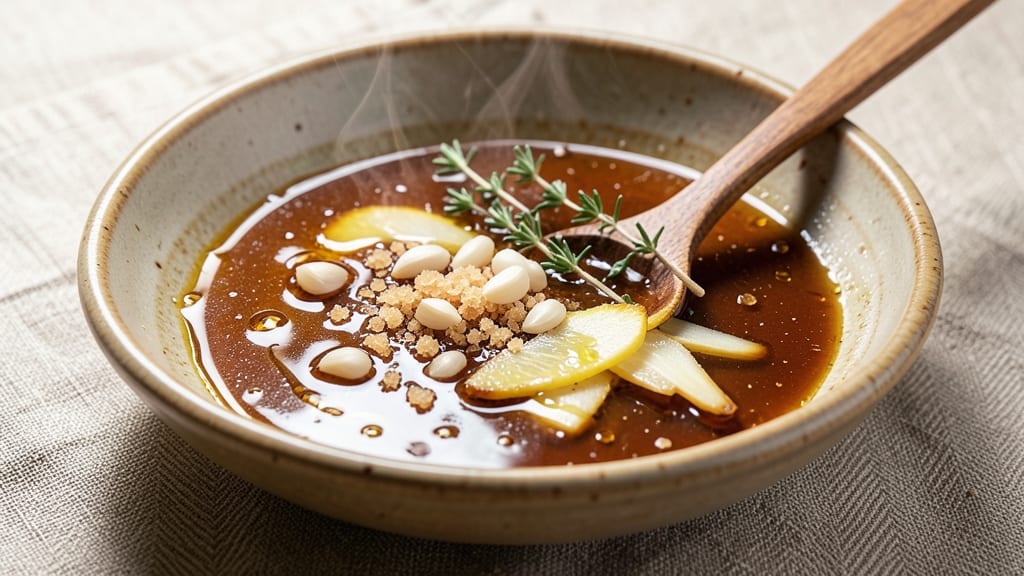
This stir fry sauce recipe with soy sauce and brown sugar transforms ordinary stir-fry dishes into restaurant-quality meals in minutes. The perfect balance of deep umami and caramelized sweetness comes together with just six simple ingredients, creating a sauce that clings beautifully to proteins and vegetables.
I developed this recipe after years of testing—it's the one that finally delivers that perfect harmony of flavors without overpowering the main dish.
The beauty of this sauce lies in its versatility and ease. You'll combine soy sauce, brown sugar, and a touch of cornstarch for that signature glossy finish, then enhance it with garlic, ginger, and a splash of rice vinegar for brightness.
The brown sugar caramelizes slightly when heated, adding layers of complexity that take your stir-fry from good to exceptional. What makes this recipe truly special is how it elevates any dish—whether you're cooking chicken, beef, shrimp, or vegetables.
What you'll achieve is a rich, aromatic sauce with a perfect balance of sweet, savory, and slightly tangy notes. The sauce thickens just enough to coat ingredients beautifully while remaining silky smooth.
It's the kind of sauce that makes your kitchen smell amazing and transforms simple weeknight meals into something that feels like a special occasion. Plus, it keeps well in the refrigerator for up to a week, making it perfect for meal prep.
This recipe works equally well for quick weeknight dinners or when you're preparing meals ahead of time. The optional variations—like adding a dash of chili paste for heat or a splash of sesame oil for depth—allow you to customize it to your taste.
Let's get started on creating this essential pantry staple that will become your go-to for stir-fry dishes.
Ingredients for stir fry sauce recipe soy sauce brown sugar
Six pantry staples create this restaurant-quality stir fry sauce in minutes.
| Ingredient | Amount | Notes |
|---|---|---|
| Light Soy Sauce 🥢 | ½ cup | Low sodium preferred for balance |
| Light Brown Sugar 🍯 | ¼ cup | Packed firmly for accuracy |
| Cornstarch 🌾 | 1 tbsp | For perfect glossy finish |
| Fresh Garlic Cloves 🧄 | 3 cloves | Minced finely for depth |
| Fresh Ginger 🌿 | 1 tbsp | Grated finely for brightness |
| Rice Vinegar 🍶 | 1 tbsp | White or seasoned variety |
| Sesame Oil 🫒 | 1 tsp | Toasted for nutty aroma |
The soy sauce is your flavor foundation—Kikkoman light soy is my go-to, but any good-quality brand works. Brown sugar matters here: muscovado or turbinado adds molasses notes if you want extra complexity. Cornstarch is non-negotiable for that signature glossy finish—don't substitute arrowroot unless you want a slightly thinner sauce. Fresh garlic and ginger? Buy them at the farmers market if you can—they've got way more punch than the grocery store stuff. The rice vinegar should smell bright and clean, not vinegary or sour.
No light soy sauce? Dark soy sauce at half the amount gives deeper color (great for presentation) but more saltiness. Brown sugar substitute? Maple syrup or honey works in a pinch, but the caramelization won't be the same. Cornstarch running low? All-purpose flour at the same amount thickens just as well. Fresh garlic or ginger not available? Powdered garlic and ginger at one-third the amount gets you close. The sesame oil is optional but adds that signature nutty aroma—skip it if you're sensitive to strong flavors.
This sauce keeps beautifully—1 week refrigerated in a sealed jar. For longer storage, freeze in ice cube trays for 3 months. I always make double batches because it disappears fast—great for meal prep. The sauce thickens as it cools, so thin with a splash of water if needed. Pro tip: Add a pinch of white pepper to the jar before sealing for extra depth in storage.
Why You'll Love This Recipe
- Five-Ingredient Magic: I swear by this combo—soy sauce, brown sugar, and a pinch of cornstarch thicken it just enough to cling to everything. No fancy techniques, just a quick simmer while you chop veggies or toss protein.
- Sweet-Savory Balance: That brown sugar caramelizes right into the sauce, cutting through the saltiness of the soy while the garlic and ginger add warmth. It’s the kind of flavor that makes you pause mid-bite, even when you’re just grabbing takeout.
- Weeknight Workhorse: I use this for stir-fries, marinades, even as a glaze for roasted chicken. Honestly, I’ve lost count of how many times I’ve pulled it out—it’s the unsung hero of my pantry, always ready when I am.
- Budget-Friendly Staple: Light soy sauce and brown sugar are cheap, and a little cornstarch stretches it further than store-bought sauces. Plus, it keeps for weeks in the fridge, so I’m not scrambling for takeout when I’m tired.
Step-by-step instructions for stir fry sauce with soy sauce and brown sugar
Here's how to make a velvety, perfectly balanced sauce that transforms any stir fry.
Combine Wet Ingredients for a Smooth Base
In a small saucepan, pour in the 0.5 cup light soy sauce and 0.25 cup packed light brown sugar. I like to use a saucepan with sloped sides—it makes stirring easier later. Place the pan over medium-low heat and let the mixture warm through for 2-3 minutes, stirring occasionally with a wooden spoon.
Watch for the brown sugar to dissolve completely—you'll see it transform from grainy to completely smooth. This step is crucial because undissolved sugar can make your sauce grainy. If you notice any sugar clinging to the bottom, add 1 tablespoon water and stir until fully incorporated. The mixture should look like a thick, amber-colored syrup at this stage.
Add Aromatics and Build Flavor Depth
Reduce the heat to low and add the 3 minced fresh garlic cloves and 1 tablespoon finely grated fresh ginger. Stir constantly for 1-2 minutes until the garlic becomes fragrant and the ginger loses its raw bite. You'll smell that irresistible garlic-ginger aroma—this is where the sauce starts developing its complex flavor profile.
Here's a pro tip: Don't let the garlic brown or burn—it should just perfume the sauce. If you see it starting to darken too quickly, immediately reduce the heat to lowest setting and keep stirring. The goal is to wake up the flavors without cooking them into oblivion. You'll know it's perfect when the sauce smells like a bustling Asian street market.
Thicken with Cornstarch for Glossy Perfection
In a small bowl, whisk together the 1 tablespoon cornstarch with 2 tablespoons cold water until completely dissolved. This creates a smooth slurry that will thicken your sauce beautifully. Pour this mixture into the saucepan with a ladle, stirring constantly to prevent lumps from forming.
Increase the heat to medium and let the sauce simmer for 3-4 minutes until it thickens to a glossy, syrupy consistency. You're looking for a sauce that coats the back of a spoon but still flows easily—like honey. If it thickens too quickly, add 1 tablespoon water to adjust the texture. The cornstarch will give your sauce that signature restaurant-quality sheen that makes every bite irresistible.
Finish with Vinegar and Sesame Oil for Brightness
Remove the saucepan from heat and stir in the 1 tablespoon rice vinegar and 1 teaspoon toasted sesame oil. The vinegar adds a bright acidity that cuts through the richness, while the sesame oil contributes that nutty, aromatic depth. Give it one final stir to combine everything perfectly.
Let the sauce rest for 5 minutes before using—this allows all the flavors to meld together. You'll notice the aroma becomes even more complex and inviting. This resting period is often overlooked but makes a world of difference in the final result. The sauce should now have that perfect balance of umami from the soy sauce, sweetness from the brown sugar, and brightness from the vinegar and sesame oil.
Adjust and Use Immediately
Taste your sauce and make any final adjustments. Need more sweetness? Add a pinch of brown sugar. Want more depth? A dash of soy sauce. The beauty of this recipe is its flexibility—you can tweak it to suit your exact taste preferences.
This sauce keeps well in the refrigerator for up to 1 week, so you can make a big batch and use it throughout the week. When you're ready to use it, simply reheat over low heat with 1 tablespoon water to restore its glossy texture. Whether you're tossing it with vegetables, drizzling it over noodles, or using it as a dipping sauce, this versatile sauce will elevate any dish to restaurant quality.
Pro Tips For Making Stir Fry Sauce Recipe Soy Sauce Brown Sugar
- Melt the Sugar Slow: Start with low heat when adding brown sugar—high heat turns it into a sticky mess that won’t dissolve. I learned this the hard way after scraping burnt caramel off my wok for the third time. Once it’s fully melted, then crank the heat for the stir-fry.
- Grate, Don’t Mince Ginger: Skip the knife for ginger—use a microplane or fine grater for this sauce. It blends smoother and releases flavor faster than chopped pieces. (Yes, even if you’re impatient like me, this makes a real difference.)
- Slurry the Cornstarch: Mix cornstarch with cold water first—just 1 tablespoon each—before adding it to the sauce. Dumping dry cornstarch into a hot pan clumps like glue. Stir it in at the end for that glossy finish.
- Toast the Garlic First: Sauté minced garlic in oil for 30 seconds until fragrant but not brown—this stops it from tasting raw in the sauce. After burning three batches, I finally figured out: timing matters more than heat.
Serving suggestions for this dish
Protein Pairings
This sauce transforms simple proteins into showstoppers. For chicken thighs, marinate them for 30 minutes before stir-frying—the sauce caramelizes beautifully on the skin. I love using bone-in, skin-on thighs for extra flavor.
For beef, try thinly sliced flank steak or sirloin—toss with the sauce after cooking for a glossy finish. Shrimp absorbs the sauce beautifully—simmer 10 minutes in the sauce before serving for maximum flavor infusion. 🍗
Vegetable Combinations
Bright, crisp vegetables balance the sauce's richness perfectly. Sauté bell peppers, broccoli, and snap peas> for 3-4 minutes until just tender-crisp. Add shredded carrots> and bok choy> for color and texture.
For a heartier dish, include mushrooms> and water chestnuts>—their earthy notes complement the sauce's sweetness. Always cook vegetables in batches to maintain their texture.
Grain and Noodle Pairings
This sauce elevates simple grains and noodles to restaurant quality. Toss with jasmine rice> or steamed cauliflower rice> for a lighter option. For noodles, try udon, ramen, or rice noodles>—simmer them in the sauce for 2-3 minutes> to coat completely.
I recommend Koyo udon noodles> for their chewy texture. For a quick meal, serve over instant ramen> (discard seasoning packet) and top with a fried egg for extra richness.
Dipping Sauce Magic
Use this sauce as a dipping sauce for spring rolls, dumplings, or egg rolls>. The perfect balance of sweet and umami makes it irresistible. For extra flavor, add 1 tsp chili paste> to the sauce before dipping.
I like to serve it warm in small bowls with toothpicks for easy dipping. It also works as a marinade for tofu>—marinate for 15 minutes> before stir-frying for a flavor-packed bite.
Breakfast Twist
Don't limit this sauce to dinner! Use it to glaze pancakes or waffles>—brush 2 tbsp sauce> on each side before serving. Top with scallions and sesame seeds> for a savory-sweet breakfast.
For a savory egg dish, scramble eggs with the sauce and serve with crispy hash browns**>. The brown sugar caramelizes beautifully on eggs, adding depth to every bite. 🍳
Nutrition facts
Frequently asked questions
Can I make this sauce without cornstarch?
Yes, but your sauce will be thinner. Replace the 1 tablespoon cornstarch with 1 teaspoon arrowroot powder for better thickening power, or use 1 tablespoon all-purpose flour mixed with 1 tablespoon water. Just remember these alternatives thicken more gradually, so simmer for 1-2 extra minutes. For a completely cornstarch-free version, simply omit it and use the sauce immediately for maximum flavor impact.
How can I adjust the sweetness level?
Start with the recipe as written, then adjust to taste. For less sweetness, reduce the brown sugar to 0.125 cup and add 0.5 teaspoon white pepper for depth. Want more sweetness? Increase to 0.375 cup brown sugar and add 1 teaspoon honey at the end. The key is balancing the sweetness with the sauce's umami from soy sauce—taste as you go!
Can I use this sauce for non-stir-fry dishes?
This versatile sauce works beautifully as a glaze for grilled meats, a marinade for tofu or chicken, or even a dipping sauce for spring rolls. For grilling, brush on 2-3 tablespoons during the last 5 minutes of cooking. As a marinade, combine with 1 tablespoon sesame oil and marinate proteins for 30-60 minutes.
Why did my sauce turn grainy?
Graininess usually means the brown sugar didn't dissolve completely. Next time, stir constantly over medium-low heat until fully smooth, or add 1 tablespoon water to help dissolve it. If it happens while cooking, whisk in 1 teaspoon cold water to break up any sugar crystals. For a quick fix, strain the sauce through a fine-mesh sieve to remove any remaining grains.
How can I make this sauce spicier?
Add 0.5-1 teaspoon chili paste or 1 teaspoon sriracha when you stir in the rice vinegar. For a smoky kick, add 0.25 teaspoon smoked paprika with the cornstarch slurry. For heat without spice, try 0.5 teaspoon ground Sichuan peppercorns (toasted first for aroma). Always start with less and adjust to taste!