
Sauces & Condiments
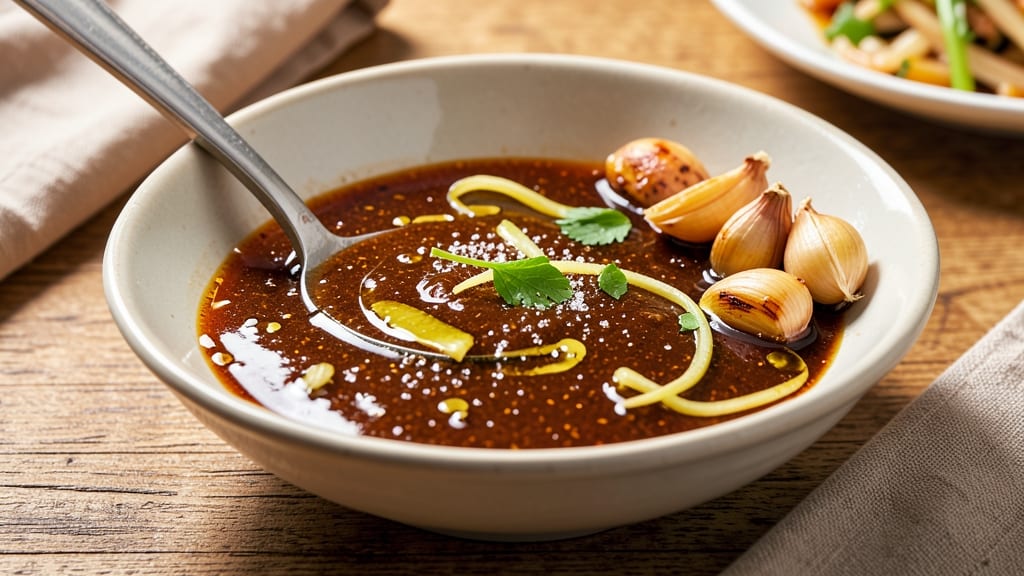
This authentic stir fry sauce recipe delivers the umami-packed balance that transforms ordinary stir-fries into restaurant-quality meals. The secret lies in precise ratios of soy sauce, ginger, garlic, and a touch of sweetness—no shortcuts, just deep, layered flavor.
I’ve perfected this sauce over years of testing, ensuring it’s salty, tangy, and just sweet enough to complement any protein or vegetable.
The magic happens in the cornstarch slurry, which thickens the sauce without losing its glossy finish. Unlike store-bought versions, this recipe builds flavor from scratch, with each ingredient playing a critical role—ginger for warmth, garlic for depth, and a splash of rice vinegar for brightness.
It’s designed to be made in minutes but tastes like it simmered for hours.
What sets this sauce apart is its versatility—use it for beef, chicken, tofu, or vegetables, and adjust the heat or sweetness to suit your taste. The sauce keeps well in the fridge for up to a week, making it perfect for meal prep.
Once you try this, you’ll never settle for bottled again.
For extra depth, toast sesame seeds or add a dash of chili paste. The key is balance, so taste as you go. Let’s make a sauce that elevates every stir-fry.
Ingredients for authentic stir fry sauce
Nine ingredients, endless flavor—this sauce turns simple stir-fries into restaurant-quality meals.
| Ingredient | Amount | Notes |
|---|---|---|
| Light Soy Sauce 🥢 | ½ cup | Kikkoman preferred for balance |
| Dark Soy Sauce 🥢 | ¼ cup | For deeper umami color |
| Rice Vinegar 🍶 | ¼ cup | Seasoned for brightness |
| Granulated Sugar 🍚 | ¼ cup | Adjust to taste |
| Fresh Ginger 🌿 | 2 tbsp | Grated, not powdered |
| Garlic Cloves 🧄 | 4 cloves | Minced for depth |
| Sesame Oil 🫒 | 1 tbsp | Toasted for aroma |
| Cornstarch 🌾 | 1 tbsp | For glossy finish |
| Water 💧 | ¼ cup | For slurry consistency |
| Red Chili Flakes 🌶️ | ½ tsp | Optional for heat |
The soy sauces are non-negotiable here. Kikkoman light and Lee Kum Kee dark are my go-tos—they’ve got that perfect balance of salt and umami. Fresh ginger and garlic? Don’t skip the fresh—powdered just won’t cut it. I grab ginger from the Asian market where it’s always bright and firm. For garlic, peel and mince right before adding—raw garlic burns easily. The sesame oil might be small in amount but adds that nutty aroma that makes the sauce sing. Toast it in a dry pan for 30 seconds first if you’re feeling fancy.
No light soy sauce? Substitute with extra dark soy—just add a pinch of sugar to balance. Rice vinegar too sour? White vinegar at half the amount works in a pinch. The cornstarch slurry is where the magic happens—mix it well to avoid clumps. Want more heat? Add a dash of chili paste instead of flakes. For extra depth, toast sesame seeds separately and sprinkle on top. The sauce is designed to be adjusted—taste as you go, that’s the secret to getting it just right every time.
This sauce keeps beautifully—1 week in the fridge sealed tight. For longer storage, freeze in ice cube trays and transfer to a bag. Thaw overnight in the fridge or microwave for 20 seconds. The flavors actually meld better after a day or two, so make extra if you can. I always double the batch—one for the stir-fry, one for noodles. The cornstarch thickens as it cools, so reheat gently on low heat, stirring constantly to restore that glossy finish.
Why You'll Love This Recipe
- Pantry Magic: I swear by this sauce because it uses things I already have—no fancy shopping trips. Light soy for saltiness, dark soy for depth, and that ginger? Just a quick grating while the wok heats up. Honestly, it’s the kind of recipe that makes me feel like I’m cooking with intention, even when I’m exhausted.
- Umami Bomb: The combo of light and dark soy sauce creates this addictive, savory punch that sticks to every noodle or veggie. Add a splash of rice vinegar, and suddenly you’ve got that perfect tang-sweet balance—like someone took all the best parts of takeout and bottled them. (Yes, even on a Tuesday night.)
- Weeknight Swiss Army: This sauce plays nice with everything—chicken, tofu, frozen stir-fry veggies, even leftover rice. I’ve used it for quick lunches, last-minute dinner guests, and even drizzled it over cold noodles when I couldn’t be bothered to cook. Between us, it’s my secret weapon for “I don’t know what I’m doing” nights.
- Budget Hero: A few cents’ worth of ingredients stretch to feed four (or more, if you’re like me and sneak extra bites). The sugar balances the acidity without costing a fortune, and the ginger adds freshness that makes it feel special—not cheap. Plus, any leftovers? Just reheat and go. No waste, all flavor.
Step-by-step instructions for authentic stir fry sauce
Here's how to balance bold flavors for that restaurant-quality sauce at home.
Toast the Aromatics for Maximum Depth
Heat a small skillet over medium heat and add the 2 tablespoons fresh ginger and 4 cloves garlic cloves (minced). Cook for 1-2 minutes until you smell that fragrant, toasted aroma—this is where the real flavor magic happens. The ginger should look slightly softened and the garlic should be golden around the edges, not browned.
Here's the thing—don't walk away. Ginger burns faster than you think, and once it's browned, it turns bitter. Keep your eye on it and stir occasionally. Once fragrant, immediately transfer the aromatics to a bowl and set aside. You'll use them in the next step, but they need to cool slightly first.
Combine Wet Ingredients for the Base
In a medium saucepan, whisk together the 0.5 cup light soy sauce, 0.25 cup dark soy sauce, 0.25 cup rice vinegar, and 0.25 cup granulated sugar over medium-low heat. Bring to a gentle simmer, stirring constantly to dissolve the sugar completely—you should see it disappear into the liquid within 2-3 minutes.
This is your flavor foundation. The dark soy sauce will give you that beautiful mahogany color while adding depth, and the light soy sauce provides the salty backbone. Let it simmer for 3-4 minutes until the mixture reduces slightly and becomes syrupy. You're looking for a consistency that coats the back of a spoon but isn't thick enough to stick.
Build the Sauce with Aromatics and Heat
Add the toasted ginger and garlic to the saucepan along with the 1 tablespoon sesame oil. Stir well to combine, letting the aromatics infuse for 1 minute. Then add the 0.5 teaspoon red chili flakes (if using) and stir again. The chili flakes will give you just a hint of heat without overpowering the other flavors.
I know it seems like a lot of liquid right now, but don't worry—we're about to thicken this up. Taste the sauce at this point. It should be tangy, slightly sweet, and umami-rich. If it needs more depth, add a splash more of the dark soy sauce. If it's too sharp, a pinch more sugar will balance it.
Thicken to Perfect Sauce Consistency
In a small bowl, whisk together the 1 tablespoon cornstarch and 0.25 cup water until smooth. This is your slurry, and it's what will give your sauce that glossy, clingy finish. Slowly pour the slurry into the saucepan while stirring constantly over medium heat.
Watch carefully as the sauce begins to thicken—it should take about 2-3 minutes to reach that perfect consistency where it coats the back of a spoon but isn't gluey. If it thickens too quickly, add a splash more water to loosen it. You want a sauce that's glossy and coats proteins beautifully without being too thick.
Finish and Adjust for Balance
Remove the sauce from heat and let it cool for 2-3 minutes. This resting period allows the flavors to meld together perfectly. Taste again and make any final adjustments—maybe it needs a touch more sugar to balance the acidity, or perhaps a splash more rice vinegar for brightness.
Real talk: The sauce should be complex but harmonious. You should taste the umami from the soy sauces, the brightness from the vinegar, the sweetness from the sugar, and the aromatic depth from the ginger and garlic. If you added chili flakes, there should be just a hint of heat that lingers without dominating. Once you've got it just right, transfer to a clean jar and let it cool completely before storing.
Pro Tips For Making Authentic Stir Fry Sauce
- Grate Ginger Fine: Use the smallest holes on your grater—this way, the ginger dissolves completely into the sauce instead of sitting as chunks or clinging to the back of your spoon. I learned this the hard way after tasting a sauce where I’d just minced it roughly, and let me tell you, the texture was all wrong.
- Heat the Sauce: Warm the sauce on low heat for 30 seconds after mixing—just enough to meld the flavors without boiling. Cold sauce tastes flat, and skipping this step means you’re missing out on that deep, cohesive umami punch. (Yes, even if you’re impatient like me.)
- Balance the Vinegar: Taste as you go, but don’t overcorrect with vinegar—start with half the amount listed and adjust. Too much acid kills the soy’s richness, and you’ll end up with a sauce that tastes like it needs more sugar to fix it. (Your future self will thank you.)
- Swap Dark Soy Last: Add dark soy sauce right at the end—it’s thicker and can clump if mixed in too early. A splash of light soy first builds the base, and then the dark soy adds that signature glossy sheen and depth. Sounds weird, but it works.
Flavor customization for this recipe
Spicy Kick Variations
For those who love heat, swap the ½ teaspoon red chili flakes for 1 teaspoon gochujang (Korean chili paste) or 1 tablespoon sambal oelek. These add layers of smoky, fermented heat that pair beautifully with the sauce’s umami base.
I like to toast 1 teaspoon black peppercorns in the same skillet as the ginger and garlic—their earthy warmth balances the spice perfectly. 🌶️
Sweet and Nutty Twist
Add 1 tablespoon honey or agave syrup to the sugar for a caramelized depth, then finish with 1 teaspoon toasted sesame seeds and a splash of mirin. This version works amazingly with teriyaki-glazed chicken or sweet potatoes.
For extra richness, stir in ½ teaspoon grated fresh ginger after cooking—it enhances the nutty notes without overpowering.
Tangy and Herby Refresh
Boost brightness with an extra 1 tablespoon rice vinegar and fold in 1 tablespoon chopped cilantro or Thai basil at the end. This lighter version pairs well with shrimp or summer vegetables like bell peppers and snap peas.
For a citrusy twist, add zest from 1 lime while the sauce is still warm—it brightens the entire dish. ✨
Umami Bomb Upgrade
For deeper savory notes, add 1 tablespoon fish sauce or ½ teaspoon MSG (optional) to the wet ingredients. If you’re vegetarian, use 1 tablespoon soy sauce substitute like mushroom powder.
This version is perfect for hearty stir-fries with mushrooms or tofu. I also love adding 1 teaspoon toasted shallots for a subtle oniony depth that elevates the sauce’s complexity.
Low-Sodium Adaptation
Reduce the soy sauces to ¼ cup light soy sauce total and replace the rest with ¼ cup coconut aminos. Add ½ teaspoon kelp powder for umami without extra sodium.
This version is great for health-conscious eaters but still delivers bold flavor. Balance the tang with an extra ½ teaspoon sugar if needed—it keeps the sauce from tasting flat.
Sweet and Smoky Fusion
Swap half the rice vinegar for ½ cup apple cider vinegar and add ½ teaspoon smoked paprika to the cornstarch slurry. This smoky-sweet sauce is a game-changer for pulled pork stir-fries or grilled chicken.
For extra depth, stir in 1 teaspoon maple syrup at the end—it caramelizes slightly when reheated, adding a rich, almost barbecue-like quality. 🔥
Nutrition facts
Frequently asked questions
Can I make this stir fry sauce without cornstarch?
Yes! For a gluten-free version, substitute the cornstarch slurry with 1 tablespoon arrowroot powder mixed with 0.25 cup water. If you prefer no thickener at all, simply reduce the sauce longer (about 10-15 minutes) on low heat, stirring constantly, until it reaches your desired consistency. The sauce will be thinner but still flavorful.
How do I adjust the sweetness level?
The recipe uses 0.25 cup sugar as a baseline, but you can adjust it to taste. For less sweetness, reduce by 1 tablespoon increments. For more caramelized depth, increase by 1 tablespoon and add 1 teaspoon honey at the end. Taste after simmering the wet ingredients—this is when you can best gauge the balance before thickening.
Can I use this sauce for non-stir-fry dishes?
This versatile sauce works perfectly for glazing grilled meats, marinating tofu or chicken, or even drizzling over noodles or rice dishes. For extra richness, reduce the sauce by half before using as a glaze. The cornstarch slurry ensures it clings beautifully to proteins and absorbs into grains.
Why did my sauce turn out too salty?
This usually happens when using low-sodium soy sauces or adding extra dark soy sauce (which is saltier). To fix it, add 1-2 tablespoons water and 1 teaspoon sugar to balance the saltiness. For prevention, taste the sauce after combining all wet ingredients but before adding the slurry—this is your best chance to adjust before it thickens.
How long does homemade stir fry sauce last?
This sauce keeps for 1 week in the fridge in an airtight container. For longer storage, freeze in ice cube trays—thaw overnight in the fridge or microwave for 20 seconds to restore consistency. The flavors actually improve after 24 hours as the ingredients meld together.