
Sauces & Condiments
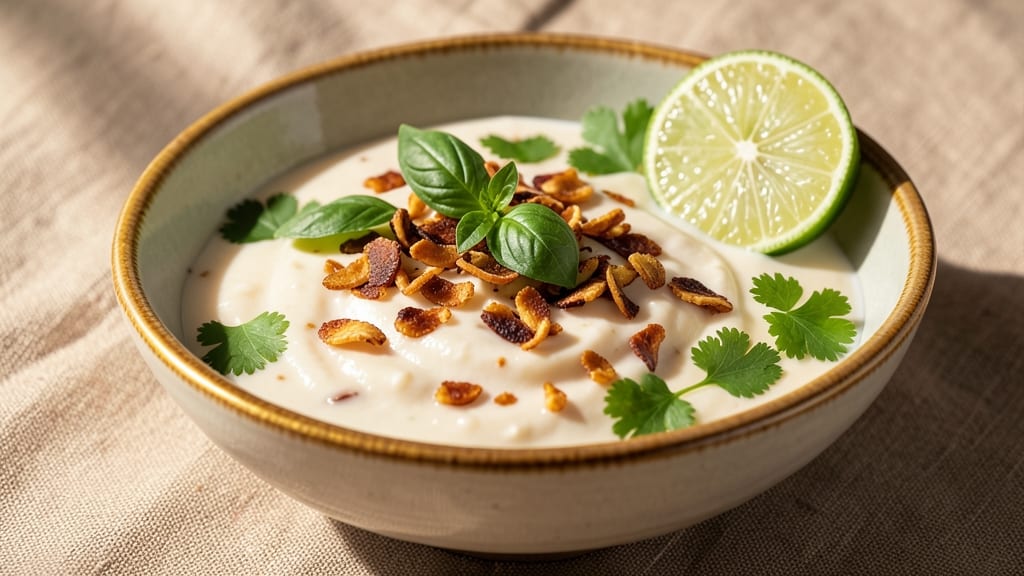
This coconut chicken dipping sauce transforms ordinary meals into something extraordinary with its perfect balance of creamy richness and bright tang.
The secret lies in toasted coconut flakes that add depth, while lime juice and fresh herbs cut through the richness for a sauce that's as versatile as it is delicious.
I developed this recipe after years of experimenting with coconut-based sauces, and it's now my go-to for everything from grilled chicken to spring rolls.
The foundation of this sauce is simple yet powerful—coconut milk provides the creamy base, while lime juice and a touch of garlic bring the tangy brightness that keeps it from being too heavy.
Toasted coconut flakes aren't just for garnish; they infuse the sauce with a nutty, caramelized flavor that elevates every bite. The blend of fresh herbs like cilantro and basil adds freshness, ensuring this sauce is anything but one-dimensional.
What makes this sauce truly special is its ability to enhance any dish it touches. Whether you're dipping crispy spring rolls, drizzling over grilled chicken, or serving with fresh vegetables, it adds a layer of complexity that turns simple meals into something memorable.
The texture is smooth yet slightly thickened, perfect for dipping or drizzling, and it stays fresh in the refrigerator for up to a week.
Ready in just 15 minutes, this sauce requires minimal effort but delivers maximum flavor. The ingredients are simple—coconut milk, lime, herbs, and a touch of spice—but the result is a sophisticated, restaurant-quality accompaniment that will have everyone asking for the recipe.
Let's make this sauce and take your meals to the next level.
Ingredients for coconut chicken dipping sauce
Simple ingredients that pack a punch—creamy, tangy, and full of toasted coconut flavor.
| Ingredient | Amount | Notes |
|---|---|---|
| Coconut Milk 🥥 | 1 cup | Full-fat for creaminess |
| Unsweetened Coconut Flakes 🥥 | ½ cup | Toasted until golden |
| Fresh Lime Juice 🍋 | ¼ cup | Strained, no pulp |
| Fresh Garlic Cloves 🧄 | 3 cloves | Minced for depth |
| Fresh Cilantro Leaves 🌿 | ¼ cup | Stems removed, chopped |
| Fresh Basil Leaves 🌿 | ¼ cup | Packed, torn |
| Extra-Virgin Olive Oil 🫒 | 2 tbsp | For richness |
| Red Curry Paste 🌶️ | 1 tbsp | For subtle heat |
| Sea Salt 🧂 | ½ tsp | Fine grain preferred |
| Black Pepper 🌶️ | ¼ tsp | Freshly ground |
The coconut milk is the heart of this sauce—full-fat for that luscious texture. I always grab Thai Kitchen brand from the international aisle, but any canned coconut milk with no additives works. Toasting the coconut flakes is key (just 3-4 minutes in a dry pan until golden)—skip this step and you're missing out on that nutty depth. Fresh herbs are non-negotiable here; the cilantro adds brightness while the basil brings that fresh, slightly sweet note. If you're using dried herbs, cut the amount to one-third of what's listed.
No fresh lime? Bottled lime juice works in a pinch, but you'll lose some of that bright zing. The curry paste adds warmth without overpowering—Maesri or Thai Kitchen brands are my go-tos, but any good-quality red curry paste will do. For extra richness, swap the olive oil for toasted sesame oil (use half the amount). The garlic can be roasted for a mellow sweetness if you prefer, but raw minced gives that classic punch. Want it spicier? Add a pinch of red pepper flakes or a dash of hot sauce.
This sauce keeps beautifully—up to 1 week in the fridge if stored in an airtight jar with a thin layer of olive oil on top. The coconut flakes will separate, so give it a quick stir before using. For longer storage, freeze in ice cube trays—perfect for single servings. I like to make a double batch and keep one in the freezer for those times when I'm craving that tangy coconut flavor without the effort. The texture thickens slightly when chilled, so thin with a splash of coconut milk if needed.
Why You'll Love This Recipe
- I swear by this trick: just toast the coconut flakes in a dry pan until golden, then stir them into warm coconut milk—no pulsing, no fuss. That toasty crunch cuts through the richness, and honestly? It’s the secret to a sauce that tastes restaurant-worthy without the effort.
- No Blender Needed: I swear by this trick: just toast the coconut flakes in a dry pan until golden, then stir them into warm coconut milk—no pulsing, no fuss. That toasty crunch cuts through the richness, and honestly? It’s the secret to a sauce that tastes restaurant-worthy without the effort.
- Tangy Garlic Kiss: Between us, the lime juice and raw garlic are the stars here. The garlic gets a quick sear in the pan (yes, just 30 seconds), so it’s fragrant but not overpowering, and the lime brightens everything up. It’s the kind of balance that makes you reach for seconds without even thinking.
- Game for Any Meal: This sauce turns grilled chicken into a main event, but I’ve also drizzled it over cold noodles, used it as a marinade for shrimp, and even slathered it on rice paper wraps. My roommate’s a picky eater? He’ll eat this with fries. (Yes, even on a Tuesday night.)
Step-by-step instructions for creamy coconut chicken dipping sauce
Here's how to blend rich coconut flavors with bright citrus for the perfect dipping companion.
Toast the Coconut Flakes for Nutty Depth
In a dry skillet over medium heat, toast the 0.5 cup unsweetened coconut flakes for 3-4 minutes until they turn a beautiful golden brown and release an intoxicating aroma. Stir constantly to prevent burning—you want them fragrant but not dark. Let them cool completely before using, as warm coconut releases moisture that can thin your sauce prematurely.
This toasting step transforms ordinary coconut flakes into flavor bombs. The nutty aroma will carry through your entire sauce, giving it that restaurant-quality depth. If you're impatient, you can toast them in the microwave for 1-2 minutes in 30-second bursts, stirring between each interval, but skillet toasting gives better control over the color.
Bloom the Curry Paste and Sauté Aromatics
Heat the 2 tablespoons extra-virgin olive oil in a saucepan over medium-low heat. Add the 1 tablespoon red curry paste and stir for 1 minute until it becomes fragrant and slightly darkened—this process called "blooming" releases all the aromatic oils. Add the 3 minced garlic cloves and cook for another 30 seconds until just golden, being careful not to let them brown.
The curry paste contains chili peppers that can burn easily, so keep the heat gentle. You'll know it's ready when the mixture smells like a warm spice market. If you notice any raw garlic flavor remaining, cook it just a few seconds longer—this ensures your sauce develops that complex, layered flavor we're after.
Combine Wet Ingredients for Creamy Base
Pour in the 1 cup coconut milk and 0.25 cup fresh lime juice, stirring constantly to combine. Let the mixture simmer gently over medium-low heat for 5 minutes until it slightly thickens and small bubbles form around the edges. The sauce should coat the back of a spoon but still be pourable—this is the perfect consistency for dipping.
Here's where the magic happens: the coconut milk's richness meets the lime's acidity, creating that perfect tangy-creamy balance. If you notice the sauce separating, whisk vigorously for 30 seconds to re-emulsify. This is completely normal with coconut milk—just keep stirring until smooth again.
Finish with Herbs and Seasonings
Remove the saucepan from heat and stir in the 0.25 cup chopped cilantro leaves, 0.25 cup torn basil leaves, and the toasted 0.5 cup coconut flakes. Season with the 0.5 teaspoon sea salt and 0.25 teaspoon black pepper, tasting as you go. The herbs should be finely distributed but still visible—this adds both texture and freshness to each bite.
Let the sauce sit for 5 minutes before serving, as this allows all the flavors to meld together. The coconut flakes will soften slightly but maintain their texture, giving your sauce that delightful contrast between creamy and crunchy. For extra richness, you can stir in 1 teaspoon of honey or 1 tablespoon of coconut cream at the end, but the original recipe is perfectly balanced as is.
Pro Tips For Making Coconut Chicken Dipping Sauce
- Simmer, Don’t Boil: Coconut milk curdles faster than you’d think when it hits heat. Keep the sauce at a gentle simmer—tiny bubbles breaking the surface, not a rolling boil—and stir occasionally. I learned this after one batch turned into a greasy, separated mess that looked like it had been through a blender fight.
- Toast Coconut Flakes: Dry-toast your unsweetened coconut flakes in a separate pan for 2-3 minutes until golden and fragrant. This adds depth the raw flakes can’t match. Yes, it’s an extra step, but the nutty crunch and aroma make the whole sauce taste like it was made by someone who actually likes their food.
- Zest the Lime: Toss in a teaspoon of lime zest with the juice—it’s the difference between bright and flat. The zest dissolves into the sauce, giving it a citrusy lift that cuts through the richness. (And no, you can’t just use more juice—trust me, I tried.)
- Blend Garlic with Ice: Freeze your garlic cloves for 10 minutes first, then blend them with a splash of coconut milk before adding to the sauce. This keeps the garlic from turning bitter and ensures a silky texture. Sounds weird, but it works—your sauce will taste smoother, and you’ll avoid that "overcooked garlic" aftertaste.
Flavor customization for coconut chicken dipping sauce
Sweet Heat Twist
Add 1 tbsp honey or 1 tbsp agave along with the lime juice to create a sweet-tangy balance that pairs perfectly with spicy dishes. For extra heat, stir in ½ tsp chili flakes or 1 tsp sambal oelek—I love this combo with grilled chicken wings.
The sweetness mellows the coconut's richness while the heat keeps it exciting. 🌶️
Citrus Variations
Swap lime for lemon juice (use same amount) for a brighter, slightly sharper flavor that works beautifully with seafood or shrimp. For a tropical twist, blend in 2 tbsp orange juice and a pinch of grated orange zest—this version feels like a vacation in a bowl.
The orange's natural sweetness enhances the coconut's creaminess.
Herb Swaps
Need a different herb profile? Replace cilantro with 0.25 cup fresh mint for a Middle Eastern-inspired sauce, or use 0.25 cup Thai basil for deeper anise notes.
For a Mediterranean touch, swap basil for 0.25 cup parsley and add 1 tsp dried oregano. Each herb brings a completely different personality to the sauce.
Spice Level Control
Adjust the heat to your preference: For mild, stick with the 1 tbsp red curry paste. For medium heat, add ½ tsp cayenne pepper or 1 tsp sriracha. For fiery versions, increase to 1 tbsp curry paste + 1 tsp gochujang.
I recommend making a small batch with extra spice—you can always dilute it with more coconut milk later.
Texture Adjustments
Want a smoother sauce? Blend the finished mixture for 10-15 seconds to create a silky consistency perfect for drizzling. Prefer texture? Fold in 2 tbsp crushed peanuts or 1 tbsp toasted sesame seeds at the end for crunch. The peanut version works amazingly with Vietnamese summer rolls.
Flavor Layering
For depth, add 1 tsp fish sauce (trust me, it balances beautifully) or 1 tsp soy sauce for umami richness. For a smoky note, stir in ½ tsp smoked paprika or a dash of liquid smoke.
These additions transform your sauce from basic to restaurant-quality in seconds. The fish sauce is particularly magical—it enhances all the other flavors without overpowering. ✨
Nutrition facts
Frequently asked questions
Can I make this sauce without fresh herbs?
Yes, but the flavor will be less vibrant. Use 1 tablespoon dried cilantro and 1 tablespoon dried basil instead, but reduce the amount by one-third. For extra depth, add ½ teaspoon dried lemongrass or ¼ teaspoon ground coriander to mimic the fresh herb profile. The toasted coconut flakes will still provide that nutty base, but fresh herbs are key for brightness.
How do I adjust the thickness of the sauce?
If the sauce is too thick, thin it with 1-2 tablespoons of coconut milk or warm water, stirring until smooth. For a thicker texture, simmer the sauce uncovered for 2-3 extra minutes to reduce the liquid. Remember, coconut milk thickens as it cools, so adjust right before serving. The ideal consistency should coat the back of a spoon but still be pourable.
What are the best dishes to pair with this sauce?
This sauce shines with grilled or roasted chicken, but it's equally delicious with spring rolls, fried dumplings, shrimp skewers, or even crispy tofu. For a complete meal, serve it with steamed jasmine rice and a simple green salad. The creamy texture makes it perfect for dipping, while the tangy brightness balances rich or fried foods beautifully.
Can I make this sauce ahead of time?
Store it in an airtight container in the refrigerator for up to 1 week. The coconut flakes may separate, so give it a quick stir before using. For longer storage, freeze in ice cube trays—thaw overnight in the fridge. To refresh the texture, whisk in 1 tablespoon of coconut milk before serving. The flavors actually improve as they meld together over time.
Why did my sauce separate?
Coconut milk naturally separates when exposed to heat or acid (like lime juice). Simply whisk vigorously for 30 seconds to re-emulsify. If it keeps separating, blend the sauce for 10-15 seconds to create a silky texture. For prevention, add ½ teaspoon of cornstarch mixed with 1 tablespoon water at the end and simmer for 1 minute to stabilize the mixture.