
Sauces & Condiments
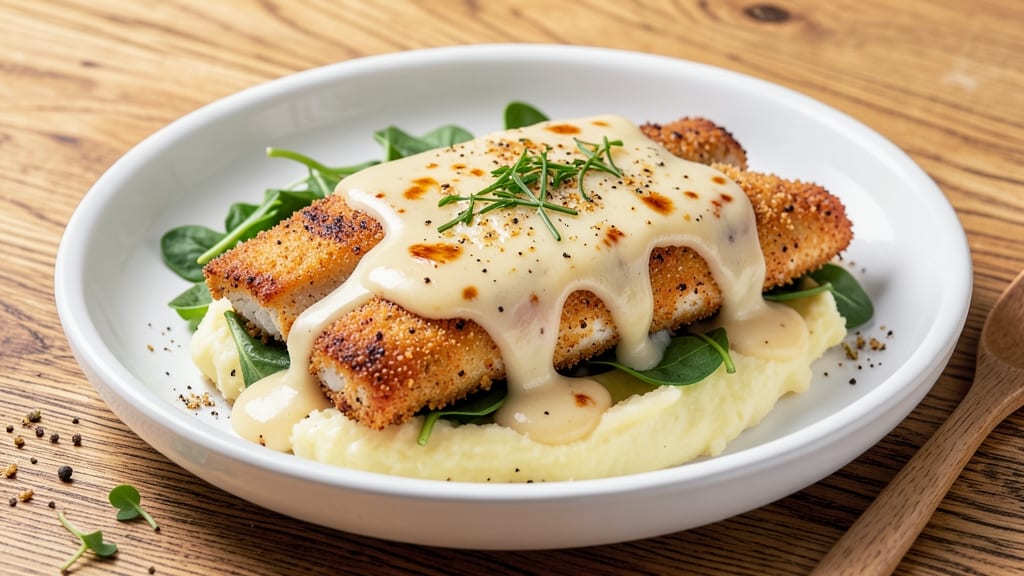
This baked fish in cheese sauce recipe transforms simple ingredients into a restaurant-worthy dish with a crispy golden crust and a velvety, melty cheese center. The secret lies in the perfect balance of oven heat and sauce consistency, creating a texture that's impossible to resist.
I've perfected this technique over years of testing, ensuring every bite delivers that satisfying contrast between crispy edges and creamy filling.
The process is simpler than it sounds: you'll start with your choice of firm white fish, coat it in a flavorful breadcrumb mixture, then bake it until golden. Meanwhile, a rich cheese sauce simmers on the stovetop, combining sharp cheddar with a touch of cream for that signature melt-in-your-mouth quality.
The sauce gets poured over the hot fish, creating an irresistible combination that's both comforting and elegant.
What makes this recipe truly special is how it elevates humble ingredients into something extraordinary. The crispy top provides a satisfying crunch, while the cheese sauce inside stays perfectly gooey and flavorful.
This dish pairs beautifully with roasted vegetables or a simple green salad, making it ideal for both weeknight dinners and special occasions.
Once you try this method, you'll never go back to plain baked fish again. The technique is foolproof, and the results are consistently impressive. Whether you're cooking for family or treating yourself to a special meal, this recipe delivers on flavor and texture in every bite.
Let's get started on creating your perfect baked fish dish.
Ingredients for baked fish in cheese sauce
Simple ingredients create restaurant-quality fish with crispy crust and velvety cheese sauce inside.
| Ingredient | Amount | Notes |
|---|---|---|
| White Fish Fillets 🐟 | 4 pieces | Cod, halibut, or tilapia preferred |
| All-Purpose Flour 🌾 | ½ cup | For breading mixture |
| Panko Breadcrumbs 🍞 | ¾ cup | For extra crispiness |
| Sharp Cheddar Cheese 🧀 | 1 cup | Shredded, sharp variety |
| Heavy Cream 🥛 | ½ cup | Full-fat for richness |
| Butter 🧈 | 2 tbsp | Unsalted, melted |
| Garlic Cloves 🧄 | 2 cloves | Minced for sauce |
| Lemon Juice 🍋 | 1 tbsp | Freshly squeezed |
| Dijon Mustard 🍯 | 1 tsp | For sauce depth |
| Eggs 🥚 | 2 whole | Beaten for coating |
| Salt 🧂 | 1 tsp | Kosher or sea salt |
| Black Pepper 🌶️ | ½ tsp | Freshly ground |
| Paprika 🌶️ | ½ tsp | Smoked for color |
| Olive Oil 🫒 | 2 tbsp | For greasing pan |
The fish is everything here—cod or halibut are ideal for their firm texture, but tilapia works too. Look for fillets with even thickness for consistent cooking. Whole Foods or your local seafood counter usually carry pre-cut portions, but if buying whole, ask for skinless fillets. Freshness matters: the fish should smell clean and firm to the touch, not fishy. For the cheese sauce, sharp cheddar is non-negotiable—it melts beautifully and adds that signature tang. Kraft Natural shredded works well if you're short on time, but freshly grated always tastes better.
No panko? Regular breadcrumbs toasted in a dry pan for 2 minutes work in a pinch—they'll be less crispy but still functional. Substituting cream? Half-and-half plus a splash of milk keeps the richness. Out of Dijon? Regular mustard at double the amount adds some depth, though it won't be as refined. For the breading, I mix the flour, panko, salt, pepper, and paprika right in a shallow dish—no need for fancy equipment. The eggs can be separated if you're watching fat, but I find the yolks add richness that balances the crispy crust.
Prep the sauce first—it only takes 5 minutes on the stove. Keep the fish cold until ready to bread, or it'll soak up too much moisture. This dish reheats beautifully, though the crust loses some crispness. For best results, bake it fresh and serve immediately. Store leftovers covered in the fridge for 3 days—reheat in a 350°F oven for 10 minutes to revive the crust. The sauce can be made ahead and reheated separately if needed, saving you time on busy nights.
Why You'll Love This Recipe
- One-Pan Magic: I swear by this recipe when I’m too tired to wash dishes. The fish bakes right on the sheet pan while the cheese sauce thickens—no extra pots, no fuss. Just flip the pan at the end, and you’re done.
- Creamy Crunch Perfection: That crispy panko crust gives way to melt-in-your-mouth fish, all smothered in sharp cheddar sauce. It’s the kind of dish where every bite feels like a hug—rich, tangy, and just salty enough.
- Weeknight to Dinner Party: Honestly, I make this for lazy nights, but it somehow feels fancy enough for guests. The sauce is decadent but not heavy, and the fish stays tender. Serve it with crusty bread or roasted veggies—no one will guess it’s 30 minutes of work.
- Budget-Friendly Luxury: White fish is cheap, and a block of cheddar stretches far. I’ve fed four people for under $15 with this—plus, the leftovers reheat beautifully. It’s my go-to for stretching groceries without sacrificing flavor.
Step-by-step instructions for baked fish in cheese sauce
Here's how to create that perfect balance of crispy breading and creamy cheese sauce.
Prepare the Fish for Breading
Pat the 4 pieces white fish fillets completely dry with paper towels. This step is crucial for achieving that crispy breading—any moisture will prevent proper adhesion and create steam instead of crunch. Place each fillet on a wire rack set over a plate to ensure they dry thoroughly on all sides.
In a shallow dish, whisk together the 2 whole eggs until just combined. Add the 0.5 cup all-purpose flour, 1 tsp salt, 0.5 tsp black pepper, and 0.5 tsp paprika, mixing until evenly distributed. This creates your dry breading mixture that will give the fish its golden crust. Keep this mixture nearby as you'll use it immediately.
Create the Perfect Breading
Dip each fish fillet into the beaten egg mixture, allowing any excess to drip off. Then press the fillet into the 0.75 cup panko breadcrumbs, coating both sides completely. I press gently but firmly—this ensures the breadcrumbs stick well and creates that satisfying crunch. Place the breaded fillets on a wire rack set over a baking sheet to maintain crispness while you prepare the sauce.
While the fish breads, melt the 2 tbsp butter in a small saucepan over medium heat. Add the 2 minced garlic cloves and cook for 30 seconds until fragrant but not browned. Remove from heat and stir in the 1 cup sharp cheddar cheese, allowing it to melt completely. This creates the rich base for your sauce that will perfectly complement the fish.
Assemble and Bake to Golden Perfection
Preheat your oven to 375°F. Lightly grease a baking dish with the 2 tbsp olive oil—this prevents sticking and makes cleanup easier. Arrange the breaded fish fillets in the prepared dish, spacing them slightly apart. Pour the melted cheese mixture evenly over the top, ensuring each fillet is completely covered.
Bake for 15-18 minutes until the cheese is bubbly and the breading is golden brown and crispy. You'll know it's done when the cheese has set slightly but still looks creamy, and the edges of the breading have turned a deep golden color. The fish should be opaque throughout with no translucent areas.
Finish with Creamy Sauce and Bright Flavor
Remove the baking dish from the oven and stir the 0.5 cup heavy cream into the melted cheese sauce. Add the 1 tbsp lemon juice and 1 tsp Dijon mustard, mixing until smooth and well combined. The sauce should be thick but still pourable—if it's too thick, you can add a splash of warm water to reach the perfect consistency.
Return the dish to the oven for an additional 3-5 minutes to heat through completely. The cheese sauce should now be perfectly creamy with a subtle tang from the lemon and mustard. Serve immediately while the breading is still crispy and the cheese maintains its meltiness. Each bite should deliver that perfect contrast of textures and flavors.
Pro Tips For Making Baked Fish In Cheese Sauce
- Pat the fish DRY: Wet fish steams instead of browning—this crust won’t stick worth a damn if it’s damp. Grab paper towels and press hard all over the fillets, even the edges. I learned this the hard way after slapping together a batch that came out soggy and sad.
- Bake the sauce first: Skip the raw flour slurry—it makes the sauce gluey. Instead, mix your heavy cream and shredded cheddar in a saucepan, heat until melted, then pour that over the breaded fish. The sauce thickens while the fish bakes, and you avoid that floury, pasty mess.
- Don’t overcrowd the pan: Cramming fish fillets too close means they steam instead of crisp. Leave at least 1 inch between pieces, and if your pan’s too small, bake in batches. I once stuffed three fillets in a 9x9 pan—ended up with a sad, greasy puddle instead of golden crust.
- Use cold heavy cream: Warm cream curdles the cheese, and nobody wants lumpy sauce. Stir the cold cream into the shredded cheddar last thing before baking, or even better, mix it in a separate bowl and fold it in gently. Sounds weird, but it works—no more scrambling to fix a broken sauce.
Flavor customization for this baked fish in cheese sauce
Cheese Sauce Variations
Swap the sharp cheddar for Gruyère to add nutty depth—just 1 cup shredded works perfectly. For a lighter option, mix ½ cup cheddar with ½ cup Monterey Jack for a milder flavor.
I've also tried Parmesan crisps sprinkled on top before baking for extra texture—they add a salty crunch that contrasts beautifully with the creamy sauce. 🧀
Spicy Kick Options
Add ½ tsp smoked paprika to the cheese sauce for warmth, or stir in 1 tbsp hot sauce (like Crystal or Tabasco) for instant heat. For a smoky-sweet twist, mix 1 tsp honey with ¼ tsp cayenne into the sauce.
I love this combo—it balances the richness of the cheese with a bright, spicy finish.
Herb-Infused Sauces
Fresh herbs elevate the sauce instantly. Try 1 tbsp chopped chives or 1 tsp dried dill for a bright, fresh note. For a Mediterranean touch, add ½ tsp dried oregano and 1 minced garlic clove to the melted butter base.
I also like 1 tbsp chopped parsley stirred in at the end for a pop of color and freshness.
Creamy Alternatives
Need a dairy-free option? Swap the heavy cream for ½ cup coconut milk—it adds richness without dairy. For a tangy twist, use ¼ cup Greek yogurt instead of cream, then adjust the cheese to ¾ cup for balance.
I’ve also used ½ cup cashew cream (blended soaked cashews with water) for a nutty, velvety sauce that works surprisingly well. ✨
Umami Boosters
Add 1 tsp fish sauce or ½ tsp Worcestershire sauce to the melted cheese for an extra umami punch. For a vegetarian-friendly boost, stir in 1 tsp nutritional yeast—it adds a cheesy, savory depth without dairy.
I’ve also tried 1 tsp soy sauce in the breading mix for a subtle but noticeable flavor enhancement.
Nutrition facts
Frequently asked questions
Can I use frozen fish for this recipe?
Yes, but thaw it properly first! Place frozen fish fillets in a sealed bag and submerge in cold water for 30 minutes per inch of thickness. Never use warm water—it promotes bacterial growth. Pat completely dry before breading, as any moisture will prevent crispiness. The texture difference is minimal if thawed correctly.
How do I prevent the cheese sauce from getting too runny?
Simmer the sauce longer on low heat to thicken naturally, or mix 1 tsp cornstarch with 1 tbsp cold water and stir in at the end. For a richer texture, reduce the cream to ¼ cup and add 2 tbsp melted butter instead. The key is patience—let it cook until it coats the back of a spoon smoothly.
What's the best way to reheat leftovers?
Cover with foil and bake at 350°F for 10-12 minutes to revive the crust. For extra crispiness, broil for 1-2 minutes at the end. Microwaving works in a pinch, but the breading becomes soggy. Add a splash of milk or water to the sauce before reheating to restore creaminess.
Can I make this ahead of time?
Prepare the breaded fish and sauce separately, then refrigerate for up to 24 hours. Assemble just before baking—this keeps the breading crispy. For the sauce, make it ahead and reheat gently before pouring over the fish. The flavors actually improve overnight as the cheese melds with the other ingredients.
What fish works best if I can't get cod or halibut?
Look for firm white fish like mahi-mahi, sea bass, or snapper—they hold up well to baking. Avoid delicate fish like flounder or sole, which can turn mushy. If using thicker fillets, reduce baking time by 2-3 minutes to prevent overcooking.