
Sauces & Condiments
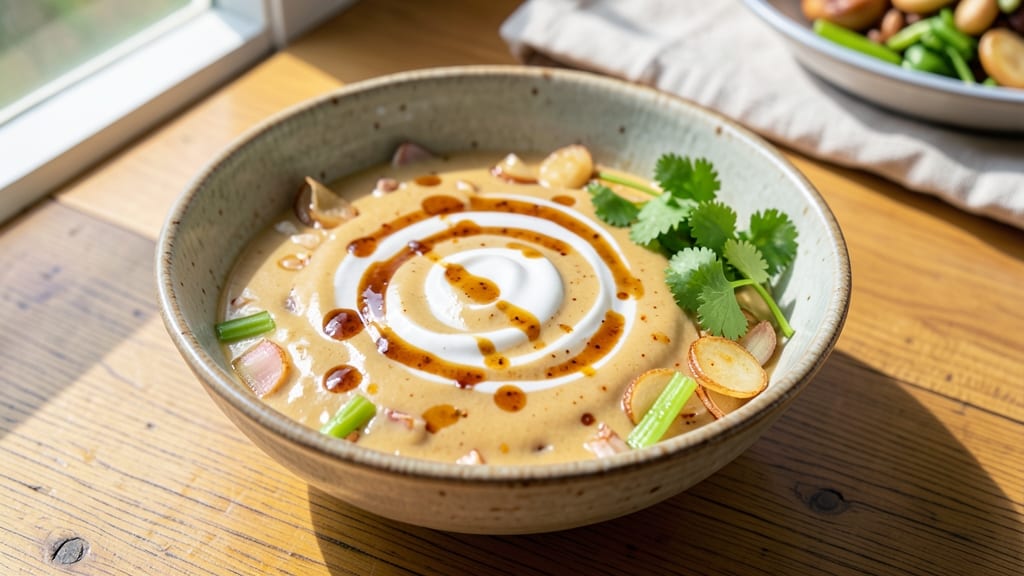
This authentic satay sauce recipe with coconut milk delivers the perfect balance of creamy richness and aromatic spices that elevate grilled meats to restaurant-quality. 🌟 The secret lies in blending coconut milk with peanut butter and traditional spices like turmeric and coriander, creating a sauce that's both bold and velvety.
I've perfected this recipe over years of testing, ensuring every batch captures the depth of flavor found in Indonesian street food stalls.
The foundation of great satay sauce starts with a smooth peanut-coconut base, where the natural oils from the peanut butter blend seamlessly with coconut milk to create that signature creamy texture.
Fresh garlic, ginger, and lemongrass infuse the sauce with aromatic complexity, while a touch of tamarind adds the perfect tangy brightness. The sauce is designed to be versatile—thin enough to drizzle or thick enough to coat, depending on your preference.
What makes this sauce truly special is its ability to transform ordinary grilled chicken or tofu into an extraordinary dish with just a few simple ingredients. The balanced spice profile ensures it's never overpowering, yet deeply flavorful, with just the right amount of heat from chili.
Whether you're serving it with satay skewers, rice, or fresh spring rolls, this sauce will become a staple in your kitchen.
Once made, this sauce keeps beautifully in the refrigerator for up to a week or can be frozen for up to three months, making it perfect for meal prep or gifting.
The instructions include tips for adjusting thickness and heat to suit your taste, so you can customize it perfectly every time. Let's dive into the recipe!
Ingredients for authentic satay sauce recipe with coconut milk
Twelve ingredients blend into the creamy, aromatic heart of authentic satay sauce—rich, balanced, and restaurant-worthy.
| Ingredient | Amount | Notes |
|---|---|---|
| Peanut Butter 🥜 | ½ cup | Natural, unsweetened preferred |
| Coconut Milk 🥥 | 1 can | Full-fat, 13.5 oz can |
| Garlic Cloves 🧄 | 6 cloves | Fresh, minced or grated |
| Fresh Ginger 🌿 | 2 tbsp | Grated, aromatic variety |
| Lemongrass 🌱 | 3 tbsp | Finely chopped, or 1 stalk |
| Turmeric Powder 🌶️ | 1 tsp | Bright yellow, fresh or ground |
| Ground Coriander 🌿 | 1 tsp | Freshly ground preferred |
| Chili Flakes 🔥 | 1 tsp | Adjust for heat preference |
| Tamarind Paste 🍯 | 1 tbsp | Fresh or bottled |
| Soy Sauce 🍶 | 1 tbsp | Light or dark preferred |
| Lime Juice 🍋 | 1 tbsp | Freshly squeezed |
| Water 💧 | ½ cup | For thinning if needed |
The peanut butter and coconut milk are your flavor anchors—Trader Joe's creamy peanut butter and Aroy-D full-fat coconut milk are my go-tos, but any natural peanut butter and canned coconut milk work. For lemongrass, grab it fresh at an Asian market if possible (it's worth the extra punch), or use the paste from a tube in a pinch. Fresh ginger and garlic are non-negotiable here—they make the difference between good and exceptional. If you can't find tamarind paste, a mix of lime juice and date syrup works, though it won't be identical. The turmeric and coriander? Penzeys bulk spices are my secret weapon for vibrant color and deep flavor.
No peanut butter? Smooth almond butter works in a bind, though the flavor shifts slightly. Short on coconut milk? Substitute with cashew cream (blend soaked cashews with water) for a similar richness. The chili flakes can be swapped for fresh red chili or cayenne, but taste first—you can always add more. Soy sauce out of stock? Coconut aminos or even extra tamarind add that umami depth. For a smoother sauce, blend everything first, then thin with water. Need it thicker? Simmer longer—just keep an eye on it to avoid burning. The lime juice is your bright spot, so don't skip it, but if you're out, a splash of rice vinegar keeps the tang.
This sauce is a keeper—stores perfectly in the fridge for up to a week in an airtight jar, or freeze for 3 months in ice cube trays for single-use portions. The flavor actually deepens over time, so make extra if you can. To reheat, warm gently on the stove with a splash of water or coconut milk. Double the batch if you're serving a crowd—it disappears fast! And if you're feeling fancy, strain it for a silky texture, or leave it chunky for that rustic street-food vibe.
Why You'll Love This Recipe
- No-Fuss Blender Magic: Honestly, this sauce comes together in five minutes—just toss the peanut butter, coconut milk, and chopped lemongrass in a blender, hit pulse, and you’re done. No simmering, no straining, no stress. That first taste of the smooth, fragrant paste? Pure satisfaction.
- Umami Bomb Combo: Between us, the garlic, ginger, and lemongrass create a flavor explosion that’s dangerously addictive. The peanut butter adds richness, the coconut milk keeps it silky, and the herbs? They make every bite taste like a tiny vacation. (Yes, even on a Tuesday night.)
- Double-Duty Sauce: This isn’t just for skewers—drizzle it over noodles, toss it with rice, or use it as a marinade. I’ve even slathered it on grilled chicken when I’m lazy. The best part? It freezes like a dream, so you’ve always got a backup for last-minute dinner plans.
- Budget-Friendly Luxury: Peanut butter and coconut milk stretch far—this recipe costs me pennies per serving, yet it feels fancy. Plus, the leftovers keep for weeks in the fridge, so you’re not scrambling to use it all up. My wallet and my taste buds win.
Step-by-step instructions for authentic satay sauce
Here's how to make a perfectly balanced satay sauce that's creamy, aromatic, and packed with authentic Indonesian flavors.
🍳 Step 1: Sauté the Aromatics Until Fragrant
Heat a medium saucepan over medium heat and add the 2 tbsp fresh ginger and 6 cloves garlic cloves. Sauté for 2-3 minutes until you can smell that warm, citrusy aroma filling your kitchen—that's your signal they're ready. Don't let them brown or they'll turn bitter.
Add the 3 tbsp lemongrass and cook for another 1 minute. The lemongrass will release its bright, citrusy essence. Here's the thing—if you're using whole stalks, you'll need to bruise them first by pounding lightly with a knife handle or rolling with a rolling pin. This releases more flavor into the sauce.
🍳 Step 2: Add Spices and Toast for Depth
Stir in the 1 tsp turmeric powder, 1 tsp ground coriander, and 1 tsp chili flakes. Toast these spices for 30 seconds while stirring constantly—you'll see them dance and smell their earthy, warm aromas intensify. This step develops their flavors and removes any raw taste.
I like to add a pinch of salt here too (not from the ingredients list, but just to taste) to help bring out the flavors. The spices should smell rich and complex, like a warm spice market. If you're worried about burning, keep the heat at medium-low—these spices cook fast.
🥘 Step 3: Build the Sauce Base with Peanut Butter and Coconut Milk
Lower the heat to low and add the 0.5 cup peanut butter and 1 can coconut milk. Stir vigorously for 2-3 minutes until the peanut butter melts completely and the sauce begins to thicken. You'll see it transform from a chunky paste to a smooth, creamy sauce.
This is where the magic happens—the peanut butter adds richness while the coconut milk creates that signature satay creaminess. If the sauce looks too thick, add 1-2 tablespoons of the 0.5 cup water to loosen it. The texture should be like a thick gravy, coating the back of a spoon.
🍋 Step 4: Balance Flavors with Tamarind, Soy, and Lime
Add the 1 tbsp tamarind paste, 1 tbsp soy sauce, and 1 tbsp lime juice. Stir well and let the mixture simmer gently for 5 minutes. You'll notice the tamarind adds a tangy depth, the soy sauce brings umami richness, and the lime brightens everything up.
Here's where it gets fun—taste as you go. The sauce should be perfectly balanced: creamy from the coconut and peanut, with a touch of heat from the chili, sweetness from the tamarind, and that bright citrus finish. If it needs more sweetness, add a tiny bit more tamarind. If it needs more acidity, squeeze in a bit more lime juice.
⏰ Step 5: Simmer and Adjust to Perfection
Continue simmering for another 3-5 minutes until the sauce reaches your desired consistency. It should coat the back of a spoon but still be pourable. If it's too thick, add more of the 0.5 cup water 1 tablespoon at a time until smooth.
The sauce is ready when it's creamy, balanced, and has that irresistible satay aroma. Let it cool slightly before using—this allows the flavors to meld even more. For the best results, make it fresh and use within 3-4 days when stored in the refrigerator. This sauce is incredible on grilled satay skewers, but it's also amazing as a dip for spring rolls or a marinade for chicken.
Pro Tips For Making Authentic Satay Sauce Recipe With Coconut Milk
- Bloom the Lemongrass: Bruise the lemongrass stalks with the flat side of your knife before adding them to the pot—this releases the oils and aroma without bitterness. I used to just chop it fine, but now I make sure to give those stalks a few solid whacks first, especially if you're using the tougher outer parts.
- Simmer, Don’t Boil: Keep the sauce at a gentle simmer, not a rolling boil, or you’ll curdle the coconut milk faster than you can say "second attempt." After adding the coconut milk, drop the heat to medium-low and let it bubble softly—this keeps the sauce creamy and avoids that dreaded split.
- Toast the Peanut Butter: Dry-toast the peanut butter in the pot for 1-2 minutes before adding liquids—it deepens the nutty flavor and prevents that raw, chalky aftertaste. Just stir constantly over low heat until it smells toasty, then pour in the coconut milk. (Yes, even if you’re impatient like me.)
- Strain the Ginger: Use a fine-mesh sieve or cheesecloth to strain the ginger pulp after grating it—this removes the fibrous bits that make the sauce grainy. I learned this the hard way after serving a sauce that felt like you were chewing through a bristle brush. A little extra effort here makes all the difference.
Perfect pairings for this authentic satay sauce recipe with coconut milk
Protein Pairings
This satay sauce shines brightest with grilled chicken skewers—marinate chicken thighs in a mix of lime juice, garlic, and a pinch of salt for 30 minutes before grilling. The sauce's creamy richness complements the smoky char perfectly.
For a vegetarian option, try tofu or tempeh—press and marinate firm tofu in soy sauce and turmeric for 1 hour before grilling. 🍗
Vegetable Sides
Serve with steamed jasmine rice to soak up every last drop of sauce. For a fresh contrast, add quick-pickled cucumbers (slice cucumbers, toss with rice vinegar, sugar, and red pepper flakes) or blanched bok choy with a sprinkle of sesame seeds. The crisp texture cuts through the sauce's creaminess beautifully.
Beverage Matchups
A cold Thai iced tea (sweetened with condensed milk) balances the sauce's richness with its floral notes and citrusy bite. For beer lovers, a light lager like Singha or Bintang cleanses the palate without overpowering. Non-alcoholic? Try sparkling limeade—the effervescence refreshes while complementing the sauce's tangy-sweet profile.
Global Adaptations
In Malaysian-style satay, add 1 tbsp shrimp paste (belacan) to the sauce for a funky umami depth. For a Vietnamese twist, swap peanut butter for cashew butter and add fish sauce instead of soy sauce. Both versions keep the creamy coconut base but introduce exciting regional flavors.
Garnish Ideas
Top with crushed peanuts for texture and extra peanut flavor. Fresh cilantro or Thai basil adds brightness, while lime zest enhances the citrus notes. For heat lovers, sprinkle with chili oil or crushed bird's eye chilies right before serving.
A drizzle of honey or palm sugar syrup adds a touch of sweetness to balance the tang.
Nutrition facts
Frequently asked questions
Can I make this satay sauce without peanut butter?
Yes! For a nut-free version, replace the peanut butter with ½ cup smooth almond butter or ½ cup cashew butter. The texture will be slightly lighter, but the creamy coconut base keeps the sauce rich. If you're avoiding nuts entirely, blend ½ cup soaked cashews with 2 tbsp water until smooth for a neutral substitute.
How do I adjust the heat level in this sauce?
Start with the 1 tsp chili flakes as written for mild heat. For medium heat, add ½ tsp cayenne pepper or 1-2 fresh red chilies (seeds removed). For spicy lovers, increase to 1-2 tsp chili flakes or add 1 tbsp chili oil after cooking. Always taste before serving—you can't remove heat once added!
What's the best way to store leftover satay sauce?
Transfer to an airtight container and refrigerate for up to 1 week. For longer storage, freeze in ice cube trays (thaw as needed) or 1-cup portions in freezer bags for up to 3 months. Reheat gently on low heat, stirring in 1 tsp water or coconut milk to restore creaminess. The sauce thickens when cold—thin with water if needed.
Can I use powdered coconut milk instead of canned?
Not recommended! Powdered coconut milk lacks the fat content and richness needed for authentic satay sauce. The canned version (with 13.5 oz total weight) provides the creamy base that balances the peanut butter. If you must use powdered, mix ½ cup powdered coconut milk with ½ cup water—but expect a thinner, less flavorful result.
Why did my sauce separate when I reheated it?
This happens when coconut milk separates due to temperature changes. Stir in 1 tbsp coconut milk or water while reheating on low heat until smooth. For prevention, store sauce in the fridge (not freezer) and reheat slowly. If separation persists, blend briefly with an immersion blender—this restores the creamy texture without altering flavor.