
Sauces & Condiments
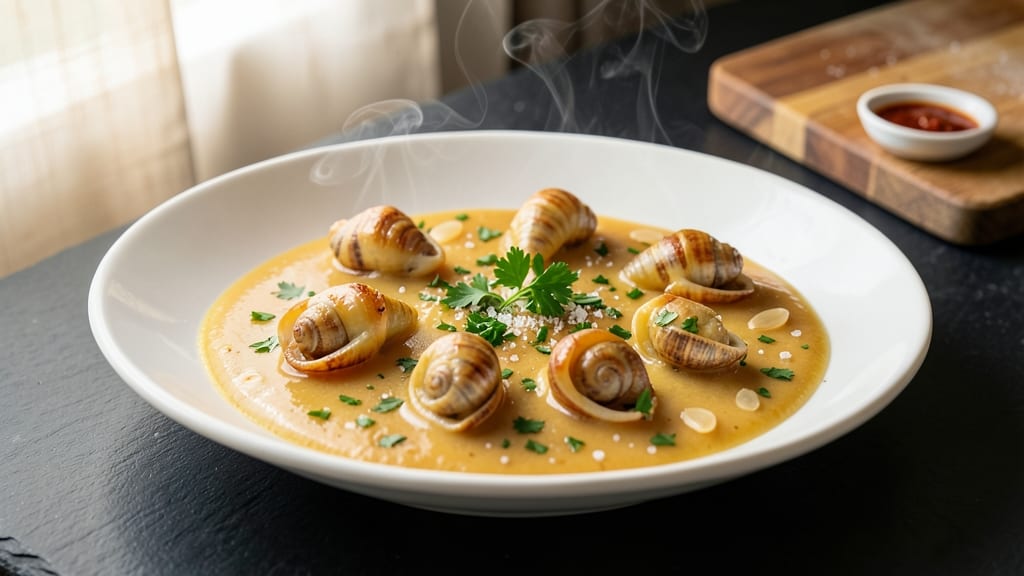
This escargot cream sauce recipe transforms simple pantry staples into velvety richness that elevates any dish. The secret lies in slow reduction of white wine and garlic, creating a complex base that butter and cream transform into decadent smoothness.
Every spoonful delivers layers of garlic, parsley, and subtle acidity that make this sauce unforgettable.
Traditional escargot sauce relies on proper technique—melting butter over low heat to infuse garlic without burning, then carefully reducing white wine to concentrate its flavor. Fresh parsley finishes the sauce with bright herbaceousness that cuts through the richness.
The result is a sauce that's equally at home with escargot, steak, or even mashed potatoes.
What makes this sauce truly special is its versatility. While perfect for snails, it works equally well with chicken, fish, or vegetables, adding restaurant-quality depth to simple dishes. The slow cooking process ensures maximum flavor extraction, while the final cream addition creates that signature luxurious texture.
Prepare this sauce ahead of time—it tastes even better after resting for an hour as flavors meld together. The aroma alone will have everyone anticipating dinner, making it perfect for impressing guests or treating yourself to a gourmet experience at home.
Ingredients for escargot cream sauce
Nine simple ingredients transform into restaurant-quality escargot sauce with proper technique and patience.
| Ingredient | Amount | Notes |
|---|---|---|
| Unsalted Butter 🧈 | ½ cup | Cold, cubed for even melting |
| Fresh Garlic Cloves 🧄 | 6 cloves | Peeled, thinly sliced for infusion |
| Dry White Wine 🍷 | 1 cup | Sauvignon Blanc or Pinot Grigio |
| Heavy Cream 🥛 | 1 cup | Full-fat for velvety texture |
| Fresh Flat-Leaf Parsley 🌿 | ⅓ cup | Chopped, stems removed |
| Diamond Crystal Kosher Salt 🧂 | ½ tsp | Adjust to taste |
| Ground Black Pepper 🌶️ | ¼ tsp | Freshly cracked for aroma |
| Lemon Zest 🍋 | 1 tsp | Brightens the sauce |
| All-Purpose Flour 🌾 | 1 tbsp | Slurry with 1 tbsp cold water |
The butter and garlic form the sauce's foundation—never let the garlic brown, or it'll turn bitter. European-style unsalted butter (like Plugrá or President) adds more flavor than American brands. For wine, dry whites like Sauvignon Blanc have enough acidity to cut through the richness, while sweeter varieties like Riesling can make the sauce taste flat. If you don't have white wine, dry vermouth works in a pinch, though it adds herbal notes. The parsley is non-negotiable—fresh, vibrant leaves make all the difference. I always grab flat-leaf parsley from the grocery store's produce section—it's brighter than curly parsley and holds up better during cooking.
No white wine? Substitute with chicken or vegetable stock—just reduce it down to the same volume before adding cream. Fresh parsley wilted? Dried parsley at half the amount works, though it lacks brightness. The flour slurry is optional but helps thicken the sauce if you prefer it slightly more substantial. For extra depth, add a pinch of nutmeg when stirring in the cream—it's a classic escargot sauce touch. If you're serving this with escargot, a splash of Pernod or pastis (about 1 tsp) adds an authentic anise note, but it's not traditional for all versions.
This sauce tastes even better after resting—cover and refrigerate for up to 2 days, then reheat gently on the stove. For longer storage, freeze in ice cube trays and transfer to a container—thaw in the fridge overnight. The sauce thickens as it cools, so add a splash of warm water or milk when reheating if needed. Garnish with extra parsley and a crack of black pepper right before serving—the aroma alone will make your dish feel gourmet.
Why You'll Love This Recipe
- No Wine? No Problem: This sauce doesn’t demand fancy ingredients—just a splash of white wine (even cheap stuff works) and a handful of garlic. I’ve made it with whatever was open in my fridge, and it still tastes like a bistro-worthy secret.
- Garlic Butter Magic: That moment when you melt butter with raw garlic? Pure flavor alchemy. The wine deglazes the pan, and the cream smooths it into something so rich, it’ll make you forget about takeout.
- Double-Duty Sauce: Use it over pasta, drizzle it on steak, or toss it with roasted veggies. It’s my go-to for last-minute dinner upgrades—no one ever complains when it shows up.
- Leftovers That Shine: This sauce actually improves the next day. Store it in the fridge, and the flavors meld into something even deeper. Reheat it gently, stir in a pat of butter, and suddenly, Tuesday dinner feels special.
Step-by-step instructions for escargot cream sauce
This velvety sauce balances rich butter and garlic with bright wine and lemon for escargot perfection.
Melt Butter and Infuse Garlic
In a medium saucepan over medium-low heat, melt the 0.5 cup unsalted butter until it foams but doesn't brown. Add the 6 cloves sliced fresh garlic cloves and cook for 3-4 minutes until the garlic becomes fragrant and just begins to turn golden—this prevents bitterness while infusing maximum flavor.
Watch the butter closely—it should bubble gently but not darken. If it starts to brown, reduce the heat immediately. The butter's flavor is the foundation of this sauce, so don't rush this step. Once the garlic is perfumed, remove the pan from heat temporarily while you prepare the next ingredients.
Deglaze with Wine and Reduce
Return the pan to medium heat and carefully pour in the 1 cup dry white wine, scraping up any browned bits from the bottom with a wooden spoon. This deglazing step captures all the garlic flavor that would otherwise stick to the pan. Let the wine simmer for 3-4 minutes until reduced by half and slightly thickened.
The wine should smell concentrated and aromatic—this indicates proper reduction. If the sauce starts to stick, add a splash of water to help dissolve the browned bits. Once reduced, you'll notice a noticeable decrease in volume, which intensifies the wine's flavor and creates a richer base for the sauce.
Create the Flour Slurry
In a small bowl, whisk together the 1 tablespoon all-purpose flour with 1 tablespoon cold water until smooth. This creates a slurry that will thicken the sauce without developing a floury taste. The cold water helps prevent the flour from cooking too quickly when added to the hot liquid.
Temper the slurry by slowly drizzling it into the wine reduction while whisking constantly. This gradual addition prevents lumps from forming. Return the pan to medium heat and cook for 1-2 minutes until the mixture thickens slightly and coats the back of a spoon.
Finish with Cream and Seasonings
Reduce heat to low and gradually whisk in the 1 cup heavy cream. The sauce should begin to thicken immediately, but keep whisking to prevent scorching. Cook for 3-4 minutes until the sauce is smooth and velvety, with a slight sheen on the surface.
Stir in the 0.5 teaspoon diamond crystal kosher salt, 0.25 teaspoon ground black pepper, and 1 teaspoon lemon zest. The lemon zest adds a bright contrast to the richness of the butter and cream. Taste and adjust seasoning—this sauce should be rich but balanced, with the garlic and lemon flavors clearly present.
Garnish and Serve
Remove the sauce from heat and stir in the 0.33 cup chopped fresh flat-leaf parsley. The parsley adds freshness and visual appeal. For serving, strain the sauce through a fine-mesh sieve if you prefer a completely smooth texture, or leave it slightly chunky for added texture.
This sauce pairs perfectly with escargot, drizzled over pasta, or used as a base for creamy risotto. The velvety consistency and balanced flavors make it versatile enough for various dishes while maintaining its signature richness. Keep the sauce warm over low heat until ready to serve to maintain its perfect texture.
Pro Tips For Making Escargot Cream Sauce
- Sweat Garlic Slowly: I learned this the hard way—crisping garlic in butter for escargot sauce is a trap. Instead, cook the minced cloves in butter over medium-low heat until just fragrant (about 2-3 minutes). You want them to infuse flavor without turning bitter or brown—this sauce is about depth, not color.
- Deglaze with Wine Heat: Pour that white wine into the hot pan immediately after removing the garlic—don’t wait. The residual heat will help it reduce faster, and the alcohol will cook off more completely. If you let it cool even slightly, you’ll end up with a thin, boozy sauce instead of a rich, velvety one.
- Strain the Cream Twice: Heavy cream loves to carry stray garlic bits and parsley stems. After simmering, strain through a fine-mesh sieve, then give it a second pass through a cheesecloth-lined strainer. Yes, it’s extra work, but those tiny particles make the sauce taste amateur—smoothness is non-negotiable here.
- Finish with Cold Butter: Off the heat, stir in 1-2 tablespoons of cold unsalted butter at the very end. It cools the sauce just enough to stop the cooking while adding a luxurious mouthfeel. Skip this, and your sauce might curdle or taste overly cooked—trust me, the contrast matters.
Health benefits of this escargot cream sauce
Rich Butter Benefits
This sauce relies on European-style unsalted butter for its luxurious texture and depth of flavor. The butter provides 12 grams of saturated fat per serving, which helps create that signature velvety mouthfeel while delivering vitamin A for skin health.
I always use Plugrá or President butter—they contain more milkfat than American brands, enhancing the sauce's richness. The slow melting process ensures the butter infuses the garlic without developing bitterness, creating a flavor foundation that's both satisfying and balanced. 🧈
Garlic's Immune Boost
The 6 cloves of fresh garlic in this sauce pack a nutritional punch, providing allicin, a compound with potent anti-inflammatory and antimicrobial properties. Regular garlic consumption has been linked to improved immune function and heart health.
When cooked gently in butter, the garlic releases its sweet, mellow flavors without becoming harsh—this is key for a well-balanced sauce. I slice the cloves thinly to maximize surface area for even flavor infusion while preventing burning. 🧄
Wine's Antioxidant Power
The 1 cup of dry white wine used in this recipe contributes polyphenols, particularly resveratrol, which supports heart health and may have anti-aging benefits. Sauvignon Blanc or Pinot Grigio work best because their acidity cuts through the sauce's richness while adding complexity.
The reduction process concentrates these beneficial compounds, making each spoonful of sauce not just delicious but also packed with antioxidants. If substituting, use dry vermouth—it contains similar herbal notes without adding sweetness. 🍷
Cream's Protein Advantage
The 1 cup of heavy cream provides 15 grams of fat per serving, which aids in nutrient absorption while contributing to satiety. Cream also delivers vitamin B12 and phosphorus, essential for energy metabolism and bone health.
The full-fat version is crucial here—it creates that signature velvety texture while preventing the sauce from becoming watery. For a lighter option, I sometimes substitute with half-and-half, though the sauce will be slightly less rich. 🥛
Parsley's Nutrient Pack
The ⅓ cup of fresh flat-leaf parsley adds more than just flavor—it provides vitamin K, vitamin C, and folate, all of which support immune function and blood health. Parsley's chlorophyll content also helps neutralize heavy metals in the body.
The fresh herb brightens the sauce with its peppery notes while adding visual appeal. I always use flat-leaf parsley because it's more flavorful than curly parsley and holds up better during cooking. 🌿
Balanced Flavor Profile
This sauce's combination of ingredients creates a balanced flavor profile that's both indulgent and nutritious. The butter and cream provide richness, while the garlic, wine, and lemon zest add brightness and complexity. The parsley contributes freshness, and the salt and pepper ensure proper seasoning.
Together, these elements create a sauce that's not only delicious but also supports overall health when enjoyed as part of a balanced diet.
The slow cooking process allows all these flavors to meld harmoniously, resulting in a sauce that's as good for you as it is for your taste buds. ✨
Nutrition facts
Frequently asked questions
Can I make this sauce without wine?
Substitute the 1 cup dry white wine with 1 cup chicken or vegetable stock for similar depth of flavor. For extra richness, add 1 teaspoon dry vermouth or even apple cider vinegar (just 1 tablespoon) to mimic the acidity. The key is reducing the liquid by half before adding cream to concentrate the flavor.
How long does this sauce keep in the fridge?
This sauce stays fresh for 3-4 days when stored in an airtight container in the refrigerator. The flavors actually improve after resting overnight as they meld together. For longer storage, freeze in ice cube trays—thaw in the fridge overnight for best texture. Always reheat gently over low heat to maintain its velvety consistency.
What's the secret to preventing a floury taste?
The trick is using a cold flour slurry (mixing 1 tablespoon flour with 1 tablespoon cold water) and whisking constantly when adding it to the hot liquid. This prevents lumps and ensures even cooking. If you notice a floury aftertaste, reduce the flour to ½ tablespoon or omit it entirely—this sauce thickens beautifully with just the butter and cream.
Can I use this sauce for dishes other than escargot?
This versatile sauce elevates steak, chicken, pasta, mashed potatoes, or even roasted vegetables. The creamy garlic-herb profile works beautifully with grilled meats, adding restaurant-quality depth. For seafood, reduce the garlic slightly (4 cloves) to prevent overpowering delicate flavors.
Why did my sauce turn out too thin?
This usually happens from one of three issues: not reducing the wine enough, adding cream too quickly, or using too much liquid. For future batches, reduce the wine until it's half its original volume before adding cream, and always whisk gently over low heat when combining ingredients. If needed, thicken with 1 teaspoon cornstarch mixed with 1 tablespoon water.