
Sauces & Condiments
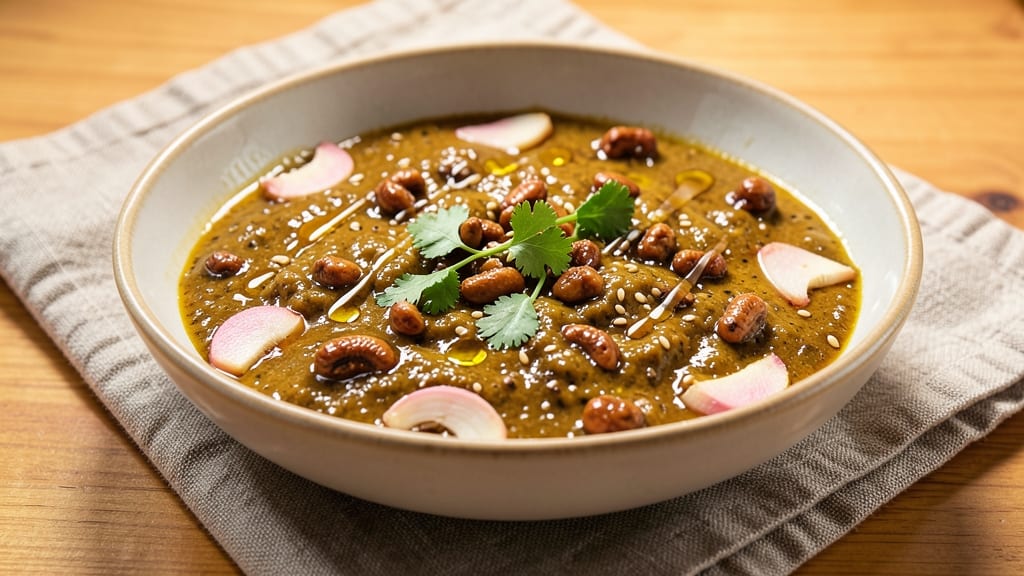
This Asian pesto sauce recipe transforms bold flavors into a velvety, nutty condiment that elevates everything from noodles to grilled meats. The secret lies in blending toasted sesame seeds, fresh ginger, and a touch of soy sauce for depth—no dairy required, making it versatile for any diet.
I developed this recipe after craving something richer than traditional pesto but still fresh and vibrant.
The sauce starts with a base of toasted peanuts and sesame oil, which adds a nutty, aromatic richness. Fresh ginger and garlic provide the zing, while a splash of rice vinegar balances the flavors.
The texture is smooth yet slightly textured, clinging perfectly to proteins or vegetables without overpowering them. It’s the kind of sauce that turns simple dishes into restaurant-worthy meals.
Ready in just 10 minutes, this recipe delivers a restaurant-quality result with minimal effort. The sauce keeps well in the fridge for up to a week, making it perfect for meal prep or gifting.
Whether you drizzle it over ramen, toss it with stir-fried veggies, or use it as a marinade, the nutty-sesame-ginger profile adds a sophisticated twist to any dish.
For extra richness, stir in a spoonful of tahini or coconut milk, while those avoiding nuts can swap peanuts for sunflower seeds. The possibilities are endless—let’s make this sauce your new kitchen staple.
Ingredients for asian pesto sauce
Ten simple ingredients create a restaurant-worthy Asian pesto with nutty depth and zesty brightness.
| Ingredient | Amount | Notes |
|---|---|---|
| Toasted Peanuts 🥜 | ¾ cup | Raw or dry-roasted preferred |
| Toasted Sesame Seeds 🌾 | ¼ cup | Store-bought or toasted at home |
| Fresh Ginger 🌿 | 2 tbsp | Finely grated, peeled |
| Garlic Cloves 🧄 | 4 cloves | Peeled, minced for smooth blend |
| Sesame Oil 🫒 | ⅓ cup | Toasted sesame oil for depth |
| Rice Vinegar 🍶 | 2 tbsp | Unseasoned preferred |
| Low-Sodium Soy Sauce 🍜 | 1 ½ tbsp | For umami balance |
| Extra-Virgin Olive Oil 🫒 | ¼ cup | Light, fruity variety |
| Lime Juice 🍋 | 1 tbsp | Freshly squeezed |
| Granulated Sugar 🍚 | 1 tsp | Balances acidity |
The peanuts and sesame seeds are the heart of this sauce—toast them lightly in a dry pan until fragrant for maximum flavor. Trader Joe's and Asian markets carry pre-toasted sesame seeds, but toasting your own at home (5 minutes on medium) makes a noticeable difference. For peanuts, grab the dry-roasted variety from the bulk section—no oil or salt—or toast raw peanuts in the oven at 350°F for 8-10 minutes until golden. Fresh ginger is non-negotiable here; the zest and sharpness can't be replicated with powder. Look for firm, smooth-skinned ginger with no soft spots—Costco or Whole Foods often have the best quality.
No peanuts? Sunflower seeds or cashews work beautifully—sunflower seeds add a slightly earthier note, while cashews keep it creamy. Swap sesame oil for avocado oil or light olive oil if you're avoiding sesame, though you'll lose some of that signature aroma. Rice vinegar can be tricky—Kikkoman or Marukan are reliable, but if you only have apple cider vinegar, reduce the amount to 1.5 tbsp and add a pinch of sugar to balance. The soy sauce is where umami happens; low-sodium versions prevent overpowering the delicate flavors. For extra richness, blend in 1 tbsp of tahini or coconut milk at the end.
This sauce keeps for 1 week in an airtight jar in the fridge—just cover the surface with a thin layer of olive oil to preserve freshness. For longer storage, freeze in 1-tbsp portions in ice cube trays, then transfer to a bag. Thaw overnight in the fridge before using. The texture will thicken slightly when refrigerated; stir in a splash of water or rice vinegar to loosen it before serving. I always make a double batch—one for immediate use, one to freeze for later. It's perfect for drizzling over ramen, grilled chicken, or steamed veggies—just let it come to room temperature before using.
Why You'll Love This Recipe
- Five-Ingredient Magic: I swear by this—just toast the peanuts and seeds, pulse in the food processor, and add the wet ingredients. No chopping, no fuss, no stress. That’s it.
- Nutty-Ginger Kick: The toasted peanuts give it that satisfying crunch, while the fresh ginger and garlic hit like a warm, spicy hug. Honestly, the sesame oil ties it all together—rich but not overpowering.
- Dress-Up Anything: Slather it on noodles, toss with veggies, or drizzle over grilled chicken. I’ve even used it as a marinade for tofu. It’s my go-to for when I want flavor without the heavy lifting.
- Budget-Friendly Staple: Peanuts and sesame seeds are cheap, and a little goes a long way. I make a big batch, store it in the fridge, and it lasts weeks. (Yes, even on a Tuesday night.)
Step-by-step instructions for Asian pesto sauce
This velvety sauce comes together in minutes with simple blending techniques and bold flavors.
Toast the Nuts and Seeds
Heat a dry skillet over medium heat. Add the 0.75 cup toasted peanuts and 0.25 cup toasted sesame seeds, stirring constantly for 2-3 minutes until they release their aroma and turn a deeper golden color. Watch closely—they'll darken quickly, so remove them immediately when they smell nutty and toasted.
Let them cool for 5 minutes before processing. This cooling step prevents the oil from separating during blending. I like to spread them on a plate to cool faster. The toasted flavor forms the nutty foundation of this sauce, so don't skip this step even if using pre-toasted ingredients.
Blend the Base Ingredients
Transfer the cooled peanuts and sesame seeds to a food processor fitted with the metal blade. Add the 2 tbsp fresh ginger and 4 cloves garlic cloves to the processor. Pulse until the mixture forms a coarse powder—about 10-15 seconds. This breaks down the ingredients without creating a paste yet.
With the processor running, slowly drizzle in the 0.33 cup sesame oil and 0.25 cup extra-virgin olive oil through the feed tube. This gradual addition prevents the oils from splattering. Process until the mixture becomes smooth and creamy, scraping down the sides as needed—about 1-2 minutes total.
Incorporate the Acidic Components
Add the 2 tbsp rice vinegar, 1.5 tbsp low-sodium soy sauce, 1 tbsp lime juice, and 1 tsp granulated sugar to the processor. Pulse 3-4 times to combine, then process for another 30-45 seconds until everything is fully incorporated and the sauce reaches a velvety consistency.
Taste and adjust seasoning if needed. For more brightness, add a splash of lime juice. For extra umami, add another ½ teaspoon of soy sauce. The sauce should be thick enough to coat the back of a spoon but still pourable. If it's too thick, thin with 1 teaspoon of water at a time until you reach the desired consistency.
Finish and Store Properly
Transfer the sauce to a clean jar or airtight container. Press plastic wrap directly onto the surface to prevent oxidation. Store in the refrigerator for up to 5 days or freeze for up to 3 months. The flavors actually deepen when stored, making it perfect for meal prep.
This sauce works beautifully as a dip for spring rolls, a marinade for grilled meats, or a dressing for fresh salads. The nutty, sesame-forward flavor pairs exceptionally well with seafood, chicken, or even as a pasta sauce. For best results, bring the sauce to room temperature before using to achieve optimal texture and flavor distribution.
Pro Tips For Making Asian Pesto Sauce
- TOAST PEANUTS LOW & SLOW: I learned this the hard way—blasting peanuts in a hot pan burns them before they toast properly. Instead, use medium-low heat and stir constantly. You’re aiming for golden brown, not smoke. If they start smelling like char, you’ve gone too far.
- GRATE GINGER FINE: Pre-grated ginger from the jar is a flavor crime in this sauce. Use a microplane or fine grater and get aggressive—you want it almost paste-like, not chunky. This ensures it blends smoothly and doesn’t leave gritty bits in your sauce.
- MINCE GARLIC SMALL: Skip the press—it turns garlic into mush. Finely chop or mince the cloves so they distribute evenly and don’t overpower the peanut base. Too much garlic? Your sauce will taste like a dental office.
- BLEND IN STAGES: Dump everything in the blender at once and it’ll turn into peanut butter. Pulse the peanuts and sesame seeds first to break them down, then add the wet ingredients (ginger, garlic, oil) in stages. This keeps the texture creamy but still textured—no gluey disaster.
Storing and reheating your asian pesto sauce
Fridge Storage Tips
Store your Asian pesto sauce in an airtight glass jar with a tight-sealing lid. Press plastic wrap directly onto the surface to minimize oxidation and prevent a skin from forming. The sauce will keep fresh in the fridge for up to 5 days, with flavors deepening over time.
I always use Ball mason jars—they’re sturdy and won’t absorb odors. 💛
Freezing for Later Use
For longer storage, freeze the sauce in 1-tablespoon portions using ice cube trays. Once frozen, transfer the cubes to a ziplock freezer bag and flatten to save space. Thaw overnight in the fridge before using—never microwave directly, as this can break the emulsion and make the sauce separate.
Frozen sauce maintains quality for up to 3 months.
Reviving Thickened Sauce
If your sauce thickens after refrigeration, simply stir in 1 teaspoon of water or rice vinegar at a time until it reaches a smooth, pourable consistency. Avoid adding too much liquid at once, as this can dilute the flavors.
I’ve found that reheating leftover sauce gently on the stovetop over low heat for 1-2 minutes restores its velvety texture perfectly. ✨
Preventing Separation
To avoid oil separation, always store the sauce with a thin layer of olive oil pressed directly onto the surface. This creates a protective barrier that keeps the ingredients emulsified. Shake or whisk vigorously before using if you notice any separation.
For extra insurance, add ½ teaspoon of xanthan gum when blending—this stabilizer helps maintain the sauce’s consistency even after refrigeration. 🔥
Room-Temperature Use
For best results, let the sauce sit at room temperature for 10-15 minutes before using. This allows the flavors to meld and the texture to become perfectly smooth.
I often prepare a small batch the night before and let it sit on the counter while I’m cooking—it’s a game-changer for marinades and dressings. If using immediately after refrigeration, stir vigorously to re-emulsify. 💡
Portioning for Meal Prep
Divide the sauce into small, individual portions (like 2-tablespoon servings) in mini mason jars for easy grab-and-go use. This prevents overuse and keeps the sauce fresh for longer. Label each jar with the date—this helps track freshness and prevents waste.
I keep one jar in the fridge for quick meals and freeze the rest for future use. 📅
Nutrition facts
Frequently asked questions
Can I make this Asian pesto sauce without peanuts?
Swap peanuts for sunflower seeds (for a nut-free option) or cashews (for extra creaminess). Toast the seeds/nuts first to enhance flavor—just reduce the quantity by ¼ cup if using seeds instead of peanuts. For a seed-free version, try toasted pumpkin seeds, though the texture will be slightly grittier.
How can I adjust this sauce for vegan or dairy-free diets?
This recipe is already vegan-friendly, but you can boost richness by adding 1 tbsp tahini or ½ cup coconut milk while blending. For extra umami, include 1 tsp nutritional yeast (it adds a cheesy note). The sesame oil and soy sauce provide plenty of flavor without dairy—just ensure all ingredients are certified vegan if needed.
What's the best way to use leftover Asian pesto sauce?
Leftover sauce works perfectly as a marinade (30-60 minutes for chicken or tofu), dipping sauce for spring rolls or dumplings, or pasta sauce when tossed with hot noodles. For extra flavor, stir in 1 tsp chili oil or minced scallions before using. It also makes a great sandwich spread when thinned with a splash of water.
Why did my sauce separate after refrigeration?
Separation happens when oils rise to the top after chilling. Simply whisk or shake vigorously to re-emulsify before using. To prevent this, store the sauce with a thin layer of olive oil pressed on top, or add ½ tsp xanthan gum while blending. Avoid freezing if you're sensitive to texture changes—this sauce is best used fresh or refrigerated short-term.
Can I make this sauce spicier?
Yes! Add ½ tsp red pepper flakes or 1 tsp sriracha while blending for mild heat, or 1 tbsp fresh chili paste for intense spice. For smoky depth, include ½ tsp smoked paprika. Always taste first—you can adjust after blending, but removing spice is tricky once mixed in!