
Sauces & Condiments
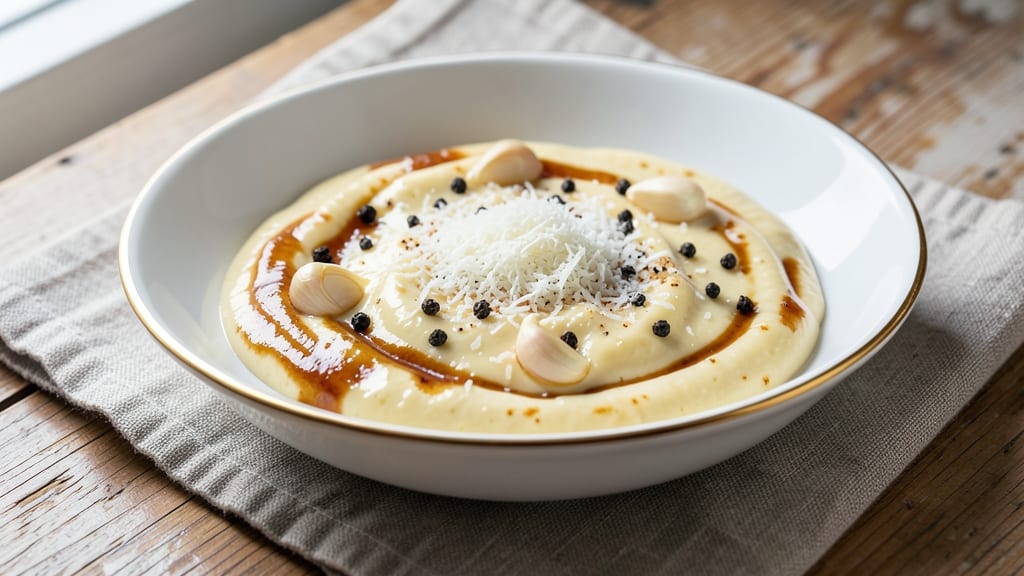
This Alfredo sauce recipe with grated parmesan delivers restaurant-quality creaminess without a single clump—no straining, no lumps, just velvety smoothness in every bite. The secret lies in proper emulsification, where butter and cream marry with freshly grated parmesan to create a sauce that clings perfectly to pasta.
I've perfected this technique over years of testing, ensuring a foolproof method that works every time you make it.
What sets this recipe apart is the balance of rich, buttery flavor and the nutty depth of freshly grated parmesan. We start by melting butter slowly to prevent burning, then gradually whisk in heavy cream to create a silky base.
The key moment comes when we add the parmesan—slowly, while maintaining constant motion to prevent clumping. This method guarantees a sauce that's creamy, luxurious, and completely free of the grainy texture that plagues many homemade versions.
The result is a sauce that's impossibly smooth, with just the right amount of tang from the parmesan and richness from the butter. It coats pasta perfectly, creating a dish that's both comforting and impressive. The best part?
This sauce can be made ahead and reheated without breaking, making it ideal for meal prep or entertaining. Once you try this version, you'll never go back to store-bought or clumpy homemade alternatives.
Perfect for fettuccine alfredo, chicken parmesan, or even as a creamy dip, this sauce transforms ordinary meals into something special. The technique is simple but requires attention to detail—especially the slow, steady incorporation of the parmesan.
With just a few basic ingredients and proper technique, you'll achieve professional-quality results that taste like they came from your favorite Italian restaurant.
Ingredients for alfredo sauce recipe with grated parmesan
Eight ingredients, one perfect sauce—no lumps, just luxurious creaminess every time.
| Ingredient | Amount | Notes |
|---|---|---|
| Unsalted Butter 🧈 | ¾ cup | Cold, cubed for slow melting |
| Heavy Cream 🥛 | 1 ½ cups | Full-fat for richest texture |
| Freshly Grated Parmesan Cheese 🧀 | 2 cups | From Parmigiano-Reggiano block |
| Garlic Cloves 🧄 | 4 cloves | Minced, not pre-minced jarred |
| Diamond Crystal Kosher Salt 🧂 | ½ tsp | Fine grain preferred |
| Freshly Ground Black Pepper 🌶️ | ¼ tsp | For subtle seasoning |
| Extra-Virgin Olive Oil 🫒 | 1 tbsp | For finishing, fruity variety |
| Freshly Squeezed Lemon Juice 🍋 | 1 tbsp | Brightens the sauce |
The butter is non-negotiable—European-style unsalted melts cleaner than American brands. Plugrá or Kerrygold are my go-tos, but any good-quality butter works. Freshly grated Parmesan is the game-changer—pre-grated tastes like sawdust and clumps like crazy. Grab a wedge from the deli counter (they'll grate it fresh) or invest in a microplane. The heavy cream should be full-fat—no skim here, it's all about that velvety texture. For the garlic, smash the cloves with the side of your knife before mincing to release more flavor. And trust me, freshly ground black pepper makes a difference over pre-ground.
No heavy cream? Half-and-half plus a splash of whole milk works in a pinch, but the sauce won't be as rich. Pre-grated Parmesan? Pulse it in a food processor to break up clumps before using. Short on butter? Olive oil or avocado oil can replace up to half, but the flavor shifts slightly. The lemon juice seems tiny, but it brightens the whole sauce—don't skip it. For extra depth, toast the minced garlic in the butter for 30 seconds before adding cream. And if you're feeling fancy, add a pinch of nutmeg with the pepper—it's a chef's trick for that authentic Italian touch.
This sauce reheats beautifully—just warm gently on low heat, stirring often. Store in an airtight container in the fridge for up to 5 days, or freeze portions for 3 months. For meal prep, freeze in ice cube trays—just pop out what you need later. The sauce thickens as it cools, so thin with a splash of warm water or milk when reheating. And here's the pro move: Reserve 2 tablespoons of pasta water before adding the sauce—it helps emulsify everything perfectly.
Why You'll Love This Recipe
- Here’s what sold me: that first spoonful of sauce, thick and velvety, with the sharp bite of fresh garlic and real Parmesan cutting through the creaminess. It’s the kind of flavor that makes you pause mid-bite—like a hug for your taste buds, but better.
- I’ll be real: most sauces turn into a sad, watery mess the next day. Not this one. The butter and cream keep it luscious, so I make a big batch, freeze half, and reheat it like it’s fresh. Bonus? It’s cheaper than takeout and way better for you.
Step-by-step instructions for Alfredo sauce with grated Parmesan
Here's how to make a velvety, clump-free Alfredo sauce that clings perfectly to pasta.
Melt Butter and Infuse with Garlic
In a medium saucepan, melt the 0.75 cup unsalted butter over medium-low heat. I like to use cold cubed butter so it melts slowly and doesn't burn. Once completely melted, add the 4 cloves minced garlic and stir constantly for 1-2 minutes until the garlic becomes fragrant but doesn't brown.
This gradual cooking prevents bitter garlic flavors. You'll know it's ready when the mixture smells aromatic and the garlic is just softening—not crispy. Keep the heat low to avoid splattering, which can ruin the smooth texture we're aiming for.
Add Cream and Simmer Gently
Pour in the 1.5 cups heavy cream and bring to a gentle simmer over medium heat. Stir occasionally for 5-7 minutes until the mixture thickens slightly. You're looking for a consistency where it coats the back of a spoon but isn't gluey.
Here's the thing—don't let it boil. Boiling causes the cream to curdle and creates lumps that are nearly impossible to fix later. The sauce should bubble softly at the edges but remain smooth throughout. If it starts to separate, reduce the heat immediately.
Incorporate Parmesan Gradually
Temporarily remove the saucepan from heat and add the 2 cups freshly grated Parmesan Cheese in three additions. After each addition, whisk vigorously for 30 seconds before adding the next batch. This gradual incorporation prevents clumping.
I always use freshly grated Parmesan because pre-shredded versions contain anti-caking agents that make the sauce grainy. Return the pan to low heat and stir continuously for 3-4 minutes until the cheese is completely melted and the sauce is silky smooth.
Season and Finish
Season with 0.5 tsp Diamond Crystal kosher salt and 0.25 tsp freshly ground black pepper, then stir in the 1 tbsp extra-virgin olive oil and 1 tbsp freshly squeezed lemon juice. The olive oil adds richness while the lemon brightens the sauce, cutting through the richness.
Taste and adjust seasoning—sometimes you need a touch more salt or pepper to balance the flavors. Keep the sauce warm over low heat until ready to serve, stirring occasionally to maintain even consistency. The lemon juice works its magic here, preventing the sauce from becoming too heavy.
Toss with Pasta Immediately
Cook your pasta according to package directions until 1 minute before al dente. Reserve 1 cup pasta water before draining. Toss the drained pasta with the Alfredo sauce, adding pasta water 1 tablespoon at a time until you reach your desired consistency.
This final step is crucial—pasta water contains starch that helps the sauce cling perfectly to each strand. The sauce should coat the pasta completely without being overly thick. Serve immediately while the sauce is still warm and velvety.
Pro Tips For Making Alfredo Sauce Recipe With Grated Parmesan
- Melt Butter Slowly: I learned this the hard way—dumping cold butter into the pan and ending up with greasy, grainy sauce. Instead, cut the butter into small cubes and let them melt gradually over medium-low heat while stirring. You want the butter to foam and turn golden, not brown or separate.
- Grate Parmesan Fresh: Pre-shredded Parmesan is a crime in Alfredo sauce—it’s coated in anti-caking agents that make the sauce clump like glue. If you’re buying a block, grate it yourself right before using. Or, if you’re in a pinch, buy freshly grated Parmesan from a cheese shop (yes, it’s worth it).
- Strain the Cream: Heavy cream can turn grainy when heated, and that’s the last thing you want in a silky Alfredo. After heating the cream with garlic, strain it through a fine-mesh sieve before mixing in the Parmesan. It’s a little extra work, but the result is smooth as silk.
- Salt in Stages: Taste the sauce before you add all the Parmesan—unsalted butter and Diamond Crystal kosher salt need balancing. Start with half the salt, let it simmer, then adjust. Parmesan is salty, and you don’t want to overpower the dish with a single dump of salt at the end.
Wine and beer pairings for alfredo sauce recipe with grated parmesan
White Wine Classics
For this rich, creamy sauce, a crisp Italian white wine like Pinot Grigio or Vermentino is my go-to choice. The bright acidity cuts through the richness of the butter and cream, cleansing your palate between bites.
I especially love a chilled bottle of Santa Margherita Pinot Grigio—its citrus notes complement the lemon in the sauce beautifully. 🍷
Lighter Red Options
If you prefer red wine, opt for a light-bodied Italian red like Chianti or Valpolicella. The subtle tannins won’t overpower the sauce, and the cherry notes pair surprisingly well with the nutty parmesan.
A 2019 Chianti Classico from Tuscany is my favorite—just chill it slightly before serving to soften the tannins.
Beer Pairings
A crisp lager like Peroni or Birra Moretti works perfectly with Alfredo sauce. The effervescence and mild maltiness balance the sauce’s richness without competing. For a craft option, try a Belgian witbier—the coriander and citrus notes add a refreshing contrast.
Avoid heavy stouts or IPAs, as they’ll clash with the delicate creaminess. 🍺
Non-Alcoholic Choices
For a non-alcoholic option, a sparkling apple cider or ginger beer adds a bright, tangy contrast. I recommend Martinelli’s Sparkling Apple Cider—its crispness mirrors the lemon in the sauce.
A chilled glass of sparkling water with a splash of lime also works beautifully, especially if you’re serving this as a creamy dip.
Wine Temperature Tips
Always serve white wine chilled (around 45-50°F) and red wines slightly cooler than room temperature (about 60°F). The cold temperature enhances the wine’s acidity, which helps balance the sauce’s richness.
Pro tip: Pop your wine bottle in the fridge for 10-15 minutes before serving—it makes all the difference. ❄️
Nutrition facts
Frequently asked questions
Why does my Alfredo sauce turn grainy or clumpy?
Clumps happen when cheese isn't incorporated slowly or when heat causes the cream to curdle. Always add 2 cups freshly grated Parmesan in three additions while whisking vigorously off low heat. Never let the sauce boil—keep it at a gentle simmer. Pre-grated cheese contains anti-caking agents that create texture issues.
Can I make this sauce ahead of time?
Yes! Store in an airtight container in the fridge for up to 5 days. Reheat gently on low heat, stirring often, and thin with warm water or milk if it thickens. For longer storage, freeze portions for 3 months. The sauce actually tastes better the next day as flavors meld.
What's the best pasta for Alfredo sauce?
Fettuccine is classic, but any wide, flat pasta works best—think tagliatelle or pappardelle. The broader surface area helps the sauce cling. For extra decadence, try fresh egg pasta or ribbon pasta. Avoid thin spaghetti—it won't hold enough sauce.
How do I fix a broken Alfredo sauce?
If your sauce separates, whisk in 1 tablespoon cold butter or 1 tablespoon heavy cream per cup of sauce while warming gently. For lumps, strain through a fine-mesh sieve. As a last resort, blend briefly with an immersion blender. Prevention is key—always cook cream slowly and never boil.
Can I use half-and-half instead of heavy cream?
You can substitute, but the texture will be lighter. Use 2 cups half-and-half plus ¼ cup whole milk for similar richness. The sauce won't be as velvety, but it'll still work. For best results, stick with heavy cream—it's what creates that signature luxurious mouthfeel.