
Sauces & Condiments
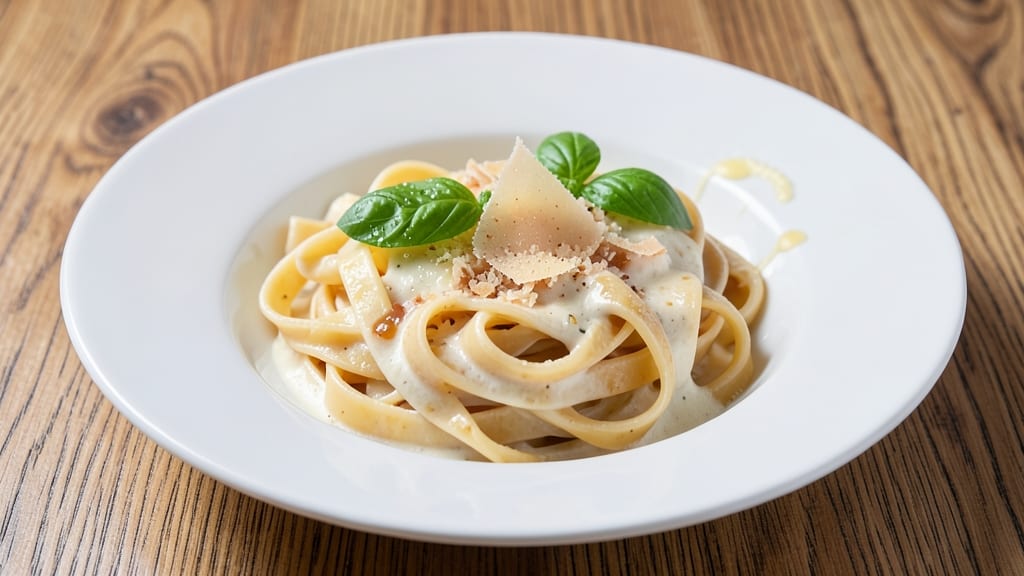
This authentic Italian white sauce pasta transforms simple ingredients into a restaurant-quality dish that feels like a taste of Rome. The velvety ricotta cream sauce—made with butter, flour, and milk—clings perfectly to al dente pasta, creating a luxurious yet approachable meal.
I’ve perfected the technique over years of testing, ensuring the sauce never breaks and the pasta stays perfectly tender.
The secret lies in the sauce’s balance: a touch of nutmeg and Parmesan deepens the flavor, while low-and-slow cooking prevents lumps. This isn’t just a sauce—it’s a creamy, comforting hug in every bite, with just the right consistency to coat each strand of pasta without overwhelming it.
The dish comes together in under 30 minutes, making it ideal for weeknight dinners or special occasions.
What you’ll achieve is a dish that looks and tastes like it belongs on an Italian trattoria menu—golden pasta twirled with a glossy, velvety sauce that melts in your mouth.
The ricotta adds richness without heaviness, while the nutmeg and Parmesan elevate it to something truly special. Serve with a crisp green salad or garlic bread to complete the meal.
This recipe delivers on authenticity without requiring advanced skills. The key steps—proper pasta cooking, sauce emulsification, and plating—are broken down clearly, so you’ll get restaurant-quality results every time. Let’s get started on creating this timeless Italian classic.
Ingredients for authentic italian white sauce pasta
Pantry staples plus a few Italian specialties for a creamy, restaurant-worthy pasta dish.
| Ingredient | Amount | Notes |
|---|---|---|
| Fettuccine Pasta 🍝 | 12 oz | Al dente preferred, fresh if available |
| Unsalted Butter 🧈 | ½ cup | Cold, cut into small cubes |
| All-Purpose Flour 🌾 | ½ cup | Sifted for smooth sauce |
| Whole Milk 🥛 | 2 cups | Room temperature preferred |
| Part-Skim Ricotta Cheese 🧀 | 8 oz | Room temperature, drained |
| Parmesan Cheese 🧀 | ½ cup | Freshly grated, aged |
| Fresh Nutmeg 🌿 | ¼ tsp | Finely grated, fresh preferred |
| Large Egg Yolks 🥚 | 2 whole | Room temperature |
| Salt 🧂 | 1 ½ tsp | Kosher or sea salt |
| Black Pepper 🌶️ | ¼ tsp | Freshly cracked |
| Fresh Garlic 🧄 | 2 cloves | Minced, for optional flavor boost |
| Extra-Virgin Olive Oil 🫒 | 1 tbsp | For tossing pasta |
The Parmesan and ricotta make this sauce truly special. Grab a wedge of aged Parmigiano-Reggiano from the deli counter—it’s worth the extra cost for that nutty depth. For ricotta, whole milk versions give the best texture, but part-skim works too. I always check the expiration date on cheese—freshness matters for that perfect melt. The pasta? Fettuccine is classic, but any flat noodle like tagliatelle will work. Fresh pasta cooks faster and holds its shape better, but dried works in a pinch.
No ricotta? Cream cheese or mascarpone can stand in, but texture will differ slightly. Running short on Parmesan? Pecorino Romano has a sharper bite. The nutmeg is non-negotiable—it’s what gives this sauce that authentic Italian touch. Freshly grated is best, but pre-ground works if you’ve got it. For the milk, whole milk gives the creamiest sauce, but 2% works in a bind. And if you’re feeling fancy, add those minced garlic cloves when tossing the pasta—they’ll infuse flavor without overpowering.
This sauce is best made fresh, but it reheats beautifully. Store leftovers in the fridge for up to 3 days, covered with plastic wrap pressed right on the surface to prevent a skin. Freeze for 1 month if you’re prepping ahead—just thaw slowly in the fridge. The pasta? Cook it al dente and finish it in the sauce to keep it from getting mushy. I always make extra sauce—it’s perfect over grilled chicken or shrimp the next day.
Why You'll Love This Recipe
- No-Fuss Technique: I swear by this method—just melt butter, whisk in flour, then slowly add milk until it’s silky smooth. No lumps, no stress, and that ricotta swirled in at the end? It’s the secret to a sauce that feels restaurant-worthy without the fuss.
- Creamy Without Heavy: Here’s what sold me—the ricotta gives it that velvety texture without drowning in cream. The milk keeps it light, and the butter? Just enough richness to make every bite feel indulgent, not greasy.
- Weeknight to Weekend: Between us, this is my go-to for busy nights and lazy Sundays. Toss in sautéed mushrooms or spinach for dinner, then reheat with a sprinkle of Parmesan for lunch—same sauce, endless variations.
- Budget-Friendly Luxury: Fettuccine and ricotta stretch this recipe into two meals without breaking the bank. I’ve made it for date nights, potlucks, and even my picky teen’s after-school snack—proof it’s a crowd-pleaser that won’t empty your wallet.
Step-by-step instructions for authentic Italian white sauce pasta
Here's how to make this creamy, velvety Italian classic with restaurant-quality results.
Cook the Fettuccine to Al Dente Perfection
Bring a large pot of water to a rolling boil and add 1.5 teaspoons of salt—it should taste like the ocean. Add the 12 oz fettuccine pasta and cook according to package directions, but check for al dente texture 1 minute before the suggested time. You want the pasta to be tender but still have a slight bite—it'll finish cooking in the sauce.
Real talk: Fresh pasta cooks faster than dried, so if you're using fresh, test a piece at the 2-minute mark. Reserve 1 cup of pasta water before draining—this starchy liquid is your secret weapon for a silky sauce. Drain the pasta and immediately toss it with 1 tablespoon extra-virgin olive oil to prevent sticking.
Make the Classic White Sauce (Bagna Cauda Base)
In a medium saucepan, melt the ½ cup unsalted butter over medium heat until it foams. Add the ½ cup all-purpose flour all at once and whisk vigorously for 1-2 minutes until the mixture forms a smooth, pale roux and smells nutty. This is your flavor foundation—don't rush it.
Gradually whisk in the 2 cups whole milk, about ½ cup at a time, allowing each addition to fully incorporate before adding more. Keep whisking constantly to prevent lumps. The sauce should thicken to the consistency of heavy cream—about 5-7 minutes of cooking time. If it gets too thick, add a splash of reserved pasta water to loosen it.
Incorporate the Ricotta and Egg Yolks
Remove the sauce from heat and let it cool slightly for 2 minutes—this prevents scrambling the eggs. In a separate bowl, whisk together the 8 oz part-skim ricotta cheese, 2 whole large egg yolks, ½ cup freshly grated parmesan cheese, ¼ teaspoon fresh nutmeg, 1.5 teaspoons salt, and ¼ teaspoon black pepper until smooth and fully combined.
Temper the egg mixture by slowly pouring about ½ cup of the hot sauce into the egg bowl while whisking constantly. Then, pour the egg mixture back into the saucepan and stir gently over low heat for 2-3 minutes until thickened. The sauce should coat the back of a spoon and be velvety smooth. If it's too thick, add more reserved pasta water 1 tablespoon at a time until you reach your desired consistency.
Combine and Finish with Garlic (Optional)
Add the cooked fettuccine to the saucepan and toss gently to coat evenly. If you're using the 2 cloves fresh garlic, add them now and stir for 30 seconds—just enough to infuse the sauce with subtle garlic flavor without overpowering it. Taste and adjust seasoning with more salt or pepper if needed.
For that authentic Italian touch, serve immediately while the pasta is hot. The sauce should cling beautifully to each strand of fettuccine, creating a luxurious, creamy coating. The ricotta adds a delicate tang, while the nutmeg brings just the right warmth to balance the richness. Enjoy with a sprinkle of extra parmesan and a simple green salad on the side.
Pro Tips For Making Authentic Italian White Sauce Pasta
- Whisk Like You Mean It: The roux for this sauce is no time to be lazy—whisk the butter and flour over medium-low heat for at least 2-3 minutes until it’s a pale golden color, not white. I used to rush this, and the sauce always tasted flat. The flour needs to cook off enough to remove that raw taste, so keep your arm moving and resist the urge to walk away.
- Use Cold Milk, Slowly: Pour the whole milk into the roux gradually—a splash at a time—while whisking constantly. Cold milk shocks the roux into a smooth emulsion instead of clumping. I learned this after three lumpy batches; now I keep the milk chilled in the fridge until the last step. Trust me, your sauce will thank you.
- Strain the Ricotta: Press the part-skim ricotta through a fine-mesh sieve or cheesecloth to remove excess whey before folding it into the sauce. Wet ricotta makes the sauce watery, and no one wants a sad, thin white sauce. Do this 10 minutes before you need it—it’s worth the wait.
- Finish with Butter, Not Salt: Off the heat, stir in a pat of cold butter at the very end—this adds richness and coats the fettuccine beautifully. Skip the salt here; the ricotta and butter are already salty enough. Taste first, then adjust with a pinch of salt if needed. I used to overdo it, and the sauce would taste bland afterward.
Flavor customization for this authentic italian white sauce pasta
Creamy Variations
Swap ricotta for mascarpone if you prefer a richer, silkier texture—just reduce the milk to 1½ cups to avoid thinning the sauce. For a lighter option, blend ½ cup Greek yogurt into the finished sauce for tangy brightness.
I’ve found that cream cheese works too, but it adds a slightly denser mouthfeel. 🥛
Herb Infusions
Brighten the sauce with 1 tbsp fresh basil or 1 tsp dried oregano while simmering the milk. For a Tuscan twist, stir in 1 tsp lemon zest with the nutmeg.
Fresh herbs should be added at the very end to preserve their vibrant color and aroma. Trust me, a sprinkle of chopped parsley on top adds that restaurant-quality finish.
Cheese Alternatives
No Parmesan? Use Pecorino Romano for a sharper bite or Asiago for a milder, sweeter flavor. For a dairy-free option, replace the ricotta with ½ cup silken tofu blended until smooth—it won’t be identical, but it adds creaminess.
Always grate your own cheese for the best texture and flavor. The difference is noticeable!
Spicy Kick
Add ½ tsp red pepper flakes when tossing the pasta for gentle heat, or stir in 1 tsp hot honey at the end for a sweet-spicy contrast. For a smoky depth, mix ¼ tsp smoked paprika into the roux.
I love this combo with crispy pancetta on top—it adds a salty crunch that balances the creaminess perfectly. 🌶️
Vegetable Boosters
Fold in ½ cup roasted mushrooms or sautéed spinach for earthy richness. For a spring version, add 1 cup asparagus tips cooked until tender-crisp. These additions work best if wilted or roasted first—they soak up the sauce beautifully without making it watery.
Season with extra salt if using vegetables, as they can dilute the flavor.
Nutrition facts
Frequently asked questions
Can I use heavy cream instead of milk for this Italian white sauce?
Yes, but with adjustments! Replace the 2 cups whole milk with 1 cup heavy cream + 1 cup milk for extra richness. The sauce will be thicker, so add 1-2 tablespoons reserved pasta water as needed to reach your desired consistency. For a truly authentic texture, stick to whole milk—the ricotta already adds enough creaminess.
What's the best way to prevent lumps in the sauce?
Whisk constantly when adding milk to the roux and keep heat at medium-low. For extra insurance, sift the flour first and temper the egg yolks by slowly mixing in ½ cup hot sauce before combining. Never let the sauce boil—just simmer gently. If lumps appear, blend briefly with an immersion blender.
How do I make this sauce ahead of time?
Prepare the sauce up to 2 days in advance and store it in the fridge. Reheat gently over low heat, stirring frequently and adding 1-2 tablespoons pasta water if it thickens too much. For best results, toss the pasta with sauce just before serving. Freeze for up to 1 month—thaw overnight in the fridge and reheat slowly.
Can I use dried pasta instead of fresh?
Dried pasta works perfectly—just check for al dente at 1 minute before the package's suggested time. The key is finishing the pasta in the sauce to prevent overcooking. Fresh pasta cooks faster (about 2-3 minutes for dried vs 1-2 minutes for fresh), so adjust accordingly.
Why did my sauce turn out too thick?
This usually happens from overcooking the roux or not using enough pasta water. The fix? Thin with reserved pasta water 1 tablespoon at a time while stirring. For next time, keep heat at medium-low and remove from heat 1 minute early—the sauce will continue thickening slightly off the heat. Always have extra pasta water ready!