
Sauces & Condiments
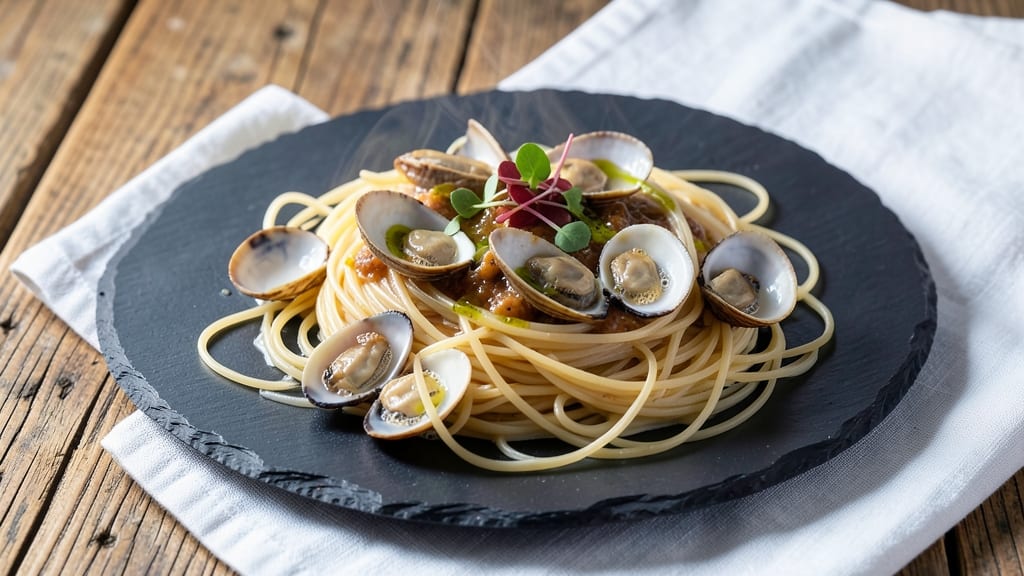
This angel hair pasta with clam sauce delivers a perfect balance of briny clams and rich garlic butter over delicate strands. The secret lies in a velvety sauce that clings to each strand, transforming simple ingredients into a restaurant-worthy dish.
I've refined this recipe over years to ensure the clams stay tender while the sauce achieves that perfect silky texture.
The process begins with sautéing garlic in olive oil until fragrant, then adding clams and white wine to create a fragrant base. A touch of cream and butter transforms this into a luxurious sauce that coats the pasta beautifully.
The key is timing—adding the pasta just before the sauce is fully emulsified ensures every strand is perfectly coated.
What you'll end up with is a dish that's elegant yet approachable, with tender clams and al dente pasta bathed in a sauce that's both rich and delicate.
The aroma alone will have everyone anticipating dinner. This recipe is perfect for impressing guests or treating yourself to a special meal without the fuss.
Serve immediately with a sprinkle of fresh parsley and a squeeze of lemon to brighten the flavors. The sauce will cling to each strand, creating a dish that's both visually stunning and incredibly satisfying. Let's get cooking!
Ingredients for angel hair pasta with clam sauce
Eight simple ingredients transform into a restaurant-worthy dish with briny clams and velvety garlic butter sauce.
| Ingredient | Amount | Notes |
|---|---|---|
| Angel Hair Pasta 🍝 | 8 oz | Dry, al dente preferred |
| Fresh Clams 🦪 | 1 ½ lb | Medium-sized, cleaned |
| Extra-Virgin Olive Oil 🫒 | ½ cup | For sautéing garlic |
| Garlic Cloves 🧄 | 4 cloves | Minced, fresh preferred |
| Dry White Wine 🍷 | ½ cup | Sauvignon Blanc or Pinot Grigio |
| Heavy Cream 🥛 | ½ cup | Full-fat for richness |
| Unsalted Butter 🧈 | 4 tbsp | Cold, cubed for finishing |
| Fresh Parsley 🌿 | ¼ cup | Chopped, for garnish |
| Lemon Juice 🍋 | 2 tbsp | Freshly squeezed |
| Salt 🧂 | 1 tsp | Kosher or sea salt |
| Black Pepper 🌶️ | ½ tsp | Freshly ground |
| Red Pepper Flakes 🌶️ | ¼ tsp | Optional, for heat |
The clams are the star—fresh is non-negotiable. Head to the seafood counter at Whole Foods or your local fishmonger for the best selection. Look for clams that are tightly closed or still alive; if they're open, tap them gently—they should snap shut. Medium-sized clams (about 1.5 inches) are perfect for this dish. If you can't find fresh clams, canned clams in juice work in a pinch, but drain and rinse them well. The garlic? Freshly minced makes all the difference—pre-minced from a jar lacks that aromatic punch. Toast it in the olive oil until it's golden and fragrant, but don't let it brown or it'll turn bitter.
No white wine? Dry vermouth or even chicken broth can stand in, though the flavor won't be identical. The heavy cream is where the sauce gets its luxurious texture—full-fat is a must; low-fat or non-fat won't emulsify properly. Butter finishes the sauce, adding that rich, velvety quality. If you're avoiding dairy, coconut cream works beautifully (just reduce the amount slightly). The pasta? Angel hair is ideal, but linguine or spaghetti will work if that's what you've got. Just make sure it's al dente—undercooked pasta turns mushy in the sauce, and overcooked loses its bite. For extra flavor, toss the cooked pasta with a little pasta water before adding it to the sauce.
Clams keep best in the fridge for 1-2 days if they're still alive; store them in a damp towel in the shell. Once cooked, this dish is best served immediately—the sauce loses its silky texture as it cools. If you need to reheat leftovers, do it gently over low heat with a splash of water or wine to prevent the sauce from breaking. The pasta reheats beautifully, but the clams can turn rubbery, so it's best to eat them fresh. Garnish with fresh parsley and a squeeze of lemon right before serving—the acidity cuts through the richness and brightens the whole dish. Store any leftovers in an airtight container for up to 2 days, but honestly, it won't last that long.
Why You'll Love This Recipe
- One-Pot Magic: I swear by this recipe because it’s literally one pan—no saucepan, no mess. Toss the clams and garlic in olive oil, let them sizzle, then pour in the wine and pasta all at once. The clams steam open, the pasta cooks in the broth, and your kitchen stays cleaner than my boyfriend’s socks on laundry day.
- Briny-Garlicky Bliss: That first bite? Chef’s kiss. The clams add this bright, oceanic punch, while the garlic and wine mellow it into something rich and silky. Honestly, the sauce tastes even better the next day—like a flavor upgrade your taste buds didn’t know they needed.
- Date Night or Lazy Sunday: This dish is fancy enough for a candlelit dinner but so easy you’ll make it when you’re too tired to order takeout. Pair it with a bottle of the same wine you cook with, and suddenly you’re a romantic (or just really hungry).
- Leftovers That Don’t Suck: Most pasta leftovers turn into sad, gloppy sludge. Not this. The clam sauce clings to the angel hair like it’s afraid to let go, so reheating is just a quick stir with a splash of water. I’ve fed my family this for lunch three days in a row—no complaints, just empty plates.
Step-by-step instructions for angel hair pasta with clam sauce
Here's how to create a restaurant-worthy dish with briny clams and rich garlic butter sauce.
👨🍳 Step 1: Prepare the Clams and Cook the Pasta
Start by cleaning the 1.5 lb fresh clams thoroughly under cold running water, scrubbing each one with a stiff brush to remove any grit. Discard any clams that are open and don't close when tapped or have broken shells. Set aside 12-15 clams for garnish and keep the rest for cooking.
Bring a large pot of water to a rolling boil and add 1 tsp salt. Add the 8 oz angel hair pasta and cook for 1 minute less than the package instructions (usually about 7-8 minutes). Reserve ½ cup pasta water before draining, then set the pasta aside and cover to keep warm. The pasta should be al dente—slightly firm to the bite.
🍳 Step 2: Sauté Garlic in Olive Oil and Deglaze with Wine
Heat 0.5 cup extra-virgin olive oil in a large skillet over medium heat until shimmering. Add the 4 cloves minced garlic and sauté for 30-45 seconds until fragrant but not browned. Here's the thing—garlic burns fast, so keep an eye on it.
Remove the skillet from heat and add the 0.5 cup dry white wine. Return to medium heat and simmer for 2-3 minutes until the wine reduces by half. This step builds the foundation of your sauce, so don't rush it. The wine should smell rich and slightly concentrated.
🍳 Step 3: Cook the Clams and Finish the Sauce
Add the remaining clams to the skillet along with 0.5 tsp black pepper and 0.25 tsp red pepper flakes. Cover and steam for 3-5 minutes until most clams open. Discard any that remain closed. Remove the clams with a slotted spoon and set aside, reserving the clam liquid in the skillet.
Pour in the 0.5 cup heavy cream and stir, letting it simmer for 2 minutes until slightly thickened. Add 2 tbsp lemon juice and stir again. The sauce should be velvety with a bright, briny tang. If it's too thick, add 1-2 tablespoons of reserved pasta water to loosen it.
🥘 Step 4: Combine Pasta and Sauce with Butter Finish
Add the cooked pasta to the skillet and toss gently to coat in the sauce. The residual heat will finish cooking the pasta perfectly. Stir in the 4 tbsp cold unsalted butter, one piece at a time, until melted and incorporated. This adds a luxurious richness that balances the briny clams.
Taste and adjust seasoning with more salt or lemon juice if needed. The sauce should be perfectly balanced—briny from the clams, rich from the cream, and bright from the lemon. Divide the pasta among plates and garnish with the reserved clams and 0.25 cup chopped fresh parsley.
Pro Tips For Making Angel Hair Pasta With Clam Sauce
- STOP BOILING CLAMS DRY: I learned this the hard way—clam sauce turns bland when you overcook the clams. Once they open, pull them out immediately and set aside. The sauce needs their briny liquid, but the clams themselves should stay tender, not rubbery. Two minutes max after they open, or you’ll regret it.
- SWEAT GARLIC LOW AND SLOW: High heat burns garlic before it renders its flavor. Use medium-low and stir constantly for 3-4 minutes until it’s golden but not crispy. If your kitchen smells like victory, you’ve done it right. This is where the sauce builds its depth—don’t rush it.
- RESERVE THAT PASTA WATER: Angel hair soaks up sauce like a sponge. Before draining, scoop out ½ cup of starchy pasta water and toss it with the clams and garlic before adding wine. It binds everything together and keeps the sauce silky instead of gloppy. (Yes, even if you’re impatient like me.)
- USE THE RIGHT WINE: Skip the cheap plonk—you’re not making pasta salad. A dry, crisp white like Pinot Grigio or Sauvignon Blanc adds brightness that cuts through the clams’ saltiness. If you’re out, a splash of lemon juice works, but the wine’s acidity is non-negotiable for balance. (I know, I know—your $5 box wine won’t cut it.)
Perfect pairings for this dish
White Wine Pairings
This dish practically begs for a crisp Sauvignon Blanc—its bright citrus notes mirror the lemon in the sauce and cut through the richness beautifully. I love Cloudy Bay or Kim Crawford for their zesty acidity that refreshes your palate between bites.
For something lighter, a Pinot Grigio from Alto Adige provides delicate floral notes that complement the clams without overpowering them. 🍷
Italian Lager Balance
A chilled Peroni or Moretti cleanses the palate after each forkful, with their subtle malt sweetness balancing the briny clams. For craft beer lovers, a Belgian witbier like Hoegaarden adds a peppery, citrusy contrast that enhances the dish's complexity. Avoid heavy IPAs—they'll clash with the delicate sauce.
Crisp Sparkling Wine
For a celebratory touch, serve Prosecco or Cava alongside. The effervescence helps reset your palate between bites, while the light fruitiness complements the garlic and lemon. I often use La Marca Prosecco—its crisp acidity makes every bite taste fresh. 🥂
Non-Alcoholic Options
Sparkling water with a splash of San Pellegrino and a lemon twist works perfectly. For something more substantial, try Sanbitter—its bitter orange and grapefruit notes provide a sophisticated contrast to the creamy sauce. These options keep the meal elegant without alcohol.
Bread Pairing
Serve with garlic bread or focaccia to soak up any stray sauce. I like Schär brand for its crisp crust and herby flavor—it's the perfect companion to this dish. The bread also helps balance the meal's richness. 🥖
Nutrition facts
Frequently asked questions
Can I use canned clams instead of fresh?
Yes, but with adjustments! Drain and rinse canned clams thoroughly to remove excess liquid. Use 1 (14.5 oz) can instead of 1.5 lbs fresh and add them directly to the skillet after the wine reduction. The flavor will be slightly milder, but the texture remains tender. For extra brininess, add 1 tbsp lemon juice when cooking the clams.
How do I know when clams are done?
Clams are ready when 75-80% open—discard any that remain closed after 5 minutes of steaming. The shells should gape slightly, revealing tender flesh. Overcooked clams turn rubbery, so time them carefully. If using canned clams, skip this step entirely—they're pre-cooked.
Can I make this ahead of time?
Not ideal for the sauce—it thickens when cold and loses its silky texture. Cook the pasta and clams separately, then reheat everything together over low heat with 1 tbsp pasta water. Add fresh parsley and lemon after reheating. For best results, serve immediately for that restaurant-quality experience.
What if my sauce gets too thick?
Add 1-2 tbsp reserved pasta water gradually while stirring to loosen the sauce. The starch in pasta water acts as a natural thickener, so a little goes a long way. Avoid adding too much at once—you want to restore silkiness, not turn it watery. For extra richness, finish with another 1 tbsp butter.
Is angel hair pasta essential?
Not strictly, but it's perfect for this dish! If unavailable, use linguine or spaghetti (cook 1 minute less than package instructions). For a heartier option, try fettuccine—just reduce the sauce slightly to avoid a soggy texture. The thinner strands ensure maximum sauce clinging, but any pasta works in a pinch.