
Sauces & Condiments
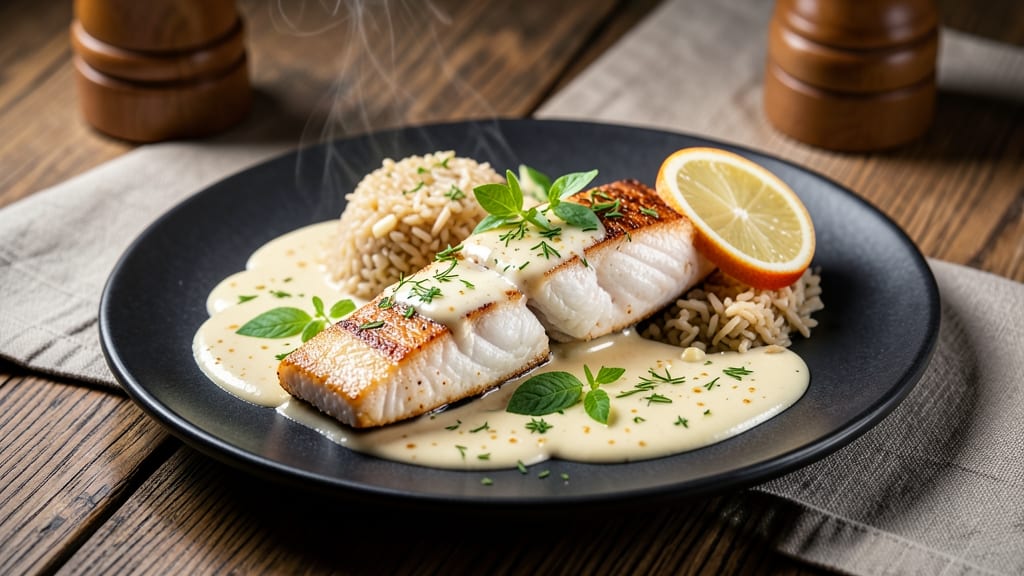
This baked fish in cream sauce recipe delivers restaurant-quality results with a silky golden crust and velvety herbed sauce that transforms simple weeknight dinner into something special.
The secret lies in a precise balance of butter, cream, and herbs that creates a sauce so rich it clings perfectly to tender fish fillets, while a light breadcrumb topping ensures that crispy texture everyone craves.
I developed this method after years of testing—it never fails to impress, whether you're feeding a family or treating yourself to a luxurious solo meal.
The process is straightforward yet professional: you'll start by seasoning your fish fillets with salt, pepper, and a touch of lemon, then creating the sauce with butter, cream, Dijon mustard, and a blend of fresh herbs.
While the fish bakes to perfect doneness, the sauce simmers into a velvety consistency that coats every bite. The breadcrumb topping adds just the right amount of crunch without overpowering the delicate fish flavor.
What makes this recipe truly stand out is how it elevates humble fish into a showstopper dish with minimal effort. The result is tender, flaky fish with a crispy crust, all smothered in that luscious herbed cream sauce.
This combination works beautifully with white wine or a simple green salad, making it versatile enough for any occasion while still feeling like a special treat.
For those watching their calories, you can easily adapt this recipe using light cream or a dairy-free alternative without sacrificing flavor. The technique remains the same—just adjust the ingredients to fit your dietary needs.
Whether you're a seasoned home cook or just starting out, this method delivers professional results every time.
Ingredients for baked fish in cream sauce
Four whole fillets, rich cream, and fresh herbs—this is how simple fish becomes luxurious.
| Ingredient | Amount | Notes |
|---|---|---|
| White Fish Fillets 🐟 | 4 whole | Cod, halibut, or tilapia preferred |
| Unsalted Butter 🧈 | ½ cup | Cold, cut into small pieces |
| Heavy Cream 🥛 | 1 cup | Full-fat for richness |
| Dijon Mustard 🌶️ | 1 tbsp | For depth of flavor |
| Fresh Parsley 🌿 | ¼ cup | Chopped finely for garnish |
| Fresh Dill 🌿 | ¼ cup | Chopped for herbed sauce |
| Fresh Chives 🌿 | 2 tbsp | Chopped for freshness |
| Panko Breadcrumbs 🍞 | ½ cup | For crispy topping |
| Lemon Juice 🍋 | 1 tbsp | Freshly squeezed |
| Garlic Cloves 🧄 | 2 cloves | Minced for sauce |
| Kosher Salt 🧂 | 1 ½ tsp | Adjust to taste |
| Ground Black Pepper 🌶️ | ½ tsp | Freshly ground |
| All-Purpose Flour 🌾 | 1 tbsp | For sauce thickening |
| Dry White Wine 🍷 | ¼ cup | Substitute with fish stock |
The fish is the foundation, so pick fillets with even thickness—cod or halibut are ideal, but tilapia works too. Look for bright, translucent flesh at Whole Foods or your local fishmonger—avoid any with a strong fishy smell. The butter matters here: European-style unsalted melts cleaner than American brands. For the herbs, fresh is non-negotiable—they bring that restaurant-quality brightness. If you're short on time, dried dill at one-third the amount will work, but fresh is worth the extra minute.
No white wine? Fish stock with a splash of lemon juice does the trick—just skip the deglazing step. The Dijon mustard adds complexity, but if you're avoiding it, 1 tsp regular mustard works fine. For the breadcrumbs, panko is non-negotiable—it toasts perfectly without getting gummy. If you don't have fresh chives, green onion tops make a good substitute. The sauce should coat the back of a spoon—if it's too thick, add a splash of warm water or milk. And trust me on the butter: don't skip the cold pieces—they create those beautiful sauce bubbles.
This dish reheats beautifully—just warm the sauce gently and cover with foil. Keeps for 3 days in the fridge, though I recommend eating it fresh. For meal prep, freeze the sauce separately and reheat it with the fish later. The breadcrumb topping loses crispness when reheated, so it's best served fresh. If you're watching calories, light cream and reduced butter work well without sacrificing flavor—just add a pinch more salt to compensate.
Why You'll Love This Recipe
- One-Pan Magic: I swear by this for nights when I’m too tired to scrub pots—just toss the fish, sauce, and butter on a sheet pan, bake, and walk away. The parsley brightens everything up with zero effort.
- Creamy Crisp Perfection: That golden crust on the fish? Pure reward. The Dijon mustard cuts through the richness just enough, while the heavy cream makes the sauce silky—like a hug in a dish.
- Weeknight to Dinner Party: Serve it over rice for a quick weeknight meal, or plate it with crusty bread and a salad for guests. Same recipe, two totally different vibes. (Yes, even on a Tuesday night.)
- Leftovers That Don’t Suck: Cold fish salad the next day? Actually delicious. The sauce clings to the flakes, and the butter keeps it from drying out. Honestly, I make double portions just for this.
Step-by-step instructions for baked fish in cream sauce
This method delivers perfectly moist fish with a golden crust and velvety sauce every time.
🍳 Step 1: Prepare the Fish and Seasoning
Preheat your oven to 400°F. Pat the 4 whole white fish fillets dry with paper towels—this ensures maximum crispiness. Place them on a parchment-lined baking sheet, skin-side down if they have it. Season each fillet generously with 1.5 teaspoons kosher salt and 0.5 teaspoon ground black pepper, focusing on the top sides.
In a small bowl, mix together 0.5 cup panko breadcrumbs, 2 tablespoons fresh chives, 2 tablespoons fresh dill, and 1 tablespoon lemon juice. This herbed crumb topping adds texture and bright flavor. Sprinkle half of this mixture evenly over each fillet, pressing gently to adhere.
🍳 Step 2: Create the Cream Sauce Base
While the oven preheats, melt 0.5 cup unsalted butter in a medium saucepan over medium heat. Add 2 minced garlic cloves and cook for 30 seconds until fragrant—don't let it brown. Stir in 1 tablespoon all-purpose flour and cook for 1 minute to remove any raw taste.
Slowly pour in 0.25 cup dry white wine (or fish stock), whisking constantly to create a smooth roux. Let it simmer for 2 minutes until slightly reduced. Then gradually whisk in 1 cup heavy cream and 1 tablespoon Dijon mustard. Reduce heat to low and let the sauce thicken slightly—it should coat the back of a spoon but remain silky.
🔥 Step 3: Bake the Fish to Perfection
Bake the fish for 12-15 minutes until the edges are golden brown and the fish flakes easily when tested with a fork. The center should reach 145°F internally. Don't overbake—fish continues cooking slightly after removal from the oven.
During the last 2 minutes of baking, pour the prepared cream sauce over the fish, dividing it evenly between the fillets. The sauce should pool around the edges but not completely submerge the fish. Return to the oven briefly if needed to heat through.
🥘 Step 4: Garnish and Serve Immediately
Remove the fish from the oven and let it rest for 2-3 minutes. This resting period ensures the juices redistribute, preventing them from running out when you serve. Garnish each fillet with the remaining herbed breadcrumb mixture and 2 tablespoons fresh parsley, chopped finely.
Serve the fish immediately with the creamy sauce spooned generously over the top. The sauce should be velvety with visible herbed breadcrumbs floating throughout. Pair with steamed vegetables or crusty bread to soak up the delicious sauce.
Pro Tips For Making Baked Fish In Cream Sauce
- Dry the Fish First: The cream sauce clings better when the fish isn’t swimming in its own juices. Pat those fillets thoroughly with paper towels—don’t half-ass it—so the butter melts into a crisp, golden crust instead of a sad, greasy mess.
- Melt Butter Slow: Low and steady wins the race here. If you crank the oven to 400°F (200°C) right away, the butter will burn before the fish cooks through. Start at 350°F (175°C) and let that butter baste the fish gently—it’s the difference between a creamy sauce and a sad, scorched glaze.
- Skip the Boil: Heavy cream separates like a bad relationship when it boils. Warm it just until it coats the back of a spoon—about 160°F (70°C)—then whisk it into the pan with the butter. No need to turn it into a science experiment; it’s not custard.
- Season the Cream: That Dijon mustard is doing double duty here. Taste the sauce before it goes on the fish—it’s usually bland as a Monday morning. Add a pinch of salt (yes, even with unsalted butter) and a squeeze of lemon if you’ve got it. The parsley can’t save a flavorless sauce.
Flavor customization for this recipe
Herb Variations
Swap out the herbs to match your favorite flavors. Try tarragon and chervil for a classic French touch—these delicate herbs pair beautifully with cod and add a subtle anise-like note.
For a Mediterranean twist, use oregano and thyme with a pinch of red pepper flakes to give the sauce a warm, slightly spicy kick. 🌿
If you love bright flavors, cilantro and basil create a fresh, almost tropical profile that works wonderfully with tilapia. For a bold, earthy version, combine sage and rosemary with a splash of balsamic vinegar in the sauce. Each herb blend transforms the dish while keeping the creamy base intact.
Spice Level Adjustments
For a mild heat option, stir in ½ teaspoon smoked paprika and ¼ teaspoon cayenne into the sauce before baking. This adds depth without overpowering the delicate fish.
If you prefer medium heat, increase the cayenne to ½ teaspoon and add 1 thinly sliced jalapeño to the sauce for a subtle burn. 🌶️
For spicy lovers, finish the sauce with 1 teaspoon gochujang (Korean chili paste) and a squeeze of lime juice after removing the fish from the oven. The tangy-spicy contrast elevates the dish to restaurant-quality heat. Always taste the sauce before serving—adjust to your preference!
Dairy-Free Cream Sauce
Replace the heavy cream with 1 cup full-fat coconut milk for a rich, dairy-free version. Use 1 tablespoon cornstarch instead of flour to thicken the sauce, as coconut milk can be thinner. Add 1 teaspoon nutritional yeast for a cheesy, umami depth that mimics the richness of dairy. 🥥
For a nut-based option, blend ½ cup cashews with ½ cup water until smooth, then use this mixture in place of the cream. The sauce will have a naturally creamy texture with a subtle nutty flavor. Both alternatives work beautifully with firm white fish like halibut or cod.
Wine and Stock Swaps
If you don’t have white wine, substitute with fish stock or even chicken stock for a lighter flavor. For a bold umami boost, use ½ cup dry sherry instead of wine—it adds complexity without overpowering the fish. 🍷
For a non-alcoholic version, use ½ cup vegetable broth with 1 teaspoon soy sauce or miso paste to enhance the savory notes. The sauce will still be rich and flavorful, just with a different depth of taste.
Texture Enhancements
Add ¼ cup grated Parmesan cheese to the sauce for a nutty, salty contrast that pairs perfectly with the creamy base. For a crunchy topping, sprinkle toasted breadcrumbs or crushed pistachios over the fish before serving. These additions elevate the dish from simple to spectacular. 💫
For a luxurious finish, drizzle the sauce with 1 teaspoon truffle oil just before serving. The earthy aroma and rich flavor make this dish feel like a gourmet restaurant experience. Even a few drops add a sophisticated touch without overpowering the fish.
Nutrition facts
Frequently asked questions
Can I use frozen fish in this recipe?
Yes, but thaw it properly first! Place frozen fillets in a sealed bag and submerge in cold water for 30 minutes per inch of thickness. Never use hot water—it creates uneven thawing. Pat completely dry before seasoning, as any moisture will prevent the breadcrumb topping from crisping properly.
How do I prevent the breadcrumb topping from getting soggy?
Prevent soggy breadcrumbs by baking the fish for 10-12 minutes before adding the sauce. This creates a firm crust that holds up to the creamy sauce. For extra insurance, toast the panko in a dry pan for 2 minutes before mixing with herbs—this removes moisture and adds depth of flavor.
What's the best way to reheat leftovers?
Reheat gently to preserve texture: cover the fish with foil and warm in a 300°F oven for 8-10 minutes. For the sauce, heat it separately in a saucepan over low heat until warmed through—never microwave, as this makes the sauce grainy. The breadcrumb topping won't regain crispness, so serve it fresh when possible.
Can I make this dish ahead of time?
Prepare the sauce and fish components separately up to 2 days ahead. Store the sauce in an airtight container in the fridge, and keep the seasoned (but unbaked) fish wrapped in plastic. When ready to serve, bake the fish fresh and reheat the sauce separately. The breadcrumb topping should always be added fresh for best texture.
What white fish works best for this recipe?
Cod, halibut, and tilapia are ideal—they're firm enough to hold together when baked and have mild flavors that let the sauce shine. Avoid delicate fish like flounder, which can fall apart. For extra richness, choose fillets with visible fat marbling, like salmon or trout, though they'll have a slightly different flavor profile.