
Sauces & Condiments
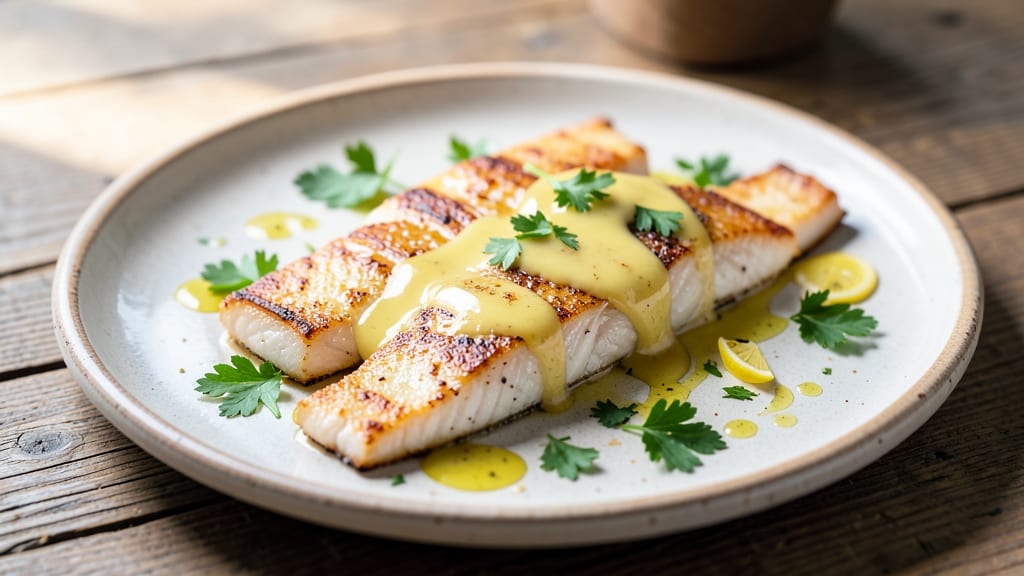
Baked fish with lemon butter sauce transforms simple weeknight dinners into restaurant-worthy meals with minimal effort. The secret lies in balancing tender fish with a bright, citrus-kissed butter that melts into every flake, creating a harmonious blend of richness and acidity. I've perfected this technique over years of testing—no fancy equipment or advanced skills required, just quality ingredients and a few key steps.
What makes this recipe stand out is the sauce preparation: melted butter infused with fresh lemon juice, garlic, and herbs creates a velvety coating that enhances rather than overpowers the fish.
The baking process ensures even cooking—no overcooked edges or dry centers—while the sauce develops a delicate sheen that glistens under the oven light. This method works beautifully with firm white fish like cod or halibut, but even beginners can achieve professional results.
The result is perfectly baked fish with crisp edges and tender centers, topped with a sauce that's rich yet refreshing. Each bite delivers a perfect marriage of buttery richness and bright citrus notes, making this dish equally impressive for date nights or casual family meals.
The best part? It comes together in under 30 minutes with minimal cleanup.
Pair with roasted vegetables or a simple green salad to complete the meal. The sauce can also be made ahead and reheated gently, giving you even more flexibility. Let's get started—this recipe delivers foolproof, restaurant-quality results every time.
Ingredients for baked fish with lemon butter sauce
Quality fish, bright citrus, and velvety butter transform simple fillets into restaurant-worthy perfection.
| Ingredient | Amount | Notes |
|---|---|---|
| White Fish Fillets 🐟 | 4 pieces | Cod or halibut, 6-8 oz each |
| Unsalted Butter 🧈 | ½ cup | Cold, cut into cubes |
| Fresh Lemon Juice 🍋 | ¼ cup | From 2-3 lemons, freshly squeezed |
| Garlic Cloves 🧄 | 4 cloves | Minced, for sauce infusion |
| Fresh Parsley 🌿 | ¼ cup | Chopped, for garnish and flavor |
| Extra-Virgin Olive Oil 🫒 | 2 tbsp | For drizzling on fish |
| Diamond Crystal Kosher Salt 🧂 | 1 ½ tsp | For seasoning fish and sauce |
| Ground Black Pepper 🌶️ | ½ tsp | Freshly cracked preferred |
| Fresh Dill 🌿 | 2 tbsp | Chopped, for herbaceous depth |
| All-Purpose Flour 🌾 | 1 tbsp | For dredging fish fillets |
| Lemon Zest 🍋 | 1 tsp | From 1 lemon, for aromatic boost |
| Heavy Cream 🥛 | ¼ cup | Optional, for sauce richness |
The fish selection is critical—cod or halibut deliver the ideal balance of tenderness and firmness. Purchase fillets from a trusted seafood counter, where they're typically flash-frozen for freshness—look for vibrant color and minimal odor. Whole Foods or local fishmongers often carry sustainably sourced options, but even supermarket brands like Gorton's or Van Camp's work well. For the butter, Plugrá or Kerrygold offer superior flavor, though any high-quality unsalted butter will suffice. Fresh herbs are non-negotiable here—dried dill loses its brightness, so invest in a small bunch from the grocery store's produce section or a farmers' market.
No fresh dill? Substitute with 1 tbsp dried dill—but reduce to one-third the amount. Heavy cream unavailable? Substitute with an extra 1 tbsp butter for richness, though the sauce will be slightly lighter. For the lemon juice, bottled lemon juice works in a pinch, but fresh is always superior. The flour dredge is optional but creates a delicate crust—use all-purpose flour for best results, as bread flour can make the coating too dense. If you prefer a lighter texture, simply skip it and rely on the olive oil and salt for seasoning. The garlic should be freshly minced for maximum flavor; pre-minced garlic often contains anti-caking agents that mute its punch.
Fresh fish should be used within 2 days of purchase for optimal texture. Store fillets wrapped in paper towels in the coldest part of your fridge. The lemon butter sauce can be made 1 day ahead and reheated gently in a saucepan over low heat, adding a splash of water or cream if it thickens too much. For make-ahead convenience, portion the sauce into small containers and freeze for up to 3 months. When reheating from frozen, thaw overnight in the fridge and warm through on the stove—never microwave, as it can break the butter's emulsion. The sauce pairs beautifully with roasted asparagus or a simple arugula salad, completing the meal with vibrant contrast.
Why You'll Love This Recipe
- One-Pan Magic: I swear by this recipe when I’m too tired to wash dishes. Just toss the fish, butter, and herbs on a sheet pan—no pots, no pans—and let the oven do the work.
- Zesty Garlic Kiss: That bright lemon cutting through the rich butter? It’s like a flavor hug. The garlic sizzles into caramelized perfection, and the parsley adds a fresh finish that makes every bite feel special.
- Weeknight to Dinner Party: Honestly, this is my go-to for lazy Tuesdays and when I’m hosting. The same simple prep works for a quiet dinner or impressing guests—just plate it with crusty bread and a salad.
- Budget-Friendly Luxury: White fish is affordable, and this sauce stretches the flavor without breaking the bank. Leftovers reheat beautifully, so I often double the batch—no waste, just more delicious meals.
Step-by-step instructions for baked fish with lemon butter sauce
Here's the method for achieving perfectly tender fish with a velvety lemon butter sauce that clings beautifully to every flake.
Prepare the Fish Fillets for Optimal Texture
Pat the four pieces of white fish fillets completely dry using paper towels. This step is crucial—any moisture on the surface will prevent the flour from adhering properly and can lead to a watery sauce. Place each fillet on a wire rack set over a plate to ensure maximum air circulation on all sides.
In a shallow dish, combine the 1 tablespoon all-purpose flour, 1.5 teaspoons kosher salt, 0.5 teaspoon black pepper, and 1 teaspoon lemon zest. Lightly dredge each fillet in this mixture, pressing gently to ensure even coating. The flour creates a delicate crust that will crisp slightly during baking while the lemon zest adds immediate brightness. Arrange the seasoned fillets on a parchment-lined baking sheet, leaving about 1 inch between each piece to allow for even browning.
Create the Lemon Butter Sauce Base
In a small saucepan, melt the 0.5 cup unsalted butter over medium-low heat. Once fully melted, remove from heat and stir in the 0.25 cup fresh lemon juice and 4 cloves minced garlic. Return the saucepan to low heat and let it simmer gently for 3-4 minutes, stirring constantly. This gentle cooking allows the garlic to infuse without burning, while the lemon juice begins to reduce slightly, intensifying its flavor.
In a separate small bowl, whisk together the 0.25 cup heavy cream and 2 tablespoons chopped fresh dill. Slowly pour this mixture into the lemon butter, whisking continuously to create a smooth, emulsified sauce. The cream adds richness while the dill provides a fresh herbal note that complements the citrus. Keep this sauce warm over low heat while you bake the fish—it should remain thick enough to coat the back of a spoon but still flow easily.
Bake the Fish to Perfect Doneness
Preheat your oven to 375°F with the rack positioned in the middle position. Drizzle each fish fillet lightly with 1 teaspoon extra-virgin olive oil, then bake for 12-15 minutes. The fish is done when it reaches an internal temperature of 145°F and flakes easily with a fork. You'll know it's ready when the edges turn just slightly opaque and the center remains translucent with no resistance when pierced.
During the last 2 minutes of baking, increase the oven temperature to 400°F to promote light browning on the fish's surface. This final burst of heat helps create a subtle crust while maintaining the fish's delicate texture. Remove the fillets from the oven and transfer them immediately to a warm serving platter, spooning the lemon butter sauce generously over each piece.
Finish with Fresh Herbs and Garnish
While the fish is still warm, sprinkle each fillet with 1 tablespoon chopped fresh parsley and an additional 0.5 teaspoon black pepper. The parsley provides a fresh, vibrant contrast to the rich lemon butter sauce, while the pepper adds a final layer of complexity. Serve the fish immediately, as the sauce will continue to meld with the warm fish and any residual heat will help it cling beautifully to each flake.
The sauce should coat the fish in a glossy, citrus-infused layer that balances the delicate flavor of the fish. Each bite should deliver a harmonious combination of tender fish, bright lemon, rich butter, and fresh herbs. This method ensures the fish remains moist while the sauce achieves the perfect balance of tangy, creamy, and herbal notes.
Pro Tips For Making Baked Fish With Lemon Butter Sauce
- Pat the fish DRY first: Wet fish steams instead of browning—no one wants sad, pale fillets. Grab paper towels and press firmly, even if it feels excessive. I learned this the hard way when my lemon butter sauce pooled like soup instead of clinging to crisp edges.
- Use room-temperature butter: Cold butter won’t melt properly, leaving you with a lumpy sauce. Take it out 20 minutes before cooking—yes, even if you’re impatient like me. The sauce will emulsify smoothly, and the garlic won’t burn before the butter softens.
- Don’t overcrowd the pan: Stacking fillets or piling too much garlic on top steams the fish instead of searing it. Give each piece space—think single-layer, not sardine can. My grandmother swore by this, and she was right: the sauce gets to caramelize properly, not turn into a sad, watery glaze.
- Finish with lemon zest: Skip the juice-only approach—add a teaspoon of fresh zest at the end. It brightens the sauce instantly without overpowering, and it’s the thing that matters most when balancing the richness of the butter. (Yes, even if you’re not a fan of zest—trust me on this.)
Pro cooking tips for great baked fish with lemon butter sauce
Temperature Precision
The oven temperature is your secret weapon for perfectly baked fish. Start with 375°F for gentle, even cooking that preserves moisture. I use an oven thermometer to verify accuracy—many home ovens run 25°F hotter or colder than set.
For the final 2 minutes, crank it up to 400°F to create a delicate crust without overcooking the center. This two-stage approach gives you the best of both worlds: tender fish with a subtle golden finish. 🌡️
Sauce Emulsification
Creating a silky sauce requires patience and proper technique. After melting the 0.5 cup butter, remove it from heat before adding lemon juice and garlic—this prevents scorching. When combining with cream, whisk vigorously in a slow, steady motion to emulsify properly.
I like to use a hand mixer for 10-15 seconds to create a velvety texture. If the sauce breaks, simply reheat gently while whisking continuously. The goal is a sauce that clings beautifully to the fish without separating. ✨
Fish Doneness Test
Don't rely on time alone—use the fork test for perfect doneness. When the fish reaches 145°F internal temperature, it should flake easily with gentle pressure. The edges should be just slightly opaque, but the center should remain translucent.
I've ruined many a good fish by overcooking it, so I always check with a meat thermometer. For thicker fillets (over 1 inch thick), add 2-3 minutes to your baking time. 💡
Butter Quality Matters
Invest in high-quality butter for superior flavor—Plugrá or Kerrygold are my top choices. The higher fat content (82-86%) creates a richer sauce that emulsifies better. Avoid margarine or low-fat butter substitutes, as they won't provide the same luxurious mouthfeel.
For extra richness, I sometimes add 1 tablespoon heavy cream to the sauce, but only after it's fully emulsified to prevent curdling. The butter should melt smoothly without any graininess. 🧈
Preventing Dry Fish
Moisture control is key to tender fish. Pat the fillets completely dry before seasoning to prevent steam from creating a watery sauce. Arrange them on a wire rack over a baking sheet to allow air circulation on all sides.
For extra insurance, I place a small dish of water in the oven during baking—this adds humidity to the cooking environment. Never skip the olive oil drizzle before baking, as it helps create a protective barrier against dryness. 💫
Sauce Thickness Control
Your sauce should be thick enough to coat the back of a spoon but still flow smoothly. If it becomes too thick during reheating, add 1-2 teaspoons warm water while whisking.
For extra richness, I sometimes stir in 1 teaspoon lemon zest at the end—this adds aromatic depth without altering the texture. The sauce should cling to the fish without pooling on the plate.
Taste as you go and adjust the lemon-to-butter ratio to suit your preference for brightness or richness. 💛
Nutrition facts
Frequently asked questions
Can I use frozen fish for this recipe?
Yes, but thaw it properly first! Place frozen fillets in the fridge overnight in a sealed bag to maintain quality. Never thaw at room temperature, as this promotes bacterial growth. For extra insurance, pat thawed fish completely dry before seasoning—any excess moisture can dilute the sauce.
What's the best fish for this lemon butter sauce?
Firm white fish works best—try cod, halibut, or mahi-mahi. These varieties stay moist during baking and hold up well to the sauce's brightness. Avoid delicate fish like flounder, as they can turn mushy. For variety, salmon pairs beautifully with the lemon butter, though it'll have a slightly different flavor profile.
How do I fix a broken sauce?
Simply reheat gently while whisking continuously. If it separates completely, whisk in 1 teaspoon cold butter to re-emulsify. For extra richness, add 1 tablespoon warm cream while whisking vigorously. The key is patience—don't rush the process.
Can I make this ahead of time?
Yes! Prepare the sauce up to 1 day ahead and store in the fridge. Reheat gently over low heat, adding a splash of water if needed. For the fish, bake fresh for best texture, but you can assemble the dish (sauce on fish) up to 2 hours ahead and reheat in a 350°F oven for 5-8 minutes to warm through.
Why did my fish turn out dry?
Most likely from overcooking or not patting dry enough. Always use a meat thermometer (145°F internal temp) and check for flakiness. For extra moisture, place a small water dish in the oven during baking. The olive oil drizzle before baking also helps create a protective barrier.