
Sauces & Condiments
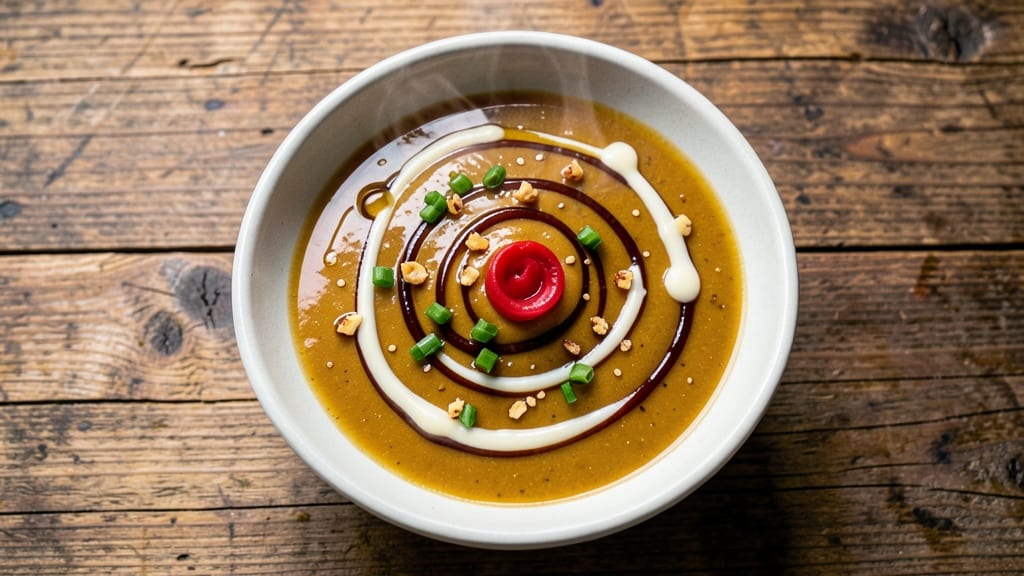
This quick homemade Asian mustard sauce delivers restaurant-quality depth in just 10 minutes—no fancy equipment required. The secret lies in balancing sharp mustard with umami-rich soy sauce and a touch of sweetness, creating a versatile sauce that elevates everything from grilled meats to fresh spring rolls.
I developed this recipe after years of testing store-bought versions that always fell short of that perfect tangy-sweet balance.
The foundation is simple: yellow mustard, rice vinegar, and soy sauce form the core, while honey or brown sugar adds just enough sweetness to complement the heat. A splash of sesame oil introduces nutty depth, and fresh ginger or garlic (if you're feeling adventurous) adds aromatic complexity.
The sauce emulsifies naturally as you whisk, creating a silky texture that clings beautifully to noodles, proteins, or vegetables.
What makes this sauce truly special is its versatility—use it as a dipping sauce for dumplings, a glaze for grilled chicken, or a quick marinade for tofu. The flavor develops as it sits, so making a batch ahead of time ensures you're always ready for last-minute meals.
Store it in the fridge for up to two weeks, or freeze portions for longer shelf life.
For an extra layer of sophistication, finish with a sprinkle of toasted sesame seeds or a drizzle of chili oil. This sauce transforms simple dishes into something extraordinary with minimal effort. Let's get started!
Ingredients for asian mustard sauce
Nine simple ingredients transform into a restaurant-quality Asian mustard sauce in minutes.
| Ingredient | Amount | Notes |
|---|---|---|
| Yellow Mustard 🫒 | ½ cup | Dijon preferred for smooth texture |
| Rice Vinegar 🍶 | ¼ cup | Seasoned variety adds depth |
| Soy Sauce 🍶 | ¼ cup | Light or dark preferred |
| Honey 🍯 | 2 tbsp | Or brown sugar for depth |
| Sesame Oil 🫒 | 1 tbsp | Toasted for nutty aroma |
| Garlic Cloves 🧄 | 2 cloves | Minced for aromatic punch |
| Fresh Ginger 🌿 | 1 tbsp | Grated, optional but recommended |
| Water 💧 | ¼ cup | Adjust for desired consistency |
| Toasted Sesame Seeds 🥜 | 1 tsp | For garnish, optional |
| Chili Oil 🌶️ | 1 tsp | For finishing, optional |
The mustard is non-negotiable here—Dijon gives that silky texture store-bought versions lack. Trader Joe's has the best affordable Dijon, but any quality brand works. Soy sauce? Light or dark—your call, but light keeps it cleaner. The honey or brown sugar should be pure, no fillers. I grab Manuka honey when it's on sale, but regular works fine. Sesame oil matters too: toasted for that nutty aroma, not the raw kind. Skip the garlic if you're sensitive to strong flavors, but trust me, it's worth the punch.
No Dijon? Yellow mustard plus a splash of mayo gets you close. Short on honey? Brown sugar or maple syrup works in a pinch. Fresh ginger is ideal, but ground ginger at half the amount works if you're in a hurry. The water is your consistency control—add it gradually while whisking. Too thick? Thin with a splash more. Too thin? Simmer gently to reduce. For extra umami, add a dash of fish sauce (if not vegetarian) or vegetable bouillon powder.
This sauce keeps beautifully—2 weeks in the fridge, 3 months frozen. I always double the batch; it disappears fast. Store in a clean jar, and shake before each use. The flavors meld overnight, so making it ahead is a game-changer. Garnish with toasted sesame seeds or a drizzle of chili oil right before serving—that's when it gets fancy.
Why You'll Love This Recipe
- Five-Ingredient Magic: I swear, this sauce comes together while I’m still waiting for the rice to boil. Just stir those five pantry staples—yellow mustard, rice vinegar, soy sauce, honey, and sesame oil—and boom, you’ve got something that tastes like it took hours.
- Umami Tang Kick: That balance? Chef’s kiss. The honey softens the sharpness of the rice vinegar, the soy sauce adds depth, and a single drizzle of sesame oil ties it all together with a nutty, aromatic punch. It’s the kind of flavor that makes you pause mid-bite.
- Dress-Up Anything: Slather it on grilled chicken, toss it with noodles, or use it as a dipping sauce for spring rolls. Honestly, I’ve even drizzled it over a simple salad when I’m lazy—it works every time, no overthinking required.
- Make-Ahead Hero: This sauce keeps for weeks in the fridge, and the flavor only gets better as the ingredients meld. I double the batch on Sundays so I’m never scrambling for weeknight meals. Plus, it’s cheap—you’re basically paying pennies for flavor gold.
Step-by-step instructions for Asian mustard sauce
This vibrant sauce comes together faster than you can say "umami bomb."
Combine Wet Ingredients for a Smooth Base
In a medium bowl, whisk together the 0.5 cup yellow mustard, 0.25 cup rice vinegar, and 0.25 cup soy sauce until fully incorporated. I like to use Dijon mustard here for its smooth texture—it blends seamlessly without any graininess that can sometimes come with regular mustard. The vinegar and soy sauce will create an instant tangy, savory foundation that builds the sauce's signature depth.
Next, add the 2 tbsp honey and 1 tbsp sesame oil, whisking until completely smooth. The honey balances the acidity from the vinegar while adding a subtle sweetness that rounds out the flavors. The sesame oil contributes that nutty aroma that's essential for authentic Asian flavor. If you're using seasoned rice vinegar, you'll notice the sauce already has a complex flavor profile at this stage.
Infuse with Aromatics for Maximum Flavor
In a small bowl, finely mince the 2 cloves garlic and grate the 1 tbsp fresh ginger using a microplane or fine grater. The goal is to create a paste-like consistency—this ensures even distribution throughout the sauce. Add these to your wet mixture and whisk vigorously for about 30 seconds until the raw garlic and ginger are completely dissolved.
Here's the thing—raw ginger and garlic have a much more potent flavor than their cooked counterparts. By incorporating them directly into the sauce, you're getting that fresh, bright punch that's characteristic of Asian mustard sauce. If you're sensitive to strong flavors, you can reduce the ginger slightly, but I recommend keeping it as written for authentic results.
Thin and Adjust for Perfect Consistency
Add the 0.25 cup water to the mixture and whisk again until everything is thoroughly combined. At this point, you should have a smooth, medium-thick sauce. Taste it—you'll notice the balance of sweet, tangy, umami, and a hint of garlic heat. This is your flavor baseline before any finishing touches.
If the sauce is too thick for your liking (especially if you plan to use it as a dipping sauce), add water 1 teaspoon at a time until you reach your desired consistency. Conversely, if it's too thin, you can simmer it gently in a small saucepan for 2-3 minutes to reduce. The sauce should coat the back of a spoon but still be pourable—this gives you that perfect balance between spreadability and cling.
Finish with Flavor Boosters (Optional but Recommended)
For that final umami kick, drizzle in the 1 tsp chili oil and stir gently to combine. The chili oil adds a subtle heat that cuts through the richness while enhancing the overall complexity of the sauce. If you prefer a milder version, you can reduce this to ½ teaspoon or omit it entirely.
Finally, sprinkle in the 1 tsp toasted sesame seeds and give it one last stir. These seeds add texture and visual appeal, plus that nutty aroma that makes the sauce sing. For an extra layer of flavor, you can toast them lightly in a dry pan before adding—just 30 seconds over medium heat until fragrant. Let the sauce sit for 5 minutes before using to allow all the flavors to meld together perfectly.
Use Immediately or Store for Later
This sauce is best used fresh, but it will keep in an airtight container in the refrigerator for up to 1 week. The flavors actually develop and deepen over time, making it even more complex after a few days. When ready to use, give it a good stir and adjust the consistency with a splash of water if needed—the sauce often thickens slightly when refrigerated.
I love using this sauce as a dipping sauce for spring rolls or dumplings, a marinade for grilled meats, or even as a quick glaze for roasted vegetables. The beauty of this recipe is its versatility—it's quick to make but packed with layers of flavor that elevate any dish it touches. And the best part? You can make it in 10 minutes flat with ingredients you likely already have in your pantry.
Pro Tips For Making Asian Mustard Sauce
- Whisk in Stages: Start with the mustard and honey—stirring until smooth—before adding vinegar and soy. I learned this the hard way: dumping everything in at once just makes a gloppy mess. The honey thickens fast, so mix it in last unless you want a syrup.
- Balance the Vinegar: Taste after adding rice vinegar, then adjust soy and honey gradually. Too much vinegar? Add a splash of water to cut the sharpness. Too little? A pinch of sugar (or more honey) rounds it out—trust your tongue, not the recipe.
- Skip the Raw Sesame Oil: Toast a teaspoon of sesame oil in a dry pan for 10 seconds until fragrant, then cool before stirring it in. The nutty aroma explodes when fresh, not when it’s just sitting in a bottle. (Yes, even if you’re impatient like me.)
- Use Warm Honey: Microwave the honey for 10 seconds to loosen it—cold honey clumps and fights you. Smooth honey blends better, and the sauce won’t seize up when you whisk it into the vinegar. (Your future self will thank you.)
Pro cooking tips for great asian mustard sauce
Emulsification Secrets
This sauce relies on a natural emulsion between the mustard and vinegar, so whisking is key. Use a wire whisk and work in a figure-8 motion for 30-45 seconds to break down the mustard's texture completely.
If you notice separation later, simply whisk again before using. For extra stability, add 1 tsp cornstarch mixed with 1 tsp water to the final mixture—it acts as a natural thickener. 💫
Heat Control Matters
Never boil the sauce after combining all ingredients, as heat can break the emulsion and cause separation. If reducing for thickness, keep the heat at low-medium and stir constantly.
For the garlic-ginger paste, use a small saucepan on low heat if cooking—just 1 minute is enough to soften without burning. Burnt aromatics will make the sauce bitter.
Mustard Substitutions
No Dijon? Mix ½ cup yellow mustard with 1 tbsp mayo for smoother texture. For extra heat, add ½ tsp sriracha or 1 tsp gochujang. If you prefer a spicier sauce, increase the rice vinegar to 3 tbsp and add ½ tsp red pepper flakes.
The mustard is the sauce's backbone—don't skip it, even if you're substituting!
Flavor Development
Let the sauce rest for 5-10 minutes before tasting—this allows the garlic and ginger to fully infuse. For deeper flavor, make it a day ahead and store in the fridge. The acidity from the vinegar will mellow slightly, and the umami from soy sauce will intensify.
I always double the batch because the second day is when this sauce truly shines. ✨
Thickness Adjustments
If your sauce is too thick, thin with water (1 tsp at a time). Too thin? Simmer uncovered on low heat for 2-3 minutes, stirring often. For a glossy finish, add ½ tsp xanthan gum dissolved in 1 tsp water—it thickens without altering flavor.
The ideal consistency should cling to a spoon but still drizzle smoothly. 🍶
Storage Hacks
Store in a clean glass jar with a tight-sealing lid. The sauce keeps for 2 weeks in the fridge, but flavors peak after 3-4 days. For freezing, portion into ice cube trays—thawed cubes are perfect for quick glaze additions.
Label with the date, as the color may darken slightly over time. Always shake before using to redistribute any settled ingredients. ❄️
Nutrition facts
Frequently asked questions
Can I make this sauce without Dijon mustard?
Use ½ cup yellow mustard mixed with 1 tbsp mayo for a smoother texture. For extra heat, add ½ tsp sriracha or 1 tsp gochujang. The key is maintaining the same total volume—just don't skip the mustard entirely, as it's the sauce's flavor foundation.
How do I adjust the spice level?
For milder heat, reduce or omit the chili oil. For extra kick, add ½ tsp red pepper flakes or increase rice vinegar to 3 tbsp. Remember, the sauce mellows slightly after 24 hours in the fridge, so start with your desired level and taste again later.
What's the best way to use leftover sauce?
This versatile sauce works as a dipping sauce for spring rolls, a marinade for 15-30 minutes on grilled chicken or tofu, or a glaze for roasted vegetables. For extra richness, simmer 1 tbsp butter with 1 tsp cornstarch and mix into the sauce to create a glossy finish.
Why did my sauce separate?
Separation happens when the emulsion breaks, usually from overheating or insufficient whisking. Simply whisk vigorously for 30 seconds to recombine. For prevention, keep heat low-medium and whisk constantly when reducing. Adding 1 tsp cornstarch mixed with 1 tsp water can also help stabilize the mixture.
Can I make this sauce vegan?
Yes! Replace honey with 2 tbsp maple syrup or agave, and use vegan soy sauce. For extra umami, add 1 tsp mushroom powder or ½ tsp nutritional yeast. The garlic-ginger base remains the same, so the flavor profile stays authentic.