
Sauces & Condiments
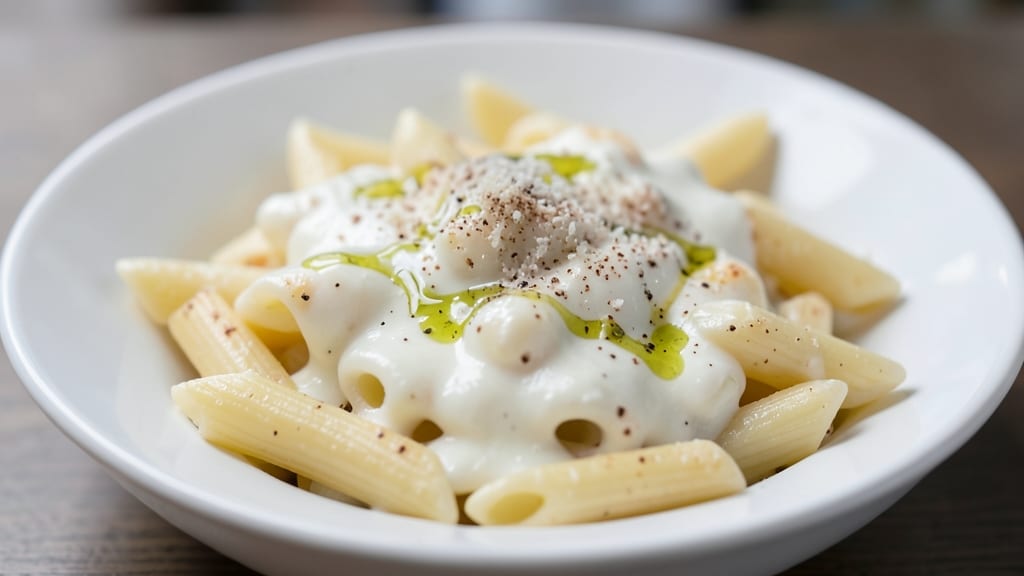
This authentic white sauce recipe delivers the velvety, restaurant-quality foundation for everything from mac and cheese to creamy pasta dishes. The secret lies in a perfectly balanced roux—equal parts butter and flour cooked until golden—then slowly whisked into warm milk or cream.
I’ve perfected this technique over years of testing, ensuring no lumps, no graininess, and a sauce that clings beautifully to food without overpowering it.
The key to authenticity is patience: cooking the roux just until it smells nutty (not browned) creates the perfect base for flavor development. Traditional French methods emphasize low-and-slow whisking to avoid curdling, and I’ve included a foolproof technique for achieving that silky texture every time.
This isn’t just a sauce—it’s the backbone of countless classic dishes, from béchamel to velouté, all starting with this one foundational step.
What makes this recipe stand out is its versatility. Use it as-is for creamy pasta, or customize with garlic, nutmeg, or cheese for endless variations. The sauce thickens beautifully when reheated, making it ideal for meal prep, and stores perfectly in the fridge for up to five days.
Whether you’re a home cook or a seasoned chef, mastering this technique will elevate your cooking instantly.
For those new to roux-based sauces, I’ve included a step-by-step guide to avoid common pitfalls like burning or clumping. Once you’ve made it, you’ll never go back to store-bought versions—this is the real deal, built to impress and satisfy. Let’s get started on creating your own velvety masterpiece.
Ingredients for authentic white sauce
Nine essential ingredients transform into the velvety foundation for classic French dishes.
| Ingredient | Amount | Notes |
|---|---|---|
| Unsalted Butter 🧈 | ½ cup | Cold, cubed for even cooking |
| All-Purpose Flour 🌾 | ½ cup | Sifted for smooth texture |
| Whole Milk 🥛 | 2 cups | Warmed to 180°F for best results |
| Heavy Cream 🥛 | ½ cup | For extra richness |
| Salt 🧂 | ½ tsp | Diamond Crystal preferred |
| White Pepper 🌶️ | ¼ tsp | Freshly ground for subtle flavor |
| Fresh Nutmeg 🌿 | ¼ tsp | Finely grated, not pre-ground |
| Garlic Cloves 🧄 | 1 whole | Minced for subtle aroma |
| Extra-Virgin Olive Oil 🫒 | 1 tbsp | For finishing touch |
The butter and flour create the all-important roux—European-style unsalted butter from brands like Plugrá or Kerrygold adds depth. All-purpose flour should be fresh; if it smells stale, toast it lightly in a dry pan first. For the milk, I prefer organic whole milk from Organic Valley—the fat content ensures a truly creamy sauce. The heavy cream is non-negotiable; Hormel or La Creme brands deliver consistent quality. Freshly ground white pepper and nutmeg make all the difference—Penzeys or La Boîte carry excellent whole spices for grinding at home.
No heavy cream? Substitute with an extra 0.5 cup whole milk, though the sauce will be slightly lighter. Pre-ground nutmeg loses potency fast—buy whole and grate fresh. For a dairy-free version, swap milk and cream for full-fat coconut milk, though texture will differ. If you're avoiding gluten, use a 1:1 gluten-free flour blend for the roux, but whisk constantly to prevent clumping. The garlic is optional but recommended—roast it first for a sweeter, more complex flavor that won't overpower.
This sauce reheats beautifully—simmer gently on low heat, stirring constantly, until fully warmed. Store in an airtight container in the fridge for up to 5 days or freeze for 3 months. For meal prep, portion into ramekins before freezing—thaw overnight in the fridge. The sauce thickens as it cools, so thin with warm milk if needed. Always finish with a drizzle of extra-virgin olive oil to preserve freshness and add richness.
Why You'll Love This Recipe
- Four-Ingredient Foundation: This sauce lives on those four staples—no weird specialty items, just butter, flour, milk, and cream. Honestly, my pantry always has them, which means I’m never scrambling for a last-minute béchamel.
- Velvet Smooth Magic: The moment the roux turns golden and the cream swirls in? Pure satisfaction. That silky texture clings to pasta, coats veggies, and dissolves into mashed potatoes like a dream—no lumps, no grit, just buttery perfection.
- Weeknight Swiss Army Knife: Between us, I’ve used this for mac and cheese, creamy chicken, and even as a dip for breadsticks. It’s my go-to when I’m tired but still want something restaurant-worthy. Freezes like a champ too—just reheat and serve.
- Budget-Friendly Luxury: A single batch stretches across three meals: a baked dish, a side, and maybe even a soup. I’ll be real, heavy cream isn’t cheap, but the way it transforms simple ingredients? Feels like a splurge without the guilt. Plus, you can dial back the richness if needed.
Step-by-step instructions for velvety roux-based white sauce
Mastering this classic technique delivers restaurant-quality sauce every time.
Create the Perfect Roux Foundation
Melt the 0.5 cup Unsalted Butter in a medium saucepan over medium-low heat. I use cold cubed butter to prevent burning—it melts more gradually and creates a smoother base. Once fully melted, reduce heat to low and immediately whisk in the 0.5 cup All-Purpose Flour all at once.
Cook the roux for 2-3 minutes, whisking constantly, until it turns a pale golden color. This light color is crucial—it prevents bitterness and ensures a clean, velvety sauce. If it darkens too quickly, you've gone too hot. Watch closely; the moment it smells nutty and looks like wet sand, it's ready. Don't walk away during this step—burnt roux ruins everything.
Gradually Incorporate Warm Milk
Remove the pan from heat and let the roux cool slightly for 30 seconds. This prevents sudden temperature spikes when adding the 2 cups Whole Milk. Begin whisking continuously and pour in the milk very slowly, about ¼ cup at a time, allowing each addition to fully incorporate before adding more.
Return the pan to low heat and continue whisking until the mixture thickens enough to coat the back of a spoon. You're looking for a sauce that's smooth and glossy, not grainy. If it gets too thick too quickly, add a splash of milk to loosen it. The key here is patience—rushing leads to lumps that are impossible to fix later. This gradual process creates that authentic, silky texture that defines classic white sauces.
Build Flavor with Aromatics and Seasonings
Once the sauce is smooth, stir in the 0.5 cup Heavy Cream, 0.5 tsp Salt, 0.25 tsp White Pepper, and 0.25 tsp Fresh Nutmeg. Add the 1 whole Garlic Cloves (minced) and cook for 2-3 minutes over low heat, stirring constantly. The nutmeg should infuse subtly—just a hint of warmth, not overpowering.
Here's where the magic happens: the cream adds richness while the nutmeg and pepper create that signature European flavor profile. Taste and adjust seasoning—this is your chance to balance the sauce before finishing. If it needs more body, simmer uncovered for 1-2 minutes to reduce slightly. The sauce should coat a spoon but still flow smoothly when poured.
Finish with Olive Oil for Authentic Texture
Remove the sauce from heat and stir in the 1 tbsp Extra-Virgin Olive Oil. This final touch adds depth and prevents the sauce from becoming too heavy. The oil should blend seamlessly, creating a sauce that's both rich and light. If you're using this for pasta, now's the time to toss it in while still hot.
For meats, keep the sauce warm over low heat until ready to serve. The olive oil finish is what makes this sauce truly authentic—it mimics the traditional technique of finishing with a touch of fat for balance. This sauce should be velvety yet not gluey, with just enough body to cling beautifully to whatever you're serving it with.
Pro Tips For Making Authentic White Sauce
- Whisk Like You Mean It: The moment you add milk to the butter-flour roux, stop stirring with a spoon—grab that whisk and go full speed. Lumps form when you’re lazy, and no one wants to scrape them out later. I learned this the hard way after making a bechamel that looked like cottage cheese.
- Cold Butter Wins: Take your unsalted butter straight from the fridge—no softening needed. Cold butter melts slower, giving you time to cook the flour properly before it turns to grease. If it’s too soft, your sauce will split like a bad joke at a family dinner.
- Simmer, Don’t Boil: Once the milk and cream are in, keep the heat low enough that tiny bubbles just hint at activity—no rolling boil. Too much heat curdles the dairy faster than you can say “sauce emergency.” Watch it like a hawk, especially when it thickens near the end.
- Salt in Stages: Taste the roux before adding milk, then salt again halfway through cooking. Unsalted butter and flour absorb flavor differently, so you’ll end up with a bland mess if you dump all the salt at once. Trust me, your taste buds will notice the difference.
Dietary considerations for authentic white sauce
Dairy-Free Adaptations
For a dairy-free version, replace the 2 cups whole milk and 0.5 cup heavy cream with 2.5 cups full-fat coconut milk. Use a high-quality brand like Thai Kitchen or Goya for best results.
The sauce will have a slightly different texture—more coconut-forward but still velvety. Add 1 tbsp cornstarch to the roux to help thicken it properly, as coconut milk doesn't thicken as dramatically as dairy. 🥥
Gluten-Free Options
Swap the 0.5 cup all-purpose flour for a 1:1 gluten-free flour blend like Bob's Red Mill or King Arthur. Whisk the roux vigorously for 3-4 minutes to prevent clumping, as gluten-free flours absorb liquid differently.
Add the coconut milk or dairy milk even more slowly—about 2 tbsp at a time—to maintain a smooth consistency. Taste as you go, as gluten-free versions may need extra seasoning.
Lactose-Friendly Adjustments
If you're lactose intolerant but can tolerate small amounts of dairy, use lactose-free milk (like Fairlife or Organic Valley Lactose-Free) and reduce the heavy cream to 0.25 cup. This keeps the sauce creamy while minimizing lactose content.
For extra richness without dairy, add 1 tbsp nutritional yeast—it adds a cheesy depth without lactose. Always warm the lactose-free milk to 180°F before incorporating to ensure proper emulsification.
Nut-Free Considerations
This recipe is naturally nut-free, but if you're avoiding all potential cross-contamination, use dedicated utensils and a clean saucepan. The extra-virgin olive oil finish is safe for nut-free diets, but always check labels on brands like Bertolli or California Olive Ranch for processing warnings.
For added thickness without nuts, blend 1 tbsp white beans into the finished sauce—it adds body without altering flavor.
Low-Fat Versions
To reduce fat while keeping creaminess, replace 0.5 cup heavy cream with 0.5 cup Greek yogurt (like Fage 2%). The yogurt adds tanginess and protein while cutting saturated fat. For the roux, use 0.25 cup butter and 0.25 cup olive oil to maintain richness.
Simmer the sauce longer—up to 5 minutes—to evaporate excess moisture and achieve the right consistency. The texture will be lighter but still velvety.
Nutrition facts
Frequently asked questions
What's the difference between this white sauce and béchamel?
This recipe is essentially a classic béchamel sauce with added depth! Traditional béchamel uses equal parts butter and flour cooked to a pale roux, then whisked into warm milk—exactly what we're doing here. The key difference is our extra aromatics (nutmeg, garlic) and finishing olive oil, which elevate it beyond basic béchamel while keeping the same velvety foundation.
Why does my roux turn brown so quickly?
Roux darkens fast when heat is too high or you walk away! Keep your pan on medium-low heat and whisk constantly—never let it sit unattended. If it starts browning, immediately remove from heat and let cool slightly before continuing. The perfect roux should smell nutty, not burnt, and look like wet sand when done.
Can I make this sauce ahead of time?
This sauce actually tastes better after resting. Store in an airtight container in the fridge for up to 5 days or freeze for 3 months. When reheating, warm gently over low heat while whisking constantly to prevent skin formation. The sauce will thicken as it cools, so thin with warm milk if needed before serving.
What are the best ways to use this sauce?
This versatile sauce works perfectly for creamy pasta dishes, chicken pot pies, or as a base for casseroles. For extra richness, fold in grated cheese (like Gruyère) for mac and cheese, or stir in minced mushrooms for a forest-style variation. It also makes an excellent dip for breadsticks or a topping for baked potatoes.
How do I fix lumps in my sauce?
Don't panic—most lumps can be fixed! Immediately remove from heat and use an immersion blender to smooth it out. If you don't have one, whisk vigorously or strain through a fine-mesh sieve. For prevention, always add liquid slowly while whisking continuously and keep heat low. The key is patience—rushing causes lumps that are harder to fix later.