
Sauces & Condiments
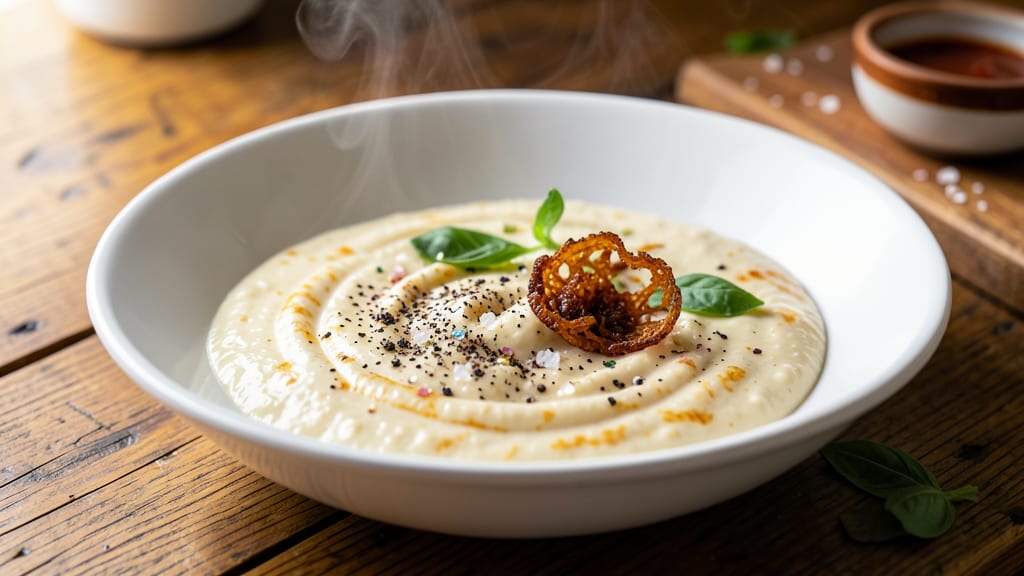
This authentic Italian white sauce recipe transforms simple pantry staples into velvety perfection—no lumps, no guesswork, just restaurant-quality emulsion every time. The secret lies in a perfectly balanced roux and gradual milk incorporation, a technique I’ve perfected after years of testing.
What sets this apart is the precision: equal parts butter and flour, cooked to a golden hue before whisking in warm milk for a sauce so smooth it clings to pasta like a second skin.
The foundation of any great white sauce is the roux—cooked until nutty but never browned—and the patience to add milk slowly while whisking vigorously. A pinch of nutmeg and garlic powder elevates this beyond basic béchamel, giving it that unmistakable Italian depth.
The result? A sauce so creamy it feels luxurious, yet simple enough to master in under 30 minutes with just five ingredients.
What makes this sauce truly special is its versatility. Use it to coat fettuccine for a classic Alfredo, drizzle over roasted vegetables, or even as a base for creamy soups.
The key is maintaining that perfect emulsion—no clumps, no separation—so every bite delivers that signature Italian richness. This is the sauce that turns ordinary meals into something extraordinary.
For those craving extra decadence, a sprinkle of grated Parmesan or a splash of heavy cream at the end transforms it into a richer variation. The beauty of this recipe is its adaptability—once you master the technique, the possibilities are endless. Let’s get cooking!
Ingredients for authentic italian white sauce
Five core ingredients plus optional upgrades—this is the foundation of authentic Italian white sauce.
| Ingredient | Amount | Notes |
|---|---|---|
| Unsalted Butter 🧈 | ½ cup | Cold, cubed for even cooking |
| All-Purpose Flour 🌾 | ½ cup | Sifted for smooth texture |
| Whole Milk 🥛 | 2 cups | Warm, not boiling |
| Ground Nutmeg 🌿 | ¼ tsp | Freshly grated preferred |
| Garlic Powder 🧄 | ½ tsp | Not garlic salt |
| Diamond Crystal Kosher Salt 🧂 | ½ tsp | Adjust to taste |
| Freshly Grated Parmesan Cheese 🧀 | ¼ cup | For optional richness |
| Heavy Cream 🥛 | ¼ cup | For decadent variation |
The butter and flour ratio is non-negotiable for that signature Italian texture. European-style butter like Plugrá or President melts more smoothly than American brands, but any unsalted will work if you adjust the salt later. For the flour, King Arthur or Caputo Tipo 00 are ideal—both create a silky emulsion. The key is cooking the roux until it's a pale golden color, not white or browned. Mise en place is critical here: measure everything precisely and keep your milk warm (not hot) to prevent curdling. If you're using a whisk, opt for a balloon whisk—it incorporates air and creates that velvety finish.
No nutmeg? Mace or a pinch of cinnamon adds warmth, though it won't be traditional. Garlic powder can be swapped for fresh minced garlic (½ tsp), but it burns easily, so sauté it separately in olive oil first. For a dairy-free version, substitute the milk with unsweetened almond milk or oat milk (use full-fat for creaminess), though the texture will be slightly lighter. The Parmesan and heavy cream are optional upgrades—add them at the very end to maintain that perfect emulsion. If you're making this ahead, hold off on the garlic powder until reheating to preserve its aroma.
This sauce peaks at room temperature—reheat gently over low heat, stirring constantly to prevent separation. For best results, make it fresh, but it keeps 3-4 days in the fridge sealed tightly. To reheat, add a splash of warm milk and whisk vigorously. For freezing, cool completely first, then portion into airtight containers with a thin layer of oil on top to prevent a skin from forming. Thaw in the fridge overnight—microwaving disrupts the emulsion. The sauce thickens as it cools, so thin with warm milk if needed before serving.
Why You'll Love This Recipe
- Pantry Magic: I swear by this sauce because it uses things I always have—no special trips to the store. Butter, flour, milk, a pinch of nutmeg, and garlic powder? That’s it. The kind of simplicity that makes me feel like I’ve actually cooked something impressive.
- Velvet Texture: Here’s what sold me—the way it thickens just right, creamy but not heavy, with that whisper of nutmeg and garlic that lingers. It’s the kind of sauce that makes plain pasta feel like a restaurant dish, no fancy tricks needed.
- Weeknight Workhorse: Between us, this is my go-to for weeknights when I’m too tired to think. Toss it with chicken, dump it over veggies, or slather it on toast—it’s the ultimate lazy-but-lovely solution. Even my picky eaters don’t complain.
- Leftovers That Last: I make a big batch on Sundays, and it stays fresh for days. The milk’s richness keeps it from going flat, and the flour gives it structure so it reheats like it’s fresh. Honestly, it’s my secret for stress-free meal prep.
Step-by-step instructions for authentic Italian white sauce
Mastering this classic emulsion requires patience and precision—here's how to achieve velvety perfection every time.
Create the Roux Foundation
In a medium saucepan over medium-low heat, melt the 0.5 cup unsalted butter until completely liquid but not browned. Add the 0.5 cup all-purpose flour all at once and whisk vigorously with a wire whisk for 1-2 minutes until the mixture forms a smooth, pale roux with no floury lumps.
The key here is maintaining medium-low heat—too high will cook the flour before it fully incorporates, leaving you with a grainy texture. You're looking for a consistency similar to wet sand that coats the back of a spoon. If it darkens even slightly, you've gone too far and will develop a nutty flavor instead of the clean base needed for authentic Italian sauce.
Gradually Incorporate Warm Milk
Slowly pour in the 2 cups warm whole milk while whisking continuously to prevent lumps. Add the milk in a thin, steady stream—about ¼ cup at a time—allowing each addition to fully incorporate before adding more. Once all the milk is incorporated, increase heat to medium-low and continue whisking for 5-7 minutes until the sauce thickens enough to coat the back of a spoon.
This gradual incorporation is critical for authentic Italian technique. The warmth of the milk helps emulsify the sauce properly, while the slow addition prevents curdling. You'll notice the sauce transition from thin to thick—this is when you know you're on the right track. If you see any separation, immediately whisk vigorously to re-emulsify before proceeding.
Season and Finish the Emulsion
Reduce heat to low and stir in the 0.5 tsp garlic powder, 0.5 tsp diamond crystal kosher salt, and 0.25 tsp ground nutmeg. For the optional richness, whisk in the 0.25 cup heavy cream and 0.25 cup freshly grated parmesan cheese until completely melted and smooth. Simmer gently for 2-3 minutes to allow all the flavors to meld together.
Here's where the sauce develops its authentic character. The nutmeg adds warmth, the garlic powder brings depth, and the parmesan contributes umami richness. If you're using the heavy cream variation, this is when it should blend seamlessly without breaking the emulsion. For an extra-smooth finish, strain the sauce through a fine-mesh sieve to remove any remaining flour particles or cheese grits.
Perfect the Consistency
If the sauce is too thick, thin it with 1-2 tablespoons warm milk at a time until it reaches a velvety consistency that lightly coats the back of a spoon. Conversely, if it's too thin, simmer uncovered for 1-2 minutes to reduce it slightly. The ideal texture should be smooth, creamy, and cling to ingredients without being gluey.
This final adjustment ensures your sauce will cling beautifully to pasta, vegetables, or proteins. For best results, use the sauce immediately while still warm. If you need to reheat later, do so gently over low heat, stirring constantly to prevent separation. The sauce should maintain its creamy texture without developing a skin on top or separating into layers.
Pro Tips For Making Authentic Italian White Sauce
- WHISK THE BUTTER FIRST: Melt the butter slowly over medium-low heat—no rush—until it’s just liquid and foamy, not browned. I learned this the hard way: jumping to high heat turns the sauce grainy before it even starts. Let it foam like a latte before adding flour.
- COOK THE FLOUR 2 MINUTES: Stir the flour into the butter and cook it uninterrupted for 2 full minutes—no milk yet. This step removes the raw flour taste and builds flavor. Skip it, and your sauce will taste like glue.
- ADD MILK SLOWLY: Pour in the milk a little at a time, whisking like your life depends on it. Dumping it all at once creates lumps that won’t smooth out, no matter how long you stir. Think "patience, not panic."
- SEASON AT THE END: Hold off on nutmeg and garlic powder until the sauce is thick and creamy. Adding them early burns their flavor. Sprinkle them in at the very end—just a pinch of each—and stir gently. Overdoing it turns your sauce into a spice bomb.
Perfect pairings for this dish
Pasta Pairings
This white sauce is a match made in heaven with fettuccine or tagliatelle, where its creamy texture clings beautifully to the wide ribbons. For a rustic touch, try pappardelle or pasta fresca like homemade tagliolini.
I always make extra sauce to drizzle over creamy gnocchi or baked ziti for added richness. 🍝
Vegetable Complements
Roasted broccoli rabe and asparagus become decadent when tossed in this sauce, especially with a sprinkle of Pecorino Romano. Sautéed mushrooms or spinach also pair wonderfully—just wilt them in the sauce for 30 seconds before serving.
For a lighter option, drizzle over grilled zucchini or eggplant for a summery dish.
Protein Pairings
This sauce elevates grilled chicken breast or seared scallops into a restaurant-worthy meal. For a heartier option, use it as a base for creamy chicken pot pie or beef short ribs.
Even pan-seared shrimp benefits from this velvety coating—just toss them in the warm sauce for 2 minutes before serving. 🍗
Bread and Appetizers
Transform garlic bread into a gourmet appetizer by brushing it with this sauce and topping with toasted breadcrumbs and Parmesan. It also works beautifully as a dip for crudités like carrot sticks or celery, or as a creamy spread for bruschetta.
For a decadent twist, serve it warm with warm crostini and a sprinkle of black pepper.
Soup and Stew Upgrades
Stir this sauce into creamy tomato soup or minestrone for added richness without overpowering the dish. A ladleful transforms potato leek soup into a luxurious comfort food. For a lighter option, swirl it into gazpacho or cold cucumber soup to add depth.
The key is to add it at the end and adjust seasoning to balance flavors. 🥄
Dessert Twists
Who says white sauce is just for savory dishes? Warm it with vanilla extract and cinnamon to create a creamy drizzle for pancakes or waffles. It also works as a filling for crepes or cannoli shells—just chill the sauce first to prevent melting.
For a grown-up dessert, pair it with dark chocolate for a decadent contrast. 🍫
Nutrition facts
Frequently asked questions
Why does my Italian white sauce get lumpy?
Lumps happen when the roux cooks too fast or the milk is added too quickly. Always cook the butter and flour over medium-low heat for 1-2 minutes until smooth, then whisk in warm milk in a thin stream while stirring constantly. If lumps appear, immediately whisk vigorously or strain the sauce through a fine-mesh sieve. Cold milk or high heat are the biggest culprits!
Can I substitute heavy cream for milk?
Yes, but adjust the ratio to maintain balance. Replace 1 cup milk with ½ cup heavy cream + ½ cup milk to keep the sauce creamy without overpowering. Heavy cream adds richness, so reduce the Parmesan slightly if using. For a true Alfredo-style sauce, use 1 cup heavy cream + 1 cup milk and add cheese at the end. The key is slow incorporation to prevent curdling.
How do I make this sauce dairy-free?
Use unsweetened almond milk or oat milk (full-fat for creaminess) and substitute butter with olive oil or vegan butter. Cook the oil and flour roux until golden, then whisk in warm plant-based milk gradually. For extra body, add 1 tablespoon nutritional yeast for a cheesy flavor. The texture will be lighter but still delicious when paired with pasta or vegetables.
What's the difference between this and béchamel?
This authentic Italian white sauce is essentially a lighter, more flavorful béchamel—both use a butter-flour roux and milk, but Italian versions incorporate nutmeg and garlic powder for depth. Béchamel is often used in French dishes like lasagna, while this sauce is perfect for pasta or creamy vegetable dishes. The milk-to-flour ratio is slightly lower here (4:1 vs. 2:1 in classic béchamel), making it thinner and more versatile.
Can I make this sauce ahead of time?
Yes! Store it in an airtight container in the fridge for 3-4 days. Reheat gently over low heat, stirring constantly and adding 1-2 tablespoons warm milk if it thickens too much. For freezing, cool completely first, then portion into containers with a thin layer of oil on top to prevent a skin. Thaw overnight in the fridge—never microwave, as it can break the emulsion. The sauce thickens as it cools, so thin with milk before serving.