
Sauces & Condiments
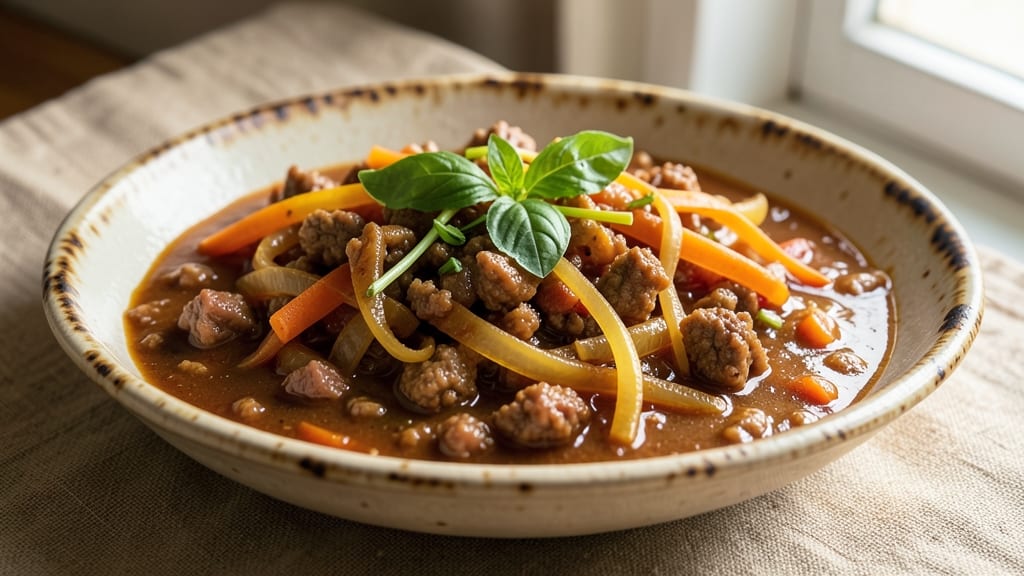
Mario Batali’s legendary Bolognese sauce transforms simple ingredients into a deeply flavorful masterpiece through slow cooking and a clever trick—white wine vinegar for brightness.
This isn’t your basic tomato sauce; it’s a rich, meaty symphony where ground beef and pork simmer for hours with aromatic vegetables, creating layers of depth that stand up to even the most refined pasta dishes.
The secret lies in patience and balance, where vinegar cuts through the richness without overpowering the tender, caramelized meat.
What sets this Bolognese apart is its slow-cooked intensity—no rushing, no shortcuts. The sauce develops its signature complexity as it simmers, with wine reducing to a velvety consistency and herbs infusing every spoonful.
Unlike many recipes, Batali’s version relies on deglazing the pan after browning the meat, capturing all those flavorful browned bits that become the foundation of the sauce. The result? A sauce so rich and aromatic it feels like a hug in a bowl.
This isn’t just a pasta sauce—it’s a versatile centerpiece that elevates any dish it touches. Serve it over fresh tagliatelle for an authentic Italian experience, or use it as a hearty filling for lasagna, stuffed shells, or even a luxurious polenta.
The beauty of this recipe is its adaptability; it’s equally at home in a weeknight dinner as it is at a holiday feast, proving that great food doesn’t require complexity, just time and attention.
The key to success? Low-and-slow cooking and a well-stocked pantry. No specialty equipment is needed—just a heavy pot, a few hours, and the willingness to let flavors meld.
The vinegar might sound unusual, but it’s the magic ingredient that keeps this sauce from becoming too heavy, adding a subtle tang that brightens every bite. Once you taste the difference, you’ll never go back to a quick, store-bought version again.
Ingredients for bolognese sauce recipe batali
Here’s what you’ll need for Batali’s legendary slow-cooked Bolognese—rich, meaty, and brightened by vinegar’s secret touch.
| Ingredient | Amount | Notes |
|---|---|---|
| Ground Beef 🥩 | 1 ½ lb | 80/20 fat ratio preferred |
| Ground Pork 🐖 | ½ lb | Finely ground for texture |
| Carrots 🥕 | 1 whole | Peeled, finely diced |
| Celery Stalk 🧅 | 1 whole | Finely diced, leafy parts removed |
| Yellow Onion 🧅 | 1 whole | Finely diced, sweet variety |
| Garlic Cloves 🧄 | 4 cloves | Minced, fresh preferred |
| Extra-Virgin Olive Oil 🫒 | ½ cup | For sautéing vegetables |
| Dry Red Wine 🍷 | 1 cup | Bold variety like Cabernet |
| White Wine Vinegar 🍇 | ¼ cup | For brightness, not substitute |
| Canned San Marzano Tomatoes 🍅 | 2 cans | 28 oz each, crushed by hand |
| Tomato Paste 🍅 | ½ cup | High-quality, no sugar added |
| Fresh Rosemary 🌿 | ¼ cup | Finely chopped, stems removed |
| Fresh Thyme 🌿 | ¼ cup | Leaves only, stems removed |
| Diamond Crystal Kosher Salt 🧂 | 1 ½ tsp | Adjust to taste |
| Freshly Ground Black Pepper 🌶️ | ½ tsp | Freshly cracked for best flavor |
The meat is non-negotiable here. Ground beef at 80/20 fat ratio gives you that melt-in-your-mouth texture, while the pork adds depth—don’t skip it. For the vegetables, freshly diced carrots, celery, and onion (the classic soffritto) are your flavor base. I grab mine from the produce section at Whole Foods—they’re crisp and vibrant. The garlic? Fresh is non-negotiable—jarred lacks the punch. For the wine, anything bold like Cabernet works, but avoid sweet varieties—they’ll throw off the balance. The San Marzano tomatoes? Worth the splurge—their sweetness and acidity are unmatched.
No red wine? Dry vermouth or beef broth works in a pinch, but the acidity won’t be identical. Short on fresh rosemary or thyme? Dried works at one-third the amount, but toast the dried herbs in a dry pan for 30 seconds first to wake up their flavor. The vinegar is the magic—white wine vinegar only. Balsamic or apple cider won’t cut it. For tomato paste, Trader Joe’s squeeze tubes are perfect—they’re concentrated and easy to measure. The carrots, celery, and onion can be prepped ahead and stored in the fridge for 3 days if you’re doing this over a weekend. Just keep them in a sealed container with a paper towel to absorb moisture.
This sauce tastes even better the next day—plan ahead. It keeps for 5 days in the fridge, sealed tightly with plastic wrap pressed directly on the surface to prevent a skin from forming. For longer storage, freeze portions in airtight containers for up to 3 months. I always make a double batch—one for dinner, one for lunches. The flavors deepen as it sits, so reheat gently on low with a splash of water or broth to loosen it up. Never microwave—it’ll turn rubbery.
Why You'll Love This Recipe
- No Chopping Hassle: I swear by the "soffritto" trick—just dice those carrots, celery, and onion once, then freeze the rest. One batch lasts me months, and when I pull it out, the sauce builds itself while I grab a glass of wine.
- Rich, Deep Umami Bomb: That combo of beef and pork? Chef’s kiss. The pork melts into the sauce while the beef keeps it hearty, and the slow simmer turns those humble veggies into flavor gold. (Yes, even my picky dad licks the spoon.)
- Weeknight to Dinner Party: Same sauce, endless uses. Slap it over pasta for a Tuesday night, or pile it onto polenta for guests—no one will guess it’s the same recipe. Honestly, I’ve even used it in lasagna and stuffed peppers.
- Leftovers That Don’t Suck: This sauce begs to be made ahead—it tastes better the next day. Freeze half, reheat it for lazy lunches, or stretch it with a splash of broth. My secret weapon for "I have nothing to eat" moments.
Step-by-step instructions for Bolognese sauce
This isn't your grandmother's Bolognese—we're building depth with slow cooking and a secret brightness from vinegar.
Build the Sofritto Foundation
Heat the 0.5 cup extra-virgin olive oil in a heavy Dutch oven over medium-low heat. Add the 1 whole finely diced yellow onion, 1 whole finely diced celery stalk, and 1 whole finely diced carrot. Cook for 15-20 minutes, stirring occasionally, until the vegetables soften and the oil takes on their golden color. This slow cook transforms them into a flavorful paste called sofritto—the backbone of your sauce.
Here's the thing—don't rush this. You want the vegetables to break down completely, releasing their natural sweetness. If they brown too quickly, reduce the heat slightly. The goal is caramelized flavor, not burnt bits. I like to press the vegetables with a wooden spoon to help them break down faster.
Brown the Meats for Richness
Push the sofritto to one side of the pot and increase heat to medium-high. Add the 1.5 lb ground beef and 0.5 lb ground pork, breaking it up with a wooden spoon. Cook for 8-10 minutes until the meat loses its raw color and develops a deep brown crust. This browning creates the Maillard reaction, which builds complex flavors that simmer into your sauce.
Don't drain the fat—it's what makes Bolognese rich. If the meat releases too much liquid, use a spoon to push it toward the back of the pot so it can evaporate. Once the meat is browned, stir it back into the sofritto and cook for another 5 minutes to meld the flavors. This is where the magic starts happening.
Deglaze and Develop Layers
Add the 4 cloves minced garlic and cook for 30 seconds until fragrant. Pour in the 1 cup dry red wine and scrape up all those browned bits from the bottom of the pot with a wooden spoon. Let the wine simmer for 3-4 minutes until it reduces by half. This deglazing step captures all the meaty flavors that would otherwise burn.
Now for the secret weapon: add the 0.25 cup white wine vinegar. This might seem unusual, but it cuts through the richness and adds a bright acidity that balances the sauce. Stir and let it simmer for 2 minutes until the sharpness mellows. The vinegar will cook off completely, leaving just its bright essence behind.
Build the Tomato Base
Stir in the 0.5 cup tomato paste and cook for 2 minutes to toast its flavors. Add the 2 cans crushed San Marzano tomatoes (about 56 oz total) and bring to a gentle simmer. Season with 1.5 tsp diamond crystal kosher salt and 0.5 tsp freshly ground black pepper. Add the 0.25 cup fresh rosemary and 0.25 cup fresh thyme, then stir to combine.
Here's where patience pays off. Reduce heat to low and let the sauce simmer uncovered for 2-2.5 hours, stirring occasionally. You want it to thicken and develop a deep, concentrated flavor. The sauce should reduce until it coats the back of a spoon. If it gets too thick, add 1-2 tablespoons water to loosen it.
Finish and Rest for Maximum Flavor
Once the sauce has thickened to your desired consistency (about 2.5 hours total cooking time), remove from heat. Taste and adjust seasoning—you might need a bit more salt or pepper depending on your tomatoes. Let the sauce rest for 15-20 minutes before serving. This resting period allows the flavors to meld completely and the sauce to thicken further.
The result should be a rich, velvety sauce with layers of meaty depth, herbal brightness, and just a hint of acidity from the vinegar. Serve over al dente pasta with grated Parmigiano-Reggiano for the ultimate comfort dish. The sauce will only get better the next day, so make extra if you can—it keeps beautifully in the fridge for up to 5 days or freezes for 3 months.
Pro Tips For Making Bolognese Sauce Recipe Batali
- CRUSH THE SOFFRITO: Start with a dry pan—no oil—just the onions, celery, and carrots chopped into matchsticks (I mean it, thin enough to disappear fast). Once they’re sweating, add a glug of olive oil, then turn the heat to medium-low. Too high, and you’ll burn the onions before the pork even hits the pan. This isn’t just flavor; it’s the foundation.
- SALT THE MEAT FIRST: Toss the ground beef and pork with 1 teaspoon of kosher salt before browning. Let it sit 5 minutes while you prep the soffrito—this breaks down the proteins so they release fat better and stay juicy. I used to skip this, and my sauce always ended up greasier than it should’ve been.
- DON’T RUSH THE BROWN: Walk away. Seriously. After adding the meat to the pan, let it sit undisturbed for 2–3 minutes so it forms a crust. Then, only then, break it up with a wooden spoon. Crowding the pan or stirring too soon steams the meat instead of searing it, and you’ll end up with gray, watery chunks instead of rich, caramelized bits.
- SAVE TIME WITH PARMESAN: Skip grating your own Parmigiano-Reggiano—use a microplane on a small block of the good stuff (the kind with the purple label). It’s faster, and the shavings melt into the sauce like butter. I used to grate it ahead of time, and it’d turn into a powdery mess by the time I needed it. (Yes, even if you’re impatient like me.)
Storing and reheating your leftovers
Refrigerator Storage
Let your Bolognese sauce cool completely before transferring to airtight glass containers—I swear by Pyrex with snap-on lids—and store in the fridge for up to 5 days. The flavors actually deepen overnight as the herbs and meat meld further.
Press plastic wrap directly onto the surface to prevent that dreaded skin from forming, which can happen with tomato-based sauces. 💫
When reheating from the fridge, I always add 2-3 tablespoons of water or beef broth to the sauce first. This prevents it from drying out or sticking to the pot.
Warm it gently over low heat, stirring occasionally, until it reaches 165°F internal temperature. Stirring constantly keeps the texture smooth and prevents scorching.
Freezer Storage
For longer storage, portion the sauce into freezer-safe containers or silicone ice cube trays (perfect for single servings). Leave 1-inch headspace to account for expansion, and seal tightly to prevent freezer burn.
This sauce keeps its quality for up to 3 months in the freezer, though I’ve found it’s best used within 2 months for peak flavor. 🧊
Thaw overnight in the fridge before reheating. If you’re short on time, transfer the frozen sauce to a bowl and submerge it in lukewarm water for 30-45 minutes.
Never microwave frozen Bolognese—it’ll turn grainy and lose its velvety texture. Always reheat gently on the stovetop with a splash of liquid to restore its original consistency.
Reheating Perfection
Stovetop reheating is the gold standard for Bolognese. Use a heavy-bottomed pot to distribute heat evenly, and keep the temperature at medium-low.
Stir frequently to prevent sticking, and if the sauce looks too thick, add 1-2 tablespoons of water, broth, or even a splash of red wine to loosen it up. The goal is to warm through evenly without breaking the sauce’s emulsified texture. 🔥
For microwave reheating, transfer sauce to a microwave-safe bowl and cover loosely with a damp paper towel (this prevents splattering). Heat on 50% power in 1-minute intervals, stirring between each interval.
This gentle approach prevents the sauce from becoming rubbery or developing a skin. I usually reheat for 2-3 minutes total, but always check the temperature to ensure it reaches 165°F.
Nutrition facts
Frequently asked questions
Why does this Bolognese recipe use vinegar?
The white wine vinegar is Batali's secret weapon—it cuts through the richness of the meat and tomatoes while adding brightness that prevents the sauce from becoming too heavy. The acidity also helps balance the sweetness of the San Marzano tomatoes, creating that perfect harmony of flavors. It might seem unusual, but it cooks off completely, leaving just a subtle tang.
Can I make this Bolognese without wine?
Replace the 1 cup dry red wine with 1 cup beef broth or 1 cup dry vermouth for similar depth. For the 0.25 cup white wine vinegar, use 0.25 cup apple cider vinegar in a pinch, though the flavor won't be identical. The key is maintaining the acidity balance—just adjust seasoning after cooking.
How do I know when the Bolognese is done?
The sauce is ready when it coats the back of a spoon and has reduced to a thick, velvety consistency after 2-2.5 hours of simmering. Look for deep color and a rich aroma—it should smell intensely meaty with herbal notes. If it's too thick, add 1-2 tablespoons water or broth; if too thin, simmer uncovered for another 15-20 minutes.
What's the best pasta to serve with this?
Batali's Bolognese shines with fresh egg pasta like tagliatelle or pappardelle—their broad surfaces hold the sauce beautifully. For a heartier dish, try pici or rigatoni. Avoid thin pastas like spaghetti, which can get overwhelmed by the sauce's richness. Always cook pasta al dente (1 minute less than package instructions) so it doesn't turn mushy when tossed.
Can I make this in a slow cooker?
Yes! Brown the meat first in a skillet, then transfer everything to the slow cooker. Cook on low for 6-7 hours or high for 3-4 hours, stirring occasionally. The slow cooker works well, but you'll need to add 1-2 tablespoons water during cooking since it won't reduce as much. The texture will be slightly looser but still delicious.