
Sauces & Condiments
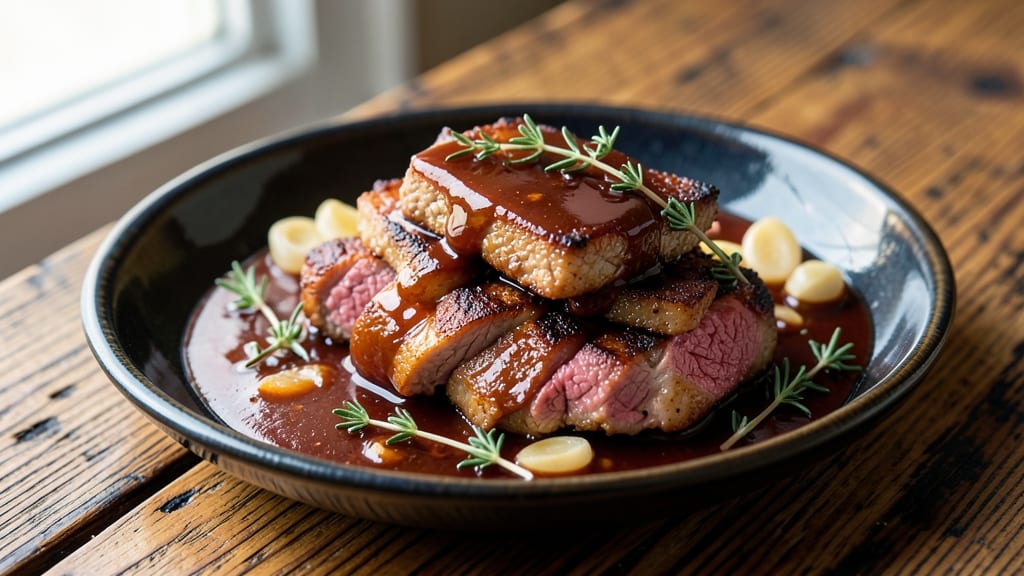
This au jus sauce recipe with beef broth transforms simple pan drippings into a deep, rich sauce that elevates any beef dish. 💛 The secret lies in deglazing the pan properly—those browned bits packed with flavor are the foundation for something extraordinary.
I've perfected this method over years of testing, and it never fails to impress, even with the simplest cuts of meat.
Start with beef broth as your base, then build layers of flavor using aromatics like garlic, shallots, and fresh herbs. A splash of red wine adds brightness, while Worcestershire sauce and a touch of cornstarch create that signature silky texture.
The key is patience—letting the sauce reduce slowly to concentrate those rich, savory notes.
What you'll end up with is a glossy, umami-packed sauce that clings beautifully to roasted beef or steak. It's the kind of sauce that makes a basic meal feel like a restaurant-worthy experience.
The best part? It reheats perfectly, so you can make a big batch and store it for up to 5 days in the fridge or freeze it for later.
This versatile sauce works wonders with everything from Sunday roasts to weeknight steaks. The technique is simple, but the results are anything but ordinary. Let's get started on creating your own restaurant-quality au jus at home!
Ingredients for au jus sauce recipe with beef broth
Nine simple ingredients transform humble pan drippings into restaurant-worthy au jus sauce.
| Ingredient | Amount | Notes |
|---|---|---|
| Beef Broth 🥩 | 2 cups | Homemade or high-quality store-bought |
| Pan Drippings 🍲 | 1 cup | From cooked beef, strained |
| Red Wine 🍷 | ½ cup | Bold dry variety like Cabernet |
| Garlic Cloves 🧄 | 4 cloves | Minced for aromatic depth |
| Shallots 🧅 | 2 whole | Finely chopped, not minced |
| Fresh Thyme 🌿 | 1 tbsp | Leaves only, chopped fine |
| Worcestershire Sauce 🍶 | 1 tbsp | For umami complexity |
| Cornstarch 🌾 | 1 tsp | Slurry with 1 tbsp cold water |
| Salt 🧂 | ½ tsp | Diamond Crystal preferred |
| Black Pepper 🌶️ | ¼ tsp | Freshly cracked for heat |
The beef broth is your flavor foundation—homemade is ideal, but Swanson or Pacific Foods brands work in a pinch. For pan drippings, don't skim the fat—it adds richness, but strain it out before using. Garlic and shallots should be finely chopped (not minced) to avoid bitterness. Fresh thyme is best, but dried works at one-third the amount. The red wine? Any bold, dry red—Cabernet, Merlot, whatever's open. Just make sure it's not sweet.
No red wine? Extra beef broth with a splash of balsamic vinegar mimics the depth. Worcestershire sauce? Vegetable-based versions like Annie's work for vegetarians. For the cornstarch slurry, always mix with cold water first—hot water creates lumps. Want more umami? Add a dash of soy sauce or fish sauce (if not vegetarian). The sauce reduces fast, so keep an eye on it—5-7 minutes of simmering is perfect for that glossy finish.
This sauce reheats like a dream—simmer gently for 2-3 minutes to restore its silky texture. Stores 5 days in the fridge or 3 months frozen. I double the batch every time—one for immediate use, one to freeze for future beef nights. For extra richness, stir in a pat of cold butter at the end (optional). The cornstarch thickens as it cools, so adjust with a splash of broth if needed.
Why You'll Love This Recipe
- Here’s what sold me: that splash of red wine cuts through the richness like a breath of fresh air. It’s not sweet, not heavy—just enough acidity to make the beef broth sing. Honestly, I keep a bottle on hand just for this, because it turns a simple pan sauce into something restaurant-worthy.
- Pan Drippings Magic: I swear by this trick—just scrape up those browned bits from your roast or steak, toss them in with the broth, and boom. That’s where the deep, savory soul of the sauce lives. No fancy techniques, just letting the pan do the heavy lifting while you sip wine and pretend you’re in a bistro.
- Red Wine Lift: Here’s what sold me: that splash of red wine cuts through the richness like a breath of fresh air. It’s not sweet, not heavy—just enough acidity to make the beef broth sing. Honestly, I keep a bottle on hand just for this, because it turns a simple pan sauce into something restaurant-worthy.
- Leftovers Reinvented: This sauce doesn’t just disappear after dinner. Stash it in the fridge and drizzle it over mashed potatoes, toss it with eggs for breakfast, or even use it as a marinade for next week’s grilled chicken. Between us, I’ve had it cold as a quick soup—yes, even on a Tuesday night—because it’s that versatile.
Step-by-step instructions for rich beef au jus
Here's how to transform simple pan drippings into a velvety, restaurant-quality au jus.
🍳 Step 1: Build the Aromatic Base
Heat the 1 cup pan drippings in a medium saucepan over medium-high heat until it begins to bubble gently. Add the 2 whole shallots and 4 cloves minced garlic, stirring constantly for 2-3 minutes until the shallots soften and turn translucent.
Here's the thing—don't rush this step. You want those shallots to caramelize just slightly, which builds deep flavor. If they start to brown too quickly, reduce the heat to medium and keep stirring. The garlic should sizzle and release its aroma without burning.
Once the shallots are tender and the garlic is fragrant (about 3-4 minutes total), add the 1 tbsp finely chopped fresh thyme and cook for another 30 seconds until the thyme leaves release their piney aroma. This aromatic base forms the flavor foundation of your au jus.
🍷 Step 2: Deglaze with Wine and Reduce
Pour in the 0.5 cup red wine and immediately scrape up any browned bits from the bottom of the pan with a wooden spoon. These bits, called fond, are packed with concentrated flavor. Let the mixture bubble away for 3-4 minutes until the wine reduces by half and the alcohol burns off completely.
I know it seems like too much wine for this small amount of liquid, but trust me—this reduction is crucial. It intensifies the wine's flavor and removes the harsh alcohol notes. You'll notice the sauce will thicken slightly as the wine cooks down, creating a beautiful glossy sheen.
When the wine has reduced and the mixture smells rich and complex (not boozy), it's time to add the 2 cups beef broth. Stir well and bring the mixture to a gentle simmer over medium heat.
🥘 Step 3: Season and Simmer
Add the 1 tbsp Worcestershire sauce, 0.5 tsp salt, and 0.25 tsp black pepper to the simmering sauce. Taste and adjust the seasoning—this is your chance to balance the flavors before thickening. You want a harmonious blend of umami from the Worcestershire, saltiness, and just a hint of peppery heat.
Let the sauce simmer gently for 10-12 minutes until it reduces by about 25%. You're looking for a sauce that coats the back of a spoon but still has a nice flow to it. The color should be deep amber with a glossy finish, and the aroma should be rich and inviting.
Real talk: if you see the sauce getting too thick before the 10 minutes are up, just add a splash of hot water to loosen it. We want that perfect balance between richness and drinkability.
🔪 Step 4: Thicken the Sauce
In a small bowl, whisk together the 1 tsp cornstarch with 1 tablespoon cold water to make a smooth slurry. Slowly pour this mixture into the simmering au jus while stirring constantly with a wooden spoon.
Here's where it gets fun—the sauce will thicken almost immediately. Keep stirring for 1-2 minutes until it reaches your desired consistency. You want it thick enough to coat the back of a spoon but still pourable, not gluey. If it thickens too much, you can always thin it with a splash of hot beef broth.
The cornstarch slurry is what transforms this from a simple pan sauce to a proper au jus. It gives that beautiful glossy finish and perfect mouthfeel that makes this sauce so special. Once thickened, give it one final taste and adjust seasoning if needed.
⏰ Step 5: Strain and Serve
Line a fine-mesh strainer with cheesecloth or a coffee filter and carefully strain the au jus into a clean saucepan. This removes any impurities and gives you that silky-smooth texture. Discard the solids in the strainer.
Return the strained au jus to the stove and keep it warm over low heat until ready to serve. The sauce should maintain its glossy sheen and rich color. Serve immediately with roasted beef, grilled steaks, or even as a dipping sauce for crusty bread.
Pro tip: if you're not serving it immediately, let it cool slightly and then refrigerate. The flavors will actually deepen overnight, and you can reheat it gently on the stove before serving. This sauce tastes even better the next day!
Pro Tips For Making Au Jus Sauce Recipe With Beef Broth
- DEGLAZE HOT, DEGLAZE FAST: Start with a screaming-hot pan straight off the stove—those drippings won’t budge if they’re cold. Use a wooden spoon to scrape every last bit (yes, even the dark, crusty bits) while the wine’s still fizzing, or you’ll end up with a thin, sad sauce instead of rich, velvety gold.
- FINE-DICE THE SHALLOTS: Shallots add depth, but chunky pieces turn into mushy bits that ruin the texture. Pulse them in a food processor for 2 seconds—just enough to break them down into confit-like specks that dissolve smoothly without overcooking. (I learned this the hard way after serving a sauce with visible shallot chunks.)
- STRAIN THE BROTH: Homemade or store-bought broth always has bits—fat, herbs, or sediment—that turn your sauce gritty. Strain it through a fine-mesh sieve into a clean pot before combining with drippings. Trust me, you’ll notice the difference the first time you sip a silky, clean sauce.
- SALT THE BROTH LAST: Most beef broths are already salted, and adding more too early can make your sauce taste flat. Taste after everything simmers together, then adjust with just a pinch of salt—you’re aiming for a balance that lets the wine and garlic shine, not a salty overload. (This is where many home cooks go wrong.)
Pro cooking tips for au jus sauce recipe with beef broth
Pan Deglazing Mastery
This is where the magic happens—those browned bits on your pan (fond) contain concentrated beefy flavor. After cooking your meat, remove it from the pan and immediately add ½ cup red wine (or beef broth if avoiding alcohol).
Scrape vigorously with a wooden spoon to release those flavor bombs. Let it simmer for 3-4 minutes until reduced by half—this burns off the alcohol and intensifies the flavor. 🍷
Pro tip: Use a bold red wine like Cabernet Sauvignon or Merlot for depth. If you're short on wine, beef broth with a splash of balsamic vinegar works in a pinch. Never skip this step—it's the foundation of your au jus!
Reduction Timing
The key to perfect au jus is patience during reduction. After adding your wine and scraping the pan, let it bubble away until it reduces by 50%. This typically takes 3-5 minutes—don't rush it!
The alcohol needs time to evaporate completely, leaving behind rich, concentrated flavors. I often set a timer and check periodically to avoid burning.
Watch for the sauce to turn from a bright red to a deep amber color. The aroma should shift from boozy to rich and meaty. If it reduces too quickly, lower the heat slightly to maintain gentle simmering.
This is where home cooks often make mistakes—rushing this step ruins the sauce's depth.
Thickening Secrets
The cornstarch slurry is your secret weapon for that perfect au jus texture. Mix 1 tsp cornstarch with 1 tbsp cold water in a small bowl—always cold water to prevent lumps. Whisk vigorously until completely smooth, then slowly pour into your simmering sauce while stirring constantly with a wooden spoon.
Here's my personal trick: If the sauce thickens too much, immediately thin it with 1-2 tbsp hot beef broth. The goal is a sauce that coats the back of a spoon but still pours gracefully. Over-thickening is the #1 mistake I see—au jus should be velvety, not gluey!
Straining for Perfection
For that silky-smooth texture, straining is non-negotiable. Line a fine-mesh strainer with cheesecloth or a coffee filter, then carefully pour the sauce through. This removes any impurities and gives you that restaurant-quality finish. I like to use a double layer of cheesecloth for extra smoothness.
After straining, return the sauce to low heat to maintain warmth. The strained sauce will look even more glossy and inviting. This is your moment of truth—if you've followed all the steps, you'll have a sauce that's rich, balanced, and ready to elevate any beef dish. 💛
Nutrition facts
Frequently asked questions
Can I make au jus without red wine?
Use ½ cup beef broth plus 1 tablespoon balsamic vinegar for depth. The vinegar mimics wine's acidity, while extra broth maintains the sauce's richness. For even more umami, add ½ teaspoon soy sauce or a dash of Worcestershire sauce. The reduction process remains the same—just watch for the color to deepen to amber.
Why does my au jus taste bitter?
Bitter flavors usually come from overcooked garlic or shallots (burnt fond) or insufficient reduction. For next time: Remove garlic/shallots as soon as they're fragrant (2-3 minutes max), and reduce the wine until it's completely evaporated (no boozy smell). If it's already bitter, balance it with a splash of lemon juice or extra beef broth and simmer briefly.
How do I use leftover au jus?
This sauce reheats beautifully! Warm it gently on the stove over low heat for 2-3 minutes, stirring occasionally. If it thickens too much, thin with 1-2 tablespoons hot beef broth. Store leftovers in an airtight container in the fridge for 5 days or freeze for 3 months. It's perfect for drizzling over sandwiches, spooning onto roasted potatoes, or even using as a marinade base.
What's the best cut of beef for au jus?
Any beef with good fat content works best—think ribeye, sirloin, or chuck roast. The fat renders into flavorful drippings, which form the sauce's foundation. For extra richness, sear the beef in a cold pan to render fat slowly, then increase heat to brown it. Avoid lean cuts like filet mignon—they won't yield enough drippings for a proper au jus.
Can I make au jus ahead of time?
Yes! This sauce actually tastes better the next day as flavors meld. Make it 1-2 days ahead, then refrigerate in an airtight container. Reheat gently on the stove, adding a splash of beef broth if needed. For freezing, portion into ice cube trays—perfect for defrosting just what you need. Thaw overnight in the fridge before reheating.