
Sauces & Condiments
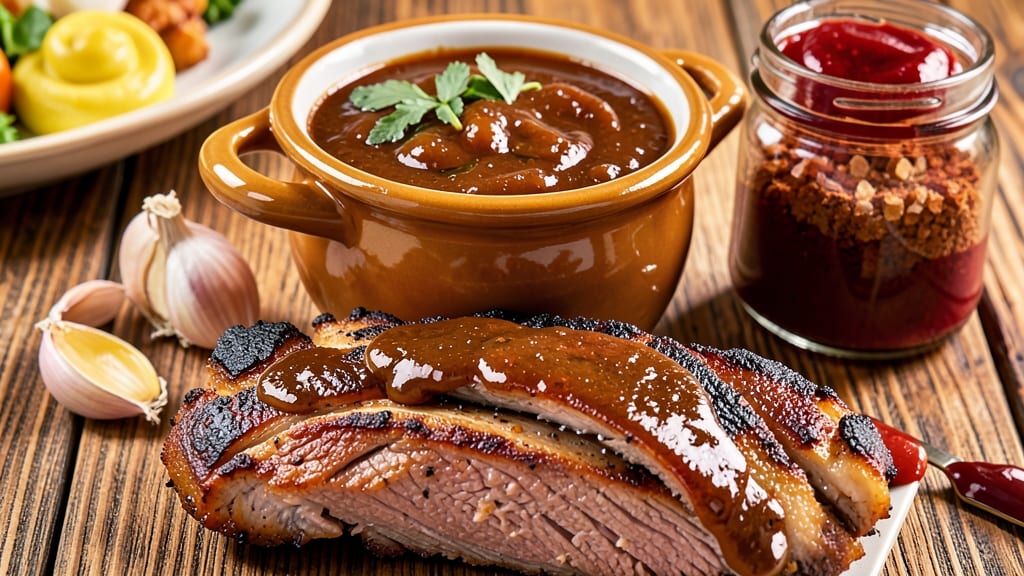
This apple cider vinegar-based BBQ sauce recipe transforms simple ingredients into a bold, tangy-sweet sauce with smoky depth that elevates grilled meats and roasted vegetables.
I developed it during a coastal road trip when I needed a sauce that could stand up to smoky brisket and crispy wings—no store-bought shortcuts here. The key? Balancing the sharpness of apple cider vinegar with caramelized sweetness and a touch of heat, all simmered until thick and glossy.
The beauty of this sauce lies in its versatility—use it as a marinade for ribs, a glaze for grilled vegetables, or a dipping sauce for fried chicken.
I start with a base of apple cider vinegar and brown sugar, then build layers of flavor with smoked paprika, garlic, and a hint of mustard for depth. The sauce reduces slowly, concentrating those flavors into something restaurant-quality without the fuss.
What you’ll end up with is a rich, sticky sauce with a perfect balance of tang, sweetness, and smokiness—no artificial aftertaste. The apple cider vinegar adds brightness, while the caramelized sugar creates a glossy finish that clings to everything it touches.
It’s the kind of sauce that makes you reach for the grill, not the takeout menu.
Store it in the fridge for up to two weeks, or freeze for longer shelf life. Double the batch—this sauce disappears fast. Let’s make it.
Ingredients for apple cider vinegar based bbq sauce
Ten simple ingredients transform into a restaurant-quality sauce with tangy-sweet depth.
| Ingredient | Amount | Notes |
|---|---|---|
| Apple Cider Vinegar 🍏 | 1 cup | Raw, unfiltered preferred for depth |
| Light Brown Sugar 🍚 | 1 cup | Packed, not loosely measured |
| Smoked Paprika 🌶️ | 2 tbsp | High-quality, not dusty |
| Garlic Cloves 🧄 | 4 cloves | Fresh, minced fine |
| Yellow Mustard 🍯 | 1 tbsp | Dijon-style for depth |
| Ketchup 🍅 | ½ cup | Heinz preferred for consistency |
| Ground Black Pepper 🌶️ | ½ tsp | Freshly cracked |
| Onion Powder 🧅 | 1 tsp | For subtle sweetness |
| Cayenne Pepper 🔥 | ½ tsp | Adjust for heat preference |
| Extra-Virgin Olive Oil 🫒 | 2 tbsp | For glossy finish |
The apple cider vinegar is the heart of this sauce—Bragg or Texas Pete work best for that bright, robust flavor. If you can find raw, unfiltered vinegar, grab it; it adds complexity. The brown sugar needs to be packed—don’t scoop it loosely or you’ll end up with a thinner sauce. Smoked paprika can vary wildly in quality; Penzeys or the bulk bins at Whole Foods are your best bets. For garlic, fresh is non-negotiable—jarred minced loses all its punch. I always buy extra because it’s worth the freshness.
No apple cider vinegar? White vinegar plus 1 tsp apple juice gets you close, though it’ll lack depth. Skip the brown sugar? Maple syrup at half the amount works, but the caramelization is key here. Mustard hater? Substitute with 1 tsp soy sauce for umami depth. The ketchup can be swapped for tomato paste (1 tbsp) + 1 tbsp water, but Heinz has the perfect balance of sweetness and acidity. If you’re sensitive to heat, cut the cayenne to 1/4 tsp—or skip it entirely. The olive oil isn’t just for flavor; it adds that glossy finish that makes the sauce cling.
This sauce keeps for 2 weeks in the fridge, sealed tightly in a jar. For longer storage, freeze in ice cube trays—thaw and stir back together as needed. Double the batch; it disappears faster than you’d think. If it thickens too much, add a splash of water or vinegar to loosen. Leftovers make an amazing quick glaze for roasted veggies or a drizzle over grilled corn.
Why You'll Love This Recipe
- No-Pantry Panic Fix: I’ll never stress over missing ingredients again—this sauce only needs five things I always have. Honestly, the mustard and vinegar combo is my secret weapon when I forget to stock up.
- Tangy-Sweet Magic: That first bite? The vinegar cuts through the sugar just enough to make your taste buds dance, while the smoked paprika adds this deep, smoky warmth. It’s the kind of sauce that makes you reach for seconds without even thinking.
- Weeknight BBQ Hero: Slather it on grilled chicken for a Tuesday dinner, toss it with baked beans for a lazy weekend, or drizzle it over roasted veggies when you’re out of ideas. Between us, it’s the one sauce that makes everything feel like a celebration.
- Lasts Like a Champ: A single batch stretches across three meals—no wasted leftovers here. I keep a jar in the fridge for weeks, and the flavor actually deepens the longer it sits. (Yes, even on a Tuesday night.)
Step-by-step instructions for apple cider vinegar based BBQ sauce
Here's how to craft a sauce that balances tangy sharpness with smoky sweetness—perfect for grilled meats and slow-cooked dishes.
Combine the Wet Ingredients
In a medium saucepan, pour in the 1 cup of apple cider vinegar and 0.5 cup of ketchup. Add the 1 cup of packed light brown sugar and the 2 tablespoons of extra-virgin olive oil. Stir over medium-low heat until the sugar fully dissolves, which should take about 3-4 minutes. You'll notice the mixture begins to bubble gently and develop a glossy sheen.
This step ensures the sugar integrates completely, preventing graininess in your final sauce. If you see any undissolved sugar crystals clinging to the bottom, give it another 30 seconds of stirring—patience here guarantees a smooth texture later. The vinegar will start to mellow slightly as it heats, but its bright acidity remains the backbone of the flavor profile.
Add Aromatics and Spices
Lower the heat to low and add the 4 minced garlic cloves, 1 tablespoon of Dijon-style yellow mustard, 1 teaspoon of onion powder, 0.5 teaspoon of ground black pepper, and 0.5 teaspoon of cayenne pepper. Stir continuously for 2 minutes—this allows the garlic to soften without burning, while the spices bloom and infuse the mixture.
The mustard adds depth and a subtle tang, while the onion powder and black pepper provide a warm, earthy base. The cayenne introduces just enough heat to complement the smoky paprika we'll add next. Here's where the sauce starts to develop its complex character—don't rush this step. You'll smell the garlic releasing its aromatic oils and the spices melding together in a harmonious blend.
Incorporate Smoked Paprika for Depth
Sprinkle in the 2 tablespoons of smoked paprika and stir vigorously for 1-2 minutes over low heat. This is where the sauce transforms—you'll see a deep, rust-colored cloud form as the paprika disperses completely. The smoky aroma should fill your kitchen, signaling that the sauce is developing its signature character.
Smoked paprika is the secret weapon here, contributing both color and a subtle campfire-like quality. Stir frequently to prevent any hot spots from forming, which could burn the spices. If the mixture starts to thicken too much, add 1-2 tablespoons of water to maintain a pourable consistency. The goal is a sauce that coats the back of a spoon without being syrupy.
Simmer and Reduce for Balance
Increase the heat to medium-low and let the sauce simmer uncovered for 10-12 minutes. You're looking for the sauce to reduce by about one-third, thickening slightly while maintaining a glossy finish. Stir occasionally to prevent sticking, and taste as it simmers—this is your chance to adjust seasoning.
If the sauce needs more tang, add a splash of apple cider vinegar. For extra sweetness, stir in a bit more brown sugar. The sauce should now have a perfect balance of sweet, tangy, and smoky flavors with a hint of heat. The reduced liquid concentrates the flavors, creating a sauce that clings beautifully to meats and vegetables alike. Don't walk away—constant attention ensures even cooking and prevents scorching.
Cool and Store for Best Results
Remove the sauce from heat and let it cool to room temperature. This resting period allows the flavors to meld further and the texture to stabilize. Once cooled, transfer the sauce to a clean glass jar and store it in the refrigerator for up to 2 weeks or freeze for 3 months. The flavors will continue to develop and deepen over time, making this sauce even more complex with each passing day.
When ready to use, give the sauce a good stir—it may thicken slightly as it cools. If it becomes too thick, thin it with a splash of water or apple cider vinegar. This sauce is incredibly versatile, perfect for basting grilled meats, drizzling over slow-cooked ribs, or even as a tangy glaze for roasted vegetables. The balance of acidity and smokiness ensures it pairs beautifully with a wide range of dishes.
Pro Tips For Making Apple Cider Vinegar Based Bbq Sauce
- Simmer Low and Slow: I used to blast this sauce on high, thinking it’d cook faster—but that just burns the sugar and turns your sauce bitter. Keep it at a gentle bubble (like a whisper, not a shout) for 20-25 minutes. The vinegar’s acidity needs time to mellow, and the sugar will caramelize properly without scorching.
- Toast the Garlic: Skip the raw minced garlic—it’ll make your sauce taste sharp and medicinal. Slice the cloves in half, toss them in a dry pan over medium heat for 2-3 minutes until golden, then crush them before adding to the sauce. The nutty depth changes everything.
- Balance the Vinegar: Apple cider vinegar is strong, and too much will overpower the sweetness. If your sauce tastes harsh after simmering, add a splash of water or even a little honey (1-2 teaspoons) to soften the acidity. Taste as you go—better to adjust now than regret it later.
- Strain the Mustard: Yellow mustard seeds can turn your sauce gritty if left in. After mixing in the mustard, strain the sauce through a fine-mesh sieve before bottling. It’s a little extra work, but the texture will be silky smooth—no one wants to bite into a seed mid-bite.
Flavor customization for this apple cider vinegar based bbq sauce
Sweet Heat Balance
Adjust the cayenne pepper to taste—start with ½ tsp for mild heat, then increase to 1 tsp for a spicy kick. For a sweeter profile, swap ½ cup brown sugar for ¼ cup honey or maple syrup, but reduce simmer time by 2 minutes to prevent burning.
I once used ½ cup molasses instead of sugar for a deeper, almost caramelized flavor—it worked beautifully on pulled pork. 🌶️
Smoky Depth Variations
Boost the smokiness by adding 1 tbsp liquid smoke (like La Choy) for an instant campfire flavor. For a more complex profile, replace ½ cup ketchup with ¼ cup tomato paste plus ¼ cup apple cider vinegar—this intensifies the umami.
I also love adding 1 tsp chipotle powder for a smoky-spicy depth that pairs perfectly with grilled chicken. 🔥
Herb and Umami Twists
Fresh herbs elevate this sauce—add 1 tbsp chopped rosemary or thyme during the final 5 minutes of simmering. For umami, stir in 1 tsp soy sauce or 1 tbsp Worcestershire sauce when incorporating the spices.
Once, I added 2 tbsp finely chopped jalapeños for a bright, spicy kick that balanced the sweetness beautifully. 🌿
Regional Style Adaptations
For a Carolina-style twist, reduce the cayenne to ¼ tsp and add 1 tsp celery salt—this mimics the tangy, slightly salty profile of classic vinegar-based sauces. In Kansas City, I’d increase the brown sugar to 1¼ cups and add ½ tsp ground coriander for a sweeter, spicier balance.
Texas pitmasters often skip the mustard and add 1 tsp smoked salt instead. 🗺️
Fruit Infusions
Brighten the sauce with ¼ cup apple juice or peach nectar for a fruity twist—simmer it in during the final 5 minutes. I once added 2 tbsp grated ginger for a zesty kick that worked amazingly on grilled shrimp.
For a tropical vibe, swap ½ cup ketchup for ¼ cup mango chutney—it adds sweetness and acidity in one. 🍑
Thickness Control
If your sauce thickens too much, thin it with 1-2 tbsp apple cider vinegar or water. For a glossier finish, stir in 1 tbsp extra-virgin olive oil at the end.
I’ve also used 1 tsp cornstarch mixed with 1 tbsp water as a last-minute thickener—just simmer for 1 minute until clear. The goal is a sauce that clings but doesn’t drip. 💫
Nutrition facts
Frequently asked questions
Why does apple cider vinegar make BBQ sauce tangier than other vinegars?
The apple cider vinegar adds a complex, fruity acidity that white or balsamic vinegars can't match. Its natural sweetness and depth from fermentation create a bright tang that balances the sweetness perfectly, while also adding subtle apple notes that elevate the sauce's complexity. It's the secret behind that restaurant-quality kick!
Can I make this sauce without ketchup?
Replace the ½ cup ketchup with ¼ cup tomato paste plus ¼ cup apple cider vinegar for a more concentrated umami flavor. For a fruitier version, try ¼ cup mango chutney or peach nectar instead. The sauce will still develop that perfect balance of sweet and tangy.
How do I adjust the heat level in this sauce?
Start with the ½ tsp cayenne pepper as written for mild heat. For medium heat, increase to ¾ tsp, and for a fiery kick, go up to 1 tsp. If you prefer no heat at all, simply omit the cayenne entirely—the sauce will still have great depth from the smoked paprika and garlic.
What's the best way to use leftover sauce?
This versatile sauce works perfectly as a marinade for 2-4 hours before grilling, a glaze for roasted vegetables, or even a dip for fried chicken. Store leftovers in the fridge for up to 2 weeks or freeze in ice cube trays for easy portioning. Thaw overnight in the fridge for best results.
Can I substitute maple syrup for the brown sugar?
Yes, but reduce the amount to ½ cup maple syrup (instead of 1 cup brown sugar) and simmer for 8-10 minutes instead of 10-12 minutes to prevent burning. The sauce will have a richer, caramel-like quality that pairs beautifully with pork or duck. Just watch it closely—maple syrup burns faster than sugar!