
Sauces & Condiments
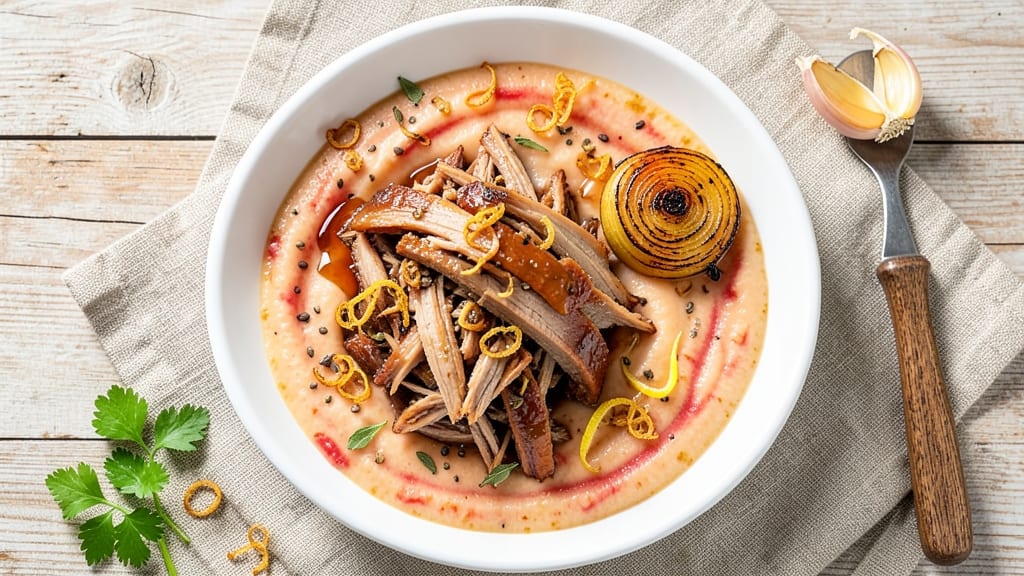
This applesauce pulled pork recipe transforms a simple pork shoulder into tender, fall-apart meat with a caramelized glaze that balances sweet and tangy flavors. After years of perfecting this technique—especially that crucial glaze—this method delivers restaurant-quality results with minimal effort.
The secret lies in slow-cooking the pork until it shreds easily, then finishing it with a sticky-sauce that clings to every bite.
What sets this recipe apart is the applesauce glaze, which adds a subtle sweetness while keeping the dish from becoming overly sugary. I developed this version after noticing how well applesauce complements the smoky, savory notes of pulled pork—it’s a game-changer for those who prefer a lighter, more balanced sauce.
The process is straightforward: cook the pork low and slow, then toss it with the glaze during the final minutes to create that signature caramelized crust.
By the time you’re done, you’ll have juicy, tender pork that practically melts in your mouth, all wrapped in a glossy, slightly sticky sauce.
This recipe is perfect for feeding a crowd or meal prepping for the week—just shred it, store it, and reheat it whenever you’re craving that smoky-sweet combination. The best part? It pairs effortlessly with classic sides like coleslaw, cornbread, or even just a simple green salad.
Whether you’re a seasoned pitmaster or a home cook looking to elevate your weeknight dinners, this pulled pork recipe delivers foolproof results every time. The applesauce glaze isn’t just a topping—it’s the star that ties everything together, making this dish stand out from traditional barbecue. Let’s get started!
Ingredients for applesauce pulled pork
The secret to this restaurant-quality pulled pork lies in these 13 ingredients—juicy pork, sweet applesauce, and smoky spices.
| Ingredient | Amount | Notes |
|---|---|---|
| Boneless Pork Shoulder 🐖 | 4 lb | Well-marbled, cut into 2-inch chunks |
| Unsalted Butter 🧈 | ½ cup | Cold, cut into 1-inch cubes |
| Unsweetened Applesauce 🍎 | 1 ½ cups | Smooth, no added sugar |
| Yellow Onion 🧅 | 1 whole | Medium, chopped |
| Garlic Cloves 🧄 | 6 cloves | Fresh, minced |
| Cider Vinegar 🍏 | ¼ cup | For tangy depth |
| Brown Sugar 🍚 | ¼ cup | Packed, light or dark |
| Smoked Paprika 🌶️ | 2 tsp | For smoky flavor |
| Ground Black Pepper 🌶️ | 1 tbsp | Freshly cracked |
| Kosher Salt 🧂 | 2 tbsp | Diamond Crystal preferred |
| Chicken Broth 💧 | 2 cups | Low-sodium, homemade or store-bought |
| Fresh Thyme 🌿 | ¼ cup | Chopped, stems removed |
| Apple Cider 🍎 | ½ cup | Optional, for extra tang |
The pork shoulder is non-negotiable here—look for one with good marbling at your butcher or grocery store's meat counter. Costco or Whole Foods often carry high-quality cuts, but any well-stocked supermarket will have a decent option. For the applesauce, unsweetened is key—Mott's or Libby's work perfectly, or grab a small jar of organic applesauce from the health food section. The butter should be cold when you add it to the slow cooker; this creates steam that keeps the pork moist. Fresh thyme is ideal, but dried works at one-third the amount if that's all you've got. The onions and garlic are your flavor base, so don't skip chopping them finely—they'll disappear into the sauce but make all the difference.
No applesauce? Unsweetened applesauce from a can works just as well—just check the sugar content. Running short on cider vinegar? White vinegar or apple cider vinegar both work, but the flavor will be slightly different. The brown sugar can be swapped for maple syrup if you're watching your sugar intake, though it'll be less caramelized. For extra smokiness, add a dash of liquid smoke (about 1/2 teaspoon), but use it sparingly—it's potent stuff. The apple cider is optional but adds a nice bright note; if you skip it, just reduce the broth by 1/4 cup to keep the sauce balanced. If you're meal prepping, double the batch—the extra pork freezes beautifully for up to 3 months.
This pork tastes even better the next day, so make extra if you can. Store leftovers in an airtight container in the fridge for up to 5 days, or freeze for 3 months—just thaw overnight in the fridge before reheating. The glaze thickens as it cools, so if it's too stiff when you're ready to serve, just warm it gently with a splash of broth. For serving, I like to pile it high on brioche buns with extra glaze drizzled on top. The sauce also makes an amazing sandwich spread—just spread it on toasted bread with a little mustard for a quick snack.
Why You'll Love This Recipe
- Foolproof Slow Cooker: I swear by this—just dump the pork, toss in the onions and garlic, and let it work its magic. No babysitting, no stress, and the applesauce keeps it moist without extra fuss.
- Sweet-Savory Magic: That applesauce isn’t just filling—it caramelizes into a sticky, tangy glaze that cuts through the richness of the pork. Honestly, the first bite makes me question why I’ve never done this before.
- Game for Any Meal: Slap it on buns for sandwiches, toss it into tacos, or pile it over mashed potatoes. Even my picky teenage nephew devours it—proof it’s a crowd-pleaser for breakfast, lunch, or dinner.
- Budget-Friendly Feast: A single pork shoulder stretches for days, and applesauce is cheaper than BBQ sauce. I’ve fed six people for under $15, and the leftovers? Still delicious three days later.
Step-by-step instructions for sweet-tangy applesauce pulled pork
This method delivers melt-in-your-mouth pork with a caramelized edge and rich applesauce glaze.
Season and Sear the Pork Shoulder
Pat the 4 lb boneless pork shoulder completely dry with paper towels—this ensures maximum browning. In a large bowl, combine 2 tbsp kosher salt, 1 tbsp ground black pepper, and 2 tsp smoked paprika. Rub this mixture all over the pork, pressing firmly so the spices adhere well. Let it sit at room temperature for 30 minutes while you prep the rest.
Heat a Dutch oven over medium-high heat and add 0.5 cup cold unsalted butter cut into cubes. Once the butter melts and begins to foam, add the pork shoulder and sear on all sides until deeply golden brown—about 5-6 minutes per side. This initial sear locks in juices and builds deep flavor. Remove the pork and set it aside on a plate.
Build the Sweet-Tangy Base
In the same Dutch oven, add the chopped 1 whole yellow onion and minced 6 cloves garlic. Cook for 3-4 minutes until the onions soften and become translucent. Stir in 0.25 cup brown sugar and 0.25 cup cider vinegar, scraping up any browned bits from the bottom—these contain concentrated flavor. Pour in 2 cups chicken broth and bring to a simmer.
Add the 0.25 cup fresh thyme and 0.5 cup apple cider (if using), then return the pork shoulder to the pot. The liquid should come about halfway up the sides of the pork. Bring everything to a gentle boil, then reduce heat to low, cover, and let it cook for 4 hours. This slow cook time ensures tender, pull-apart texture.
Add Applesauce and Finish Cooking
After 4 hours, carefully remove the pork and shred it using two forks directly in the pot. Discard any large fat chunks. Stir in 1.5 cups unsweetened applesauce and mix well with the pork. Return the shredded pork to the pot and continue cooking uncovered for another 30-45 minutes, stirring occasionally. The applesauce will thicken and caramelize, creating that signature glossy glaze.
You'll know it's ready when the edges of the pork develop a deep caramel color and the sauce coats the back of a spoon. The pork should be fork-tender with no resistance when pierced. Taste and adjust seasoning if needed—you might want to add a pinch more salt or a splash of vinegar for balance.
Rest and Serve
Let the pulled pork rest for 10 minutes before serving. This resting time allows the juices to redistribute throughout the meat, ensuring each bite is moist and flavorful. Serve immediately over toasted buns with extra applesauce glaze drizzled on top, or use it as a filling for tacos and sandwiches.
The result should be pork that falls apart at the touch with a perfect balance of sweet, tangy, and smoky flavors. The caramelized edges add a delightful contrast to the tender meat. Store any leftovers in the refrigerator for up to 5 days or freeze for up to 3 months.
Pro Tips For Making Applesauce Pulled Pork
- CRANK THE HEAT FIRST: Start your pork shoulder in a screaming-hot Dutch oven—no gradual warming. I used to take it easy, and the onions would just sweat instead of caramelize. Get that pan smoking for 3-4 minutes with the onions and garlic before adding anything else. The deeper color you get here means more flavor in every bite.
- DON’T SKIMP ON THE APPLESAUCE LAYERS: Spread a thin, even layer of unsweetened applesauce over the pork after the initial sear, not just dumped in at the end. I learned this after a batch turned out cloyingly sweet—too much sauce all at once. Think of it like glazing: 2-3 thin coats during cooking keeps the meat tender without overwhelming it.
- WATCH THE BUTTER FOAM: When you add the unsalted butter in the last 30 minutes, the heat will make it foam violently. Don’t walk away—this is when most people burn the butter or lose it down the drain. Keep the heat at a steady simmer and stir often. The foam settles into a glossy, flavor-packed sauce that clings to the pork.
- REST UNDER FOIL: Take the pork out of the oven at 195°F (yes, it’ll finish pulling) and tent it with foil for 15 minutes before shredding. I know, you’re eager to dig in, but skipping this step means shredding dry, stringy meat. The residual heat keeps it warm while the juices redistribute—trust me, your sandwiches will thank you.
Troubleshooting great applesauce pulled pork
Pork Too Dry
If your pulled pork ends up dry, the issue likely stems from overcooking or insufficient moisture during the slow cook. I’ve found that covering the pot tightly and adding an extra ½ cup of broth or apple cider during the final hour helps retain moisture.
Also, never skip the rest time—letting it rest for 10-15 minutes after cooking ensures juices redistribute. If it’s still dry, try adding a splash of broth or applesauce to the serving dish and tossing the pork in it before serving. 💫
Glaze Too Runny
The applesauce glaze can become too thin if the pork isn’t cooked long enough or if the sauce isn’t reduced properly. To fix this, simmer the pork uncovered for an extra 15-20 minutes after adding the applesauce, stirring occasionally.
For a thicker glaze, mix 1 tbsp cornstarch with 1 tbsp cold water, stir it into the sauce, and cook for another 2-3 minutes until it thickens. If you’re reheating leftovers, reduce the sauce on the stovetop over medium-low heat until it reaches your desired consistency.
Pork Not Tender
Undercooked pork is the most common reason for toughness. Use a meat thermometer to check the internal temperature—it should reach 195-203°F for perfect tenderness. If your pork isn’t there yet, cover it and cook it for another 30-60 minutes, checking every 15 minutes.
For extra tenderness, I sometimes add a small onion or carrot to the pot during cooking; the extra moisture and aromatics help break down the collagen in the meat. If it’s still tough, shred it more finely and serve it with extra glaze to help it fall apart. 💪
Sauce Too Sweet
The applesauce glaze can overpower the smoky-savory flavors if the balance isn’t right. To fix this, add 1-2 tbsp cider vinegar or lemon juice to cut through the sweetness.
For a more balanced flavor, I also recommend adding a pinch of smoked paprika or cayenne pepper to deepen the smoky notes. If the sauce is already made, serve the pork with a side of pickled onions or a tangy coleslaw to help balance the sweetness on the plate.
Pork Too Smoky
If the pork tastes overly smoky, it’s likely because the spices were too strong or the cooking time was too long. To adjust, reduce the smoked paprika to 1 tsp in future batches and focus on balancing it with more garlic, thyme, and brown sugar.
For immediate fixes, serve the pork with fresh herbs like cilantro or parsley and a side of creamy coleslaw to mellow out the smokiness. If you’re reheating leftovers, add a splash of apple cider or broth to dilute the intensity slightly.
Glaze Not Caramelizing
The glaze needs time and heat to develop that beautiful caramelized crust. If it’s not caramelizing, simmer the pork uncovered for an extra 15-20 minutes, stirring occasionally to help the sauce reduce and thicken.
For a deeper caramel flavor, add 1 tbsp brown sugar or 1 tsp honey to the sauce and cook it down until it turns golden. If you’re reheating leftovers, spread the pork and sauce on a baking sheet and broil it for 2-3 minutes to get that caramelized finish. 🔥
Nutrition facts
Frequently asked questions
Can I use store-bought applesauce for this recipe?
Store-bought unsweetened applesauce works perfectly—just check the label to ensure it has no added sugar. Brands like Mott's or Libby's are great choices. For extra depth, I sometimes add a splash of apple cider when building the glaze. The key is using 1.5 cups of smooth, unsweetened applesauce to maintain the right balance of sweetness and tang.
How do I know when the pork is fully cooked?
Use a meat thermometer to check the internal temperature—it should reach 195-203°F for perfect tenderness. If you don't have one, look for visual cues: the pork should easily shred with two forks, and the juices should run clear when pierced. For extra assurance, cook it until the edges caramelize slightly during the final glazing stage.
Can I make this in a slow cooker instead of a Dutch oven?
Yes! Transfer the seared pork to a slow cooker after building the base in the Dutch oven. Cook on low for 6-7 hours (or high for 4-5 hours) until tender, then add the applesauce and finish cooking as directed. The slow cooker method works especially well for hands-off prep, though you may need to add ½ cup extra broth to prevent drying.
What's the best way to reheat leftovers?
Reheat gently in a skillet over low-medium heat with a splash of broth or apple cider to restore moisture. For extra caramelization, broil for 2-3 minutes after reheating. Never microwave directly—it makes the pork rubbery. The glaze will thicken when cold, so thin it with a little liquid if needed before serving.
Can I substitute brown sugar with something else?
Try maple syrup (reduce by 1 tbsp per ¼ cup brown sugar) or honey for a different depth of flavor. For a lower-sugar option, use coconut sugar in equal amounts. The caramelization will be slightly different, but these work well in a pinch. Just remember that honey adds floral notes, while maple syrup brings earthier undertones.