
Sauces & Condiments
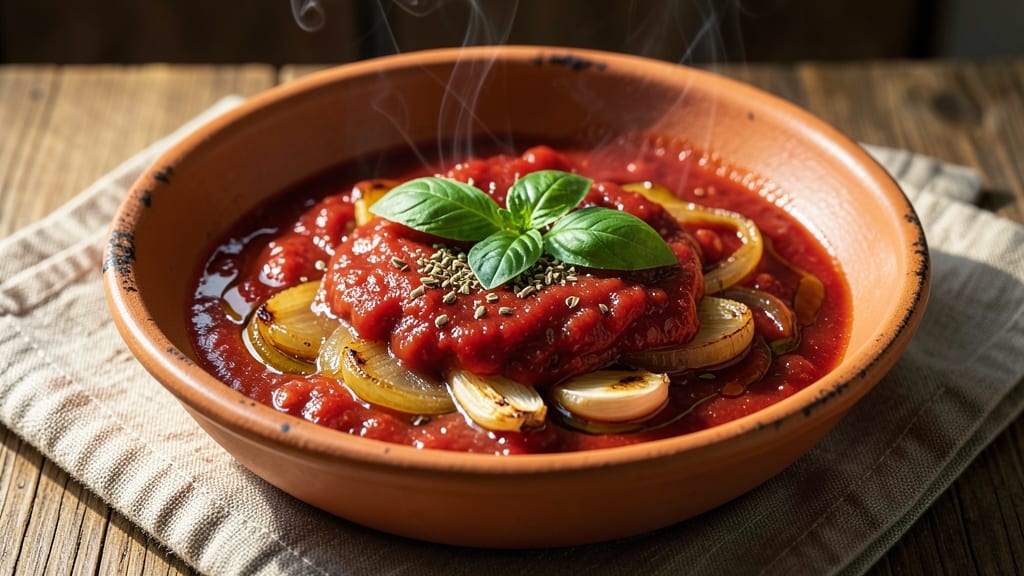
This all natural tomato sauce recipe transforms simple ingredients into a vibrant, umami-rich sauce that rivals anything from a jar—without the preservatives. The secret lies in slow-simmered tomatoes, fresh herbs, and a touch of garlic that develop deep, complex flavors over time.
No shortcuts here, just pure, wholesome ingredients working together to create something extraordinary.
What sets this sauce apart is its versatility and simplicity. With just a handful of fresh ingredients—ripe tomatoes, onions, garlic, and quality olive oil—you’ll build a sauce that’s perfect for pasta, pizza, or even as a dip.
The process is straightforward: sauté aromatics, simmer until thickened, and blend for a silky texture. No blender? No problem—just mash by hand for a rustic version.
The result is a sauce that’s rich in flavor but light on calories, with no artificial additives or thickeners. The tomatoes caramelize beautifully, creating a deep, sweet-tart balance that’s impossible to resist.
Each batch tastes better the next day as the flavors meld, making it perfect for meal prep or gifting.
Whether you’re a home cook looking to elevate your meals or a sauce enthusiast seeking a healthier alternative, this recipe delivers restaurant-quality results in under an hour. Let’s get started on creating something truly special.
Ingredients for all natural tomato sauce
Wholesome ingredients that transform into a restaurant-quality tomato sauce without preservatives or shortcuts.
| Ingredient | Amount | Notes |
|---|---|---|
| Fresh Roma Tomatoes 🍅 | 2 lbs | Ripe, vine-ripened preferred |
| Yellow Onion 🧅 | 1 whole | Medium size, diced finely |
| Garlic Cloves 🧄 | 6 cloves | Freshly minced, skin-on |
| Extra-Virgin Olive Oil 🫒 | ½ cup | High-quality, fruity variety |
| Fresh Basil Leaves 🌿 | ½ cup | Packed, stems removed |
| Dried Oregano 🍃 | 1 tsp | Mediterranean or Italian blend |
| Sea Salt 🧂 | 1 ½ tsp | Diamond Crystal preferred |
| Black Peppercorns 🌶️ | ½ tsp | Freshly cracked preferred |
| Red Wine Vinegar 🍷 | 1 tbsp | For acidity balance |
| Granulated Sugar 🍚 | 1 tsp | Optional, for sweetness |
The tomatoes are the foundation—Roma tomatoes have fewer seeds and more flesh, making them ideal for sauces. Look for vine-ripened varieties at farmers markets or specialty stores like Whole Foods for the deepest flavor. If using standard grocery store tomatoes, choose those that are slightly soft to the touch. The garlic should be freshly minced just before cooking to preserve its aromatic oils, and Italian or Mediterranean dried oregano adds an authentic depth that generic blends can't match. For the olive oil, California extra-virgin brands like Corto or Otto elevate the sauce's richness without overpowering the tomato flavor.
No fresh basil? Dried basil at one-third the amount works in a pinch, though it lacks the bright freshness. Substitute red wine vinegar with lemon juice or balsamic vinegar if needed, though the acidity will differ slightly. For a sugar-free version, omit the granulated sugar and rely on the natural sweetness of perfectly ripe tomatoes. If you prefer a smoother texture, blend with an immersion blender instead of traditional blending to avoid splatter. The sauce thickens naturally as it simmers, so avoid adding cornstarch or other thickeners that compromise its all-natural integrity.
This sauce develops deeper flavor when refrigerated overnight, so make it a day ahead if possible. Store in an airtight glass container in the refrigerator for up to 5 days, or freeze for 3 months in portion-sized containers. For gifting, transfer to sterilized jars and seal with a parchment circle under the lid to prevent mold growth. The sauce reheats beautifully—simmer gently on the stove or microwave until steaming, stirring occasionally to distribute the heat evenly and prevent scorching.
Why You'll Love This Recipe
- No-Chop Struggle: This sauce starts with Roma tomatoes—just halve them, no dicing, no fuss. The onions and garlic get the same treatment: rough chop, then toss in the pot. Honestly, I’ve made it while scrolling through my phone. That’s how little effort it takes.
- Umami Bomb: The slow simmer of olive oil, onions, and garlic until they’re caramelized? Chef’s kiss. Then those Roma tomatoes break down into a rich, sweet-tart sauce that’s brightened by fresh basil at the end. It’s the kind of flavor that makes you pause mid-bite and go, “Wait, is this even real?”
- Pasta Party Starter: Use it tonight for spaghetti, freeze half for next month’s lasagna, or drizzle it over grilled chicken. Between us, I’ve even used it as a bruschetta topping when I forgot to make anything else. It’s the ultimate “I’ve got this” ingredient.
- Budget Hero: Fresh tomatoes and basil might seem fancy, but they stretch further than jarred sauce—and cost less. A single batch feeds my family for three meals, and the leftovers? Freezer-friendly for months. My wallet and my freezer both thank me every time.
Step-by-step instructions for all natural tomato sauce
Transform simple ingredients into a vibrant, umami-rich sauce with this precise technique.
Prep and Sweat the Aromatics
Heat the 0.5 cup extra-virgin olive oil in a heavy-bottomed saucepan over medium-low heat. Add the 1 whole yellow onion and cook for 8-10 minutes until softened and translucent, stirring occasionally. The onions should release their sweetness without browning—this prevents bitterness in the final sauce.
Add the 6 cloves garlic cloves (skin-on) and continue cooking for 2 minutes until fragrant. The garlic skins will add subtle earthiness while preventing overpowering flavor. Keep the heat at medium-low—garlic burns quickly and can turn bitter. You'll know it's ready when the aroma fills your kitchen and the garlic is just beginning to turn golden around the edges.
Roast the Tomatoes for Depth
While the aromatics cook, prepare the 2 lbs fresh Roma tomatoes by cutting them into ½-inch chunks. Transfer them to a separate skillet and roast over medium-high heat for 10-12 minutes, stirring occasionally. The tomatoes should blister and darken slightly—this caramelization intensifies their natural sweetness and umami.
Once roasted, transfer the tomatoes to the saucepan with the aromatics. Add the 1 tbsp red wine vinegar and 1 tsp granulated sugar, then stir well. The vinegar brightens the sauce while the sugar helps balance acidity. Let the mixture simmer for 5 minutes to allow the vinegar to mellow and the sugar to dissolve completely.
Simmer and Develop Flavor
Season the sauce with 1.5 tsp sea salt and 0.5 tsp black peppercorns, then add the 1 tsp dried oregano. Reduce the heat to low and let the sauce simmer uncovered for 25-30 minutes, stirring occasionally. This slow cook time allows the flavors to meld and the sauce to thicken naturally without added preservatives.
You'll notice the sauce darkening and reducing as it simmers—this is normal and indicates flavor concentration. Stir frequently to prevent sticking, and taste occasionally. If the sauce becomes too thick, add 1-2 tablespoons of water to reach your desired consistency. The sauce is ready when it coats the back of a spoon smoothly and the flavors are harmoniously balanced.
Finish with Fresh Herbs
Remove the sauce from heat and stir in the 0.5 cup fresh basil leaves. The basil should be added just before serving to preserve its bright, aromatic qualities. Let the sauce rest for 5 minutes to allow the basil to infuse without wilting into the sauce.
Taste and adjust seasoning if needed—this sauce should be vibrant, slightly sweet, and deeply umami with a touch of acidity. The natural reduction process has concentrated the flavors, so no additional salt or sugar should be necessary. Serve immediately over pasta, with crusty bread, or as a base for other dishes. The sauce will continue to improve as it sits, so make it fresh for the best results.
Pro Tips For Making All Natural Tomato Sauce
- Sear the Onion Slow: I learned this the hard way—rushing the onions turns your sauce bitter. Cook them on medium-low heat for 8-10 minutes until they’re translucent and just starting to caramelize, stirring occasionally. That’s when their sweetness comes out, not when they’re browned.
- Blanch Tomatoes First: Skip the chopping and blistering mess: Drop whole Roma tomatoes into boiling water for 30 seconds, then ice bath. The skins slip off like magic, and you avoid the chunky texture that comes from cutting them raw. (Yes, even if you’re impatient like me.)
- Crush Garlic, Don’t Mince: After burning three batches, I finally figured out: smashing garlic cloves with the flat side of your knife releases more flavor than mincing. Just 3-4 cloves, crushed into a paste with the onions, adds depth without overpowering. (Your future self will thank you.)
- Simmer Low and Long: This isn’t the prettiest method, but it’s the tastiest. After adding tomatoes, reduce heat to the lowest setting and let it bubble gently for at least 45 minutes. The longer it simmers, the richer the flavor—no need to stir constantly, just check occasionally.
Flavor customization for this recipe
Sweet-Tart Balance
Adjust the 1 tsp granulated sugar to taste—skip it entirely for a tart profile or add ½ tsp more if your tomatoes need sweetness. For a deeper caramelized sweetness, roast the tomatoes in a 400°F oven for 15 minutes before adding to the saucepan.
I find this technique intensifies the natural sugars without needing extra sugar. 🍯
Herb Variations
Swap fresh basil for cilantro (about ¼ cup) for a Mexican-inspired twist, or use thyme (about 1 tbsp) for a French Provence flavor. Dried herbs work too—just reduce to ⅓ the amount of fresh. For a smoky depth, add ½ tsp smoked paprika during the simmering phase. 🌿
Spice Level Control
Add ½ tsp red pepper flakes for mild heat or 1 tsp cayenne pepper for a spicy kick. For a slow-building heat, stir in 1 tbsp Calabrian chili paste during the simmer.
Always taste first—you can always add more spice, but you can't remove it. I like to add chili flakes just before serving to preserve their vibrant color. 🌶️
Texture Adjustments
For a chunky texture, skip blending and simply mash the tomatoes with a potato masher. For a silky smooth sauce, blend with an immersion blender for 1-2 minutes until desired consistency.
If the sauce is too thick after simmering, thin with 1-2 tbsp water or tomato broth—never cornstarch or flour, which would defeat the all-natural purpose. 🥄
Umami Boosters
Enhance depth with 1 tbsp soy sauce or tamari (for gluten-free) during simmering, or add 1 tsp fish sauce for a Thai-inspired twist. For a vegetarian option, stir in 1 tbsp nutritional yeast at the end. These additions amplify the umami without overpowering the tomato flavor. 💫
Acidity Tweaks
Balance acidity with ½ tsp lemon zest or a splash of balsamic glaze (about 1 tsp) at the end. If your tomatoes are particularly tart, reduce the red wine vinegar to ½ tbsp.
For a tangy finish, add 1 tsp capers during the final simmer—this adds briny depth. 🍋
Nutrition facts
Frequently asked questions
Can I use canned tomatoes instead of fresh?
Yes, but the flavor will differ slightly. For the best results, use high-quality crushed tomatoes (like San Marzano) with no added salt or preservatives. Simmer them for 15-20 minutes longer to intensify their flavor. Avoid tomato sauce from cans, as it's often thickened with additives.
How do I make this sauce thicker without cornstarch?
Simmer the sauce uncovered for 30-45 minutes to reduce it naturally. For extra thickness, blend with an immersion blender or mash the tomatoes by hand. If needed, add 1-2 tablespoons of tomato paste (100% tomato, no additives) during simmering. The sauce should coat the back of a spoon when done.
Can I make this sauce in a slow cooker?
Follow the same steps for sautéing aromatics and roasting tomatoes, then transfer everything to your slow cooker. Cook on low for 4-5 hours or high for 2-3 hours, stirring occasionally. The slow cooker enhances the natural sweetness and depth of flavor. Add fresh basil at the end, just before serving.
Why does my sauce taste bitter?
Bitterness usually comes from overcooked garlic or onions. Keep heat at medium-low when cooking aromatics and remove them as soon as they're softened. Also, check your tomatoes—underripe or green tomatoes can add bitterness. A pinch of sugar or a splash of vinegar can help balance the flavor.
How much sauce does this recipe yield?
This recipe makes about 3-4 cups of finished sauce, depending on your preferred thickness. For reference, it's enough for 1 lb of pasta, a 12-inch pizza, or as a dip for 2-3 dozen breadsticks. The sauce reduces as it simmers, so start with the full 2 lbs of tomatoes for best results.