
Sauces & Condiments
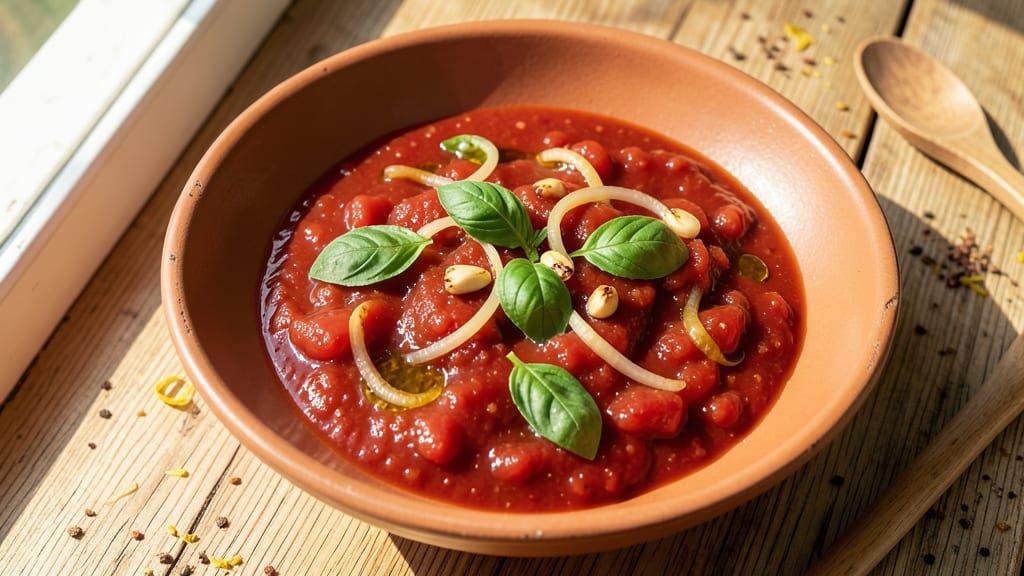
This all-natural marinara sauce recipe delivers restaurant-quality depth without artificial preservatives or shortcuts. The secret lies in slow-simmering fresh tomatoes with garlic, olive oil, and herbs until the flavors meld into a velvety, balanced sauce that's perfect for pasta, pizza, or dipping.
I've perfected this method over years of testing—no canned tomato paste here, just pure, simmered freshness that builds complexity naturally.
The process is straightforward but requires patience: crushed tomatoes simmer for at least 45 minutes to develop rich, concentrated flavor while sugar balances acidity and olive oil prevents separation. Fresh basil added at the end preserves its bright aroma, creating that signature Italian brightness without overpowering the tomatoes.
This sauce thickens beautifully as it cools, making it ideal for meal prep.
What you'll end up with is a versatile marinara that's smooth yet vibrant, with just the right balance of sweetness, acidity, and herbal notes.
The texture is velvety without being heavy, and the flavor deepens the longer it sits—perfect for tossing with al dente pasta, spooning over grilled meats, or using as a pizza sauce base.
It keeps well in the fridge for up to 5 days or freezes beautifully for up to 3 months.
Whether you're serving a weeknight dinner or prepping for a meal plan, this marinara delivers professional-quality results with simple, wholesome ingredients. The key is time and attention to balance—no preservatives needed when you start with quality components and let them work their magic. Let's get simmering!
Ingredients for all natural marinara sauce
Fresh tomatoes, garlic, and herbs transform into velvety marinara with no shortcuts.
| Ingredient | Amount | Notes |
|---|---|---|
| Fresh Roma Tomatoes 🍅 | 2 ½ lbs | Crushed by hand for texture |
| Extra-Virgin Olive Oil 🫒 | ½ cup | High-quality, fruity variety |
| Garlic Cloves 🧄 | 6 cloves | Peeled and lightly crushed |
| Fresh Basil Leaves 🌿 | ½ cup | Packed, stems removed |
| Yellow Onion 🧅 | 1 whole | Finely chopped for sweetness |
| Granulated Sugar 🍚 | 1 tbsp | Balances acidity naturally |
| Sea Salt 🧂 | 1 ½ tsp | Diamond Crystal preferred |
| Ground Black Pepper 🌶️ | ½ tsp | Freshly cracked for warmth |
| Dried Oregano 🍃 | 1 tsp | Mexican oregano preferred |
| Red Wine Vinegar 🍷 | 1 tbsp | Brightens the sauce |
The tomatoes are the foundation—Roma are ideal for their meaty texture and low acidity. Trader Joe's or local farmers markets usually have them year-round. If you can't find fresh, San Marzano canned tomatoes in whole or crushed form are the next best thing. Avoid pre-crushed cans—they oxidize fast. For garlic, Italian varieties have a sweeter flavor, but any fresh clove works. The basil? Fresh is non-negotiable—dried won't give that signature Italian brightness. I always grab extra because half goes in the sauce and half gets torn over pasta at the end.
No fresh basil? Dried oregano at half the amount keeps the herbal notes, but it won't be the same. Short on red wine vinegar? White wine vinegar or lemon juice works in a pinch. The sugar might seem odd, but it's essential to balance the tomatoes' natural acidity—brown sugar or honey can substitute if you prefer. For olive oil, avoid light or refined varieties—they lack the fruity depth that carries through simmering. And if you're making a big batch, double the herbs—they mellow out during cooking, so you need more upfront.
This sauce tastes even better the next day as flavors meld. Store in a clean glass jar in the fridge for up to 5 days, or freeze in ice cube trays for single-serving portions. The oil layer on top is normal—just stir it back in before using. For meal prep, freeze in airtight containers for up to 3 months. Pro tip: Label everything—this sauce disappears fast when it's this good.
Why You'll Love This Recipe
- Five-Ingredient Magic: I swear by this—just tomatoes, olive oil, garlic, basil, and onion. That’s it. No confusing pantry lists or hidden additives. The simplicity means I never overthink it, and the results? Always spot-on.
- Garlic-Basil Bomb: Between us, the fresh garlic and basil in this sauce are chef’s kiss. The basil’s bright punch and garlic’s slow caramelization? It’s the kind of flavor that makes you pause mid-bite and think, “Wait, is this even real?”
- Pasta Party Starter: This sauce is my weeknight hero—dinner for two or a crowd. Toss it with spaghetti, dollop it on garlic bread, or use it as a pizza base. Honestly, I’ve even served it in bowls with crusty bread when I’m lazy. Works every time.
- Fridge Goldmine: Make a double batch and thank me later. The sauce only gets better after a day or two in the fridge—flavors meld like it’s been simmering for hours. Freezes perfectly too, so I always have backup for those “I forgot to order pizza” nights.
Step-by-step instructions for all natural marinara sauce
Here's how to craft a vibrant, naturally bright marinara that bursts with fresh tomato flavor.
Prepare the Tomatoes for Maximum Flavor
Begin by halving the 2.5 lbs fresh Roma tomatoes and place them in a large bowl. Using a heavy-bottomed spoon or your hands, gently crush them until they release their juices but still retain some texture—think chunky, not pulpy. This preserves the sauce's natural body while ensuring even cooking. I like to leave a few larger pieces for rustic appeal in the finished sauce.
Transfer the crushed tomatoes to a large, deep skillet or saucepan. Add the 1 whole yellow onion, chopped into small dice, and the 6 cloves garlic cloves, lightly crushed to release their aroma without turning bitter. This combination forms the aromatic base that will infuse every spoonful of your sauce. The onions should soften and sweeten as they cook, while the garlic will mellow into a subtle, savory presence.
Sauté Aromatics Until Fragrant and Transparent
Heat the 0.5 cup extra-virgin olive oil over medium heat until it shimmers. Add the tomato-onion-garlic mixture and cook for 8-10 minutes, stirring occasionally. You're looking for the onions to become translucent and the garlic to turn a pale golden color—this signals they're ready to release their full flavor without burning. If the mixture starts to stick, reduce the heat slightly to prevent browning.
Here's the thing—don't rush this step. The longer you cook the aromatics at this stage, the deeper the flavor foundation becomes. I usually stir every couple of minutes, watching for the onions to soften and the garlic to transform from raw to mellow. This is where the magic happens, so keep your attention on the pan.
Simmer the Sauce Until Thick and Balanced
Increase the heat to medium-high and bring the mixture to a gentle boil. Once boiling, reduce the heat to low and let it simmer uncovered for 20-25 minutes. During this time, stir occasionally to prevent sticking and allow the liquid to reduce. The sauce should thicken noticeably, coating the back of a spoon with a glossy sheen.
After 15 minutes of simmering, add the 1 tbsp granulated sugar, 1.5 tsp sea salt, 0.5 tsp ground black pepper, and 1 tsp dried oregano. The sugar helps balance the natural acidity of the tomatoes, while the salt and pepper round out the flavors. Stir well to distribute these seasonings evenly throughout the sauce. If you notice the sauce is too acidic at this point, you can add a pinch more sugar or a splash of water to adjust the balance.
Finish with Fresh Basil and Brighten with Vinegar
Remove the skillet from heat and let it cool slightly for 2-3 minutes. Then, stir in the 0.5 cup fresh basil leaves and 1 tbsp red wine vinegar. The basil adds a bright, herbal note that cuts through the richness of the tomatoes, while the vinegar introduces a subtle tang that enhances the overall complexity. Taste the sauce at this point—it should be vibrant, balanced, and full of layered flavors.
For the final touch, return the sauce to low heat and simmer gently for another 5 minutes to allow the basil to infuse its aroma. Avoid boiling the sauce again, as this can make the basil bitter. Instead, let it steep gently to release its essence. The result should be a sauce that's rich, naturally sweet, and perfectly balanced—no artificial preservatives needed.
Rest and Serve for Optimal Texture
Transfer the marinara to a clean bowl or jar and let it rest at room temperature for 10-15 minutes. This resting period allows the flavors to meld and the sauce to thicken slightly, ensuring it clings beautifully to pasta or meat. If you're not using the sauce immediately, store it in an airtight container in the refrigerator for up to 5 days or freeze it for up to 3 months.
The sauce should be thick enough to coat the back of a spoon but still fluid enough to drizzle or toss. If it's too thick after resting, thin it with a splash of water or pasta water. Serve it warm over your favorite pasta, drizzled over grilled meats, or spooned alongside crusty bread. Every bite should deliver that fresh, vibrant tomato flavor you worked so hard to preserve.
Pro Tips For Making All Natural Marinara Sauce
- Sear the Onion First: I used to just chop and toss the onion into the pot, but now I sear it in olive oil over medium-high heat until it’s golden and slightly crispy—about 5-6 minutes. This adds depth to the sauce that just sautéing won’t match.
- Crush Garlic, Don’t Mince: Fine minced garlic burns in seconds. Instead, smash 2-3 cloves with the flat side of your knife and let them sit in the oil for 30 seconds before stirring—just until fragrant, not brown. Trust me, this keeps the flavor bright.
- Simmer Low and Slow: High heat turns marinara into a watery mess. Once tomatoes are added, reduce to the lowest setting that keeps a gentle bubble, then cover partially. Thirty minutes is enough to let flavors meld without breaking down the texture.
- Add Basil Late: Fresh basil wilts and turns bitter if cooked too long. Tear a handful of leaves and stir them in only during the last 5 minutes of cooking—or better yet, reserve some to fold in right before serving. This keeps the flavor vibrant.
Dietary considerations for these flavors
Gluten-Free Adaptations
This marinara is naturally gluten-free since it only contains fresh ingredients, but always double-check labels on your olive oil and vinegar to ensure they're certified gluten-free. The recipe avoids common gluten triggers like flour thickeners or processed additives.
For extra safety, I recommend using certified gluten-free olive oil brands like Bertolli or Colavita, which have dedicated production lines. 🌾
Low-Sugar Options
If you're watching sugar intake, reduce the 1 tbsp granulated sugar to ½ tbsp or omit it entirely—modern Roma tomatoes are often sweeter than in past decades. To compensate for acidity, add ½ tsp baking soda (not baking powder) to the simmering sauce, which neutralizes acid without adding sugar.
Stir it in during the 15-minute mark and taste immediately to adjust. The sauce will taste brighter and more balanced.
Dairy-Free Friendly
This marinara is inherently dairy-free, making it perfect for vegan diets or lactose-sensitive individuals. The rich texture comes from the tomatoes' natural juices and extra-virgin olive oil, not dairy.
For extra creaminess when serving, pair it with dairy-free cheese alternatives like Miyoko's mozzarella or Violife shreds. The sauce's natural acidity actually enhances dairy-free dishes by cutting through richness.
Preservative-Free Storage
To extend shelf life without artificial preservatives, store the sauce in glass jars (not plastic) and refrigerate within 2 hours of cooking. The olive oil creates a natural preservative layer on top—just stir it back in before using.
For freezing, portion into ice cube trays or silicone molds—this makes it easy to thaw just what you need. The sauce keeps its vibrant color and flavor for 3 months when frozen properly. ❄️
Nut-Free Considerations
While this recipe is naturally nut-free, always verify that your olive oil and vinegar are processed in nut-free facilities if severe allergies are a concern. I recommend California Olive Ranch olive oil, which is nut-free certified.
For added safety, prepare the sauce in a dedicated nut-free kitchen area if cross-contamination is a risk. The fresh ingredients themselves pose no nut allergens, but commercial products sometimes do.
Allergen-Friendly Adjustments
For soy allergies, ensure your olive oil and vinegar are soy-free (some brands process with soy lecithin). For egg allergies, this recipe is completely safe—no egg products are used.
If you're avoiding garlic due to allergies, substitute with 1 tsp garlic powder (ensure it's processed in an allergen-free facility) or asafetida powder at ¼ tsp for a similar depth without the allergen. Always taste before serving to confirm flavor compatibility.
Nutrition facts
Frequently asked questions
Can I use canned tomatoes instead of fresh? For the best results, use San Marzano canned tomatoes (whole or crushed) as they're sweeter and less acidic than regular brands. Just adjust the simmering time to 30-40 minutes since canned tomatoes have less water content. If using pre-crushed cans, skip the crushing step and add 1 tbsp tomato paste for depth.
Why does my marinara turn out too acidic?
Acidity happens when tomatoes aren't balanced properly. To fix it, add ½ tsp baking soda (not baking powder) during simmering—it neutralizes acid without altering flavor. For prevention, use ripe Roma tomatoes (they're less acidic) and add 1 tbsp sugar at the 15-minute mark to balance naturally. If the sauce is already too tangy, stir in 1 tsp honey or maple syrup at the end.
How do I make this sauce thicker or thinner?
For thicker sauce: Simmer uncovered for 10-15 extra minutes to reduce liquid, or mash a few cooked tomatoes with a fork. For thinner sauce: Add 2-3 tbsp water or pasta water while simmering and stir well. The ideal consistency coats the back of a spoon but remains pourable. If it separates, whisk vigorously or blend briefly (then simmer 5 more minutes to restore texture).
Can I make this sauce in a slow cooker? Yes! Follow the same steps but transfer everything to a 3-4 quart slow cooker after sautéing. Cook on LOW for 4-5 hours or HIGH for 2-3 hours, stirring occasionally. The long cooking time enhances flavors but may require adding 1 tbsp water if it gets too thick.
What's the best way to freeze marinara sauce?
Portion into ice cube trays or silicone molds for single servings, or use glass jars for larger batches. Leave ½-inch headspace to prevent cracking. Label with date—sauce keeps 3 months frozen. Thaw overnight in the fridge, then reheat gently on the stove. For best texture, avoid refreezing thawed portions. Pro tip: Freeze basil separately and add fresh when reheating!