
Sauces & Condiments
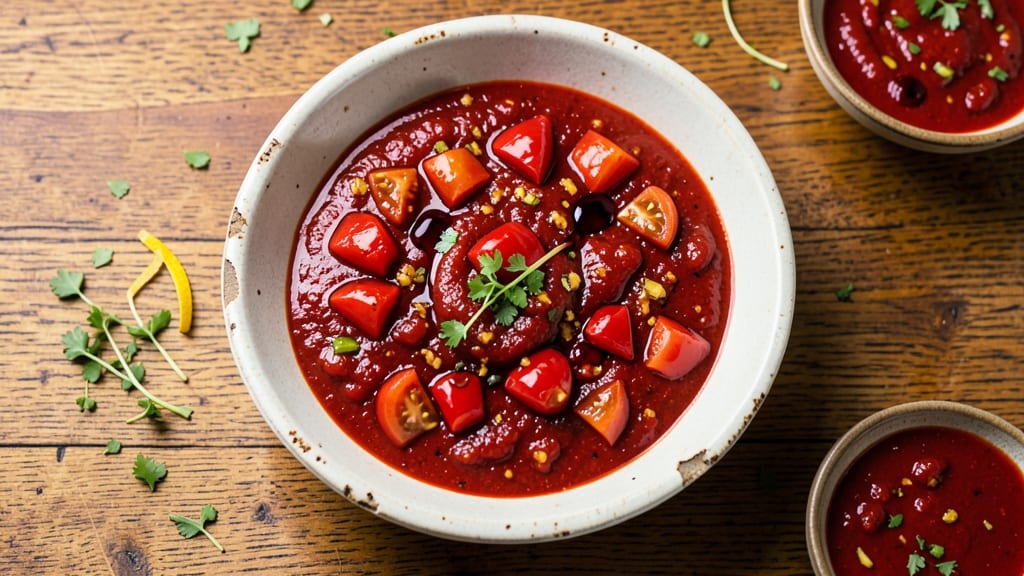
This authentic New York pizza sauce recipe delivers the garlicky, slightly sweet tomato base that makes classic NY-style pizza unforgettable. The secret lies in simmering crushed tomatoes with fresh garlic, celery, and a touch of sugar until it reaches that perfect velvety consistency—no thickeners needed.
I've perfected this sauce over years of testing, and it's the foundation for pizza that tastes like a slice from a Brooklyn pizzeria.
The sauce starts with a simple blend of crushed tomatoes, garlic, and finely chopped celery—what New Yorkers call the "holy trinity" of pizza sauce. A splash of red wine vinegar brightens the flavor, while a pinch of sugar balances the acidity.
Simmering it low and slow develops deep, complex flavors without breaking down the texture. This isn't just any pizza sauce; it's the kind that makes every bite taste like home.
What sets this sauce apart is its garlicky depth and the subtle crunch from finely chopped celery, which adds a fresh, herbal note. The result is a smooth, slightly chunky sauce that clings perfectly to pizza dough without overwhelming it.
It's the kind of sauce that turns a good pizza into an extraordinary one—bold, balanced, and full of character.
Once made, this sauce keeps beautifully in the refrigerator for up to a week, so you can always have that authentic NY flavor on hand. Whether you're making classic pepperoni slices or experimenting with creative toppings, this sauce is your ticket to pizza perfection. Let's get started!
Ingredients for authentic new york pizza sauce
Nine simple ingredients create the garlicky, velvety sauce that defines New York pizza perfection.
| Ingredient | Amount | Notes |
|---|---|---|
| Crushed Tomatoes (San Marzano preferred) 🍅 | 28 oz | High-quality canned, no salt added |
| Fresh Garlic Cloves 🧄 | 6 cloves | Minced finely for garlicky depth |
| Celery Stalk 🧅 | 1 whole | Finely chopped for celery crown crunch |
| Red Wine Vinegar 🍷 | 1 tbsp | Brightens the sauce naturally |
| Granulated Sugar 🍬 | 1 tsp | Balances acidity perfectly |
| Extra-Virgin Olive Oil 🫒 | 1 tbsp | For richness and smooth texture |
| Salt 🧂 | ½ tsp | Diamond Crystal preferred |
| Black Pepper 🌶️ | ¼ tsp | Freshly ground for subtle heat |
| Dried Oregano 🍃 | ½ tsp | Italian variety preferred |
| Dried Basil 🌿 | ¼ tsp | For classic pizza aroma |
The tomatoes are everything here—San Marzano if you can find it, but any high-quality canned works. I grab mine from Trader Joe's when they're on sale, but the store brand at Whole Foods is solid too. Look for 'no salt added' cans to control the seasoning. Fresh garlic and celery are non-negotiable for that authentic 'holy trinity' flavor. I always chop the celery extra fine—almost like a paste—so it blends smoothly but still adds that subtle crunch. Pro tip: Toast the garlic in the olive oil for 30 seconds before adding to deepen its flavor.
No red wine vinegar? Apple cider vinegar works in a pinch, though it'll be slightly sweeter. Short on fresh herbs? Dried oregano and basil are fine, but use half the amount. The sugar might seem odd, but trust me—it cuts through the acidity and rounds out the flavors. Want more depth? Add a pinch of smoked paprika. And if you're making a big batch, I double the garlic to 12 cloves—worth it for that extra garlicky punch that makes this sauce truly New York.
This sauce tastes even better the next day as the flavors meld. Store it in an airtight container in the fridge for up to 1 week. For longer storage, portion it into ice cube trays and freeze—perfect for single servings. I always make a double batch because it disappears fast. The sauce thickens as it cools, so don't worry if it looks too thin right after cooking. Just give it a quick stir before using.
Why You'll Love This Recipe
- No-Fuss Simplicity: I swear, this sauce takes less effort than ordering takeout. Just toss the crushed tomatoes, garlic, and celery into a pot—no peeling, no dicing, no stress—then let it simmer while you handle the rest.
- Sweet-Savory Magic: That little pinch of sugar and splash of red wine vinegar? It’s what makes this sauce actually taste like New York. Bright, balanced, and just sweet enough to cut through the richness of cheese without being cloying.
- Weeknight Workhorse: Between us, this is my go-to for pizza nights, pasta, and even bruschetta. The flavor holds up everywhere, and I’ve got enough leftovers to freeze half for next month’s lazy Sunday.
- Pantry-Friendly Magic: Honestly, the ingredients won’t break the bank—San Marzano cans are the only splurge, and they last forever. A single batch feeds a crowd, and the leftovers? Freeze them, reheat, and boom—homemade sauce ready in seconds.
Step-by-step instructions for authentic New York pizza sauce
Here's how to craft that iconic New York pizza sauce—simple but packed with flavor.
Sauté the Garlic and Celery Crown
Heat the 1 tablespoon extra-virgin olive oil in a medium saucepan over medium-low heat. Add the 6 cloves minced fresh garlic cloves and the 1 whole celery stalk finely chopped. Cook for 5-6 minutes until the garlic turns golden and the celery softens slightly—this builds the aromatic base that defines classic New York sauce.
Real talk: don't rush this step. You want the garlic to color without burning, which would make the sauce bitter. If it starts to darken too quickly, reduce the heat and give it more time. The celery should break down into tiny pieces, almost disappearing into the sauce, creating that signature "celery crown" texture that pizza purists love.
Add Tomatoes and Acid Balance
Pour in the 28 oz crushed tomatoes (San Marzano preferred) and stir to combine with the garlic and celery. Add the 1 tablespoon red wine vinegar and 1 teaspoon granulated sugar. The vinegar brightens the sauce while the sugar balances the tomatoes' natural acidity—this is what gives authentic New York sauce that perfect sweet-tart profile.
Bring the mixture to a gentle simmer over medium heat. Let it cook uncovered for 15-20 minutes while you stir occasionally. You're looking for the sauce to thicken slightly but still maintain a smooth, velvety consistency. If it gets too thick too quickly, add 2-3 tablespoons water to keep it workable.
Season and Simmer to Perfection
Add the 0.5 teaspoon salt, 0.25 teaspoon black pepper, 0.5 teaspoon dried oregano, and 0.25 teaspoon dried basil. Stir well to distribute the seasonings evenly. Here's the thing—New York pizza sauce should be seasoned boldly but not overpoweringly. Taste as you go and adjust if needed, remembering that the cheese on pizza will add saltiness too.
Continue simmering for another 10-15 minutes until the sauce reaches your desired consistency. It should coat the back of a spoon but still be spreadable. The longer you simmer, the more concentrated the flavors become. I like to let it reduce until it's thick enough to hold its shape when drizzled but still glide smoothly across pizza dough.
Cool and Rest for Maximum Flavor
Remove the sauce from heat and let it cool to room temperature. This resting period is crucial—it allows the flavors to meld and the sauce to thicken slightly as it cools. I always let mine sit for at least 30 minutes before using, but overnight in the fridge works even better if you're prepping ahead.
When you're ready to use it, give the sauce one last taste and adjust seasoning if needed. The sauce should be vibrant red with a glossy sheen, and you should be able to smell the garlic, herbs, and that bright acidity from the vinegar. This is the sauce that makes New York pizza unforgettable—simple ingredients, but every detail matters.
Pro Tips For Making Authentic New York Pizza Sauce
- Sweat the Celery First: I learned this the hard way—chopping celery raw and tossing it in with garlic just makes the sauce bitter. Instead, finely dice the celery (about 1/2 cup), then cook it in olive oil over medium-low heat until it’s soft and slightly golden, about 8-10 minutes. That slow release of flavor is what keeps the sauce bright and balanced.
- Crush Garlic Lightly: Minced garlic burns fast and turns bitter. For this sauce, smash 3-4 cloves with the flat side of your knife, then let them sit in the oil for 30 seconds before adding anything else—just until they’re fragrant, not browned. That way, the garlic adds aroma without overpowering the tomatoes.
- Simmer Low and Long: After adding crushed tomatoes, sugar, and vinegar, resist the urge to crank the heat. Let it bubble gently for at least 45 minutes, stirring occasionally, until it thickens to a consistency where it coats the back of a spoon. Skimp on time, and the sauce will taste thin and underdeveloped.
- Taste Early, Adjust Late: Check seasoning at the 30-minute mark—add salt if needed (about 1 tsp), but hold off on extra sugar or vinegar. The flavors will meld and deepen as it cooks. I used to dump in more sugar upfront, but now I wait and let the tomatoes develop naturally. Trust the process.
Storing and reheating this dish
Refrigerator Storage
Store your sauce in an airtight glass container—I prefer Pyrex with a snap-on lid—and keep it refrigerated for up to 1 week. The flavors actually deepen overnight as the ingredients meld together, so making a batch ahead of time is ideal. Just
Freezer Prep
For longer storage, portion the sauce into ice cube trays—this makes it perfect for single-serving pizzas later. Once frozen, transfer the cubes to a freezer bag with all the air squeezed out. Label with the date, and it’ll keep for up to 3 months without losing quality. Thaw overnight in the fridge before using.
Reheating Methods
For stovetop reheating, transfer sauce to a small saucepan and warm over low heat for 5-7 minutes, stirring occasionally. Add 1-2 tablespoons water if it thickens too much.
Microwave reheating works too—use 50% power for 1-2 minutes, then stir and check consistency. Never boil the sauce, or it’ll lose its velvety texture. 🔥
Texture Adjustments
If your refrigerated sauce seems too thick after reheating, thin it with 1 teaspoon water or red wine vinegar at a time until it reaches a smooth, spreadable consistency.
If it’s too thin, simmer uncovered for 3-5 minutes to reduce. The goal is that glossy, clingy texture that makes New York pizza sauce unforgettable.
Flavor Boost After Storage
Sauce tastes even better after a day or two in the fridge—its flavors meld beautifully. If it needs a refresh after storage, add a pinch of salt or a dash of red wine vinegar to brighten it up.
I also like to stir in ½ teaspoon minced fresh basil right before using for that restaurant-quality aroma. 🌿
Nutrition facts
Frequently asked questions
Why does authentic New York pizza sauce use celery?
Celery adds a subtle herbal crunch that balances the richness of the sauce and complements the garlic. When finely chopped, it creates the "celery crown" texture that gives classic NY sauce its signature body. This "holy trinity" of garlic, celery, and tomatoes is a non-negotiable flavor foundation in traditional recipes.
Can I substitute red wine vinegar with something else?
Yes! Use apple cider vinegar or white wine vinegar in equal amounts if needed. For a sweeter alternative, try 1 teaspoon honey instead, though it will slightly alter the bright acidity. The vinegar's purpose is to cut through the tomatoes' acidity and add depth—never skip it entirely.
How do I fix sauce that's too thick or too thin?
For thin sauce, simmer uncovered for 3-5 minutes to reduce. If too thick after reheating, thin with 1 teaspoon water or vinegar. The perfect consistency should coat the back of a spoon but still glide smoothly across dough. Pro tip: Store leftovers in a glass container—the sauce naturally thickens as it cools.
What's the secret to making this sauce taste like a NYC pizzeria?
Three things: quality tomatoes (San Marzano preferred), low-and-slow simmering (30+ minutes total), and proper seasoning. The sugar balances acidity, while the garlic and celery build aromatic depth. Let it rest 30 minutes before using—patience lets flavors meld like in a professional kitchen.
Can I make this sauce without fresh garlic?
Use 2 teaspoons garlic powder or 1 teaspoon granulated garlic**, but fresh is ideal. The powder lacks the aromatic compounds developed during sautéing. If substituting, add ¼ teaspoon onion powder too for depth. For best results, toast 1 extra clove in oil, mash it, and add to the sauce for that authentic garlicky punch.