
Sauces & Condiments
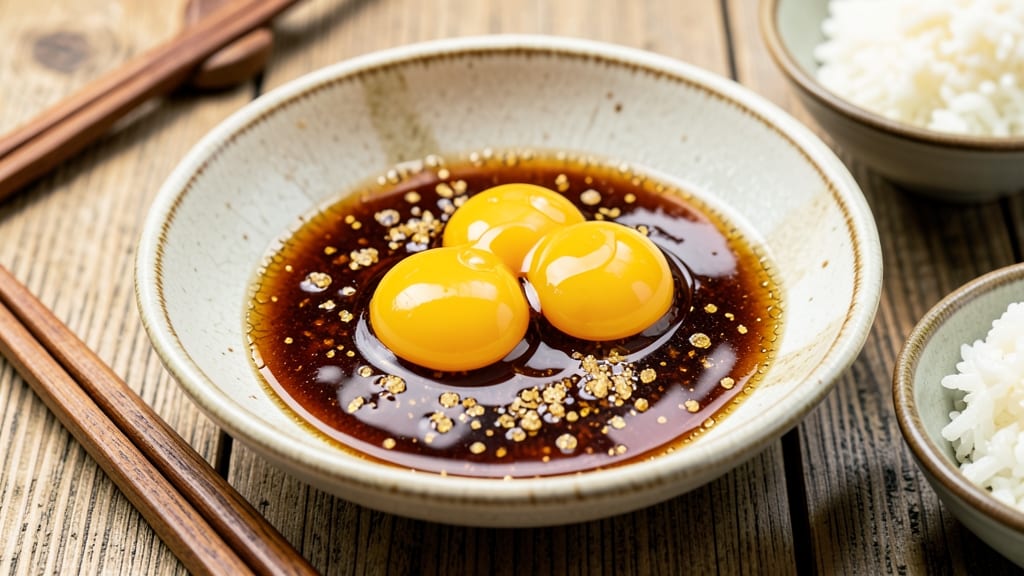
This easy tempura sauce recipe transforms ordinary fried dishes into restaurant-quality masterpieces with just five simple ingredients. The secret lies in balancing umami-rich dashi, sweet mirin, and tangy soy sauce for a sauce that clings perfectly to crispy tempura without overpowering its delicate texture.
I've perfected this version over years of testing—no complicated techniques, just pure flavor that elevates every bite.
The beauty of this sauce is its versatility—it works equally well as a dipping sauce or a light coating before frying. The key is achieving the right consistency: silky enough to coat but still vibrant enough to complement the golden crunch of tempura.
Traditional Japanese tempura relies on this sauce to bridge the gap between crispy exterior and tender interior, creating harmony in every mouthful.
What makes this recipe truly foolproof is the optional egg yolk enrichment, which adds luxurious creaminess without requiring special skills. The sauce comes together in minutes and keeps well in the fridge for up to a week, making it the perfect pantry staple for tempura lovers.
Once you try this version, you'll never settle for store-bought again—the depth of flavor is simply unmatched.
Perfect for serving with homemade tempura vegetables or shrimp, this sauce also pairs beautifully with other fried delicacies like okonomiyaki or even crispy chicken cutlets. The balance of sweet, salty, and umami flavors makes it irresistibly addictive. Let's create this essential sauce that will become your tempura nighttime ritual.
Ingredients for tempura sauce recipe easy
Five simple ingredients transform fried dishes into restaurant-quality masterpieces with crispy perfection.
| Ingredient | Amount | Notes |
|---|---|---|
| Dashi Stock 🍜 | 1 cup | Instant or homemade preferred |
| Mirin 🍶 | ⅓ cup | Sweet cooking wine, not table mirin |
| Soy Sauce 🥢 | ⅓ cup | Japanese style preferred |
| Rice Vinegar 🍶 | ¼ cup | White vinegar substitute |
| Granulated Sugar 🍚 | ¼ cup | White sugar preferred |
| Egg Yolks 🥚 | 2 whole | Optional for creaminess |
| Water 💧 | ½ cup | For thinning if needed |
The dashi stock is the umami backbone—Hondashi or Marukome instant granules work perfectly. Mirin adds sweetness and depth, but avoid table mirin (it's too strong). For soy sauce, Kikkoman or Japanese-style brands bring that authentic tang. Grab these at any Asian market or the international aisle at Whole Foods. The rice vinegar should smell clean and bright—if it's funky, toss it. Sugar is just for balance, but brown sugar works if you're out of white.
No mirin? Substitute 2 tbsp honey plus 1 tbsp water—it won't be identical, but close. Soy sauce swap? Coconut aminos in a pinch, but it'll taste different. Egg yolks are optional but worth it for that silky texture—if you skip them, whisk the sauce extra well. The sauce should be glossy but not runny; add water 1 tbsp at a time if needed. For a vegetarian version, use vegan dashi and skip the egg yolks.
This sauce keeps up to 1 week in the fridge, but add a splash of water before reheating. For best results, store in a glass jar with a tight seal. Freezes beautifully for 3 months—portion into ice cube trays first. The egg yolk version thickens when chilled, so whisk vigorously before serving. Double the batch—it disappears fast!
Why You'll Love This Recipe
- Five-Ingredient Magic: I swear by this combo—dashi stock, mirin, soy, vinegar, and sugar—because it’s the bare minimum you need to get that perfect umami punch without overcomplicating things.
- Balanced in Seconds: The sugar cuts the acidity from the rice vinegar while the mirin adds that sweet-salty depth. Stir, simmer, done. No fancy techniques—just honest flavor.
- Party in a Bottle: Make a double batch and keep it in the fridge for dipping tempura, drizzling over noodles, or even tossing with quick stir-fries. It’s my secret weapon for last-minute gatherings.
- Budget-Friendly Umami: Dashi stock and rice vinegar stretch this sauce further than you’d think. A little goes a long way, and it’s cheaper than store-bought versions that taste half as good.
Step-by-step instructions for tempura sauce
Here's how to make this velvety, umami-rich sauce that elevates tempura from good to extraordinary.
Combine Base Ingredients Over Gentle Heat
In a medium saucepan, pour in the 1 cup dashi stock, 0.33 cup mirin, 0.33 cup soy sauce, and 0.25 cup rice vinegar. Place over medium-low heat and bring to a gentle simmer—you should see small bubbles forming at the edges but not a full rolling boil. This controlled heat prevents the mirin from cooking off too quickly and losing its delicate sweetness.
Add the 0.25 cup granulated sugar and stir until completely dissolved. Let the mixture simmer for 5-7 minutes until it reduces slightly and the aroma becomes rich and complex. You'll notice the liquid darken slightly—this indicates the flavors are melding together beautifully. Keep the heat at medium-low throughout; any hotter and you risk burning the mirin.
Temper the Egg Yolks
While the base simmers, whisk the 2 whole egg yolks in a small bowl until smooth and pale. Here's the thing—you need to temper these yolks to prevent scrambling. Reduce the heat under your sauce to low and carefully ladle about ¼ cup of the hot sauce mixture into the yolks while whisking constantly. This gradual temperature adjustment is crucial; it ensures the yolks cook into a silky emulsion rather than curdle.
Once the yolks are fully incorporated and slightly thickened, pour this tempered mixture back into the saucepan. Return the heat to medium-low and stir continuously for 2-3 minutes until the sauce reaches 160°F. You'll see it transform from a thin mixture into a glossy, velvety sauce. If it starts to thicken too quickly, add 1 tablespoon at a time of the 0.5 cup water reserved for thinning.
Finish and Adjust Consistency
Remove the sauce from heat and let it rest for 2-3 minutes—this resting period allows the flavors to fully meld and the sauce to thicken slightly. Taste and adjust seasoning: if it needs more umami, add a splash of soy sauce; if it needs brightness, a touch more rice vinegar. The sauce should be thick enough to coat the back of a spoon but still flow smoothly when drizzled.
For the perfect tempura experience, strain the sauce through a fine-mesh sieve to remove any potential lumps. Pour into a clean saucepan and reheat gently over low heat just before serving—this maintains its silky texture. The finished sauce should have a deep amber color, a balance of sweet, salty, and tangy flavors, and that signature umami richness that makes tempura unforgettable.
Pro Tips For Making Tempura Sauce Recipe Easy
- Simmer Slow and Steady: I learned this the hard way—tempura sauce isn’t a race. Bring it to a gentle boil first, then drop to the lowest heat you can tolerate. If you rush it, the sugar will caramelize too fast and make the sauce bitter. Think "barely bubbling," not "rolling boil."
- Use Real Dashi, Not Powder: Powdered dashi is convenient, but it lacks depth. If you’re short on time, at least use instant dashi granules dissolved in hot water—it’s closer. For the real deal, simmer kombu and bonito flakes yourself. The umami difference is night and day, especially when paired with the sweetness of mirin.
- Balance the Vinegar Last: Add the rice vinegar after the sauce has thickened slightly. Taste it first—if it’s too sweet or salty, adjust with a splash of vinegar. Too much upfront will make the sauce taste sharp and unbalanced. I used to dump it all in early and wondered why my sauce never tasted right.
- Skip the Straining (Mostly): You’ll see recipes telling you to strain out the sugar grains, but honestly? It’s not worth the effort. Just whisk the sugar into the warm liquid until it dissolves completely. If you’re really worried about texture, use fine sugar or give it a quick pulse in a blender. The sauce will still taste smooth.
Perfect pairings for tempura sauce recipe easy
Tempura Dipping Ritual
Serve this sauce warm in a small ceramic dipping bowl—the traditional way—with freshly fried tempura. I like using wide, shallow bowls so guests can easily dip their pieces without overcrowding.
For extra authenticity, add a small plate of grated daikon radish on the side; its peppery crunch contrasts beautifully with the sauce's richness. 🥢
Coating Technique
For a tempura coating sauce, thin the mixture with 1-2 tablespoons of water until it reaches a light, brushable consistency. Use a pastry brush to lightly coat fried items just before serving—this creates a delicate glaze that enhances crispiness without sogginess.
I find this works especially well with shrimp tempura or vegetable tempura baskets.
Pairing with Okonomiyaki
This sauce isn't just for tempura! Use it as a drizzle over okonomiyaki (Japanese savory pancakes) instead of Worcestershire sauce. The umami depth complements the cabbage and batter perfectly. I like adding a dash of sesame seeds and thinly sliced green onions on top for extra texture. 🌟
Beer Pairings
A crisp Asahi Super Dry or Sapporo cuts through the sauce's richness without overpowering it. For something bolder, try a Japanese lager like Yebisu—its clean finish balances the sauce's sweet and salty notes. Avoid heavy IPAs; they'll clash with the delicate flavors. 🍺
Vegetarian Adaptations
For vegetarian dishes, use vegan dashi (made with kombu and shiitake) and aquafaba (chickpea brine) instead of egg yolks. The sauce will still cling beautifully to tofu tempura or mushroom tempura. I've found that adding 1 teaspoon of cornstarch helps achieve a similar silky texture without animal products. ✨
Garnish Like a Pro
Finish your sauce with toasted sesame seeds or thinly sliced scallions for color and crunch. For a restaurant-style touch, add a drizzle of truffle oil (just ½ teaspoon)—it elevates the dish without overpowering. I like keeping garnishes simple but intentional, letting the sauce's flavors shine. 💫
Nutrition facts
Frequently asked questions
Can I make this sauce without mirin?
Yes! For a quick substitute, mix 2 tablespoons honey with 1 tablespoon water to replace ⅓ cup mirin. The sauce will be slightly sweeter but still delicious. For a closer match, use 1 tablespoon mirin substitute plus 2 tablespoons white wine—this mimics the acidity and sweetness balance.
How do I fix a sauce that's too thick or too thin?
For a thick sauce, whisk in 1 tablespoon water at a time until smooth. If it's too thin, simmer uncovered for 1-2 minutes to reduce. The ideal consistency should coat the back of a spoon but still flow when drizzled. Too thick? Thin it. Too thin? Reduce it—no need to start over!
Can I use this sauce for other fried foods besides tempura?
This versatile sauce works beautifully with fried chicken, shrimp tempura, or even crispy tofu. For extra authenticity, try brushing it lightly on okonomiyaki or takoyaki instead of traditional sauces. The umami-sweet balance enhances any crispy fried dish.
Why did my sauce separate when I added egg yolks?
This happens when yolks aren't tempered properly. Always reduce heat to low and slowly mix in hot sauce while whisking constantly. If separated, whisk vigorously and return to low heat for 1-2 minutes—it should re-emulsify. For next time, temper yolks with ¼ cup hot sauce first.
How long can I store this sauce, and how do I reheat it?
Store in an airtight container in the fridge for up to 1 week. For best texture, reheat gently over low heat while stirring constantly. If it thickens too much, add 1 tablespoon water at a time. Avoid microwaving—it can make the sauce grainy.