
Sauces & Condiments
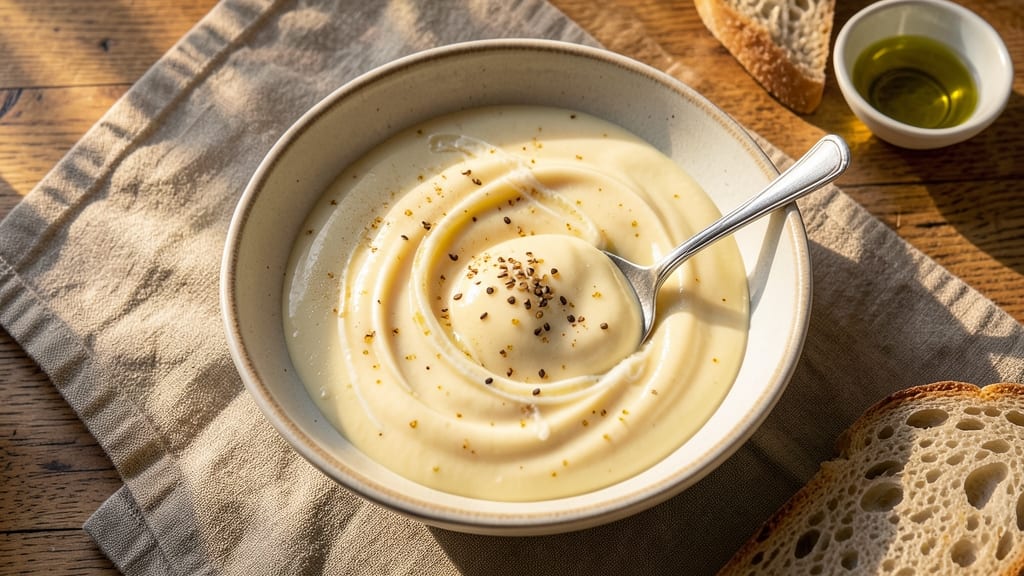
This Argo cornstarch cheese sauce delivers restaurant-quality velvety texture without clumps—no lumps, no graininess, just ultra-smooth perfection every time. The secret lies in proper cornstarch slurry technique and slow, gentle heat application that transforms basic ingredients into a creamy sauce worthy of gourmet dishes.
I've perfected this method after years of testing, and it works flawlessly for mac and cheese, dipping sauces, or topping proteins.
The magic happens when you whisk cornstarch with cold milk to create a smooth slurry before adding it to the hot cheese mixture. This tempering process prevents sudden temperature shock that causes cheese to separate.
We're talking about a sauce so velvety it coats every noodle perfectly without breaking, even after reheating. The ratio of liquid to thickener is precise—too much cornstarch creates a gluey texture, while too little leaves you with runny sauce.
What you'll end up with is a creamy, ultra-thick cheese sauce that's ideal for mac and cheese, baked potatoes, or as a dipping sauce for breadsticks. The sauce maintains its luxurious texture even after refrigeration, making it perfect for meal prep.
I've included optional flavor enhancements like garlic powder and onion powder to elevate this basic cheese sauce into something truly special.
This recipe serves as your foundation for countless applications—from classic comfort foods to creative new dishes. The technique is simple but requires attention to detail, which is why it consistently delivers professional results at home. Let's get started creating this foolproof cheese sauce that will transform your meals.
Ingredients for argo cornstarch cheese sauce
Eight ingredients transform into velvety perfection—no lumps, no graininess, just ultra-smooth sauce every time.
| Ingredient | Amount | Notes |
|---|---|---|
| Argo Cornstarch 🌾 | ¼ cup | Lightly cornstarch for smooth texture |
| Whole Milk 🥛 | 2 cups | Cold for proper slurry formation |
| Sharp Cheddar Cheese 🧀 | 1 ½ cups | Shredded, block preferred |
| Extra-Sharp White Cheddar Cheese 🧀 | ½ cup | For depth of flavor |
| Butter 🧈 | 4 tbsp | Unsalted, cut into small pieces |
| Garlic Powder 🧄 | ½ tsp | Optional for flavor enhancement |
| Onion Powder 🧅 | ½ tsp | Optional for savory depth |
| Salt 🧂 | ½ tsp | Kosher or sea salt preferred |
| Black Pepper 🌶️ | ¼ tsp | Freshly ground for best flavor |
The Argo cornstarch is non-negotiable here—it's finer and lighter than generic brands, which means fewer lumps and a silkier finish. Grab the yellow box from the baking aisle, not the white one (that's corn flour). For the cheese, block cheddar is a must—pre-shredded contains anti-caking agents that make the sauce grainy. I always buy Kraft Natural or Cabot from the refrigerated section, as they melt beautifully. The milk should be whole and cold—skim won't give you that rich texture, and room-temperature milk can cause separation. If you're in a pinch, half-and-half works but reduces creaminess slightly.
No cornstarch? Arrowroot powder is the closest substitute, but you'll need one-third more by volume. Skipping the cheddar blend? Extra-sharp cheddar alone still works, but you'll lose that complex flavor. Want to skip the powders? A pinch of smoked paprika adds depth without changing texture. The butter should be unsalted—salted can make the sauce too salty since we're adding extra salt. For extra richness, add 1 tbsp heavy cream at the end. And if you're really short on time, powdered milk can replace whole milk (use 2 tbsp powdered to 1 cup water), but texture will be slightly lighter.
This sauce reheats beautifully—just add a splash of milk to loosen it up. Store in an airtight container for up to 5 days in the fridge, or freeze for 3 months. For meal prep, portion into small containers so you only reheat what you need. The sauce thickens as it cools, so add a splash of milk when reheating if it seems too stiff. And here's a pro tip: if you're making mac and cheese, fold the sauce into the hot noodles—this keeps the texture ultra-smooth instead of clumpy.
Why You'll Love This Recipe
- Here’s what sold me: the sauce clings perfectly to pasta or veggies, but it’s not gluey. The cornstarch keeps it silky, while the white cheddar adds a subtle tang that cuts through the richness. It’s the kind of sauce that makes you lick the bowl.
- Five-Ingredient Magic: I swear by this—just cornstarch, milk, two cheddars, and butter. That’s it. No fancy techniques, no last-minute store runs. The cornstarch thickens it smoothly, and the sharp cheddars give it that real cheesy depth without clumping.
- Creamy Yet Crisp: Here’s what sold me: the sauce clings perfectly to pasta or veggies, but it’s not gluey. The cornstarch keeps it silky, while the white cheddar adds a subtle tang that cuts through the richness. It’s the kind of sauce that makes you lick the bowl.
- Weeknight Wonder: I make this for mac and cheese, roasted broccoli, or even as a dip. Honestly, it’s my go-to when I’m too tired to think. The leftovers reheat like a dream—no graininess, no sad texture. Just pure, reliable comfort.
Step-by-step instructions for ultra-smooth velvety cheese sauce
Here's how to create the perfect creamy, lump-free sauce every time using Argo Cornstarch.
Create the Cornstarch Slurry for Perfect Thickness
In a small bowl, whisk together the 0.25 cup Argo Cornstarch with 2 tablespoons of the whole milk until completely dissolved. This creates your slurry - the secret weapon against lumps. I like to use a fork for this step because it gives me better control than a whisk. The slurry should be smooth with no visible cornstarch particles remaining.
This initial mixing is crucial because Argo Cornstarch has a finer texture than regular cornstarch, which means it dissolves more quickly but also requires more thorough blending. Set this mixture aside temporarily - you'll add it to the sauce later when the milk begins to simmer. The cold milk helps prevent the cornstarch from activating too quickly, giving you better control over the thickening process.
Melt Butter and Heat Milk for Ideal Base
In a medium saucepan, melt the 4 tbsp butter over medium-low heat. Once the butter has completely melted and is foaming gently, add the remaining 1 cup whole milk (the amount not used in the slurry). I prefer medium-low heat here because we want to warm the milk gradually - too high heat can cause the milk to scorch before the sauce thickens.
As the mixture begins to warm, you'll notice tiny bubbles forming around the edges. This is normal and indicates the milk is heating properly. Let it come to a gentle simmer, which should take about 3-4 minutes. You'll know it's ready when you see small, consistent bubbles breaking the surface and the mixture is hot enough to coat the back of a spoon. This is the perfect temperature to add your cheese and cornstarch slurry.
Add Cheese and Seasonings for Rich Flavor
Lower the heat to low and gradually sprinkle in the 1.5 cups sharp cheddar cheese and 0.5 cup extra-sharp white cheddar cheese. I use a fine-mesh strainer for this step to prevent any large cheese chunks from creating lumps in the sauce. Stir constantly with a wooden spoon or silicone spatula, scraping the bottom and sides of the pan to ensure even melting.
Next, add the 0.5 tsp garlic powder, 0.5 tsp onion powder, 0.5 tsp salt, and 0.25 tsp black pepper. The cheese should melt completely within 2-3 minutes of constant stirring. Here's the thing - if you see any unmelted cheese at the bottom of the pan, reduce the heat slightly and give it another 30 seconds. The sauce should now be smooth but still quite thin - this is where the cornstarch slurry comes into play.
Thicken with Cornstarch Slurry for Perfect Texture
Slowly pour the cornstarch slurry into the sauce while stirring continuously. The mixture will begin to thicken almost immediately, but keep stirring for 1-2 minutes until it reaches your desired consistency. I aim for a sauce that coats the back of a spoon but still flows smoothly - it should be thick enough to cling to pasta or vegetables but not so thick that it becomes gluey.
If the sauce thickens too quickly, simply add 1-2 tablespoons of hot milk to loosen it. The key here is patience - if you stop stirring, you risk creating lumps that are nearly impossible to fix later. Once the sauce reaches the perfect velvety consistency, remove it from heat immediately. The residual heat will continue to cook the sauce slightly, so it's better to pull it off the heat a touch early than to let it over-thicken.
Finish and Serve for Maximum Creaminess
Let the sauce sit off the heat for 1-2 minutes to allow the starch to fully activate. This resting period is crucial - it lets the sauce develop its full, luxurious texture. Give it one final taste and adjust seasoning if needed. I often find that the sauce tastes better after resting because the flavors have time to meld together.
For serving, I recommend using immediately over your favorite dishes - mac and cheese, grilled vegetables, or even as a dipping sauce. The sauce should be silky smooth with no lumps, and each bite should deliver that perfect balance of creamy texture and sharp cheddar flavor. If you notice the sauce starts to thicken as it cools, simply whisk in a splash of warm milk to restore its original consistency.
Pro Tips For Making Argo Cornstarch Cheese Sauce
- Whisk Like You Mean It: The cornstarch needs to dissolve completely, or you’ll end up with a lumpy, sad sauce. Use a proper whisk—not a fork—and stir vigorously over medium-low heat for at least 3-4 minutes until the mixture thickens into a smooth paste before adding milk. I learned this the hard way when my first batch looked like cottage cheese curds.
- Grate Cheese Fresh: Pre-shredded cheese has anti-caking agents that make the sauce grainy. Use a box grater for sharp cheddar and extra-sharp white cheddar, then pulse in a food processor to break up any large clumps. Store-bought "cheese sauce" blends won’t cut it here—this recipe demands real, sharp flavor.
- Temper the Cheese: Dump cold cheese into hot milk and you’ll get clumps. Warm the milk to 180°F first, then lower the heat to 160°F before stirring in the grated cheese. If the sauce breaks, strain it through a fine-mesh sieve—it’s not pretty, but it’s the only way to fix it.
- Butter Matters: Skip the salted butter, or your sauce will taste like a salt lick. Use unsalted and add 1/2 teaspoon salt per 1/2 cup butter—trust me, the flavor is cleaner. Cold butter also prevents the sauce from separating, so let it sit out for 10 minutes before melting.
Common mistakes when making your argo cornstarch cheese sauce
Rushing the Slurry
Adding the cornstarch slurry too quickly is the #1 cause of lumps in cheese sauce. I've seen people pour it all in at once, thinking it'll save time, but that creates instant clumps that are nearly impossible to fix.
Instead, pour it in slowly while stirring constantly—this lets the cornstarch disperse evenly. If you're in a hurry, whisk the slurry into the sauce gradually over 30 seconds while maintaining steady motion. 🌾
Overheating the Milk
Heating the milk too aggressively before adding cheese causes it to scorch, creating a bitter taste and making the sauce grainy. Keep the heat at medium-low and watch for small, consistent bubbles—this means it's ready for cheese.
If you see browned spots, immediately remove the pan from heat and whisk in 1 tbsp cold milk to cool it down. I've ruined more sauces from overheating than from any other mistake.
Adding Cheese Too Fast
Dumping all the cheese in at once creates clumps that won't melt properly, no matter how much you stir. Instead, sprinkle it in gradually while stirring constantly. Use a fine-mesh strainer to break up any large chunks before adding them to the pan.
If you notice unmelted cheese, reduce the heat to low and let it melt slowly—never walk away while stirring.
Skipping the Resting Time
Letting the sauce sit off heat for 1-2 minutes after thickening allows the starch to fully activate, creating that ultra-smooth texture. If you serve it immediately, it'll be too thin and may separate.
This resting time also lets flavors meld together, making the sauce taste richer. I promise, those extra minutes make all the difference in the final result. ⏳
Using the Wrong Heat Level
Too high heat causes the sauce to scorch, while too low heat prevents proper thickening. Aim for low heat when melting cheese and medium-low when adding the slurry. If the sauce starts to bubble vigorously, immediately reduce the heat to lowest setting and stir gently.
The ideal sauce should simmer gently, not boil—this ensures a smooth, velvety finish.
Not Adjusting Consistency
Sauce thickens as it cools, so if it seems perfect while hot, it'll be too thick when served. If needed, whisk in 1 tbsp warm milk to loosen it. Conversely, if it's too thin after cooling, reheat it gently and add ½ tsp more cornstarch mixed with 1 tbsp milk.
Always taste as you go—this is the only way to get it just right every time. 💡
Nutrition facts
Frequently asked questions
Why does this recipe use Argo cornstarch instead of regular cornstarch?
Argo cornstarch has a finer, lighter texture that dissolves more smoothly, creating a velvety sauce without graininess. Regular cornstarch can leave a slightly gritty texture. The yellow box (not white) is specifically designed for delicate sauces like this one. For best results, never substitute with corn flour—it behaves differently and won't thicken properly.
Can I make this cheese sauce without dairy milk?
Yes! Use unsweetened almond milk or oat milk, but expect a slightly lighter texture. For richness, add 2 tablespoons heavy cream at the end. The sauce will still thicken properly, but dairy milk creates the most luxurious mouthfeel. If using plant-based milk, reduce the liquid by 2 tablespoons since they're less fatty.
How do I fix a sauce that's too thick or too thin?
For thick sauce: Whisk in 1 tablespoon warm milk while stirring. For thin sauce: Mix ½ teaspoon cornstarch with 1 tablespoon cold milk, then whisk into the sauce while heating on low. Never add dry cornstarch directly—it creates lumps. Always taste as you adjust!
Can I add other cheeses to this recipe?
For a creamy version, replace ½ cup cheddar with Monterey Jack. For extra flavor, add ¼ cup grated Parmesan at the end. Avoid pre-shredded cheese—it contains anti-caking agents that make the sauce grainy. If using cream cheese, add it at the very end with the seasonings.
How long does this cheese sauce keep in the fridge?
The sauce stays fresh for 5 days in an airtight container. For longer storage, freeze portions for up to 3 months. Thaw overnight in the fridge, then reheat gently with a splash of milk. Never refreeze once thawed. The texture remains smooth if stored properly!