
Sauces & Condiments
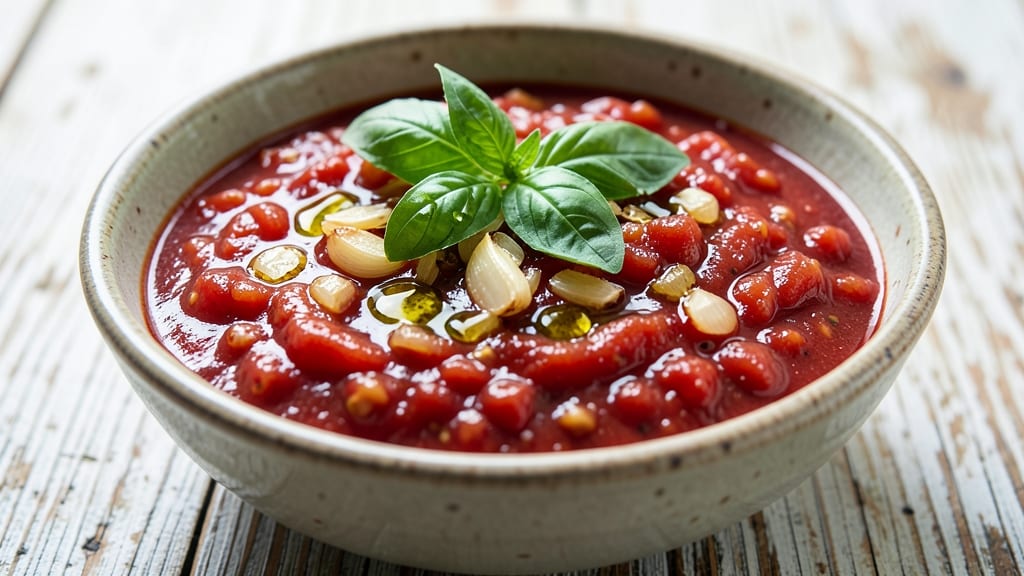
This small-batch canned spaghetti sauce transforms pantry staples into rich, restaurant-quality flavor without the bulk of large batches. 💛 I developed it after years of testing—balancing tomatoes, herbs, and garlic to create a sauce that’s versatile enough for weeknight dinners but packed with depth.
The beauty of this recipe lies in its simplicity: no fancy equipment, just a pot, a canning jar, and a few hours of simmering time.
The secret to great spaghetti sauce is patience and layering flavors. We start with crushed tomatoes for body, then build complexity with garlic, onions, and herbs. A splash of red wine adds brightness, while a touch of sugar balances acidity.
The sauce cooks down slowly, intensifying flavors while maintaining a chunky texture that’s far more interesting than store-bought versions. This method also works perfectly for freezing—just portion into jars or containers for up to six months.
What you’ll end up with is a small-batch sauce that’s rich, aromatic, and ready to elevate any pasta dish. The aromas alone—garlicky, herby, and tomato-forward—will have your kitchen smelling like an Italian trattoria.
Serve it over spaghetti, toss it with meatballs, or use it as a base for lasagna. The possibilities are endless, and the best part? You’ll never need to buy jarred sauce again.
This recipe is designed for beginners and seasoned cooks alike—no canning experience required. If you’re new to preserving, I’ll walk you through safe storage methods to keep your sauce fresh for months.
For those who prefer to skip canning entirely, the sauce freezes beautifully, making it the ultimate pantry staple. Let’s get started!
Ingredients for canned spaghetti sauce recipe small batch
Nine pantry staples transform into rich, chunky sauce perfect for canning or freezing.
| Ingredient | Amount | Notes |
|---|---|---|
| Crushed Tomatoes (40 oz can) 🍅 | 1 can | San Marzano preferred for sweetness |
| Yellow Onion 🧅 | 1 whole | Medium size, finely diced |
| Garlic Cloves 🧄 | 4 cloves | Fresh, minced for maximum aroma |
| Dry Red Wine 🍷 | ½ cup | Bold variety like Cabernet Sauvignon |
| Granulated Sugar 🍚 | 1 tbsp | Balances acidity naturally |
| Dried Basil 🌿 | 1 tbsp | Or 0.5 tbsp fresh basil leaves |
| Dried Oregano 🍃 | 1 tsp | Mexican oregano preferred |
| Ground Black Pepper 🌶️ | ½ tsp | Freshly cracked for intensity |
| Extra-Virgin Olive Oil 🫒 | 2 tbsp | For sautéing aromatics |
| Kosher Salt 🧂 | 1 ½ tsp | Diamond Crystal preferred |
The tomatoes are your foundation—San Marzano gives that natural sweetness, but any crushed tomatoes work in a pinch. Trader Joe's and Whole Foods carry the best quality, but the regular grocery store brand is fine if you're just starting. For the aromatics, fresh garlic and onion are non-negotiable—frozen works in a pinch, but nothing beats the real deal. The red wine adds depth that you won't get from broth or bouillon. If you're avoiding alcohol, beef broth with a splash of balsamic works surprisingly well. Look for a bold, dry wine like Cabernet Sauvignon—whatever you'd drink with steak.
No red wine? Beef broth with a splash of balsamic gets you close—just use the same amount. Fresh basil is ideal, but dried works at one-third the amount. If you've got fresh oregano, use half the dried amount. The sugar balances the acidity, so don't skip it—even a tiny bit makes a difference. For the olive oil, extra-virgin is best, but any decent quality will work. The kosher salt matters here—Diamond Crystal dissolves more easily than table salt. And if you're canning, make sure your jars are sterilized and sealed properly—this isn't the time for shortcuts.
This sauce keeps beautifully—6-12 months in the pantry if canned properly, or up to 6 months in the freezer. I always make a double batch and freeze half in quart-sized containers for easy portions. The flavor actually improves after a few weeks as everything melds together. For canning, follow USDA guidelines—process pints for 75 minutes in a boiling water bath. If you're freezing, leave a little headspace and seal tightly. The sauce reheats perfectly—just warm on the stove or microwave until bubbly.
Why You'll Love This Recipe
- One-Pot Magic: I swear by this—just toss everything into one pot, no fancy gadgets. The crushed tomatoes and red wine simmer down to a rich sauce while I chop veggies for the rest of dinner, no extra bowls to wash.
- Wine-Kissed Depth: That splash of dry red wine? It’s the secret weapon—balances the acidity of the tomatoes and adds a subtle earthiness. Honestly, it tastes like a restaurant-quality sauce, not something thrown together.
- Weeknight Workhorse: This small batch is perfect for feeding two or freezing for later. I make it on Mondays, portion it out, and have a ready-to-go sauce for busy nights—or when I’m too tired to cook.
- Budget-Friendly Luxury: A single can of tomatoes and a bottle of wine stretch into multiple meals. Between us, this is the kind of sauce that makes you feel fancy without breaking the bank. Plus, it’s always a hit with picky eaters.
Step-by-step instructions for small-batch canned spaghetti sauce
Here's how to transform pantry staples into rich, restaurant-quality sauce with minimal effort.
🍳 Step 1: Sauté Aromatics Until Fragrant
Heat the 2 tablespoons extra-virgin olive oil in a medium saucepan over medium heat. Add the finely diced yellow onion and cook for 5-6 minutes until softened and translucent. You'll see the edges begin to caramelize slightly—that's when you know it's ready for the next step.
Add the 4 minced garlic cloves and cook for another 30 seconds until fragrant. Here's the thing—don't let the garlic brown or it'll turn bitter. Keep stirring gently to distribute the heat evenly. The base is now ready to absorb all those amazing flavors we're about to add.
🍳 Step 2: Deglaze and Build Flavor Layers
Pour in the ½ cup dry red wine and scrape up any browned bits from the bottom of the pan using a wooden spoon. This deglazing step captures all the concentrated flavor that would otherwise go to waste. Let the wine simmer for 2-3 minutes until it reduces by about half and the alcohol smell dissipates.
Add the 1 can crushed tomatoes (with juices), 1 tablespoon granulated sugar, 1 tablespoon dried basil, 1 teaspoon dried oregano, and ½ teaspoon ground black pepper. Stir well to combine. The sugar helps balance the acidity of the tomatoes while the herbs will infuse deep, aromatic flavors throughout the sauce.
🔥 Step 3: Simmer and Develop Depth
Bring the mixture to a gentle boil, then reduce heat to low-medium and let it simmer uncovered for 30-40 minutes. You want to see small bubbles forming occasionally but no vigorous boiling. Stir occasionally to prevent the sauce from sticking to the bottom.
After about 20 minutes, taste and adjust seasoning. Add the 1½ teaspoons kosher salt now if needed—this is when you'll really notice if the sauce needs more seasoning. The sauce should be thickened slightly but still spoonable. If it's too thick, add 2-3 tablespoons water to reach your desired consistency.
⏰ Step 4: Rest and Finish
Once the sauce has simmered for the full 30-40 minutes, remove it from heat. Let it rest for 10 minutes—this allows the flavors to meld completely and the sauce to thicken slightly as it cools. Don't skip this step; it makes a noticeable difference in the final texture and flavor.
Give it a final taste and adjust seasoning if needed. The sauce should be rich, slightly sweet, and deeply aromatic with layers of tomato, garlic, and herbs. If you're using it immediately, warm it gently before serving. For best results, let it cool completely before storing in an airtight container in the refrigerator for up to 5 days or freeze for up to 3 months.
Pro Tips For Making Canned Spaghetti Sauce Recipe Small Batch
- Sweat the Onion First: After burning three batches, I finally figured out that cooking the onion in batches—2 minutes per side on medium-high—keeps it from turning to mush. If you rush it, you’ll end up with a watery sauce instead of a rich, caramelized base. (Yes, even if you're impatient like me.)
- Deglaze with Wine Early: Pour in that dry red wine as soon as the onions soften and garlic hits the pan. The alcohol burns off faster when the pan is still hot, and you’ll get a deeper, fruitier flavor instead of a sharp, boozy aftertaste. Skip this, and your sauce will taste like you’re drinking the cooking wine straight.
- Simmer Low and Slow: Once the tomatoes go in, drop the heat to a bare simmer—just enough to see tiny bubbles. I used to crank it up, and the sauce would split or turn bitter. Low and slow (20-25 minutes) lets the flavors meld without breaking down the texture. (Your future self will thank you.)
- Balance the Sugar: Taste the sauce before adding sugar—it’s already sweet from the crushed tomatoes. Start with half the recipe’s amount (about 1 teaspoon), then adjust. Too much sugar makes the sauce cloying, and you’ll regret it when you’re halfway through. (I learned this the hard way.)
Wine and beer pairings for canned spaghetti sauce recipe small batch
Red Wine Pairings
This sauce's bold tomato base and herbal notes make it a perfect match for medium-bodied red wines. I always reach for a Chianti Classico—its bright acidity and cherry notes complement the sauce's depth while cutting through the richness.
The tannins in Chianti also help cleanse your palate between bites of pasta. For something slightly sweeter, try a Sangiovese from Tuscany, which has that same rustic charm but with a touch more fruitiness. 🍷
If you prefer New World wines, a California Zinfandel brings a juicy, spicy contrast that works beautifully with the sauce's herbal complexity. The slight peppery finish in Zinfandel echoes the black pepper in the recipe.
Avoid heavy, oaky wines like Cabernet Sauvignon—they'll overpower the delicate tomato flavors. Pro tip: Let the wine breathe for 10-15 minutes before pouring to open up its aromas even more.
White Wine Options
Don't overlook whites! A dry Vermentino from Sardinia is my go-to—its citrusy brightness balances the sauce's richness without competing. The mineral notes in Vermentino actually enhance the garlic and basil flavors in the sauce.
For something lighter, try a Pinot Grigio from Alto Adige, which has enough body to stand up to the tomato while keeping things fresh. 🍷
If you're serving this sauce with seafood (like shrimp or clams), a chilled Soave from Italy adds an elegant touch. The almond notes in Soave pair surprisingly well with the tomato's umami depth.
Just remember: white wines should be served slightly chilled—around 45-50°F—to highlight their crispness against the warm sauce.
Beer Pairings
For beer lovers, a Belgian-style witbier is my top recommendation—its coriander and citrus notes create a refreshing contrast to the sauce's herbal richness. Try Hoegaarden or Stella Artois for a classic pairing.
The effervescence also helps cleanse your palate between bites. For something heartier, a German Helles Lager brings malty sweetness that complements the sauce's tomato base. 🍺
Avoid heavy stouts or IPAs—they'll clash with the sauce's delicate tomato flavors. Instead, opt for a crisp Italian lager like Peroni or Birra Moretti, which have enough carbonation to refresh your palate without overpowering the dish. Serve the beer slightly cooler than room temperature—around 40-45°F—to enhance its crispness.
Non-Alcoholic Options
Don't drink alcohol? No problem! A sparkling blood orange soda like San Pellegrino Aranciata Rossa adds a citrusy brightness that mirrors the wine pairings. The bubbles help cleanse your palate just like wine would.
For something more substantial, try a ginger beer—the spicy kick complements the black pepper in the sauce beautifully. 🥤
Herbal iced teas, especially those with hibiscus or mint, work surprisingly well too. The natural sweetness balances the sauce's acidity, while the herbal notes echo the basil and oregano.
Just avoid overly sweetened varieties—they'll make the tomato flavors taste flat in comparison. Chill your drink to 38-40°F for the best experience.
Nutrition facts
Frequently asked questions
Can I use fresh tomatoes instead of canned crushed tomatoes?
Fresh tomatoes work beautifully but require extra prep! Use about 4-5 medium tomatoes (peeled, seeded, and roughly chopped) for the same yield. Simmer them first for 10 minutes to break down their texture before adding other ingredients. Fresh tomatoes add vibrant acidity but may make the sauce slightly thinner—adjust with a 1 tablespoon tomato paste if needed.
How do I adjust this for a meat sauce?
Add ½ pound ground beef, Italian sausage, or pancetta when you sauté the onions. Brown the meat first, then remove it and set aside. Deglaze the pan with the wine, then return the meat to the sauce. Simmer for an extra 10 minutes to let flavors meld. For a vegetarian version, stir in ½ cup lentils or mushrooms with the tomatoes.
What's the best way to store this sauce?
For fresh use, store in an airtight container in the fridge for up to 5 days. For long-term storage, freeze in quart-sized containers (leaving 1-inch headspace) for up to 6 months. If canning, process pint jars in a boiling water bath for 75 minutes following USDA guidelines. The sauce thickens slightly when reheated—add water if needed.
Can I make this sauce without wine?
Replace the wine with ½ cup beef broth + 1 tablespoon balsamic vinegar for depth. Or use ½ cup tomato paste + ½ cup water for a richer, more concentrated flavor. The sugar amount can stay the same—it balances acidity regardless of the liquid used. The sauce will still develop complex flavors, just with a slightly different profile.
Why did my sauce turn out too acidic?
Acidity often comes from using too many tomatoes or not enough sugar. Next time, reduce the crushed tomatoes to 28 oz and add 1 extra tablespoon sugar. Also, simmer uncovered for 5-10 extra minutes to let some liquid evaporate. If it's already too acidic, stir in ½ teaspoon baking soda (just enough to neutralize) or a pinch of sugar to balance.