
Sauces & Condiments
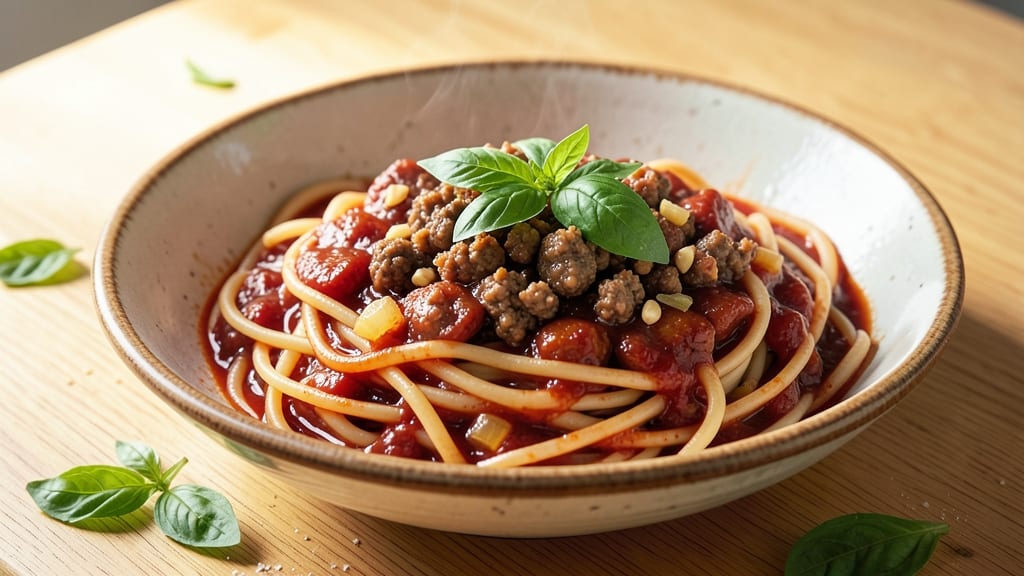
This amazing spaghetti meat sauce recipe isn't just dinner—it's a flavor explosion that turns weeknights into Italian trattoria nights. 💛 The secret lies in slow-cooked tomatoes and perfectly browned meat, creating a sauce so rich it clings to every strand of pasta like it was born there.
I've been perfecting this for years, and it never fails to impress, even with picky eaters.
What makes this sauce truly special is the deep, complex flavor developed through slow simmering. We start with ground beef and Italian sausage for hearty texture, then build layers of flavor with garlic, onions, and fresh herbs.
The sauce reduces slowly, intensifying those rich tomato notes until it's thick, velvety, and packed with umami goodness.
By the time you twirl that first forkful, you'll taste the perfect balance of tender meat, sweet tomatoes, and aromatic herbs—all clinging to perfectly cooked al dente spaghetti. This isn't just any meat sauce; it's the kind that makes people ask for seconds and saves leftovers for days.
The best part? It's beginner-friendly with clear steps that guarantee restaurant-quality results.
Serve with a sprinkle of fresh basil, a drizzle of olive oil, and maybe some crusty garlic bread on the side. This is the kind of meal that transforms simple ingredients into something extraordinary. Let's get cooking—your taste buds will thank you!
Ingredients for amazing spaghetti meat sauce
Ground beef, Italian sausage, and slow-cooked tomatoes create this restaurant-worthy sauce.
| Ingredient | Amount | Notes |
|---|---|---|
| Ground Beef 🥩 | 1 ½ lb | 80/20 fat ratio preferred |
| Italian Sausage 🌭 | 1 lb | Sweet or spicy variety |
| Yellow Onion 🧅 | 1 whole | Diced, medium size |
| Garlic Cloves 🧄 | 4 cloves | Minced, fresh preferred |
| Canned San Marzano Tomatoes 🍅 | 28 oz | Crushed or whole, no salt added |
| Tomato Paste 🍅 | 2 tbsp | Squeeze tube or can |
| Extra-Virgin Olive Oil 🫒 | 3 tbsp | For browning meat |
| Dry Red Wine 🍷 | ½ cup | Bold variety like Cabernet |
| Fresh Basil Leaves 🌿 | ½ cup | Chopped, stems removed |
| Fresh Oregano Leaves 🍃 | ¼ cup | Chopped, or 1 tsp dried |
| Dried Thyme 🌿 | 1 tsp | Or 1 tbsp fresh |
| Salt 🧂 | 1 ½ tsp | Diamond Crystal preferred |
| Ground Black Pepper 🌶️ | ½ tsp | Freshly cracked |
| Spaghetti 🍝 | 12 oz | Dry weight, al dente preferred |
| Grated Parmesan Cheese 🧀 | ½ cup | Freshly grated from block |
The meat is where the magic starts. Ground beef (80/20 fat ratio) gives richness, while Italian sausage adds depth—sweet or spicy, whatever you prefer. Trader Joe's has great pre-ground options, but if you're buying whole packages, grab both beef and sausage from the meat counter. Look for bright red color and good marbling—those are signs of freshness. The San Marzano tomatoes are worth the splurge; their sweetness and low acidity make all the difference. If you can't find them, any no-salt-added crushed tomatoes will do, but taste the can first—some brands have weird aftertastes.
No red wine? Substitute with beef broth plus a splash of balsamic vinegar—it mimics the depth. Fresh herbs are ideal, but dried oregano and thyme work at one-third the amount. The tomato paste can be skipped if you're short, but I don't recommend it—they're the secret to that thick, velvety texture. For the onions, yellow or red both work, but yellow has more natural sweetness. If you're prepping ahead, brown the meat and store it in the fridge for up to 3 days before finishing the sauce. Just add the tomatoes and simmer when you're ready to serve.
This sauce tastes even better the next day once all the flavors meld. Store leftovers in the fridge for up to 5 days, or freeze portions for 3 months. I like to portion it into glass jars—they keep the sauce fresh longer and look great on the counter. For serving, toss the spaghetti with a splash of pasta water and top with extra Parmesan. The sauce reheats beautifully—just warm it gently on the stove with a splash of water if it's too thick. Leftovers make amazing sandwiches too—trust me on that.
Why You'll Love This Recipe
- No Chopping Nightmares: I swear by this—just dice that onion and garlic once, then let the pan do the work. The Italian sausage even comes pre-seasoned, so you’re basically cheating while still making something ridiculously good.
- San Marzano Magic: That one can of tomatoes changes everything. The sweet, meaty depth from the San Marzano? It’s what turns this from "dinner" to "I’ll drive 20 minutes for seconds." Trust the good stuff here.
- Leftovers That Beg for More: Between us, this sauce only gets better the next day. I make a double batch on Sundays, freeze half, and still eat the fridge-warm version straight from the jar. (Yes, even on a Tuesday night.)
- Budget-Friendly Powerhouse: Ground beef and sausage stretch for a crowd, and a single can of tomatoes lasts me three meals. Honestly, it’s the kind of recipe that makes grocery day feel like a win—no fancy ingredients, just pure satisfaction.
Step-by-step instructions for spaghetti meat sauce
Here's how to build layers of rich flavor through slow-cooked tomatoes and perfectly browned meat.
🔥 Step 1: Brown the Meat for Maximum Flavor
Heat a large Dutch oven over medium-high heat and add 2 tablespoons of the extra-virgin olive oil. Add the 1.5 lb ground beef and 1 lb Italian sausage, breaking them apart with a wooden spoon. Let it cook undisturbed for 5-6 minutes until the meat releases from the pan and begins to brown.
Here's the thing—don't stir constantly. Let those browned bits form at the bottom of the pan (they're called fond). These bits pack intense flavor into your sauce. Once the meat is browned, use a slotted spoon to transfer it to a plate, leaving the fond behind in the pot.
🍳 Step 2: Sauté Aromatics Until Fragrant
In the same pot (no need to wipe it clean—those flavorful bits are gold), add the remaining 1 tablespoon extra-virgin olive oil. Toss in the diced yellow onion and cook for 5 minutes until softened and translucent. Add the minced garlic cloves and cook for another 30 seconds until fragrant—you'll smell that sweet garlic aroma.
Don't let the garlic burn. It should be golden but not dark brown. If it starts to darken too quickly, remove the pot from heat for 10 seconds to cool it down slightly. This step forms the aromatic base of your sauce.
🥘 Step 3: Build the Sauce Foundation
Stir in the 2 tbsp tomato paste and cook for 1 minute until it darkens slightly. Pour in the 0.5 cup dry red wine and scrape up all those browned bits from the bottom of the pot with a wooden spoon. Let the wine simmer for 2-3 minutes until it reduces by half.
Now add the 28 oz canned San Marzano tomatoes, breaking them up with your hands if they're whole. Stir in the 1 tsp dried thyme, 1.5 tsp salt, and 0.5 tsp ground black pepper. Bring to a gentle simmer, then reduce heat to low and let it cook uncovered for 45-50 minutes, stirring occasionally.
⏰ Step 4: Finish with Herbs and Rest
After 45 minutes, stir in the 0.5 cup chopped fresh basil leaves and 0.25 cup chopped fresh oregano leaves. Taste and adjust seasoning if needed—this is your chance to perfect the balance of salt and acidity. The sauce should be thick enough to coat the back of a spoon but still have some body.
Remove from heat and let the sauce rest for 10 minutes. This resting period allows all the flavors to meld together. The sauce will thicken slightly as it cools, which is exactly what you want for that perfect cling to spaghetti.
🍽️ Step 5: Cook and Serve the Pasta
While the sauce rests, bring a large pot of salted water to a boil and cook the 12 oz spaghetti until al dente (about 8-10 minutes). Reserve 1 cup of pasta water before draining.
Toss the drained spaghetti with the meat sauce, adding reserved pasta water 1 tablespoon at a time if the sauce is too thick. Divide the pasta among plates, top with 0.5 cup grated Parmesan cheese, and serve immediately. The contrast of the creamy cheese with the rich, slow-cooked tomato sauce is what makes this dish truly amazing.
Pro Tips For Making Amazing Spaghetti Meat Sauce
- CRACK THE SAUSAGE FIRST: Break the Italian sausage links into chunks before browning the beef—it renders faster and releases more flavor into the pan. I used to add it whole and ended up with uneven cooking and a sauce that tasted like it was hiding something.
- SWEAT THE ONION LOW: Cook the diced onion in the same pan after browning the meat, but keep the heat at a steady medium-low—you want it soft and translucent, not golden or crispy. After burning one batch, I finally realized the goal isn’t caramelization here; it’s breaking down the onion so it melts into the sauce.
- SALT THE TOMATOES: Add a pinch of salt (about ½ teaspoon) to the crushed San Marzano tomatoes before they hit the pan—it brightens their flavor and balances the richness of the meat. I skipped this for years until I tasted a restaurant version and wondered why mine always tasted a little flat.
- STIR AND DEGLAZE: Every 3-4 minutes while browning the meat, scrape up those browned bits with a wooden spoon—then splash in ¼ cup of water or red wine to lift them into the sauce. This isn’t just cleanup; it’s flavor insurance. I used to rush this step and missed out on half the depth in the sauce.
Essential equipment for perfect results
Dutch Oven Essentials
A 12-quart Dutch oven is your secret weapon for this recipe—it holds heat beautifully and distributes it evenly, which is crucial for developing that deep, rich flavor. I recommend a Lodge cast iron Dutch oven for its durable construction and excellent heat retention.
If you're on a budget, the Le Creuset Stoneware Dutch Oven is a great alternative with similar performance. The deep sides prevent spills when stirring, and the heavy base ensures consistent simmering throughout the 45-50 minute sauce reduction. 🔥
Wooden Spoon Must-Have
Never use metal utensils when cooking this sauce—wooden spoons are non-reactive and won't scratch your Dutch oven. I swear by a Oxo Good Grips Wooden Spoon because it's heat-resistant up to 450°F and has a comfortable handle.
The slightly textured surface helps scrape up those precious browned bits from the bottom of the pot, ensuring no flavor is lost. Keep one dedicated to sauces to avoid cross-contamination with other dishes. 🥄
Fine-Mesh Strainer
A fine-mesh strainer is handy for rinsing fresh herbs before chopping—this removes any dirt or debris while preserving the delicate leaves. The OXO Good Grips Strainer is my go-to because its wide rim makes it easy to fill and its sturdy construction won't bend under pressure.
For the 1 cup fresh basil and 0.25 cup fresh oregano, a quick rinse under cold water keeps them crisp and vibrant, enhancing the final flavor profile of your sauce. 🌿
Cheese Grater
Freshly grated Parmesan cheese makes all the difference in the final presentation. A Microplane cheese grater produces the finest, most flavorful shavings without turning into clumps. I avoid pre-shredded cheese—it contains anti-caking agents that make it taste artificial.
For the 0.5 cup needed, a Microplane takes just 30 seconds and yields perfectly even, meltable curls that cling beautifully to the spaghetti. 🧀
Measuring Spoons Set
Precision matters when balancing flavors in this sauce. A stainless steel measuring spoon set ensures accurate measurements for spices like the 1.5 tsp salt and 0.5 tsp black pepper. I use the OXO Stainless Steel Measuring Spoons because their markings are clear and durable.
For the 2 tbsp tomato paste, a small spoon makes it easy to scrape every last bit from the tube without wasting product. 🥄
Timer for Perfect Timing
Timing is everything in this recipe, especially the 45-50 minute simmer and the 10-minute rest before serving. A kitchen timer with a loud alarm prevents overcooking or under-seasoning.
My favorite is the OXO Good Grips Timer—it's waterproof, has a backlit display, and lasts for 100 hours on a single AA battery. Set it for each critical step to keep your sauce on track for that restaurant-quality result. ⏰
Nutrition facts
Frequently asked questions
Can I use ground turkey instead of beef and sausage?
Ground turkey works beautifully—just use 1.5 lb lean turkey (93% lean or less) and add 1 tbsp olive oil to prevent drying out. For extra richness, mix in 1/4 lb ground pork or Italian sausage. The turkey will give your sauce a slightly lighter texture but still pack plenty of flavor.
How do I make this sauce less acidic?
If you prefer a milder sauce, reduce the tomatoes to 14 oz and add 2 tbsp tomato paste (already included). For extra sweetness, stir in 1 tbsp sugar or honey during the 45-minute simmer. A splash of beef broth instead of wine also helps balance acidity. Taste and adjust gradually—you can always add more, but you can't remove excess sweetness.
Can I make this sauce in a slow cooker?
Yes! Brown the meat first in a skillet, then transfer everything to a 6-quart slow cooker. Cook on low for 6-7 hours or high for 3-4 hours, stirring occasionally. The slow cooker method works especially well for weeknight prep—just add fresh herbs at the end and let it rest 10 minutes before serving.
What's the best way to reheat leftovers?
Gently reheat on the stove over low heat with a splash of water or pasta water to prevent drying. If the sauce is too thick, add 1-2 tbsp liquid at a time. Microwave reheating works too—cover with a damp paper towel and heat in 30-second intervals, stirring between each. Never reheat to a boil, or the sauce may separate.
Can I freeze this meat sauce?
Perfect for meal prep! Portion into airtight containers or freezer bags, leaving 1-inch headspace for expansion. Freeze for up to 3 months. Thaw overnight in the fridge, then reheat gently on the stove. For best texture, avoid refreezing. The sauce actually tastes better the next day after flavors meld!