
Sauces & Condiments
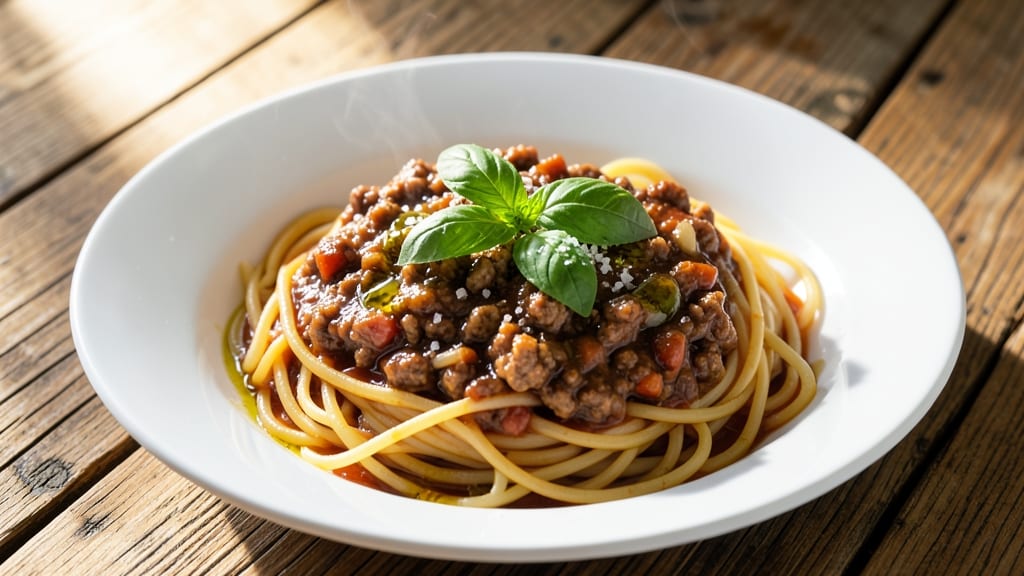
This authentic Italian spaghetti meat sauce recipe delivers the rich, slow-simmered flavors of Northern Italian tradition—where deep-red tomato meets perfectly browned meat and aromatic herbs. The secret lies in patience: browning the meat thoroughly, deglazing with wine, and letting the sauce develop over hours into a velvety, complex ragù. I've perfected this version after years of testing, ensuring every spoonful carries the depth of a Roman trattoria.
The foundation begins with ground beef and pork, cooked until deeply browned to build flavor, then deglazed with white wine to dissolve those precious browned bits.
Tomato paste and crushed San Marzano tomatoes create the sauce's signature deep-red hue and concentrated sweetness, while onions, carrots, and celery form the classic soffritto base. What sets this apart is the herb-infused olive oil finish—just before serving—that adds bright, fresh notes to balance the sauce's richness.
By the time your spaghetti is al dente, the sauce will have transformed into a luxurious, clinging ragù with tender meat and tender vegetables woven throughout. The aroma alone—warm spices, slow-cooked tomatoes, and herbs—will have everyone gathered at your table.
Serve with freshly grated Parmesan and a sprinkle of fresh basil for that final authentic touch.
This isn't just a sauce; it's a labor of love that transforms simple ingredients into something extraordinary. The slow simmering process develops flavors most shortcut recipes can't match, making it worth the time investment.
Whether you're feeding family or hosting dinner guests, this sauce will be the star of your meal.
Ingredients for authentic italian spaghetti meat sauce
Pantry staples plus a few specialty finds—this sauce delivers restaurant-quality depth with simple ingredients.
| Ingredient | Amount | Notes |
|---|---|---|
| Ground Beef (80/20) 🥩 | 1 lb | Coarse grind for texture |
| Ground Pork 🐷 | ½ lb | Lean or regular cut |
| Onion 🧅 | 1 whole | Yellow or red, diced |
| Carrots 🥕 | 2 medium | Peeled and finely chopped |
| Celery Stalks 🌿 | 2 whole | Trimmed and finely chopped |
| Tomato Paste 🍅 | ¼ cup | San Marzano preferred |
| Crushed San Marzano Tomatoes 🍅 | 2 cups | No salt added |
| Dry White Wine 🍷 | ½ cup | Bold variety like Pinot Grigio |
| Extra-Virgin Olive Oil 🫒 | ½ cup | For cooking and finishing |
| Fresh Basil Leaves 🌿 | ¼ cup | Torn for finishing |
| Fresh Parsley 🌿 | 0.1 cup | Chopped for finishing |
| Garlic Cloves 🧄 | 4 cloves | Minced for soffritto |
| Kosher Salt 🧂 | 1 ½ tsp | Diamond Crystal preferred |
| Freshly Ground Black Pepper 🌶️ | ½ tsp | For seasoning |
| Dried Oregano 🍃 | ½ tsp | Italian variety preferred |
The meat blend is non-negotiable—ground beef and pork give you that classic ragù texture. Trader Joe's has the best pre-mixed Italian sausage blend, but if you're using separate meats, ask the butcher for 80/20 grind—the fat renders for flavor. For the soffritto, finely chop the vegetables so they dissolve into the sauce rather than stay chunky. I always double-check my San Marzano tomatoes—the 28-ounce cans from Whole Foods are worth the splurge for that authentic sweetness. Fresh herbs? Farmers markets have the best basil, but even grocery store parsley works if it's bright green and crisp.
No white wine? Substitute with beef broth plus a splash of balsamic—it mimics the acidity. Short on pork? Add an extra 0.25 lb ground beef and adjust the wine to 0.375 cup. The tomato paste can be swapped for tomato sauce at double the amount, but you'll lose that concentrated sweetness. Dried oregano at half the amount works if you're out of fresh, though I prefer the earthy notes of the real thing. For the olive oil, any extra-virgin works, but avoid the cheap stuff—it'll taste like soap. The garlic? Toast the minced cloves in olive oil for 30 seconds before adding to the soffritto—this brings out their sweetness.
This sauce tastes even better the next day—plan ahead. Store in an airtight container in the fridge for up to 5 days or freeze for 3 months. I portion mine into glass jars so it's ready for quick weeknight dinners. For freezing, let it cool completely first to prevent ice crystals. Reheat gently on the stove, adding a splash of water or wine if it thickens too much. The herb-infused oil finish? Make it fresh before serving—it's what transforms this from good to extraordinary.
Why You'll Love This Recipe
- No-Sweat Prep: I swear by this method—just brown the beef and pork together, then toss in the onions, carrots, and celery (that’s your "soffritto," by the way) and let them melt down. Fifteen minutes later, you’ve got the base of something magical without chopping your fingers off.
- Rich, Deep Umami Bomb: The 80/20 beef and pork combo? That fat renders into pure flavor gold. Add a splash of red wine and let it simmer—what you’re left with is that classic Italian sugo depth, where every bite has a little meaty richness and a touch of caramelized sweetness from the veggies.
- Weeknight to Dinner Party: This sauce is my secret weapon for both lazy Tuesdays and impressing guests. Serve it over spaghetti for a quick family meal, or pile it onto crusty bread with a sprinkle of Parmesan for a no-fuss appetizer. Honestly, it’s the one recipe that never lets me down.
- Budget-Friendly Leftovers: A pound of beef and pork stretches for days—I’ve made this sauce feed my family for three meals without breaking the bank. Freeze half for when you’re too tired to cook, and reheat it with a splash of water to loosen it up. That’s real savings.
Step-by-step instructions for authentic Italian spaghetti meat sauce
Let's build this rich, layered meat sauce that captures the essence of Italian tradition.
Create the Soffritto Foundation
Heat 2 tablespoons of the extra-virgin olive oil in a large Dutch oven over medium heat. Add the diced onion, finely chopped carrots, and celery stalks, stirring occasionally for 8-10 minutes until the vegetables soften and release their natural sweetness. This aromatic vegetable base, called soffritto, forms the flavor backbone of the sauce.
Add the minced garlic cloves and cook for another 1 minute until fragrant—this is where the magic begins. The vegetables should be tender but not browned. Real talk: if you burn the garlic, you'll taste it in every bite, so keep a close eye on the pan. Here's the thing—this step develops the sauce's depth, so don't rush it.
Brown the Meat Mixture
Push the vegetable mixture to one side of the pot and add the remaining 3 tablespoons of extra-virgin olive oil. Increase heat to medium-high and add the ground beef and ground pork, breaking it up with a wooden spoon. Cook for 8-10 minutes until the meat loses its raw color and develops a deep brown crust.
This browning reaction creates the sauce's rich umami flavor. I press down gently on the meat mixture during the first minute—this prevents it from curling and ensures even contact with the pan. Once the meat is properly browned, stir it together with the softened vegetables, scraping up any browned bits from the bottom of the pot.
Build the Tomato Base
Reduce heat to medium-low and add the tomato paste, stirring constantly for 2 minutes until it darkens slightly and coats the meat. This step deepens the sauce's color and intensifies its flavor. Pour in the dry white wine and let it simmer for 3-4 minutes until mostly evaporated.
Add the crushed San Marzano tomatoes, season with the kosher salt, black pepper, and dried oregano, then bring to a gentle simmer. Here's where it gets fun—toss in the 0.25 cup of fresh basil leaves. The sauce should bubble gently but not vigorously. This is the moment that matters: let it cook uncovered for 45-50 minutes until thickened and reduced.
Finish with Herb-Infused Oil
After the sauce has thickened, remove it from heat and let it cool slightly. In a small saucepan, gently warm the remaining 2 tablespoons of extra-virgin olive oil over low heat. Add the chopped fresh parsley and cook for just 30 seconds—this infuses the oil with fresh herb flavor without cooking it.
Strain the herb-infused oil through a fine-mesh sieve into a small bowl, pressing gently on the parsley to extract all the flavor. Drizzle this fragrant oil into the finished meat sauce just before serving. This final step adds a bright, aromatic finish that elevates the dish from good to exceptional. Your sauce should be rich, velvety, and deeply flavorful with a perfect balance of acidity and sweetness.
Pro Tips For Making Authentic Italian Spaghetti Meat Sauce
- Brown the Meat Twice: Start with a screaming-hot pan—no need to oil it first, the fat will render out. Break the meat into chunks first, then let it sear in batches until deeply browned (not just pink). After the first batch, push it aside, add a splash of water, scrape up the browned bits, then repeat with fresh meat. That crusty fond is where all the flavor hides, and skipping it means a dull sauce.
- Chop the Veggies Small: Dice the onion, carrots, and celery into tiny pieces—think rice grain size, not salad chunks. The goal isn’t presentation; it’s surface area. Finely chopped veggies soften and sweeten faster, blending seamlessly into the sauce without leaving texture. I used to cut them roughly, and the sauce always tasted like you’d forgotten to cook them.
- Deglaze with Wine, Not Water: After browning the meat, pour in a full ½ cup of dry red wine (Chianti or Sangiovese if you’re feeling fancy). Let it bubble for 2-3 minutes until it’s nearly evaporated—this isn’t a quick splash-and-go move. The alcohol burns off, leaving behind deep, fruity notes that water can’t replicate. Yes, it’ll smell like a bar at first, but that’s the point.
- Simmer Covered, Then Uncovered: Once the wine reduces and you add tomatoes, bring the sauce to a boil, then immediately cover the pot and turn the heat to low. Let it cook covered for 20 minutes—this steams the meat gently and keeps it tender. After that, uncover and simmer uncovered for another 20-30 minutes. The uncovered finish lets excess moisture evaporate, concentrating the flavor without turning the sauce greasy. (Your future self will notice the difference.)
Wine and beer pairings for authentic italian spaghetti meat sauce
Classic Italian Wine
For this rich, meaty sauce, I always reach for a Chianti Classico or Sangiovese from Tuscany. The medium-bodied structure with its bright acidity and cherry notes cuts through the sauce's richness while complementing the tomato and herbs.
A bottle from Castello di Volpaia or Antinori brings that authentic Italian trattoria experience to your table. 🍷
Crisp White Options
If you prefer white wine, go for a Vermentino from Sardinia or a Pinot Grigio from Alto Adige. The crisp acidity and citrus undertones refresh your palate between bites of the hearty meat sauce.
I love Santa Maria alla Palma Vermentino—its mineral notes pair beautifully with the tomato's sweetness. Serve slightly chilled to enhance the contrast.
Beer Pairings
A Malty Italian Lager like Peroni or Moretti works surprisingly well with this dish. The subtle malt sweetness and light carbonation cleanse your palate between rich spoonfuls of sauce. For craft beer lovers, try a Belgian Dubbel—the caramel and spice notes create an interesting contrast with the tomato's acidity.
A New Belgium Fat Tire is my go-to when I want something approachable yet flavorful.
After-Dinner Digestivo
Finish your meal with a small glass of Limoncello or Amaretto to complement the sauce's herbal notes. The citrus in limoncello brightens your palate, while the almond sweetness of amaretto echoes the sauce's subtle nutty undertones.
I keep a bottle of Capo di Testa Limoncello in my freezer for just this occasion—it's the perfect way to end a meal centered around this rich, authentic Italian sauce.
Regional Italian Wines
For a true regional experience, try pairing with wines from the same areas where this sauce originated. A Barolo from Piedmont offers bold tannins that stand up to the meat, while a Lambrusco from Emilia-Romagna adds a delightful effervescence.
I've found that Gaja Barolo has just the right balance of power and finesse to match this sauce's depth. The slightly sparkling nature of Lambrusco also helps cut through the richness beautifully.
Nutrition facts
Frequently asked questions
Can I make this sauce in a slow cooker?
Brown the meat and vegetables first in a skillet, then transfer everything to your slow cooker. Cook on low for 6-7 hours or high for 3-4 hours until thick and flavorful. The slow cooker method is perfect for busy days—just add the wine and tomatoes at the beginning, then let it work its magic. Finish with the herb-infused oil right before serving.
What's the difference between this sauce and Bolognese?
This recipe captures Northern Italian ragù traditions but keeps it simpler than classic Bolognese. Bolognese typically uses ground beef and pork shoulder (not pork sausage), simmers for 3+ hours with milk or broth, and includes white wine and pancetta. This version focuses on quick weeknight preparation while maintaining authentic depth through proper browning and slow reduction.
How do I prevent the sauce from becoming too acidic?
Balance acidity by adding a pinch of sugar when combining tomatoes, or stir in 1 tablespoon tomato paste at the end. The wine's acidity should mellow during the 45-minute simmer-if it tastes sharp, reduce it uncovered for 10 extra minutes to evaporate excess liquid. Fresh basil and parsley at the end also brighten flavors without adding acid.
Can I use ground turkey instead of beef/pork?
Yes, but expect a lighter texture. Use 100% ground turkey (dark meat) and add 0.25 lb Italian sausage for richness. Brown the meat thoroughly and compensate by simmering 10 minutes longer to develop flavor. The sauce will be healthier but slightly less hearty—perfect for those watching their fat intake.
Why does my sauce look watery after cooking?
This usually happens from insufficient simmering time or too much liquid. Reduce the sauce uncovered for 15-20 minutes longer, stirring occasionally. If it's still thin, mix 1 tablespoon cornstarch with 2 tablespoons water, stir into the sauce, and simmer for 5 minutes until thickened. For prevention, use 1 cup crushed tomatoes instead of 2 next time.