
Sauces & Condiments
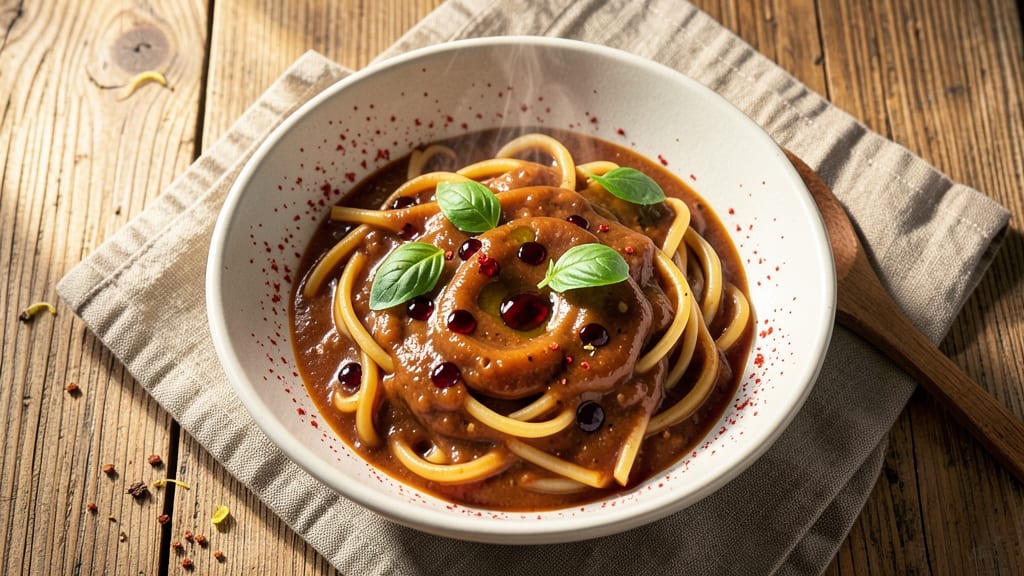
Transforming leftover spaghetti sauce into something even better is an art—and this freezer-friendly method makes it effortless. The secret lies in balancing texture and flavor: simmering with a splash of broth or wine, then thickening with a cornstarch slurry ensures a velvety consistency that works for lasagna, stuffed shells, or even a rich dip. I’ve perfected this over years of meal prep, and it never fails to elevate simple ingredients into something restaurant-worthy.
What makes this sauce so versatile is its ability to adapt to any dish while maintaining that deep, caramelized flavor. A pinch of red pepper flakes or fresh basil can transform it into a quick marinara, while adding cream cheese creates a creamy Alfredo twist.
The key is controlling the moisture—reduce it just enough to coat the back of a spoon, but not so much that it loses its luscious body. This method works whether you’re repurposing a small batch or a large freezer stash.
The result is a sauce that’s thick enough to cling to noodles or shells, yet still silky enough to drizzle over grilled meats. It freezes beautifully for up to three months, so you can always have a flavor booster on hand.
Whether you’re prepping for a busy week or saving leftovers from a Sunday dinner, this technique ensures nothing goes to waste—and every bite tastes like it was made fresh.
Use it as a lasagna filling, stuff it into shells, or serve it alongside roasted chicken for a hands-off weeknight meal. Here’s how to make the most of every jar of leftover sauce.
Ingredients for leftover spaghetti sauce
Eight simple ingredients transform basic leftover sauce into restaurant-quality flavor booster.
| Ingredient | Amount | Notes |
|---|---|---|
| Leftover Spaghetti Sauce 🍅 | 4 cups | Store-bought or homemade preferred |
| Vegetable Broth 💧 | ½ cup | Low-sodium preferred |
| Dry Cornstarch 🌾 | 1 tbsp | Plus 1 tbsp water for slurry |
| Red Wine 🍷 | ¼ cup | Bold dry variety preferred |
| Fresh Basil Leaves 🌿 | ¼ cup | Chopped, stems removed |
| Red Pepper Flakes 🌶️ | ½ tsp | Adjust for heat preference |
| Garlic Cloves 🧄 | 2 cloves | Minced for extra flavor |
| Olive Oil 🫒 | 1 tbsp | For finishing drizzle |
| Salt 🧂 | ½ tsp | Kosher or sea salt |
| Black Pepper 🌶️ | ¼ tsp | Freshly ground preferred |
The spaghetti sauce is the foundation—whether homemade or store-bought, look for one with visible chunks for texture. My go-to is Rao's or Bertolli when I'm in a pinch, but homemade always wins for depth. For the broth, low-sodium vegetable broth keeps the flavor balanced—no need to add extra salt. The cornstarch slurry is non-negotiable for that perfect velvety texture. I keep a small jar of cornstarch in my pantry specifically for thickening sauces. Red wine adds complexity, but dry white wine works in a pinch—just reduce the amount by half.
No red wine? Extra vegetable broth or a splash of balsamic vinegar works beautifully. Fresh basil is ideal, but dried basil at one-third the amount gets you close. For heat, crushed black peppercorns add a different dimension than flakes. The garlic can be pre-minced from a jar, but freshly minced makes a noticeable difference. If you're making this for a creamy sauce later, reduce the cornstarch slightly—you'll be adding dairy. The olive oil should be extra-virgin for that fruity finish, but regular olive oil works in a bind.
This sauce freezes like a dream—3 months minimum in airtight containers. I portion it into 1-cup servings for easy lasagna layers or stuffed shells. For best texture, thaw overnight in the fridge. If you're using it immediately, simmer just until heated through—no need to boil. The flavor actually improves after freezing, as the ingredients meld together. Keep a batch in your freezer for those nights when you need something quick but impressive.
Why You'll Love This Recipe
- I’ll be real: my picky-eating kids actually finish this. The basil makes it feel fancy, but the simple swap of cornstarch for cream keeps it familiar—plus, it reheats like a dream for lunches.
- No-Waste Magic: I swear by this trick—turning yesterday’s sauce into something even better. That splash of red wine brightens it up, while the cornstarch gives it that silky thickness without extra fuss.
- Weeknight Revival: Honestly, this is my go-to when I’ve got half a jar of sauce staring at me. A quick simmer with broth and basil turns it into a fresh-tasting dinner that feels intentional, not lazy.
- Budget Booster: Between us, this recipe stretches my grocery dollars so well. The wine adds depth without breaking the bank, and using leftovers means I’m not buying extra sauce for one meal.
Step-by-step instructions for transforming leftover spaghetti sauce
This method revives flat sauce into rich, velvety perfection—ideal for freezing or immediate use.
Create a Cornstarch Slurry for Thickening
In a small bowl, whisk together the 1 tablespoon dry cornstarch with 1 tablespoon water until completely dissolved. This creates a smooth slurry that will thicken the sauce without clumping. Set it aside—it's the secret to that restaurant-quality consistency.
Don't rush this step. A proper slurry ensures even thickening throughout the sauce. If you skip it, you'll end up with a watery mess or lumpy texture. The slurry should look like thin pancake batter—smooth and uniform.
Sauté Garlic and Build Flavor Foundation
Heat the 1 tablespoon olive oil in a large saucepan over medium heat. Add the 2 minced garlic cloves and sauté for 30 seconds until fragrant but not browned. This step unlocks the sauce's depth—garlic should smell pungent but not burnt.
Watch the pan closely. Garlic burns quickly, turning bitter. If it starts to darken, remove the pan from heat for 10 seconds to cool slightly. The goal is aromatic, not charred. After the garlic, stir in the 0.5 teaspoon red pepper flakes and cook for another 10 seconds to toast them lightly.
Combine Sauce and Broth for Depth
Pour in the 4 cups leftover spaghetti sauce and 0.5 cup vegetable broth. Stir well to combine, then bring the mixture to a gentle simmer over medium heat. Let it cook uncovered for 5 minutes, stirring occasionally, until the flavors meld.
This simmering step is crucial. It allows the broth to infuse the sauce with moisture and depth. You'll notice the sauce starts to bubble softly—this indicates it's heating through. If it reduces too quickly, lower the heat slightly to maintain a gentle simmer.
Thicken and Finish with Wine and Herbs
Gradually pour in the cornstarch slurry while stirring constantly. The sauce will begin to thicken immediately. After 1 minute, add the 0.25 cup red wine and let it simmer for 3 minutes to cook off the alcohol and deepen the flavor.
Next, stir in the 0.25 cup chopped fresh basil leaves, 0.5 teaspoon salt, and 0.25 teaspoon black pepper. Taste and adjust seasoning—you may need a pinch more salt since we're using low-sodium broth. The sauce should coat the back of a spoon with a velvety texture.
Cool and Store for Maximum Freshness
Remove the pan from heat and let the sauce cool to room temperature. For best results, transfer it to airtight containers, leaving ½-inch headspace at the top. Seal tightly and refrigerate for up to 5 days or freeze for 3 months.
When reheating, warm over low heat on the stovetop or microwave until steaming hot. The sauce will thicken slightly more as it cools, so don't over-thicken it now. This method ensures your revived sauce maintains its rich, layered flavors every time.
Pro Tips For Making Leftover Spaghetti Sauce
- STIR CONSTANTLY WHEN THICKENING: I learned this the hard way—when you mix cornstarch with cold broth, lumps form faster than you can say "sauce disaster." Whisk it vigorously in a separate bowl first, then drizzle into the simmering sauce while stirring like your life depends on it. The sauce should thicken in 3-4 minutes, not 10.
- USE STALE BASIL: Fresh basil wilts and turns bitter when cooked directly. Tear the leaves (not chop—big pieces hold up better) and add them after the sauce comes off the heat. If you’re really short on time, use 1/4 cup dried basil instead, but reduce it by half—it’s way more potent.
- SIMMER NOT BOIL: Leftover sauce is already rich; boiling it will break down flavors and make it taste thin. Keep the heat at a gentle simmer (small bubbles, occasional swirls) while reducing. If it’s too thick too fast, just add a splash of broth and let it mellow out—no need to rush.
- DEGLAZE FIRST: That red wine isn’t just for flavor—it’s your secret weapon against stuck-on bits. Pour it into the pot before adding broth, let it bubble for 30 seconds to lift flavors, then add the broth. Skipping this step means you’ll be scrubbing a pot later, and nobody has time for that.
Essential equipment for this recipe
Saucepan Essentials
Start with a 3-quart heavy-bottomed saucepan—I swear by All-Clad or Calphalon for even heat distribution. A wide base prevents hot spots that can burn your sauce. If you're working with larger batches, a 5-quart Dutch oven handles the volume better while maintaining thickness.
Avoid thin, lightweight pans—they heat unevenly and make controlling the simmer difficult. 🔥
Slurry Tools
For your cornstarch slurry, grab a small mixing bowl and a whisk (or fork in a pinch). I keep a dedicated small bowl in my pantry just for this purpose—it saves cleanup time.
A measuring spoon ensures you get the exact 1 tablespoon cornstarch without guesswork. Pro tip: Use a fine-mesh strainer if your sauce has chunks you want to remove before thickening.
Heat Control Gear
A kitchen thermometer (like the Thermoworks Thermapen) helps you monitor the sauce's temperature—ideal range is 180-190°F for gentle simmering. For stirring, a long-handled silicone spatula prevents burns and reaches every corner.
If you're adding wine, a small ladle makes precise pouring easier. I also keep tongs handy for removing any garlic cloves that might burn.
Storage Containers
For freezing, glass mason jars (like Ball or Kerr) are my go-to—they stack neatly and resist freezer burn. For refrigeration, airtight plastic containers with snap-on lids (like Rubbermaid) work perfectly.
Label each container with the date—masking tape and a Sharpie do the trick. For portion control, 1-cup silicone ice cube trays freeze individual servings perfectly for lasagna or stuffed shells.
Optional Upgrades
If you're serious about sauce-making, a immersion blender (like Ninja) lets you blend in herbs or adjust texture without transferring pots. For extra flavor, a garlic press ensures even mincing every time.
A fine-mesh sieve helps strain out any unwanted bits before freezing. And if you're adding cream cheese later, a small whisk attachment for your stand mixer makes blending smooth.
Nutrition facts
Frequently asked questions about reviving leftover spaghetti sauce
Can I use this method with store-bought spaghetti sauce?
This technique works perfectly with store-bought sauce—just check the ingredients for added salt or preservatives. Brands like Rao's or Bertolli respond especially well because they contain visible chunks that add texture. For extra flavor, add a pinch of oregano or a splash of balsamic vinegar during the simmering step.
How do I make this sauce creamier for baked dishes?
Stir in ¼ cup cream cheese or ½ cup heavy cream during the final 3 minutes of simmering. For a lighter option, blend in 2 tablespoons ricotta cheese after removing from heat. The sauce will thicken further as it cools, so start with slightly less cream than you think you'll need.
What if my leftover sauce is too watery?
Simmer uncovered for 10-15 extra minutes to reduce moisture, stirring occasionally. For immediate thickening, mix 1 tablespoon cornstarch with 1 tablespoon cold water and whisk into the hot sauce. Let it bubble for 2 minutes—don't overcook or it'll turn gluey. A splash of red wine also helps balance wateriness while adding depth.
Can I add meat to this revitalized sauce?
Yes! Brown ½ pound ground beef or Italian sausage in the same pan before adding the sauce and broth. For pre-cooked meats like chicken, shred and stir in during the final 5 minutes of simmering. If using dried beans, soak them overnight first and add them with the broth to prevent splitting.
How do I prevent the sauce from separating when freezing?
Cool the sauce completely before freezing and leave ½-inch headspace in containers. For extra insurance, stir in 1 teaspoon xanthan gum (or 1 tablespoon tomato paste) before freezing. Thaw overnight in the fridge—never at room temperature. The sauce may thicken slightly after thawing, so you can add a splash of water or broth if needed.