
Sauces & Condiments
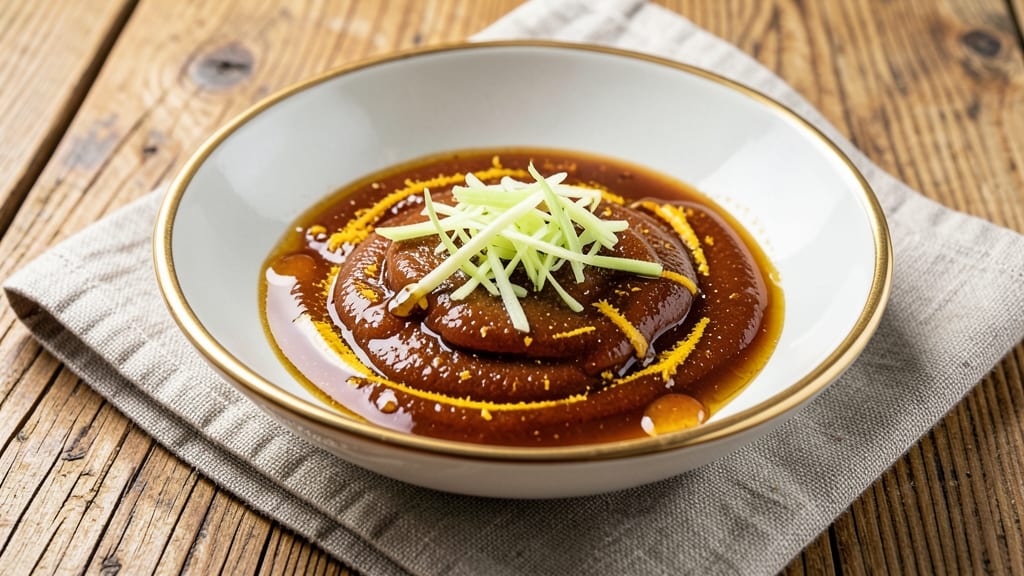
This anti-inflammatory teriyaki sauce recipe transforms traditional teriyaki into a potent health elixir packed with ginger, turmeric, and garlic—all while keeping that signature sweet-savory balance. The secret lies in swapping refined sugar for honey and pineapple juice, creating a sauce that's rich in antioxidants and gut-friendly enzymes.
I developed this version after realizing how much better my meal prep tasted (and felt) when I incorporated these anti-inflammatory powerhouses.
The sauce doubles as a marinade for chicken or tofu, a glaze for roasted vegetables, or a dipping sauce for stir-fries—all while supporting joint health and reducing inflammation.
Turmeric provides that signature golden hue while delivering curcumin, ginger adds a zesty kick with potent anti-inflammatory properties, and garlic contributes its immune-boosting sulfur compounds. The result?
A sauce that's as nourishing as it is delicious, with a shelf life of up to 3 weeks in the fridge or 3 months in the freezer.
What makes this recipe truly special is how versatile it is while maintaining its health benefits. The natural sweetness from pineapple and honey creates caramelization when used as a glaze, while the umami from coconut aminos keeps it savory.
Each ingredient plays a role—garlic for depth, apple cider vinegar for tang, and a touch of chili for warmth—creating a sauce that's complex enough for restaurant-quality dishes but simple enough for weeknight meals.
Whether you're drizzling it over sushi bowls, basting grilled salmon, or using it as a marinade for overnight meal prep, this teriyaki sauce delivers both flavor and functional benefits.
The best part? It comes together in just 15 minutes with minimal effort, making it the perfect addition to any healthy kitchen arsenal.
Ingredients for anti inflammatory teriyaki sauce
Ten ingredients packed with anti-inflammatory power for a teriyaki sauce that heals as it flavors.
| Ingredient | Amount | Notes |
|---|---|---|
| Fresh Ginger Root 🧅 | 2 tbsp | Finely grated, organic preferred |
| Turmeric Powder 🌿 | 1 tbsp | High-curcumin content for potency |
| Raw Honey 🍯 | ½ cup | Unfiltered for maximum enzymes |
| Pineapple Juice 🍍 | ½ cup | Fresh or bottled, no additives |
| Coconut Aminos 🥫 | ⅓ cup | Gluten-free soy sauce alternative |
| Apple Cider Vinegar 🍶 | 2 tbsp | Raw, unfiltered for tang |
| Garlic Cloves 🧄 | 4 cloves | Fresh, minced for depth |
| Red Chili Flakes 🌶️ | ½ tsp | Adjust for heat preference |
| Extra-Virgin Olive Oil 🫒 | 1 tbsp | For richness and balance |
| Fresh Lemon Juice 🍋 | 1 tbsp | Brightens the sauce |
The ginger and turmeric are non-negotiable here—organic ginger root from Whole Foods or your local farmers market delivers the most punch, while high-curcumin turmeric (like Frontier Co-op brand) ensures maximum anti-inflammatory benefits. Pineapple juice should be fresh or high-quality bottled—Dole or Del Monte work in a pinch, but nothing beats homemade. Coconut aminos is the secret to umami without the gluten or processed additives; Coconut Secret or Annie Chun's are my go-tos. Fresh garlic and ginger should be vibrant and firm—no wilted or discolored roots.
No fresh ginger? Powdered ginger at half the amount works, but you'll lose some of that zesty kick. Subbing honey for maple syrup keeps it vegan (though the recipe isn't), but the texture becomes slightly thinner. For extra heat, add gochugaru or cayenne instead of chili flakes. The olive oil can be swapped for avocado oil if you're avoiding olive's earthy notes, and lemon juice can be replaced with lime juice for a citrusy twist. Apple cider vinegar is essential for that tangy depth—Bragg or White House brands are my favorites, but any raw vinegar will do.
This sauce keeps beautifully—3 weeks in the fridge sealed in a glass jar, or 3 months in the freezer in ice cube trays for single-serving portions. The flavors actually deepen over time, so make extra. I like to store it in amber glass bottles to protect from light, which helps preserve the turmeric's potency. For meal prep, freeze in 1/4 cup portions—perfect for drizzling over bowls or basting proteins.
Why You'll Love This Recipe
- Pantry Magic: I swear by this sauce because it uses what I already have—no fancy shopping trips. That jar of coconut aminos? The ginger root I forgot about? The turmeric sitting in my spice drawer? Boom—anti-inflammatory teriyaki in one bowl.
- Golden Glow Goodness: The honey and pineapple juice give it this perfect balance—sweet but bright, with a warm kick from the ginger. Honestly, it’s the kind of flavor that makes you pour it on everything without overthinking it.
- Gluten-Free Crowd-Pleaser: Between us, this sauce is my go-to for meal prep because it works on anything—grilled chicken, stir-fries, even roasted veggies. And since it’s coconut aminos-based, it’s safe for gluten-sensitive friends (or lazy nights when I skip the label-checking).
- Make-Ahead Secret Weapon: I double the batch every time because it keeps for weeks in the fridge. The turmeric actually gets deeper in flavor the longer it sits—no waste, no stress, and zero takeout nights. (Yes, even on a Tuesday night.)
Step-by-step instructions for anti-inflammatory teriyaki sauce
Here's how to craft this vibrant, gut-friendly sauce that packs a flavor punch while soothing inflammation.
Bloom the Spices in Olive Oil
Heat the 1 tablespoon extra-virgin olive oil in a medium saucepan over medium-low heat. Add the 2 tablespoons finely grated fresh ginger root and 4 minced garlic cloves, stirring constantly for 2-3 minutes until the ginger becomes fragrant and the garlic turns golden. This step unlocks their full anti-inflammatory potential through gentle toasting.
Watch closely—ginger burns quickly. Once you see the edges of the ginger begin to soften slightly and the garlic releases its pungent aroma, it's time to move forward. The oil should coat the spices evenly without browning them.
Add Turmeric and Chili for Depth
Reduce heat to low and whisk in the 1 tablespoon turmeric powder and 0.5 teaspoon red chili flakes. Stir continuously for 1 minute until the turmeric dissolves completely and the mixture becomes a vibrant golden-orange color. This is where the sauce gets its signature anti-inflammatory glow.
I like to press the turmeric through a fine-mesh sieve to eliminate any lumps before adding it. The chili flakes will infuse subtle heat—adjust to taste if you prefer milder or spicier results. Let the mixture simmer gently for 30 seconds to meld these spices with the aromatic oils.
Build the Sauce Base
Pour in the 0.5 cup pineapple juice and 0.33 cup coconut aminos, scraping up any browned bits from the bottom of the pan. Increase heat to medium and bring to a gentle simmer. Let it reduce for 5-7 minutes until the liquid decreases by about half and begins to thicken slightly.
This reduction concentrates the flavors while preserving the natural enzymes from the pineapple. Stir occasionally to prevent sticking—if it starts to darken too much, reduce heat slightly. You're aiming for a syrupy consistency that still coats the back of a spoon.
Sweeten and Balance
Add the 0.5 cup raw honey and 2 tablespoons apple cider vinegar, stirring constantly. The vinegar will make the sauce bubble slightly—this is normal. Simmer for 3-4 minutes until the sauce reaches your desired thickness, which should be somewhere between a glaze and a pourable consistency.
For a perfect balance, taste and adjust: add 1 tablespoon fresh lemon juice if it needs brightness, or a touch more honey if it's too tangy. The honey helps balance the acidity while adding natural sweetness that complements the umami from the coconut aminos.
Finish and Store
Remove from heat and let the sauce cool slightly. Stir in the remaining 1 tablespoon fresh lemon juice and taste again. The sauce should be complex—gingery, slightly sweet, with a touch of heat and bright acidity. Let it cool completely before transferring to an airtight container.
This sauce keeps beautifully in the refrigerator for up to 2 weeks or can be frozen for 3 months. It's perfect for glazing salmon, tofu, or chicken, or as a marinade for vegetables. The anti-inflammatory benefits come from the turmeric, ginger, and garlic working together in this balanced sauce.
Pro Tips For Making Anti Inflammatory Teriyaki Sauce
- Peel Ginger Like a Pro: Use a spoon to scoop off the skin in one piece—no peeling required. I learned this the hard way after wasting ginger on stubborn peeling, and now I just slice off the ends, score the skin, and press it under cold water to loosen before grating. Works every time for this sauce.
- Simmer Low and Slow: Reduce the heat to a bare simmer after the first 5 minutes—boiling turns pineapple juice cloudy and burns the honey. I used to rush it, and the sauce always ended up bitter. Trust the process; let it cook for 15-20 minutes until it thickens naturally.
- Skip the Pre-Made Juice: Fresh pineapple juice makes a real difference—store-bought versions often have added sugar or preservatives that throw off the balance. If you’re short on time, blend frozen pineapple chunks with a splash of water instead; it’s still better than bottled.
- Balance the Honey Early: Add half the honey at the start, then taste before adding the rest. Raw honey thickens as it cooks, and you’ll regret overdoing it later. If it’s too sweet, a splash of coconut aminos fixes it—just don’t skip the mid-cook check.
Common mistakes when making great anti inflammatory teriyaki sauce
Overcooking the Ginger
Ginger burns faster than you think, and once it turns dark brown, it loses its bright, zesty flavor and becomes bitter. I’ve ruined batches by walking away for just a few minutes while blooming the spices in olive oil. To prevent this, keep the heat at medium-low and stir constantly.
If you notice the ginger starting to darken, immediately reduce the heat to low or remove the pan from the heat entirely. The goal is to release its aromatic oils without burning—this is where most of the anti-inflammatory compounds live. 💫
Skipping the Reduction
Rushing through the reduction step is a common mistake that results in a thin, watery sauce. The 5-7 minute reduction of pineapple juice and coconut aminos is crucial for developing depth and thickness. If you skip this step, your sauce will lack the syrupy consistency needed for glazing or marinating.
Keep an eye on it—if it starts to darken too much, reduce the heat slightly. The sauce should coat the back of a spoon but still be pourable.
Ignoring the Turmeric
Turmeric is the star of this anti-inflammatory sauce, but many people either underuse it or don’t dissolve it properly. If you don’t whisk it thoroughly, you’ll end up with clumps that make the sauce look (and taste) uneven.
I like to sift the turmeric powder through a fine-mesh sieve to eliminate any lumps before adding it to the pan. Also, don’t skip the 1-minute low-heat simmer—this ensures the turmeric fully dissolves and infuses the sauce with its golden hue and potent curcumin. 🌿
Using Low-Quality Ingredients
The quality of your ingredients directly impacts the flavor and health benefits of the sauce. For example, using powdered ginger instead of fresh or a low-curcumin turmeric brand will dilute the anti-inflammatory properties. I always opt for organic ginger root and high-curcumin turmeric (like Frontier Co-op) to maximize benefits.
Similarly, using bottled pineapple juice with added sugars or preservatives will alter the sauce’s natural sweetness and enzyme content. When possible, fresh or high-quality brands like Dole or Del Monte (for pineapple) and Bragg or White House (for apple cider vinegar) make a noticeable difference.
Not Balancing Flavors
Tasting and adjusting the sauce as you go is critical, but many people skip this step, leading to an unbalanced sauce that’s either too sweet, too tangy, or too spicy.
After adding the honey and apple cider vinegar, taste the sauce and adjust: add 1 tablespoon fresh lemon juice if it needs brightness, or a touch more honey if it’s too tangy. The sauce should have a harmonious blend of sweet, savory, spicy, and tangy notes.
Don’t be afraid to tweak it—this is where the magic happens! 🔥
Storing Improperly
Improper storage can ruin the sauce’s texture and flavor. Always let the sauce cool completely before transferring it to an airtight container—I use amber glass jars to protect the turmeric from light, which helps preserve its potency.
In the fridge, this sauce lasts up to 2 weeks, but if you’re not using it within that time, freeze it in 1/4-cup portions for easy single-serving use. Thaw in the fridge overnight for the best texture.
Never store it in the freezer for more than 3 months, as the turmeric and ginger can degrade over time, losing their vibrant color and anti-inflammatory properties.
Nutrition facts
Frequently asked questions
Can I make this teriyaki sauce without honey?
Yes! For a vegan version, replace the honey with ½ cup maple syrup or agave nectar. The sauce will have a slightly thinner consistency, but you can reduce it an extra 2-3 minutes to thicken. Maple syrup adds a subtle earthy note that pairs beautifully with the ginger and turmeric.
How does this sauce compare to traditional teriyaki?
This version keeps the classic sweet-savory balance but swaps refined sugar for honey and pineapple, which adds natural enzymes and antioxidants. The ginger and turmeric provide a warm, spicy depth that traditional teriyaki lacks, while coconut aminos replace soy sauce for a gluten-free option. The result is a sauce that's both flavorful and packed with anti-inflammatory benefits.
Is this sauce safe for people with arthritis?
The combination of turmeric (curcumin), ginger, and garlic are all known to help reduce joint inflammation. For maximum benefits, use this sauce as a marinade for proteins like salmon or tofu, which are also rich in omega-3s. The pineapple juice adds bromelain, an enzyme that may further support joint health. Always consult your healthcare provider for personalized advice.
Can I use this sauce as a marinade?
Yes, it makes an excellent marinade! The acidity from the apple cider vinegar and lemon juice helps tenderize proteins like chicken, tofu, or fish. For best results, marinate for 30 minutes to 2 hours in the fridge. For tougher cuts like pork shoulder, you can extend the marinating time to 4-6 hours for deeper flavor penetration.
What's the best way to reheat this sauce?
Gently reheat in a saucepan over low heat until warmed through—about 2-3 minutes. Avoid high heat to prevent the turmeric from losing its vibrant color and potency. For microwave reheating, use 20-second intervals on low power, stirring between each interval. Never boil the sauce, as this can make it too thin and compromise its texture.