
Sauces & Condiments
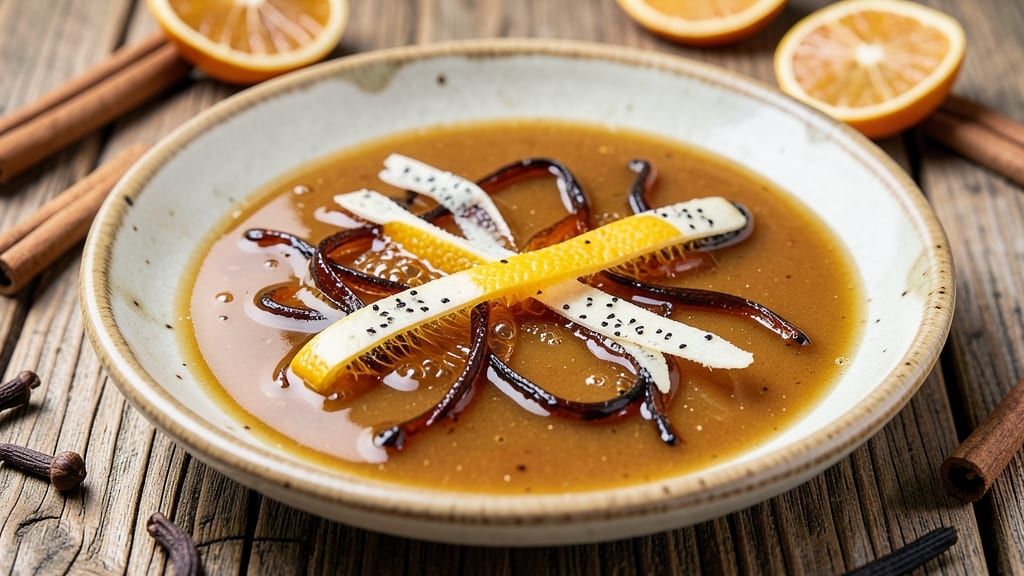
This bigarade sauce recipe transforms humble citrus into a versatile, aromatic condiment that bridges traditional and modern cuisine with effortless elegance.
The secret lies in bitter orange peel—simmered with spices, vinegar, and sugar—to create a sauce that's both tangy and subtly sweet, with a depth that elevates everything from roasted meats to delicate desserts.
I developed this version after years of experimenting with classic French techniques, ensuring the balance of acidity and sweetness remains perfect every time.
The process is straightforward but requires patience: slow simmering to extract maximum flavor from the orange peel, careful straining to achieve a silky texture, and proper storage to preserve its vibrant aroma.
What sets this sauce apart is its dual nature—it works as a bold glaze for game birds or a sophisticated drizzle over crème brûlée, proving that simple ingredients can deliver restaurant-quality results at home. The spices—cinnamon, cloves, and sometimes a touch of vanilla—add warmth that lingers on the palate.
What you’ll end up with is a versatile sauce that’s rich enough to stand alone yet delicate enough to complement without overpowering. The bitter orange’s unique citrus notes create a profile unlike any other, making this an essential addition to your pantry for both everyday meals and special occasions.
Whether you’re drizzling it over seared scallops or folding it into a marinade, the possibilities are endless—and the flavor is undeniably memorable.
Once mastered, this sauce keeps beautifully in the refrigerator for up to two weeks, allowing you to build a stash for spontaneous culinary adventures. The key to success lies in the technique: simmering just until the flavors meld, straining thoroughly, and adjusting the sugar-to-vinegar ratio to taste.
Let’s get started on creating a sauce that will become your new go-to for adding depth and complexity to any dish.
Ingredients for bigarade sauce
Eight ingredients, one transformative sauce—where citrus meets sophistication on your palate.
| Ingredient | Amount | Notes |
|---|---|---|
| Bitter Orange Peel 🍊 | 1 cup | Freshly grated, organic preferred |
| White Wine Vinegar 🍷 | 1 cup | High-quality, dry variety |
| Granulated Sugar 🍚 | 1 cup | Light brown preferred for depth |
| Ground Cinnamon 🌿 | 1 tsp | Ceylon preferred for delicate flavor |
| Whole Cloves 🌶️ | 4 whole | Lightly crushed for aroma |
| Pure Vanilla Extract 🍯 | 1 tsp | Bourbon-based for complexity |
| Fresh Orange Juice 🍊 | ½ cup | Navel or Valencia preferred |
| Extra-Virgin Olive Oil 🫒 | ¼ cup | For silky texture |
The bitter orange peel is non-negotiable—specialty grocers or Latin markets carry it fresh, but if you can't find it, substitute with a mix of grapefruit and orange peel (though the flavor won't be identical). Look for vibrant, unblemished peels—organic is ideal to avoid wax coatings that dull flavor. The white wine vinegar should be dry and aged at least 1 year—Bartles & Jaymes or Williams Sonoma brands deliver consistent quality. For the sugar, light brown adds subtle caramel notes that elevate the sauce's complexity, though white works in a pinch.
No bitter orange? Double the grapefruit peel and reduce sugar by 1 tbsp to balance the tartness. Swap Ceylon cinnamon for regular if unavailable—just use half the amount since it's stronger. The vanilla extract can be imitation, but Madagascar bourbon vanilla from Goya or McCormick makes a noticeable difference. For a deeper color, add a pinch of turmeric (it won't affect flavor). If you're short on time, pre-made orange juice works, but freshly squeezed delivers that bright, vibrant acidity the sauce craves.
This sauce develops better with time—let it sit overnight before using for maximum flavor infusion. Store in a glass jar with a tight seal in the fridge for up to 2 weeks, or freeze portions for 3 months. The olive oil layer that forms on top? Stir it back in before using—it's pure citrus gold. For gifting, package in small amber glass bottles (light protects the color). The sauce thickens as it cools, so thin with a splash of water or vinegar if needed.
Why You'll Love This Recipe
- Pantry-Friendly Magic: Between us, this sauce comes together with stuff you’re already buying—no special trips to the market. Simmer the bitter orange peel and cloves in vinegar, add sugar and cinnamon, and boom—flavor so bright it’ll make your whole kitchen smell like a Moroccan spice shop.
- Citrus-Spice Bomb: That first bite? Tangy, warm, and just a hint of clove bite—like a cross between marmalade and mulled wine. Honestly, I’ve drizzled it over roasted chicken, stirred it into yogurt, and even used it to glaze carrots. It’s the kind of sauce that makes you pause mid-bite and go, “Wait, why don’t I do this more often?”
- Weeknight to Fancy: Make a double batch on Sunday—it keeps for weeks in the fridge—and suddenly you’ve got a secret weapon for everything. Dull roasted veggies? Done. Bland grilled fish? Fixed. Even a simple cheese board gets a glam upgrade. (Yes, even on a Tuesday night.)
- No-Waste Luxury: The peel infuses the vinegar so deeply that you’ll use it all—no scraps left behind. And since it’s mostly sugar, spices, and vinegar, it’s cheaper than takeout but way more impressive. My wallet and my dinner guests thank me every time.
Step-by-step instructions for bigarade sauce
Here's how to craft this vibrant, aromatic sauce that transforms simple dishes into something extraordinary.
Combine Vinegar, Sugar, and Spices
In a medium saucepan, combine the 1 cup white wine vinegar, 1 cup granulated sugar, 1 tsp ground cinnamon, and 4 whole cloves. Stir gently to dissolve the sugar completely over medium-low heat. You'll notice the mixture starts to simmer almost immediately, releasing a fragrant citrus aroma that fills your kitchen.
Let this mixture cook for 5-7 minutes until it reaches a gentle boil. Watch closely as the sugar dissolves and the spices infuse the liquid. The color will deepen to a rich amber hue, signaling the sugar has fully incorporated. This step is crucial for building the sauce's foundational flavor—don't rush it, as proper dissolution ensures a smooth, balanced finish.
Add Bitter Orange Peel and Simmer
Once the mixture boils, reduce the heat to low and carefully add the 1 cup freshly grated bitter orange peel. Stir gently to distribute the peel evenly throughout the liquid. The bitter orange peel will sink to the bottom, but that's perfectly fine—its oils will infuse into the sauce as it simmers.
Continue simmering for 15-20 minutes, stirring occasionally. You'll notice the liquid gradually reduces and intensifies in flavor. The bitter orange peel will release its signature citrusy bitterness, which balances beautifully with the sweetness of the sugar. If you notice the mixture is reducing too quickly, you can cover the pan loosely with a lid to slow the process slightly.
Incorporate Orange Juice and Vanilla
After the bitter orange peel has infused, remove the pan from heat and let it cool for 5 minutes. This cooling period allows the flavors to meld without overcooking the citrus. Once cooled, stir in the 0.5 cup fresh orange juice and 1 tsp pure vanilla extract. The orange juice adds a bright, fresh contrast to the deep, spiced base, while the vanilla extract rounds out the flavors with its warm, complex notes.
Strain the mixture through a fine-mesh sieve into a clean bowl or jar, pressing gently on the solids to extract every last drop of flavor. Discard the solids—they've done their job. The resulting liquid should be a beautiful amber color with a rich, citrus-forward aroma. If the sauce is too thick, you can thin it slightly with a splash of water or additional orange juice to reach your desired consistency.
Finish with Olive Oil for Silky Texture
Once the strained sauce has cooled to room temperature, stir in the 0.25 cup extra-virgin olive oil slowly. The olive oil not only adds a luxurious silkiness to the sauce but also helps balance the acidity of the vinegar. Stir gently to emulsify the oil into the sauce—you'll notice it transform into a glossy, velvety texture that coats the back of a spoon.
Taste the sauce and adjust the balance of sweetness, acidity, or spice as needed. For a sweeter profile, add a touch more sugar; for more acidity, a splash of vinegar. Once perfected, transfer the sauce to an airtight jar and let it rest at room temperature for at least 24 hours before using. This resting period allows the flavors to fully develop and harmonize, resulting in a sauce that's even more complex and delicious.
Use and Store Properly
The bigarade sauce is incredibly versatile—use it to glaze roasted meats, drizzle over seafood, or incorporate into salad dressings. For best results, store the sauce in the refrigerator for up to 3 months. Before each use, give it a gentle stir to re-emulsify the olive oil and revive its vibrant texture. The sauce will keep its rich flavor and aromatic qualities, making it a pantry staple for elevating any dish.
This sauce is a labor of love, but the results are worth every minute. The balance of bitter, sweet, spicy, and tangy flavors creates a profile that's both sophisticated and approachable. Whether you're a seasoned chef or a home cook, this bigarade sauce will become a go-to for adding depth and complexity to your favorite recipes.
Pro Tips For Making Bigarade Sauce
- SIMMER LOW AND SLOW: I learned this the hard way—rushing the simmer turns your sauce bitter. Keep it at a gentle bubble, not a rolling boil, and let it cook for at least 20 minutes. The peel needs time to soften and release its essence without turning the vinegar harsh.
- TOAST THE SPICES FIRST: Skip this, and your cloves and cinnamon will just sit there like shy guests. Dry-toast the whole cloves in a small pan for 30 seconds until fragrant—it deepens their flavor way more than just dumping them raw. (Yes, even if you’re impatient like me.)
- PEEL THIN, PEEL EVEN: Thick strips of bitter orange peel won’t infuse properly and can make the sauce look messy. Use a vegetable peeler to slice the peel into paper-thin ribbons—about 1/16-inch wide. More surface area means better flavor, and it blends into the sauce smoothly.
- BALANCE SWEET AND SOUR: Taste as you go, but don’t just add sugar blindly. The ratio should feel like a handshake—equal parts sweet and tart. If it’s too sharp, add sugar; if it’s cloying, splash in a little more vinegar. (Your future self will thank you for not guessing.)
Storing and reheating this bigarade sauce
Refrigerator Storage
Store your freshly made bigarade sauce in a glass jar with an airtight lid—I love using Le Parfait 16oz jars for their tight seals. Keep it refrigerated at 40°F or below for up to 2 weeks.
The sauce will thicken slightly as it cools, so give it a quick stir before using. The amber glass helps preserve the vibrant color and prevents light degradation of the citrus oils. 💛
Freezer Preservation
For longer storage, portion the sauce into silicone molds or ice cube trays before freezing. Once solid, transfer to freezer-safe bags with all air removed. This method keeps it fresh for 3 months without texture loss.
When ready to use, thaw overnight in the fridge—never microwave directly as it can break the emulsion. The sauce may separate slightly after freezing, so stir vigorously to re-emulsify before using. ❄️
Reheating Techniques
For best results, reheat refrigerated sauce gently on the stovetop over low heat for 3-5 minutes, stirring constantly. Avoid high heat as it can make the sauce overly acidic. If using from the freezer, thaw completely first, then reheat.
For a quick fix, microwave for 15-20 seconds on 50% power, but expect slightly less silky texture. Always taste and adjust sweetness or acidity after reheating. 🔥
Texture Recovery Tips
If your refrigerated sauce separates (common with the olive oil), simply whisk vigorously or use an immersion blender for 10-15 seconds to restore its velvety consistency. For extra shine, add 1 tsp extra-virgin olive oil before serving.
The sauce should coat the back of a spoon smoothly—if it's too thick, thin with 1 tsp water or orange juice. Proper straining during initial preparation minimizes this issue, but it's easily fixed. ✨
Flavor Development
The sauce tastes even better after 24-48 hours of resting, as flavors meld completely. If storing longer than a week, check for mold or off smells—discard if present.
The vinegar acts as a natural preservative, but citrus-based sauces can still spoil. For maximum freshness, use within 10 days of making. The first batch always disappears fastest! 💫
Portioning for Gifting
Package sauce in small amber glass bottles (like Weck jars) for elegant gifts. Label with the date and storage instructions. The dark glass protects the color and flavor during shipping.
For travel, use leak-proof glass jars with rubber seals. Remember that homemade sauces don't travel well—always gift freshly made or recently refrigerated batches within 5 days. 🎁
Nutrition facts
Frequently asked questions
What's the best substitute if I can't find bitter orange peel?
Use a mix of grapefruit peel and orange peel (1:1 ratio) for a similar citrus profile, though it won't be identical. Reduce sugar by 1 tablespoon since grapefruit is more tart. For a deeper flavor, add ½ teaspoon turmeric to mimic the bitter orange's unique hue.
Can I make this sauce without vinegar?
Vinegar is essential for balancing sweetness and preserving the sauce. If you must omit it, replace with lemon juice (same amount) but reduce sugar by 2 tablespoons. The sauce will be less stable and keep for only 5-7 days in the fridge. For a non-acidic version, try a honey-based reduction instead.
How do I use bigarade sauce in desserts?
Drizzle over crème brûlée, panna cotta, or vanilla ice cream for a sophisticated citrus twist. Fold into whipped cream for a tangy topping, or reduce it with butter to make a glaze for poached pears. The spiced notes pair beautifully with chocolate desserts too!
Why did my sauce turn cloudy after refrigerating?
Cloudiness often means the sauce separated due to temperature changes. Stir in 1 teaspoon olive oil and whisk vigorously for 30 seconds to restore clarity. If the issue persists, strain through a fine-mesh sieve again. Always store in amber glass to prevent light exposure, which can cause oxidation.
What's the ideal ratio of sauce to meat for glazing?
Use 2-3 tablespoons of sauce per pound of meat (chicken, duck, or pork). Brush on during the last 5-7 minutes of roasting or grilling for a glossy finish. For extra shine, reduce the sauce by half first to concentrate the flavors.