
Sauces & Condiments
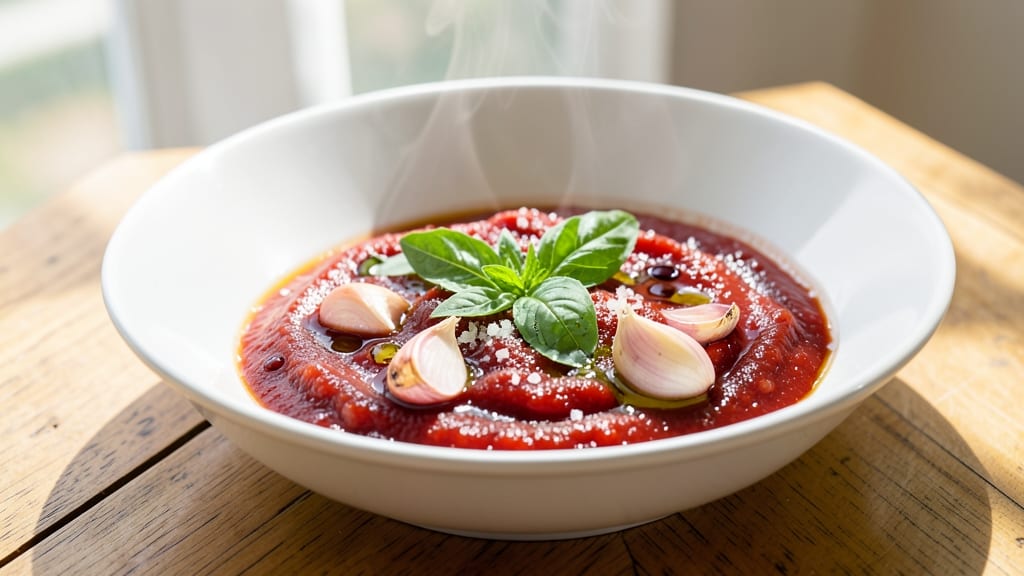
This fresh tomato sauce recipe transforms garden tomatoes into a vibrant, bright sauce that captures summer in every spoonful. 🌿 The secret lies in a gentle cooking method that preserves the tomatoes' natural sweetness while building rich, complex flavors through simple techniques anyone can master.
What sets this sauce apart is its versatility—perfect for pasta, pizza, or as a dipping sauce—while requiring just five core ingredients. No blenders or complicated steps, only fresh tomatoes, aromatics, and patience to develop deep, layered flavor that tastes like a sun-drenched Italian afternoon.
The result is a velvety sauce with perfect balance: bright acidity from fresh tomatoes, aromatic depth from garlic and herbs, and just enough body to coat pasta beautifully. This isn't your typical canned sauce—it's restaurant-quality flavor you can make in under 45 minutes.
Best of all, this sauce tastes even better the next day as flavors meld. Store it in the fridge for up to five days or freeze for future meals. Let's get cooking!
Ingredients for fresh tomato sauce recipe with fresh tomatoes
Five fresh ingredients transform garden tomatoes into vibrant, restaurant-quality sauce.
| Ingredient | Amount | Notes |
|---|---|---|
| Fresh Tomatoes 🍅 | 2 lb | Roma or vine-ripened, halved |
| Extra-Virgin Olive Oil 🫒 | ¼ cup | High-quality, fruity variety |
| Garlic Cloves 🧄 | 4 cloves | Freshly minced, vibrant color |
| Fresh Basil Leaves 🌿 | ½ cup | Packed, stems removed |
| Red Wine Vinegar 🍷 | 1 tbsp | Bright acidity preferred |
| Salt 🧂 | 1 tsp | Diamond Crystal preferred |
| Black Pepper 🌶️ | ½ tsp | Freshly cracked |
| Sugar 🍚 | 1 tsp | Balances acidity |
The tomatoes are everything here—Roma or vine-ripened pack the most flavor, but any ripe garden tomato works. Hit the farmers market for the juiciest ones, or grab a handful from your own garden. Fresh basil? Farmers market or grocery store herb section—look for leaves that are bright green, not wilted. The garlic should smell pungent and fresh, not bitter. For olive oil, any fruity extra-virgin will do—just avoid the cheap stuff that tastes like soap. Red wine vinegar adds that bright acidity—Balsamic Vinegars of Modena is my go-to, but any good red wine vinegar works.
No fresh basil? Dried oregano at half the amount gets you close, but fresh is ideal. Short on tomatoes? Canned San Marzano tomatoes work in a pinch (drained well), but nothing beats fresh. The sugar balances the acidity—skip it if your tomatoes are extra sweet. Olive oil quality matters here—use something you'd drizzle on bread. For a deeper flavor, add a pinch of red pepper flakes. Want more body? Stir in 1 tbsp tomato paste at the end.
This sauce tastes better the next day—plan ahead. Keeps 5 days in the fridge, 6 months frozen. For freezing, portion into ice cube trays, then transfer to a bag. Reheat gently on the stove with a splash of water to restore texture. Double the batch—you'll want leftovers for pasta, pizza, or dipping. The sauce thickens as it cools, so thin with water if needed.
Why You'll Love This Recipe
- No Chopping Needed: I swear by this—just halve those tomatoes and dump them in. The vinegar and olive oil do all the work while you sip your coffee, no knife skills required.
- Sunshine in a Jar: That bright acidity from the red wine vinegar cuts through the richness of the olive oil, while the basil? It’s like summer in every bite—fresh, herbal, and impossible to resist.
- Pasta’s Best Friend: Drizzle it over spaghetti, toss it with grilled chicken, or slather it on crusty bread. It’s my go-to for weeknight dinners, potlucks, or even a lazy Sunday brunch.
- Lasts All Week: Between us, this sauce only gets better as it sits. The flavors meld overnight, and I’ve stretched a single batch into three meals—no waste, just pure savings.
Step-by-step instructions for fresh tomato sauce with garden tomatoes
Here's how to transform your garden's bounty into a rich, vibrant sauce bursting with summer flavor.
🍳 Step 1: Roast the Tomatoes for Deep Flavor
Preheat your oven to 425°F and line a baking sheet with parchment paper. Halve the 2 lb fresh tomatoes (Roma or vine-ripened work best) and place them cut-side down on the prepared sheet. Drizzle with 1 tablespoon of the 0.25 cup extra-virgin olive oil and sprinkle with ½ teaspoon of the 1 teaspoon salt.
Roast for 20-25 minutes until the tomatoes collapse slightly and develop golden spots. You'll smell that incredible caramelized tomato aroma—this is when the natural sugars concentrate and the flavors deepen. Real talk: don't skip this step. Roasting transforms ordinary tomatoes into something extraordinary.
👨🍳 Step 2: Build the Sauce Base
Transfer the roasted tomatoes to a blender or food processor along with their juices. Add the 4 cloves freshly minced garlic, 1 teaspoon sugar, 1 tablespoon red wine vinegar, and the remaining 0.125 cup extra-virgin olive oil. Pulse until mostly smooth—you want some texture to keep the sauce interesting.
Here's the thing—don't worry if it looks too thick. The tomatoes will release more liquid as they cook. Taste and adjust seasoning with the remaining ½ teaspoon salt and ½ teaspoon black pepper. You're aiming for bright acidity balanced with sweetness and just a touch of saltiness.
🔥 Step 3: Simmer for Richness
Pour the sauce into a medium saucepan and bring to a gentle simmer over medium-low heat. Let it cook uncovered for 15-20 minutes, stirring occasionally, until it thickens slightly and the flavors meld together. You'll see the sauce reduce and develop a glossy sheen—this is when it becomes truly irresistible.
Watch for the sauce to reach your desired consistency. It should coat the back of a spoon but still be pourable. If it thickens too much, add 1-2 tablespoons water to loosen it. The key is maintaining that vibrant tomato color and bright flavor—don't let it turn dull or overly reduced.
🥘 Step 4: Finish with Fresh Basil
Remove the sauce from heat and stir in the 0.5 cup packed fresh basil leaves. Let it steep for 5 minutes to infuse the delicate basil flavor, then taste again. You might want to add a pinch more salt or a splash of vinegar to perfect the balance.
This is the moment that matters: the basil should brighten the sauce and make it sing. If you're serving immediately, give it a final taste and adjust seasoning one last time. For best results, let the sauce cool to room temperature before refrigerating—this allows the flavors to fully develop and deepen over time.
Pro Tips For Making Fresh Tomato Sauce Recipe With Fresh Tomatoes
- Char Tomatoes First: Toss halved tomatoes in a hot, oiled skillet for 3-4 minutes before saucing—this breaks down their flesh faster and deepens flavor. I used to skip this and ended up with watery sauce; now I swear by the caramelized edges.
- Salt the Garlic: Sprinkle a pinch of salt over minced garlic before cooking—it prevents burning and draws out moisture for even browning. After burning three batches, I finally figured out this tiny habit saves the whole dish.
- Blend in Stages: Pulse tomatoes in batches with the basil first, then finish with vinegar—this keeps the sauce bright and prevents bitterness from over-blending. My grandmother swore by this, and she was right: patience here matters most.
- Finish with Cold Oil: Drizzle in 1 tablespoon of chilled olive oil at the end—it coats the sauce, softens acidity, and makes it silky. Sounds weird, but it works: the sauce tastes richer without extra fat.
Wine and beer pairings for fresh tomato sauce recipe with fresh tomatoes
White Wine Pairings
For this bright, vibrant tomato sauce, I reach for crisp Italian whites that won't overpower the fresh tomato flavor. A Vermentino from Sardinia is my go-to—its citrusy notes and mineral finish cut through the sauce's richness beautifully.
The acidity mirrors the red wine vinegar in the sauce, creating perfect harmony. 🍷
If you prefer something lighter, try a Pinot Grigio from Alto Adige. Its delicate apple and pear notes complement the basil's freshness without competing. For a touch of elegance, a Soave Classico from Verona brings almond and floral notes that pair wonderfully with the roasted tomato depth.
Red Wine Pairings
Don't be afraid to try a light red with this sauce—especially if you're serving it with pasta or pizza. A Chianti Classico from Tuscany works surprisingly well, particularly one with bright acidity and cherry notes. The tannins in the wine actually enhance the tomato's natural sweetness. 🍇
For a more modern approach, I love pairing this sauce with a Valpolicella Ripasso. The wine's velvety texture and dried fruit notes create a luxurious contrast to the sauce's brightness. Just ensure it's a young vintage—older wines with more tannins can clash with the delicate basil flavors.
Beer Pairings
Craft beer lovers, rejoice—a well-chosen beer can elevate this sauce to new heights. I turn to Italian lagers like Peroni or Moretti for their crisp, clean profiles that refresh the palate between bites. The subtle malt sweetness complements the sauce's natural sugars beautifully. 🍺
For something more adventurous, try a Belgian witbier like Hoegaarden. The coriander and orange peel notes create an unexpected but delicious contrast to the tomato's acidity. Avoid heavy IPAs or stouts—they'll overwhelm the sauce's delicate flavors.
Non-Alcoholic Options
For those skipping alcohol, I recommend a sparkling blood orange soda like San Pellegrino Aranciata. The citrusy bubbles mirror the sauce's brightness while adding a festive touch. Alternatively, a ginger beer with a squeeze of lime provides a refreshing zing that cuts through the richness. 🍋
For a more traditional approach, try a sparkling mineral water with a splash of red wine vinegar and a pinch of salt. It's like drinking the sauce's essence—bright, acidic, and utterly refreshing. This is my go-to when I want to keep things simple but still elegant.
Nutrition facts
Frequently asked questions
Can I use green tomatoes for this fresh tomato sauce?
Green tomatoes work but won't have the same sweetness as ripe ones. For best results, use a mix of ripe and slightly underripe tomatoes—they'll soften and develop flavor during roasting. If using all green tomatoes, add an extra ½ teaspoon sugar to balance the tartness and roast them 5-10 minutes longer until fully softened.
How do I adjust this sauce for a meat-based dish like lasagna?
For meat-heavy dishes, reduce the basil to ¼ cup and add 1 teaspoon dried oregano instead. For extra richness, simmer in 1 tablespoon tomato paste for 5 minutes before adding the basil. The sauce will hold up better to long baking times and pair beautifully with ground beef or Italian sausage.
What if my sauce turns out too watery?
Simmer uncovered for 10-15 additional minutes to reduce naturally. If it's still too thin, make a quick roux: melt 1 tablespoon butter in a small pan, whisk in 1 teaspoon flour, then stir into the sauce until thickened. For a vegan option, use olive oil instead of butter and cornstarch as a thickener.
Can I make this sauce without a blender?
Skip the blending step and simply chop the roasted tomatoes (with skins) into small pieces. For a smoother texture, press the tomatoes through a fine-mesh sieve after roasting. The sauce will be slightly chunkier but still delicious—just stir well to distribute the flavors evenly.
How can I make this sauce spicier?
Add ½ teaspoon red pepper flakes during the simmering step, or stir in 1-2 teaspoons hot sauce at the end. For a smoky kick, add ½ teaspoon smoked paprika with the garlic. For heat lovers, try a pinch of cayenne pepper—but taste first, as fresh tomatoes can mellow the spice.