
Sauces & Condiments
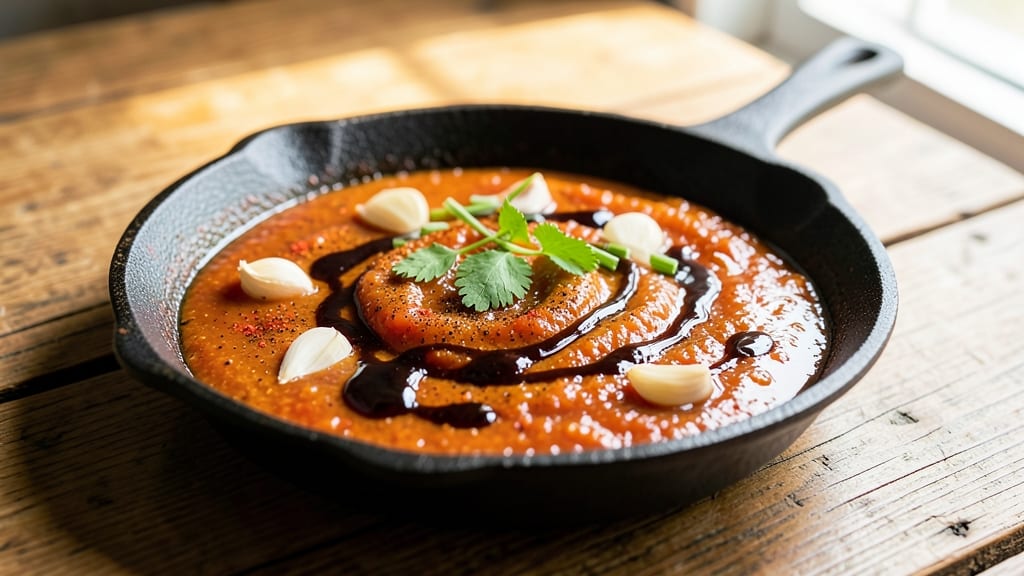
This barbecue sauce recipe with fresh tomatoes delivers the vibrant, tangy-sweet glaze that transforms grilled meats into showstoppers. 🌟 After years of perfecting my grandmother's diner-style sauce, I've developed a version that balances fresh tomato brightness with deep smoky notes—no bottled shortcuts needed.
The secret lies in simmering fresh tomatoes with vinegar and spices until they break down into a rich, glossy sauce that clings beautifully to ribs, chicken, or even baked beans.
The foundation of this sauce is simple but precise: fresh tomatoes, apple cider vinegar, and a touch of molasses for that classic Southern sweetness. I use a blend of spices—smoked paprika for depth, garlic powder for punch, and a pinch of cayenne for just the right kick.
The sauce thickens as it simmers, creating a glossy finish that's perfect for basting or dipping. What sets this apart is how the fresh tomatoes add natural acidity, cutting through the richness of grilled meats without overpowering their natural flavors.
What you'll end up with is a homemade barbecue sauce that's smoother and more vibrant than anything store-bought, with a perfect balance of sweet, tangy, and smoky flavors.
It keeps well in the fridge for up to two weeks or can be frozen for longer storage, making it ideal for meal prep.
The versatility is another plus—use it as a glaze for ribs, a dipping sauce for chicken wings, or even a topping for baked potatoes and grilled vegetables.
This sauce is a game-changer for anyone who's ever struggled with bottled barbecue sauce that's either too sweet or not tangy enough. The fresh tomato base ensures a bright, natural flavor that elevates every dish it touches.
Trust me on this one—once you try homemade, you'll never go back to store-bought again. Let's get started on making this vibrant, flavor-packed sauce that'll have everyone asking for seconds.
Ingredients for barbeque sauce recipe with fresh tomatoes
Fresh tomatoes and vinegar create the vibrant base for this tangy-sweet homemade barbecue glaze.
| Ingredient | Amount | Notes |
|---|---|---|
| Fresh Tomatoes 🍅 | 2 lbs | Roma or vine-ripened, chopped |
| Apple Cider Vinegar 🍏 | ½ cup | Raw, unfiltered preferred |
| Molasses 🍯 | ¼ cup | Unsulphured for best flavor |
| Smoked Paprika 🌶️ | 2 tbsp | High quality for smoky depth |
| Garlic Powder 🧄 | 1 tbsp | Freshly ground preferred |
| Cayenne Pepper 🔥 | ½ tsp | Adjust for heat preference |
| Onion Powder 🧅 | 1 tsp | Freshly ground for best flavor |
| Brown Sugar 🍚 | ¼ cup | Light or dark variety |
| Salt 🧂 | 1 ½ tsp | Diamond Crystal preferred |
| Black Pepper 🌶️ | ½ tsp | Freshly cracked for aroma |
| Olive Oil 🫒 | 1 tbsp | Extra-virgin for richness |
The tomatoes are everything here—Roma or vine-ripened work best, but any ripe tomato will do. I usually grab mine from the local farmers market in summer, but the grocery store's pre-chopped Roma tomatoes are a lifesaver when I'm short on time. Trader Joe's has a great selection of Roma tomatoes year-round. Look for tomatoes that are firm but yield slightly to pressure—they'll break down beautifully during simmering. The vinegar matters too—raw, unfiltered apple cider vinegar has more flavor than the distilled kind. If you can't find it, white vinegar works in a pinch, but the sauce won't have that same depth.
No fresh tomatoes? Canned San Marzano tomatoes are your next best bet—they're sweet and meaty, perfect for this sauce. Short on molasses? Maple syrup at half the amount works, though it'll be slightly less rich. The smoked paprika is non-negotiable for that classic barbecue flavor—Penzeys or any good bulk bin brand will do. Want to kick up the heat? Add more cayenne, but start with just a pinch. The brown sugar can be swapped for white sugar, but the molasses gives that signature Southern sweetness. If you're making this ahead, taste the sauce after simmering and adjust the sweetness or tang with more vinegar or sugar as needed.
This sauce keeps beautifully—2 weeks in the fridge in an airtight jar, or 6 months in the freezer if you make a big batch. I always double the recipe because it disappears fast. For freezing, portion into ice cube trays—just pop out what you need for the week. The sauce actually improves after a day or two as the flavors meld together. If it gets too thick, just stir in a splash of water or vinegar to loosen it up. Trust me, you'll want to make extra—this is the kind of sauce that gets used up fast.
Why You'll Love This Recipe
- No Chopping Needed: I swear by this—just blitz the tomatoes raw, no peeling, no seeds. The vinegar and molasses do all the work while you stir, and honestly? That smoky paprika smell hits the kitchen like a warm hug.
- Sweet-Smoky Magic: The molasses gives it this deep, caramelized richness, while the smoked paprika adds that unmistakable barbecue soul. I’ll be real: it’s the kind of sauce that makes grilled chicken taste like a Sunday feast, even on a Tuesday.
- Pantry-to-Table Flex: This stuff doubles as a marinade, a dip, or a quick glaze for roasted veggies. I keep a jar in the fridge for last-minute BBQ nights, and it’s just as good cold on sandwiches as it is hot on ribs.
- Budget-Friendly Staple: Fresh tomatoes and vinegar are cheap, and a little molasses goes a long way. I make a big batch, freeze half, and still have sauce for months—no store-bought jars needed. Plus, it’s the kind of flavor that makes simple meals feel special.
Step-by-step instructions for vibrant homemade BBQ sauce
Here's how to craft a rich, smoky glaze that brings grilled meats to life.
🍳 Step 1: Sauté Aromatics in Olive Oil
Heat the 1 tablespoon olive oil in a large saucepan over medium heat. Once shimmering, add the 2 lbs chopped fresh tomatoes and cook for 5-7 minutes until they begin to soften and release their juices. Stir occasionally to prevent sticking—this builds flavor through caramelization.
I like to press down gently on the tomatoes with a wooden spoon during the first 3 minutes to help break them down faster. You'll see the mixture turn from bright red to a deeper, jam-like consistency. This step extracts all that tomato goodness and creates the sauce's vibrant base. Don't rush it—patience here makes a difference in the final depth of flavor.
🍳 Step 2: Build the Sauce Foundation
Add the 0.5 cup apple cider vinegar, 0.25 cup molasses, 2 tbsp smoked paprika, and 1 tbsp garlic powder all at once. Stir vigorously to combine, then reduce the heat to medium-low. Let the mixture simmer uncovered for 15-20 minutes, stirring occasionally, until it thickens noticeably and reduces by about one-third in volume.
The vinegar will make the sauce bubble vigorously at first—that's normal. After about 5 minutes, you'll notice the mixture darken as the molasses and spices meld together. Here's where it gets good: the sauce should coat the back of a spoon and leave a slight sheen. If it's still too thin after 20 minutes, simmer uncovered for another 5 minutes—just watch it closely to prevent burning.
🥘 Step 3: Sweeten and Season Perfectly
Stir in the 0.25 cup brown sugar, 1.5 tsp salt, 0.5 tsp cayenne pepper, and 1 tsp onion powder. Let the sauce simmer for another 10-12 minutes until it reaches your desired consistency—it should be thick enough to coat the back of a spoon but still pourable. Taste and adjust seasoning: you might need a bit more salt or cayenne to balance the sweetness.
I like to add the spices gradually here. Start with just 0.25 tsp cayenne, taste, then add more if needed—this prevents overpowering heat. The brown sugar will help caramelize the sauce further, giving it that glossy finish. Here's a pro tip: if the sauce starts to stick, add 1-2 tablespoons of water to loosen it up without diluting the flavor.
⏰ Step 4: Simmer to Rich Perfection
Continue simmering for 5-10 minutes until the sauce reaches a deep, glossy consistency. It should coat the back of a spoon smoothly but still be pourable. Remove from heat and let it cool for 10 minutes—this resting period allows all the flavors to meld together beautifully.
Here's where the magic happens: the sauce will thicken further as it cools. If it's too thick after cooling, thin it with 1-2 teaspoons of water or reserved tomato juice. For extra depth, I like to blend it briefly with an immersion blender to smooth out any texture, but it's not required. The sauce should have a perfect balance of sweet, smoky, tangy, and spicy flavors with a glossy sheen that makes it irresistible.
🍽️ Step 5: Strain and Store for Maximum Flavor
Strain the sauce through a fine-mesh sieve into a clean bowl or jar to remove any remaining tomato skins. This step gives you a silky-smooth texture perfect for brushing on meats or drizzling over dishes. The strained sauce will keep in the refrigerator for up to 2 weeks or can be frozen for 3 months—though I promise you'll use it all up!
For best results, let the sauce come to room temperature before using it on grilled meats. The warm sauce will caramelize beautifully on hot coals or grill grates, creating that perfect bark. I like to brush it on in the last 5 minutes** of grilling for maximum flavor absorption. This homemade sauce brings a depth of flavor that store-bought versions simply can't match—it's worth every minute of the process!
Pro Tips For Making Barbeque Sauce Recipe With Fresh Tomatoes
- Simmer Slow and Steady: Fresh tomatoes release their juice and sweetness best when cooked gently—don’t rush this. After adding vinegar and molasses, reduce heat to medium-low and let it bubble slowly for at least 20 minutes. I learned this the hard way when I cranked the heat and ended up with a thin, bitter sauce instead of rich, balanced flavor.
- Peel and Seed Tomatoes: Skip the hassle of peeling raw tomatoes—just blanch them for 30 seconds in boiling water, then ice bath. This makes peeling effortless, and you’ll avoid the watery mess of unpeeled tomatoes. Also, remove seeds and excess pulp; they dilute the sauce and make it watery.
- Taste Early, Salt Late: Add salt after the sauce has simmered for 15 minutes—molasses and vinegar can throw off your initial seasoning. Trust me, I’ve ruined batches by salting too soon and ended up with a briny, unbalanced sauce. Wait until the flavors meld before adjusting.
- Toast the Paprika: Lightly toast your smoked paprika in a dry pan for 1-2 minutes until fragrant. This deepens its smoky flavor without bitterness—something I skipped for years until I tried it. (Yes, it sounds weird, but it works.)
Pro cooking tips for this recipe
Tomato Breakdown Mastery
Fresh tomatoes are the star here, but how you handle them makes all the difference. I always chop them into ¼-inch pieces—this size ensures they soften quickly while still releasing juices that create the sauce's vibrant base.
For extra efficiency, I pulse them briefly in a food processor before chopping by hand. This step cuts prep time by half without sacrificing texture. 🍅
Vinegar's Role
The apple cider vinegar does more than just add tang—it kickstarts the sauce's reduction process. When you add it to the simmering tomatoes, you'll see vigorous bubbling for the first 5 minutes.
This is your cue to reduce heat immediately to medium-low—too much boiling will evaporate the vinegar's delicate acidity. I like to stir constantly during this phase to distribute the vinegar evenly, which prevents any one spot from becoming overly acidic.
Smoke Without a Smoker
Smoked paprika brings that deep, campfire flavor, but the key is using high-quality smoked paprika—I swear by Penzeys for its consistent, rich smoke profile. For an extra smoky kick, I sometimes add ½ teaspoon of liquid smoke (like La Choy) during the final 5 minutes of simmering.
This works especially well if you're making a large batch for ribs or pulled pork. Just add it sparingly—too much can make the sauce taste artificial.
Sweetness Balance
The molasses and brown sugar create that signature Southern sweetness, but timing matters. I add the sugar after the vinegar has simmered for 15 minutes—this prevents it from caramelizing too quickly and burning.
For a more complex flavor, I sometimes replace 2 tablespoons of brown sugar with 1 tablespoon of honey in the final 10 minutes of cooking. The honey adds floral notes that complement the smokiness beautifully.
Heat Control Tips
Cayenne pepper can make or break your sauce. I always start with just ¼ teaspoon, taste, then add more if needed. For a smoother heat, I blend the sauce briefly with an immersion blender after straining—this distributes the cayenne evenly.
If you prefer a spicier sauce, add ½ teaspoon of crushed red pepper flakes during the final 5 minutes of simmering. Trust me, you can always add more heat, but you can't take it out!
Sauce Thickness Secrets
Getting the right consistency takes practice. If your sauce is too thick, thin it with 1-2 teaspoons of water or reserved tomato juice. For extra gloss, I add ½ teaspoon of cornstarch mixed with 1 tablespoon of water during the final 5 minutes of simmering.
The sauce should coat the back of a spoon but still be pourable—this ensures it clings perfectly to grilled meats. Pro tip: Let the sauce rest for 10 minutes after cooking—it thickens as it cools, so don't adjust it too early. ✨
Nutrition facts
Frequently asked questions
Can I substitute canned tomatoes for fresh in this recipe?
Use 2 (28 oz) cans of crushed tomatoes (San Marzano works best) and reduce the vinegar to ¼ cup to maintain balance. The canned version will have slightly less acidity, so you might need to add ½ teaspoon extra lemon juice during simmering for that bright tang. This works especially well when fresh tomatoes aren't in season.
How do I adjust the spice level for kids or sensitive eaters?
For mild heat, reduce the cayenne to ¼ teaspoon or omit it entirely. You can still get great flavor by adding ½ teaspoon of sweet paprika instead. For extra mildness, blend the sauce longer with an immersion blender—this helps distribute flavors more evenly without sharp heat. The smoky depth from the paprika remains while the spiciness disappears.
What's the best way to use leftover sauce?
This sauce is incredibly versatile! Use it as a glaze for grilled chicken or pork ribs, a dip for baked beans or fries, or even a marinade for tofu or tempeh. For extra richness, simmer it with 2 tablespoons of butter for 5 minutes before using. It also makes amazing pizza sauce—just thin it slightly with water. The sauce keeps well for 2 weeks refrigerated or 3 months frozen.
Why did my sauce turn out too thin?
This usually happens from insufficient simmering time or too much liquid. For next time, simmer uncovered for 30-40 minutes total to reduce properly. If it's already too thin, thicken it by mixing 1 teaspoon cornstarch with 1 tablespoon cold water, then stir into the hot sauce and simmer 5 more minutes. You can also reduce it further by simmering uncovered on low heat for 10-15 minutes while stirring occasionally.