
Sauces & Condiments
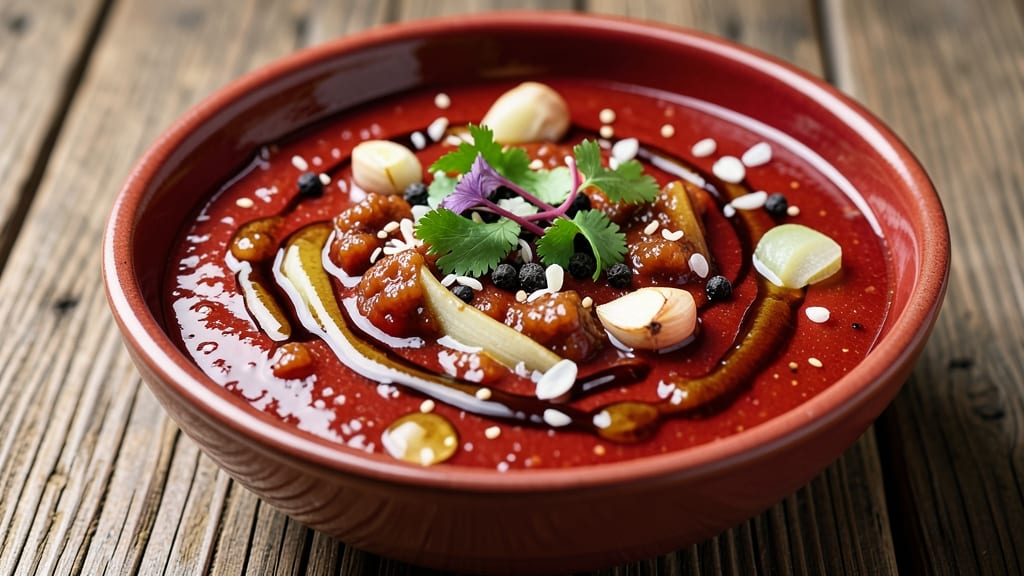
This Indian barbecue sauce recipe transforms traditional flavors into a smoky, garlicky masterpiece that clings to meat like a second skin. 🔥 I developed it after years of blending my pitmaster skills with the bold spices of Indian cuisine, creating a sauce that's rich, tangy, and packed with depth—perfect for chicken, lamb, or even paneer. The secret lies in tamarind's tangy bite balanced by sweet caramelized onions and a whisper of vinegar that cuts through the richness.
The sauce builds flavor through slow simmering, where spices like garam masala and smoked paprika meld with garlic and ginger to create layers of warmth. Unlike store-bought versions, this one thickens naturally as it reduces, ensuring it coats every bite without being overly sweet.
I've tested it on everything from grilled kebabs to roasted vegetables, and it delivers that perfect balance of smoky heat and bright acidity.
What makes this sauce truly special is its versatility—it works as a marinade, glaze, or finishing drizzle. The tamarind adds complexity that's missing from traditional BBQ sauces, while the vinegar zing keeps flavors vibrant.
Once you try it, you'll never go back to the bottled stuff. Ready to elevate your grilling game?
Store it in the fridge for up to 2 weeks or freeze for 3 months, making it ideal for meal prep. Whether you're cooking for a crowd or treating yourself to a smoky Sunday dinner, this sauce will become your go-to for restaurant-quality flavor at home.
Ingredients for barbecue sauce recipe indian
Twelve ingredients transform into a sauce that clings to meat like a second skin.
| Ingredient | Amount | Notes |
|---|---|---|
| Tamarind Paste 🍈 | ½ cup | Unrefined for authentic tang |
| Red Wine Vinegar 🍷 | ¼ cup | Balsamic works in a pinch |
| Onions 🧅 | 1 ½ cups | Yellow, finely chopped |
| Garlic Cloves 🧄 | 8 cloves | Peeled, minced fine |
| Ginger 🌿 | 1 tbsp | Fresh, grated finely |
| Tomatoes 🍅 | 1 cup | Canned, crushed or diced |
| Smoked Paprika 🌶️ | 2 tbsp | For deep smoky flavor |
| Garam Masala 🌶️ | 1 ½ tsp | Freshly ground preferred |
| Ground Cumin 🌿 | 1 tsp | Toasted for warmth |
| Brown Sugar 🍯 | ¼ cup | Light or dark works |
| Olive Oil 🫒 | ¼ cup | Extra-virgin for richness |
| Salt 🧂 | 1 ½ tsp | Adjust to taste |
| Black Pepper 🌶️ | ½ tsp | Freshly cracked |
Tamarind is the heart of this sauce—look for unrefined paste in Indian grocery stores or bulk bins at Whole Foods. The tangier, the better, so don't skimp on quality. Caramelizing the onions is non-negotiable; it's what gives this sauce its depth. I usually do it in a heavy pot with a splash of water to keep it from burning. The garlic and ginger should be minced so fine they almost dissolve into the sauce. If you're short on time, a food processor works, but fresh is always better. For the tomatoes, San Marzano cans make all the difference—they're sweeter and less acidic than regular brands.
No tamarind? Lemon juice plus 1 tbsp extra sugar gets you close, though it won't be identical. Short on smoked paprika? Regular paprika plus a pinch of liquid smoke works in a bind. The garam masala is key—store-bought blends work, but if you can find individual spices, toast them first for deeper flavor. Brown sugar adds caramel notes that balance the tang. If you're watching sugar, reduce to 2 tbsp and add 1 tbsp honey instead. The vinegar is what makes this sauce pop—red wine vinegar has the right balance, but apple cider vinegar is fine too. Just don't use white vinegar; it's too harsh.
This sauce gets better with time—let it sit at room temperature for 30 minutes before using so flavors meld. Store it in a clean glass jar in the fridge for up to 2 weeks, or freeze for 3 months. I like to portion it into ice cube trays for easy single-use servings. The sauce thickens as it cools, so if it seems too thick when cold, thin it with 1 tsp water per tablespoon of sauce. Trust me, the longer it sits, the more complex the flavors become—worth the wait.
Why You'll Love This Recipe
- Pantry Magic: I swear by this sauce because it uses what’s already lurking in my cupboards—tamarind paste and vinegar transform into something rich and tangy without extra shopping trips. Honestly, the only prep is mincing garlic and ginger (five minutes max), then letting the flavors meld while you cook dinner.
- Tamarind Tang Kick: That first spoonful? Chef’s kiss. The tamarind paste gives it this deep, fruity sourness that cuts through the sweetness just right, while the red wine vinegar adds a bright, almost wine-like depth. It’s not cloying—it’s complex, like a grown-up version of store-bought BBQ sauce.
- Weeknight Superhero: Slather it on grilled chicken for a weeknight dinner, drizzle it over dal for a restaurant-worthy twist, or toss it with roasted veggies. Between us, I’ve even used it as a marinade for kebabs—it’s that versatile. No fancy plating, just pure flavor that works every time.
- Lasts All Week: A batch keeps for ages in the fridge, and the taste only gets better as the flavors marry. I make a big jar on Sundays, then pull it out for everything from wraps to rice bowls. Not the prettiest, but the taste makes up for it—and my wallet thanks me for the bulk ingredients.
Step-by-step instructions for smoky garlic-tamarind barbecue sauce
Here's how to build this bold, tangy sauce that packs layers of smoky depth and vibrant flavor.
🍳 Step 1: Bloom the Spices in Olive Oil
Heat the 0.25 cup olive oil in a medium saucepan over medium heat until shimmering but not smoking. Add the 2 tbsp smoked paprika and 1.5 tsp garam masala, stirring constantly for 30 seconds until fragrant and the spices release their aromatic oils. Here's the thing—don't walk away. Smoked paprika burns in seconds, and you want that deep smoky flavor, not bitter ashes.
Next, add the 1.5 cups onions and cook for 8-10 minutes until they're soft and golden brown, with edges starting to caramelize. You'll see them go from pale to deep amber—that's your signal they're ready. If they stick, add a splash of water and scrape up those flavorful browned bits from the bottom of the pan. This is where the magic happens: those caramelized onions form the sauce's sweet backbone.
👨🍳 Step 2: Build the Flavor Base with Aromatics
Push the onions to one side of the pan and add the 8 cloves garlic cloves and 1 tbsp ginger to the empty space. Cook for 1-2 minutes until the garlic turns golden and fragrant—this prevents it from burning while still releasing all its pungent goodness. Stir everything together and cook for another 30 seconds to meld the flavors.
Now add the 1 cup tomatoes and 0.25 cup brown sugar, stirring to combine. Let the mixture simmer for 5 minutes until the tomatoes break down and the sauce thickens slightly. You're looking for a consistency between chunky and smooth—this is the foundation that will carry all the other flavors. Taste at this point: it should be sweet, tangy, and deeply aromatic. If it needs more depth, let it cook another minute to concentrate the flavors.
🥘 Step 3: Balance with Acid and Tamarind Tang
Reduce heat to medium-low and stir in the 0.5 cup tamarind paste and 0.25 cup red wine vinegar. The tamarind will make the sauce look slightly curdled at first—that's normal. Let it simmer for 3-4 minutes until the tamarind dissolves completely and the sauce smooths out. You'll notice the color deepen to a rich amber and the aroma become more complex with that signature tangy-sweet balance.
Add the 1 tsp ground cumin, 1.5 tsp salt, and 0.5 tsp black pepper, stirring well to distribute. Here's where it gets fun—taste and adjust the seasoning. You want a perfect balance of sweet, smoky, tangy, and spicy. If it needs more heat, add a pinch of cayenne. If it needs more depth, let it simmer another minute to concentrate the flavors. The sauce should coat the back of a spoon but still be pourable.
⏰ Step 4: Simmer to Perfect Consistency
Continue simmering the sauce uncovered for 10-15 minutes until it reduces to your desired thickness. You're aiming for something between a thick glaze and a loose sauce—it should coat the back of a spoon but still flow easily. Stir occasionally, especially toward the end, to prevent sticking. If it reduces too quickly, add 1-2 tablespoons water to maintain the balance.
When you're happy with the consistency, remove the pan from heat. Let the sauce sit for 5 minutes to settle—this allows all the flavors to meld completely. Taste again and make any final adjustments. The sauce should be vibrant, tangy, and complex with layers of smoky depth. For the best results, let it cool completely before storing, as this allows the flavors to develop even more overnight.
Pro Tips For Making Barbecue Sauce Recipe Indian
- Bloom the Tamarind: Mix the tamarind paste with 2-3 times its volume in warm water first—it’s thick, stubborn stuff. I learned this the hard way after straining a chunky mess through my fine-mesh sieve. Five minutes of soaking softens it enough to dissolve properly, and you’ll get a smoother sauce without clumps.
- Sweat, Don’t Burn: Onions and garlic need low, steady heat for 8-10 minutes until they’re golden, not charred. I used to rush this step, and the sauce always tasted bitter. A splash of water helps deglaze browned bits—just enough to keep the flavors rich, not watered down.
- Strain Twice: After simmering, strain the sauce through a fine-mesh sieve and a cheesecloth. The first pass catches big bits; the second removes the fine sediment that makes the sauce look cloudy. Yes, it’s extra work, but the result is silky—like the difference between homemade and store-bought.
- Vinegar First: Add the red wine vinegar at the very end, right before tasting. Tamarind’s tang is sharp enough, and vinegar can make the sauce taste harsh if cooked too long. Balance it with a pinch of sugar or honey—just enough to soften the edge without turning it sweet.
Creative variations of this recipe
Tangy Tamarind Twist
Swap the tamarind paste for ½ cup lemon juice and 1 tbsp extra brown sugar to create a brighter, citrus-forward version. The vinegar zing remains but shifts to a more familiar tang—perfect for those who prefer a familiar BBQ sauce profile.
I've tested this version on grilled chicken skewers, and it adds a refreshing contrast to the smoky flavors. 🍋
Spicy Mango Heat
Blend ½ cup mango pulp (fresh or frozen) with the tamarind paste for a tropical heat twist. Add ½ tsp cayenne pepper to amplify the spice, and reduce the brown sugar to 2 tbsp to balance the natural sweetness.
This variation works beautifully with lamb kebabs or grilled paneer. The mango adds a fruity depth that pairs surprisingly well with the smoky paprika.
Yogurt-Based Cooling Sauce
Thin the finished sauce with ¼ cup plain yogurt (Greek or regular) for a creamy, cooling variation. This version is ideal for hot summer grilling—it coats the meat without overwhelming heat. I like to serve it with grilled shrimp or chicken tikka, where the yogurt's coolness balances the smoky spices.
For extra richness, stir in 1 tbsp melted ghee at the end. ✨
Smoky Coffee Infusion
Add 1 tbsp instant coffee granules or ½ cup strong brewed coffee to the simmering sauce for a deep, earthy twist. The coffee enhances the smoky notes from the paprika and pairs perfectly with beef or pork.
Reduce the brown sugar to 2 tbsp to balance the bitterness. This variation is inspired by my coastal rides through coffee-growing regions—it’s a flavor I can’t resist bringing back to the grill. ☕
Vegetarian Paneer Glaze
Use this sauce as a glaze for grilled or baked paneer by thinning it with 2 tbsp water and brushing it on in layers. The tamarind’s tang cuts through the richness of the cheese, making it a vegetarian showstopper.
For extra texture, sprinkle toasted cumin seeds on top before serving. This version is a crowd-pleaser at my local BBQ competitions—it proves this sauce isn’t just for meat lovers. 🧀
Sweet Chili Fusion
Replace the tamarind with ½ cup sweet chili sauce (like Sweet Baby Ray's) and reduce the vinegar to 2 tbsp. Add 1 tbsp sriracha for heat and 1 tsp fish sauce (or soy sauce for vegetarian) for umami depth.
This fusion is inspired by my time blending French techniques with Asian flavors—it’s sweet, spicy, and deeply savory. Perfect for grilled tofu or pork belly. 🌶️
Nutrition facts
Frequently asked questions
Can I make this sauce without tamarind?
Swap the ½ cup tamarind paste for ½ cup lemon juice plus 1 tbsp extra brown sugar to maintain balance. The sauce will have a brighter citrus tang instead of tamarind's deep complexity, but it'll still pack serious flavor. For a more familiar BBQ profile, try ¼ cup apple cider vinegar with 1 tbsp honey instead.
How long should I marinate meat in this sauce?
For chicken or lamb, marinate for 4-6 hours in the fridge for deep flavor penetration. For quick grilling, 30 minutes will still give great results. Pro tip: Reserve ¼ cup sauce to use as a finishing glaze after cooking—this creates a caramelized crust that's irresistible. Never marinate for longer than 12 hours with acidic ingredients like vinegar and tamarind.
Can I use this sauce for vegetarian dishes?
This sauce is perfect for vegetarian cooking! Brush it on grilled paneer, brush it on eggplant slices, or drizzle it over roasted vegetables. The tamarind's tang cuts through rich vegetarian proteins beautifully. For extra texture, sprinkle toasted cumin seeds or crumbled feta on top before serving. It's a game-changer for veggie skewers too!
Why does my sauce look curdled when I add tamarind?
That's completely normal! Tamarind paste contains pectin that can make the sauce appear curdled at first. Just keep stirring and simmer for 3-4 minutes—it will smooth out completely. If it still looks uneven, strain through a fine-mesh sieve for a silky texture. The curdling disappears during cooking, leaving behind that signature tangy depth we all love.
How do I adjust the spice level?
Start with the recipe as written, then adjust to taste. For more heat, add ½ tsp cayenne pepper or 1 tsp red pepper flakes. For smoky depth without heat, increase the smoked paprika to 3 tbsp. If you prefer mild flavor, reduce the garlic and ginger slightly. Remember, you can always add more spices, but you can't remove them once they're in!