
Sauces & Condiments
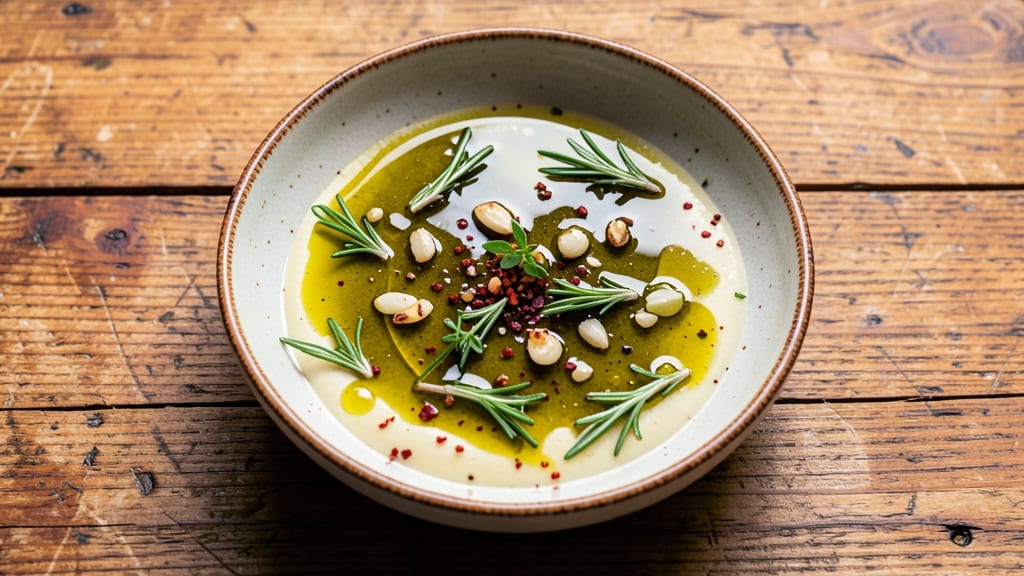
This focaccia sauce recipe transforms simple ingredients into a garlicky, herby olive oil drizzle that elevates everything from crusty bread to roasted vegetables. The secret lies in slow-infused garlic and fresh herbs that create layers of flavor without overpowering.
I developed this sauce after years of perfecting the art of flavor extraction—no complicated techniques, just patience and quality ingredients.
The base is extra-virgin olive oil, gently warmed with minced garlic until fragrant but never browned. Fresh herbs like rosemary and thyme join the mix, releasing their aromatic oils into the oil. A splash of lemon juice brightens the richness, while a pinch of red pepper flakes adds subtle heat.
The result? A sauce that's versatile enough for dipping, drizzling, or finishing dishes with professional-level flair.
What makes this sauce truly special is its foolproof simplicity—just 6 ingredients, 15 minutes of active time, and no special equipment required. The flavors deepen as it sits, making it perfect for prepping ahead.
Whether you're serving it with warm focaccia, grilled meats, or fresh vegetables, this sauce delivers restaurant-quality taste with minimal effort.
Store it in an airtight container in the refrigerator for up to 2 weeks, or freeze for longer shelf life. The sauce thickens slightly when chilled, so simply whisk with a splash of warm water before using.
This is the kind of condiment that turns ordinary meals into something extraordinary—without the fuss.
Ingredients for focaccia sauce
Six ingredients, one transformative drizzle—this sauce turns ordinary meals into extraordinary experiences.
| Ingredient | Amount | Notes |
|---|---|---|
| Extra-Virgin Olive Oil 🫒 | 1 ½ cups | High-quality, fruity, cold-pressed preferred |
| Garlic Cloves 🧄 | 8 whole | Fresh, peeled, finely minced |
| Fresh Rosemary 🌿 | ¼ cup | Finely chopped, stems removed |
| Fresh Thyme Leaves 🌿 | 0.15 cup | Stems removed, finely chopped |
| Lemon Juice 🍋 | 2 tbsp | Freshly squeezed, strained |
| Crushed Red Pepper Flakes 🌶️ | ½ tsp | Adjust for desired heat level |
| Diamond Crystal Kosher Salt 🧂 | ½ tsp | Fine grain preferred |
The olive oil is non-negotiable here. Look for extra-virgin with a fruity aroma—avoid the cheap, bitter supermarket brands. California Olive Ranch or Colavita are my go-tos, but any high-quality EVOO will work. Fresh garlic is essential; pre-minced jars lack the aromatic depth. For rosemary and thyme, buy from a trusted herb vendor—those sad grocery store bunches often have wilted stems. The key is patience: let the garlic infuse slowly over low heat to release its sweet, mellow flavors without burning.
No fresh rosemary? Dried works at one-third the amount, but the flavor won't be as vibrant. Short on garlic? Garlic powder at half the quantity is a decent stand-in, though it lacks complexity. The red pepper flakes should be finely crushed—Penzeys brand is ideal for consistent quality. If you're sensitive to acidity, reduce the lemon juice slightly or add a pinch more salt to balance. For a milder sauce, omit the red pepper entirely; for extra heat, double it. This sauce is incredibly forgiving—adjust to your taste.
Store in a sterilized glass jar with a tight seal, submerged in olive oil to preserve freshness. Keeps for 2 weeks refrigerated or 3 months frozen. Before using, whisk vigorously—it thickens slightly when chilled. A splash of warm water restores its silky texture. I make double batches; this sauce elevates everything from grilled meats to roasted Brussels sprouts, proving that sometimes less truly is more.
Why You'll Love This Recipe
- Five-Ingredient Magic: I swear by this—just oil, garlic, rosemary, thyme, and lemon juice. That’s it. No fancy techniques, no hidden pantry staples. The kind of sauce that makes me feel like I’ve actually cooked something when I’ve really just stirred for five minutes.
- Bright & Bold: The lemon juice cuts through the richness of the olive oil, while the garlic and herbs sing together. It’s herby, zesty, and has this addictive crispness when you drizzle it over warm bread or pasta. Honestly, I’ve been known to eat it straight from the spoon.
- Weeknight Hero: This sauce is my go-to when I’m too tired for complicated recipes. Toss it with roasted veggies, use it as a marinade, or drizzle it over grilled chicken—it works every time. Between us, it’s the reason I survived so many takeout-heavy months.
- Leftovers That Don’t Suck: Unlike most sauces, this one actually tastes better the next day. Store it in the fridge for up to a week, and it’s still bright and flavorful. I’ll be real: I’ve reheated it three times because it’s that good, and it costs me pennies to make.
Step-by-step instructions for garlicky olive oil drizzle
This sauce transforms simple olive oil into a fragrant, herby masterpiece perfect for enhancing focaccia, crusty bread, or dipping.
Infuse the Olive Oil with Garlic
Place a small saucepan over low heat and add the 1.5 cups extra-virgin olive oil. I prefer using a heavy-bottomed saucepan to prevent overheating. Insert a candy or instant-read thermometer if available—we're aiming for 160°F maximum to avoid burning the garlic.
Add the 8 whole garlic cloves (peeled and whole for even infusion) and let them cook gently. Stir occasionally with a wooden spoon, watching for the garlic to become translucent and fragrant—this should take about 8-10 minutes. The oil should smell rich and aromatic without any bitter notes. If it starts to brown too quickly, reduce the heat immediately to prevent bitterness.
Add Fresh Herbs and Simmer
Remove the saucepan from heat and let the garlic cool slightly for 2 minutes—this prevents the herbs from releasing their oils too quickly and turning bitter. Using a slotted spoon, carefully remove and discard the garlic cloves (they'll be soft and infused). Return the oil to the stove over low heat.
Add the 0.25 cup finely chopped fresh rosemary and 0.15 cup finely chopped fresh thyme leaves. Stir gently to distribute the herbs evenly through the oil. Let the mixture simmer for 3-4 minutes until the herbs are just wilted and their colors deepen slightly. You should notice the oil taking on a vibrant green hue from the herbs—this indicates proper infusion.
Finish with Acid and Seasoning
Remove the saucepan from heat again and let it cool for 1 minute. Stir in the 2 tablespoons lemon juice, 0.5 teaspoon crushed red pepper flakes, and 0.5 teaspoon diamond crystal kosher salt. The lemon juice brightens the flavors while balancing the richness of the oil. Taste and adjust the seasoning—you may want to add a pinch more salt or red pepper flakes to suit your preference.
Strain the infused oil through a fine-mesh sieve into a clean glass jar or bowl, pressing gently on the herbs to extract all the flavorful oils. Discard the herb solids. The resulting sauce should be vibrant green with visible herb flecks and a rich, aromatic aroma. Let it cool completely before using—this allows the flavors to meld fully.
Store and Use Properly
Transfer the cooled sauce to a clean glass jar with a tight-sealing lid. Store it in the refrigerator for up to 2 weeks or in the freezer for up to 3 months. When ready to use, let it come to room temperature before drizzling—this enhances its flavor and texture.
This sauce is incredibly versatile. Drizzle it generously over warm focaccia before serving, use it as a dipping sauce for crusty bread, or toss it with roasted vegetables. The balance of garlic, herbs, and lemon creates a complex flavor profile that elevates any dish it touches. For an extra touch, sprinkle with additional fresh herbs or a pinch of flaky sea salt just before serving.
Pro Tips For Making Focaccia Sauce
- Infuse Garlic Low and Slow: Toss minced garlic into the olive oil over the lowest heat setting—any higher and it burns before releasing its sweetness. I learned this the hard way after a batch tasted bitter; now I let it simmer for 3-4 minutes, stirring every 30 seconds, until it’s just golden, not brown.
- Toast Herbs First: Dry the rosemary and thyme leaves on a baking sheet at 300°F (150°C) for 2 minutes before adding them to the oil. This intensifies their aroma without overpowering the sauce—my grandmother swore by this, and it actually changes the outcome.
- Use Lemon Zest, Not Just Juice: Grate a strip of lemon peel into the sauce at the end (about 1 teaspoon) for a brighter, more complex flavor than juice alone. Skip the seeds—bitter surprises happen—and strain if you prefer a smoother texture.
- Simmer Until Oil Emulsifies: Let the sauce reduce uncovered for 5-7 minutes after adding lemon juice—this lets the olive oil and garlic flavors meld into a silky, cohesive sauce. Resist the urge to rush; the longer it sits, the richer it gets. (Yes, even if you’re impatient like me.)
Common mistakes when making great focaccia sauce
Overheating the Garlic
This is the most common mistake—letting the garlic brown or burn, which turns the oil bitter and ruins the delicate flavor balance. I’ve seen people crank the heat high to speed things up, but low and slow is key.
Use a thermometer to monitor the oil—it should never exceed 160°F. If the garlic starts to sizzle or darken, immediately reduce the heat or remove the pan from the stove. 🌡️
Skipping the Cooling Step
After adding garlic, many people rush to strain it immediately, but letting it cool for just 2 minutes prevents the herbs from releasing their oils too aggressively later. This step keeps the flavors bright and prevents bitterness.
I’ve made this mistake—once, I added rosemary to hot oil straight away and ended up with a harsh, medicinal taste.
Using Low-Quality Olive Oil
Cheap or heavily processed olive oil lacks the fruity depth needed for this sauce. I’ve tried this with store-brand oil, and the result was flat and one-dimensional. Always use extra-virgin olive oil—brands like California Olive Ranch or Colavita are worth the investment.
The better the oil, the more vibrant the final sauce will be.
Overcrowding the Pan
Adding too many garlic cloves or herbs at once can cause the oil to cool too quickly, leading to uneven infusion. Stick to the 8 whole garlic cloves and 0.25 cup rosemary as written.
If you’re doubling the recipe, use a larger pan to maintain proper heat distribution. Overcrowding also makes it harder to strain the herbs later.
Not Straining Properly
Leaving herb stems or garlic bits in the oil can make the sauce gritty and unappetizing. Use a fine-mesh sieve and press gently with a spoon to extract all the flavorful oils.
I like to double-strain for extra smoothness—first through a slotted spoon to remove large pieces, then through a fine sieve for a silky texture.
Ignoring the Resting Time
This sauce tastes even better after sitting for 30 minutes to an hour at room temperature. The flavors meld more fully, and the texture becomes perfectly balanced. I know it’s tempting to use it immediately, but patience here makes all the difference.
If you’re short on time, at least let it sit for 10 minutes before drizzling.
Nutrition facts
Frequently asked questions
Can I make this focaccia sauce without fresh herbs?
Use 1 tablespoon dried rosemary and 1 teaspoon dried thyme for the same recipe. The flavor will be less vibrant but still delicious. For best results, crush the dried herbs between your fingers to release their oils before adding to the warm oil.
How do I adjust this sauce for a milder or spicier flavor?
For milder heat, reduce the red pepper flakes to ¼ teaspoon or omit entirely. For extra spice, increase to 1 teaspoon or add ½ teaspoon cayenne pepper. Always taste after adding seasonings—you can adjust while the sauce is still warm.
What are the best ways to use this sauce beyond focaccia?
This versatile sauce works beautifully as a dipping oil for crusty bread, a marinade for grilled chicken or fish, or a finishing drizzle for roasted vegetables. Try it with bruschetta, pasta, or even as a dressing for grain salads—just whisk with a little vinegar for extra tang.
Can I make this sauce in a slow cooker or Instant Pot?
No, this recipe requires gentle heat control that's difficult to achieve in those appliances. The delicate garlic and herbs can easily overcook or burn. Instead, use a small saucepan on low heat as directed—it's the only way to maintain the perfect balance of flavors.
How do I fix a sauce that tastes bitter?
Bitterness usually means the garlic overcooked or the herbs burned. To salvage it, stir in 1 teaspoon lemon juice and ½ teaspoon honey to balance the flavors. If the bitterness persists, start fresh—this sauce should taste bright and aromatic, not harsh.