
Sauces & Condiments
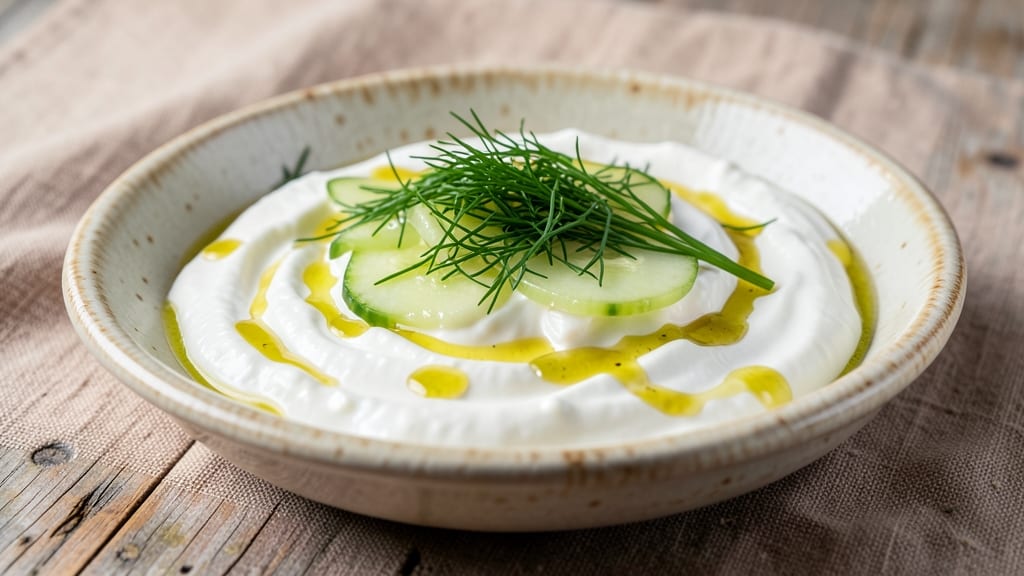
This authentic tzatziki sauce recipe transforms simple ingredients into the creamy, herby condiment that elevates gyros to restaurant-quality perfection. The balance of tangy yogurt, crisp cucumber, and fresh dill creates that signature Greek flavor—bright, cool, and impossible to resist.
I've perfected this version over years of testing, ensuring the texture stays silky smooth without separating.
The secret lies in proper straining and a touch of olive oil to bind everything together. Traditional recipes call for thick Greek yogurt, grated cucumber, minced garlic, and lemon juice—no shortcuts here.
The sauce needs time to marry flavors, which is why I recommend letting it rest for at least 30 minutes before serving. This patience ensures maximum freshness and depth.
What you'll end up with is a velvety sauce that's perfectly balanced—creamy yet refreshing, with just the right amount of garlic zing and dill brightness. It's the kind of condiment that makes every bite of gyros, pita, or grilled vegetables taste like a Mediterranean vacation.
The best part? It keeps beautifully in the fridge for up to 5 days, so you can make a batch ahead.
Whether you're serving up a Greek feast or simply craving that classic flavor, this tzatziki delivers the authentic taste that pairs perfectly with warm pita and juicy meats. Let's get started on creating the perfect dip for your next meal.
Ingredients for authentic tzatziki sauce recipe for gyros
Eight simple ingredients create the creamy, herby tzatziki that turns gyros into a Mediterranean masterpiece.
| Ingredient | Amount | Notes |
|---|---|---|
| Thick Plain Greek Yogurt 🧀 | 2 cups | Non-fat or full-fat, strained overnight |
| Persian Cucumber 🥒 | 1 whole | Unpeeled, seeds removed, grated |
| Fresh Dill 🌿 | ½ cup | Finely chopped, stems removed |
| Extra-Virgin Olive Oil 🫒 | ¼ cup | High quality, fruity variety |
| Garlic Cloves 🧄 | 2 cloves | Minced, not powdered |
| Lemon Juice 🍋 | 2 tbsp | Freshly squeezed |
| Diamond Crystal Kosher Salt 🧂 | ½ tsp | Fine grain preferred |
| Ground Black Pepper 🌶️ | ¼ tsp | Freshly ground preferred |
The Greek yogurt is non-negotiable—Fage or Chobani are my go-tos, but any thick, plain variety works. For extra authenticity, strain it overnight in a cheesecloth-lined colander. The Persian cucumber (aka hothouse cucumber) has fewer seeds and milder flavor, but regular cucumbers work in a pinch if you remove the seeds. Fresh dill is a must—dried won't cut it—and the best way to get it is from a Greek market or the fresh herb section at Whole Foods. If you can't find Persian cucumbers, regular cucumbers with seeds scooped out and skin left on will give you that signature texture.
No extra-virgin olive oil? Light olive oil works, but you'll miss that fruity depth. Garlic powder won't give you the same punch as fresh minced garlic—trust me on this. Short on dill? Fresh parsley at half the amount adds brightness, though it won't be traditional. The lemon juice can be bottled, but fresh is always better. For a tangier sauce, add an extra tablespoon. The salt and pepper are simple but crucial—Diamond Crystal kosher salt dissolves perfectly and doesn't overpower. If you're feeling adventurous, add a pinch of ground mint for an extra layer of flavor.
This sauce keeps beautifully in an airtight container for 5 days in the fridge. The longer it sits, the more the flavors meld together—trust the process. For a restaurant-quality texture, strain it again through a fine-mesh sieve before serving. Portion into small containers if you're making it ahead for a party. The olive oil on top helps preserve freshness, so add a thin layer before sealing. Freezes for 1 month if you need to prep ahead, though the texture might get slightly grainier after thawing.
Why You'll Love This Recipe
- No-Chop Needed: I’ll be real—this sauce only needs you to peel and grate the cucumber (no dicing, no fuss). The rest? Just stir. Honestly, I’ve made it while scrolling through my phone.
- Garlic-Dill Magic: That first taste of fresh dill and minced garlic in tangy yogurt? It’s the kind of flavor that makes you pause mid-bite. The olive oil finish takes it from good to “why didn’t I think of this sooner?”
- Gyros Day Every Day: Slather it on pita, toss it with grilled veggies, or serve it as a dip—it’s my go-to for lazy summer nights. Between us, it’s the secret weapon that turns a simple meal into a restaurant-worthy spread.
- Keeps Like a Champ: Make a double batch and store it in the fridge for up to five days. No weird texture changes, no sad leftovers—just creamy, cool perfection waiting for your next meal. My lunchbox’s new best friend.
Step-by-step instructions for authentic tzatziki sauce
Here's how to craft the perfect balance of creamy, tangy, and herby flavors that define this Greek classic.
Prepare the Cucumber Base
Start by peeling the whole Persian cucumber lengthwise, then slice it in half lengthwise as well. Scoop out the seeds using a spoon—this prevents the sauce from becoming watery. Grate the cucumber using a box grater or food processor, then transfer it to a clean kitchen towel or cheesecloth.
Gather the grated cucumber into the towel and squeeze out every last drop of moisture. This step is crucial—tzatziki should be thick and creamy, not thin and watery. Discard the liquid and set the cucumber aside. I like to work quickly here because cucumbers release more moisture as they sit.
Combine Yogurt and Aromatics
In a medium mixing bowl, combine the 2 cups of thick plain Greek yogurt with the grated cucumber. Use a wooden spoon to gently fold everything together until smooth. The yogurt should be fully incorporated, but don't overmix—you want to preserve some texture.
Next, add the minced 2 cloves of garlic and the 2 tablespoons of freshly squeezed lemon juice. Stir well to distribute the flavors evenly. The lemon juice will brighten the yogurt while balancing the richness. If you're using full-fat yogurt, you'll notice it's already quite thick, which is perfect for tzatziki's creamy texture.
Incorporate Herbs and Seasonings
Add the 0.5 cup of finely chopped fresh dill to the yogurt mixture. The dill is the heart of tzatziki's flavor—it should be bright and slightly peppery. Stir gently to avoid crushing the herb leaves, which can make the sauce bitter. Next, add the 0.25 cup of extra-virgin olive oil in a slow stream while stirring continuously.
Season with the 0.5 teaspoon of Diamond Crystal kosher salt and 0.25 teaspoon of freshly ground black pepper. Taste the mixture and adjust the seasoning if needed—tzatziki should be tangy, herby, and slightly salty. The olive oil should be fully emulsified, giving the sauce a silky, velvety finish. If it looks too thick, add 1 teaspoon of water at a time until it reaches your desired consistency.
Chill and Rest for Maximum Flavor
Cover the bowl with plastic wrap and refrigerate the tzatziki for at least 2 hours, or up to 24 hours. This chilling time allows the flavors to meld and the sauce to thicken further. The longer it rests, the more pronounced the dill and garlic flavors become.
Before serving, give the tzatziki a quick stir to redistribute any settled ingredients. The sauce should be thick, creamy, and vibrant in color—bright green from the dill and pale yellow from the yogurt. If you're using it for gyros, serve it chilled alongside warm pita bread, grilled meats, and fresh vegetables for an authentic Greek experience.
Pro Tips For Making Authentic Tzatziki Sauce Recipe For Gyros
- Drain the Cucumber Properly: Skip the paper towel—salt the grated cucumber (1 tsp per cup) and let it sit in a colander for 15 minutes. I learned this the hard way: soggy tzatziki ruins the texture, and squeezing it dry by hand never works as well as letting the salt draw out the moisture naturally.
- Use Cold Yogurt: Chill your Greek yogurt in the fridge for at least 30 minutes before mixing. Warm yogurt thins out the sauce, and you’ll end up with something closer to a dip than a creamy, thick spread—trust me, your gyros deserve the right consistency.
- Pulse the Garlic: Mince the garlic finely, but don’t overdo it—just 2-3 cloves, pulsed 3-4 times in a food processor. Whole cloves taste harsh, but blending them into a paste can turn your tzatziki bitter. A quick pulse keeps it smooth without overpowering.
- Balance the Dill: Start with 2 tablespoons of chopped dill, then taste before adding more. Fresh dill can dominate if you’re not careful, and you’ll end up with a herb-forward sauce instead of the bright, clean flavor that pairs perfectly with gyros. Adjust to taste—this isn’t a competition.
Wine and beer pairings for this recipe
White Wine Pairings
For tzatziki's bright, herby flavors, I reach for crisp Assyrtiko from Greece—its citrusy acidity and mineral notes cut through the richness perfectly. A chilled Santorini Assyrtiko (like Gaia Wines) mirrors the sauce's lemon and dill essence.
If you prefer something lighter, Pinot Grigio from Alto Adige offers a clean, refreshing contrast. Avoid heavy whites like Chardonnay—they'll overpower the delicate yogurt base. 🍷
Rosé Wine Options
Greek rosé is a natural match for tzatziki, especially Nafsika from Santorini. Its pale hue and subtle floral notes complement the dill without competing. For a bolder option, try a Provençal rosé like Whispering Angel—its strawberry undertones pair beautifully with the cucumber's freshness.
Serve slightly chilled to enhance the sauce's cooling effect. I love this combo for summer gatherings.
Beer Pairings
A crisp Greek lager like Fix or Mythos cleanses the palate between bites of gyros. The light maltiness balances tzatziki's tang without overpowering it. For craft beer lovers, a Belgian witbier (like Hoegaarden) adds a citrusy lift that echoes the lemon in the sauce.
Avoid heavy IPAs—they'll clash with the yogurt's creaminess. 🍺
Non-Alcoholic Options
For a refreshing non-alcoholic match, try sparkling water with a splash of lemon juice and a few dill sprigs. The bubbles mimic wine's cleansing effect, while the lemon enhances the sauce's brightness.
For something more substantial, cucumber-mint infused water (muddled cucumber + mint leaves in cold water) mirrors the tzatziki's herbal profile. I keep this on hand for health-conscious guests.
Serving Temperature
Always serve your wine or beer chilled—around 45-50°F for whites and rosé, 40-45°F for lagers. The cool temperature enhances the tzatziki's refreshing qualities and prevents the sauce from tasting flat.
I like to place my wine bottle in the fridge for 30 minutes before serving to achieve the perfect balance. Never serve beer straight from the fridge—let it sit for 10 minutes first to preserve its crispness. ✨
Nutrition facts
Frequently asked questions
Can I use regular cucumbers instead of Persian cucumbers?
Yes, but you'll need to remove all seeds and some skin to avoid wateriness. Regular cucumbers contain more liquid, so squeeze them extra well in cheesecloth. For best results, choose firm, seedless varieties like English cucumbers.
Why does my tzatziki separate after mixing?
This usually happens when the yogurt isn't thick enough or the cucumber wasn't drained properly. For a silky texture, use strained yogurt and squeeze cucumbers thoroughly. Add 1 tablespoon of olive oil to help bind the mixture.
How can I make tzatziki less tangy?
Reduce the lemon juice to 1 tablespoon or omit it completely. For extra creaminess, add 1 tablespoon of plain yogurt. If the tang remains too strong, balance it with a pinch more salt to enhance the flavors.
Can I substitute dill with another herb?
Fresh parsley works in a pinch, but it won't be traditional. For a closer match, use ½ cup parsley + ¼ cup mint. The dill's anise-like flavor is unique—no substitute perfectly replicates it, but these herbs add brightness.
How long can I store homemade tzatziki?
Keep it in an airtight container in the fridge for 5 days at most. For longer storage, freeze for 1 month, though texture may change slightly after thawing. Always use clean utensils to avoid contamination.