
Sauces & Condiments
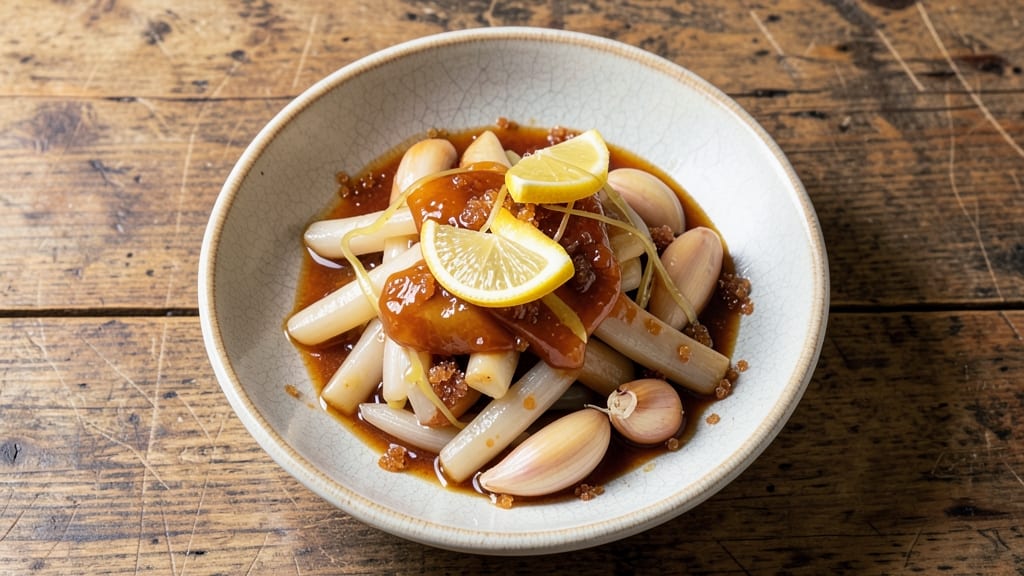
This bamboo sauce recipe transforms simple grilled meats and stir-fries into restaurant-quality dishes with its smoky-sweet, umami-rich profile. Fermented bamboo shoots—common in Asian cuisine—form the base, delivering a tangy depth that pairs perfectly with soy sauce, garlic, and chili.
The sauce’s versatility makes it ideal for glazing meats, dipping dumplings, or tossing with noodles, all while adding complexity to any dish.
The secret lies in balancing sweetness and heat—caramelized from a touch of brown sugar and brightened with rice vinegar. A quick simmer reduces the sauce to a sticky, glossy consistency that clings beautifully to proteins or vegetables.
Unlike store-bought glazes, this homemade version delivers layers of flavor that elevate even the simplest meal, making it a game-changer for weeknight cooking.
What you’ll end up with is a savory-sweet sauce with a subtle smokiness that enhances grilled chicken, pork, or tofu. The fermented bamboo adds a tangy edge, while garlic and ginger provide aromatic warmth.
It’s foolproof to make, requiring just 15 minutes of active time, and stores well in the fridge for up to 2 weeks, so you can batch-prep for multiple meals.
Use it as a glaze for skewers, a dipping sauce for spring rolls, or a stir-fry finish—its adaptability makes it a must-have in any kitchen. The key is patience during reduction, ensuring the flavors meld into a cohesive, boldly flavorful sauce that turns ordinary dishes into standout meals.
Ingredients for bamboo sauce
Nine ingredients, one game-changing sauce for grilled meats and stir-fries.
| Ingredient | Amount | Notes |
|---|---|---|
| Fermented Bamboo Shoots 🌿 | 1 cup | Packed, drained and rinsed |
| Soy Sauce 🥢 | ½ cup | Light or dark preferred |
| Brown Sugar 🍚 | ¼ cup | Packed firmly |
| Rice Vinegar 🍶 | 2 tbsp | White or seasoned |
| Garlic Cloves 🧄 | 4 cloves | Minced or finely chopped |
| Fresh Ginger 🌿 | 1 tbsp | Grated finely (about 1-inch piece) |
| Red Chili Flakes 🌶️ | 1 tbsp | Adjust for heat preference |
| Sesame Oil 🫒 | 1 tbsp | Toasted for aroma |
| Green Onions 🧅 | 2 whole | Thinly sliced, for garnish |
| Water 💧 | ¼ cup | For thinning if needed |
Fermented bamboo shoots are the star here—Asian markets carry them in jars or cans, but Trader Joe's often stocks them too. Look for vibrant, tangy flavor, not bland or watery. The ginger should smell fresh and zesty; if it's musty, grab a new piece. For soy sauce, Japanese or Chinese brands like Kikkoman or Lee Kum Kee add depth—avoid the light, salty American versions. Brown sugar should be packed firmly in the cup, not scooped loosely. The sesame oil? Toasted is key—heat it gently in a pan for 30 seconds to wake up those nutty flavors.
No fermented bamboo? Substitute with a mix of rice vinegar and a splash of fish sauce (if not vegetarian) for umami. Short on brown sugar? Maple syrup or agave works in a pinch, though the caramelization won't be identical. Chili flakes too spicy? Swap for a pinch of cayenne or reduce by half. The green onions are purely for garnish, but if you're out, cilantro or scallions add a similar freshness. Pro tip: if your sauce thickens too much, water or a splash of vinegar thins it out beautifully—it should coat the back of a spoon but still glide smoothly.
This sauce keeps for 2 weeks in the fridge, sealed tightly. The flavors actually deepen over time, so make extra. For longer storage, freeze in ice cube trays—thaw and reheat as needed. If it separates, just stir vigorously or give it a quick pulse in the blender. Use it within 3 months frozen for best quality. The sesame oil separates too? That's normal—just stir before using. Garnish with extra green onions or a drizzle of sesame oil right before serving for maximum impact.
Why You'll Love This Recipe
- Pantry Magic: I swear by this sauce when I forget to meal prep—just toss fermented bamboo shoots, a splash of rice vinegar, and a pinch of brown sugar into a pan. No fancy ingredients, just bold flavor in 10 minutes.
- Umami Bomb: The fermented bamboo shoots pack a punch—like a tangy, funky cousin to soy sauce. Honestly, that garlic-sugar caramelization at the end? It’s what makes this sauce dangerously addictive.
- Dip or Glaze: Slather it on dumplings, drizzle over grilled chicken, or toss with noodles—it’s my secret weapon for turning simple meals into something special. (Yes, even on a Tuesday night.)
- Budget Stretch: A jar of fermented bamboo shoots lasts forever, and this sauce costs pennies to make. I double the batch, store it in the fridge, and use it all week without breaking the bank.
Step-by-step instructions for bamboo sauce recipe
Here's how to craft this versatile glaze with layers of umami and sweetness.
Prepare the Fermented Bamboo Shoots
Start by thoroughly rinsing the 1 cup packed fermented bamboo shoots under cold water to remove any excess salt or sediment. I like to give them a good soak for 5 minutes in a bowl of fresh water, then drain completely. The shoots should be plump and slightly crunchy—this texture will form the base of your sauce.
Once drained, transfer the bamboo shoots to a food processor or blender. Pulse them in 3-4 batches until you achieve a coarse, chunky puree. Don't over-blend—you want visible texture, not a smooth paste. This chunkiness adds depth to the sauce and prevents it from becoming too thick. Set the puree aside in a medium saucepan.
Sauté Aromatics for Depth of Flavor
In the same saucepan (no need to clean it—the residual moisture helps), add 1 tablespoon sesame oil over medium heat. Once the oil shimmers, add the 4 minced garlic cloves and 1 tablespoon finely grated fresh ginger. Sauté for 1-2 minutes until the aromatics are fragrant but not browned—this prevents bitterness and preserves their bright flavors.
Here's where it gets good: stir in the 1 tablespoon red chili flakes and cook for another 30 seconds just until you can smell the heat building. Be careful not to let them burn, as this will make the sauce bitter. The chili flakes should be evenly distributed but still visible—this ensures balanced heat throughout the sauce.
Build the Sauce Foundation
Pour in the 0.5 cup soy sauce and 2 tablespoons rice vinegar, stirring constantly to combine. The mixture will bubble slightly as the vinegar reacts with the hot pan. Let it simmer for 2-3 minutes until the liquid reduces by about 20%—you'll see the sauce thicken noticeably and darken in color.
Now add the 0.25 cup packed brown sugar and the bamboo shoot puree. Stir well to incorporate everything, then bring the mixture to a gentle boil. Reduce heat to medium-low and let it simmer uncovered for 8-10 minutes, stirring occasionally. You're looking for a sauce that coats the back of a spoon with a glossy sheen and has slightly thickened consistency.
Finish and Adjust the Texture
Taste the sauce at this point—it should be tangy, slightly sweet, and packed with umami from the bamboo shoots. If it's too thick, add 1-2 tablespoons of the 0.25 cup water at a time until you reach your desired consistency. For a glossier finish, stir in the remaining 1 tablespoon sesame oil—this also adds a nutty aroma that complements the other flavors.
Keep the sauce warm (but not boiling) for 5-10 minutes to let the flavors meld completely. The final product should have a beautiful mahogany color with visible bamboo shoot chunks throughout. If you prefer a smoother texture, you can strain it through a fine-mesh sieve, but I like the rustic texture for serving over grilled meats.
Garnish and Serve
Transfer the warm sauce to a serving bowl and let it cool slightly. Just before serving, stir in the 2 thinly sliced green onions for a fresh, bright finish. The contrast of their crisp texture against the rich sauce is what makes this glaze truly special.
This sauce keeps well in the refrigerator for up to 5 days in an airtight container. For best results, reheat gently over low heat, stirring occasionally, until warmed through. It's perfect for drizzling over grilled chicken, pork, or beef, or as a dipping sauce for spring rolls and dumplings. The balance of sweet, salty, and spicy makes it incredibly versatile!
Pro Tips For Making Bamboo Sauce
- SOAK THE SHOOTS FIRST: I learned this the hard way—fermented bamboo shoots hold onto grit like it’s their job. Give them a 10-minute soak in warm water before chopping, then drain and rinse. The sauce will taste cleaner, and you’ll spend less time spitting out texture surprises.
- SWEAT THE GARLIC LOW: After burning three batches, I finally figured out garlic belongs in the pan before the soy sauce. Sauté minced cloves in a dry pan over medium-low for 2 minutes until fragrant but not brown—just enough to wake up the flavor without turning bitter. Add the sauce after, or you’ll end up with burnt bits instead of depth.
- BALANCE THE SWEET-SOUR: Brown sugar and rice vinegar are the yin and yang of this sauce, but I used to eyeball it and regret it. For every 2 tablespoons of soy sauce, use 1 tablespoon of vinegar and 1 tablespoon of sugar. Taste as you go—if it’s cloying, add a splash more vinegar; if it’s sharp, stir in a pinch of sugar. (Yes, even if you’re impatient like me.)
- SKIP THE BOILING: This isn’t the prettiest method, but it’s the tastiest: simmer the sauce on the stovetop until it reduces by half, then finish it in the microwave for 2-3 minutes. The heat’s gentler, and you’ll avoid the risk of scorching the sugar or overpowering the fermented tang. (Your future self will thank you.)
Wine and beer pairings for this recipe
Vietnamese-Inspired Pairings
The tangy, umami-rich profile of bamboo sauce makes it a perfect match for classic Vietnamese dishes. Try it as a glaze for grilled pork skewers (thịt nướng) or drizzled over phở noodles for an extra layer of depth.
I love using it as a dipping sauce for spring rolls (gỏi cuốn)—the balance of sweet, salty, and spicy cuts through the delicate rice paper beautifully. 🌶️
Japanese Umami Boost
For a fusion twist, pair this sauce with Japanese-style grilled meats like yakitori or teriyaki chicken. The fermented bamboo adds a unique depth that complements the soy-based marinades. I’ve also used it as a glaze for miso-glazed salmon, where the sweetness enhances the richness of the fish.
The chili flakes add a welcome kick that balances the umami.
Chinese Stir-Fry Elevator
This sauce transforms simple stir-fries into restaurant-quality meals. Toss it with garlic shrimp or beef and broccoli for a sticky, flavorful finish. The brown sugar caramelizes beautifully during stir-frying, creating a glossy coating that clings to every bite.
I often add a splash of the sauce to dumpling wrappers before folding for extra flavor in every bite.
Wine Pairings
A crisp Sauvignon Blanc from New Zealand cuts through the sauce’s richness with its citrusy acidity. For red wine lovers, a Pinot Noir from Oregon complements the umami without overpowering it. The light body of these wines ensures they don’t compete with the sauce’s bold flavors. 🍷
Beer Pairings
For beer drinkers, a light lager like Asahi or a wheat beer like Blue Moon balances the sauce’s sweetness and spice. The effervescence cleanses your palate between bites of grilled meats or dumplings.
If you prefer something bolder, a light IPA with citrus notes works surprisingly well, especially with spicy dishes. 🍺
Non-Alcoholic Options
For a refreshing non-alcoholic pairing, try sparkling yuzu soda—its citrusy bubbles complement the sauce’s tangy-sweet profile. Alternatively, a cucumber-mint infused water with a squeeze of lime refreshes the palate between bites. The cool, crisp flavors contrast perfectly with the warm, rich sauce.
Nutrition facts
Frequently asked questions
Can I substitute fermented bamboo shoots in this recipe?
Yes, but the flavor will change. For umami depth, use 1/4 cup fish sauce (if not vegetarian) plus 1 tablespoon rice vinegar. For a vegetarian option, try 1/4 cup soy sauce + 1 tablespoon mushroom powder or 1 tablespoon miso paste. The texture will be smoother, but the tangy fermented flavor will be missing.
How do I adjust the spice level in this sauce?
Start with 1/2 tablespoon chili flakes for mild heat, or reduce to 1/4 tablespoon if sensitive to spice. For extra kick, add 1/2 teaspoon cayenne pepper or 1/4 teaspoon crushed red pepper flakes with the other aromatics. Always taste as you go—you can add more heat later, but you can't remove it!
Can I make this sauce without a food processor?
Finely chop the fermented bamboo shoots with a sharp knife until you get a coarse texture. For even smaller pieces, pulse them in batches with a mortar and pestle. The sauce will be slightly chunkier, but the flavors will still shine. Just be sure to taste and adjust sweetness/spice to compensate for the less-refined texture.
How can I use this sauce beyond grilling?
This versatile sauce works as a dipping sauce for dumplings, spring rolls, or fries. Stir it into stir-fries at the end for a glossy finish, or use it as a marinade for tofu or chicken (reduce it first to 1/2 cup for better penetration). Try it as a glaze for roasted vegetables like eggplant or bell peppers too!
Why did my sauce turn out too thick?
This happens when the sauce reduces too much or the bamboo shoots release excess liquid. Thin it with 1-2 tablespoons water or rice vinegar, stirring constantly. For a smoother texture, strain through a fine-mesh sieve. To prevent this next time, simmer uncovered and stir more frequently. The ideal consistency coats the back of a spoon but still drizzles easily.