
Sauces & Condiments
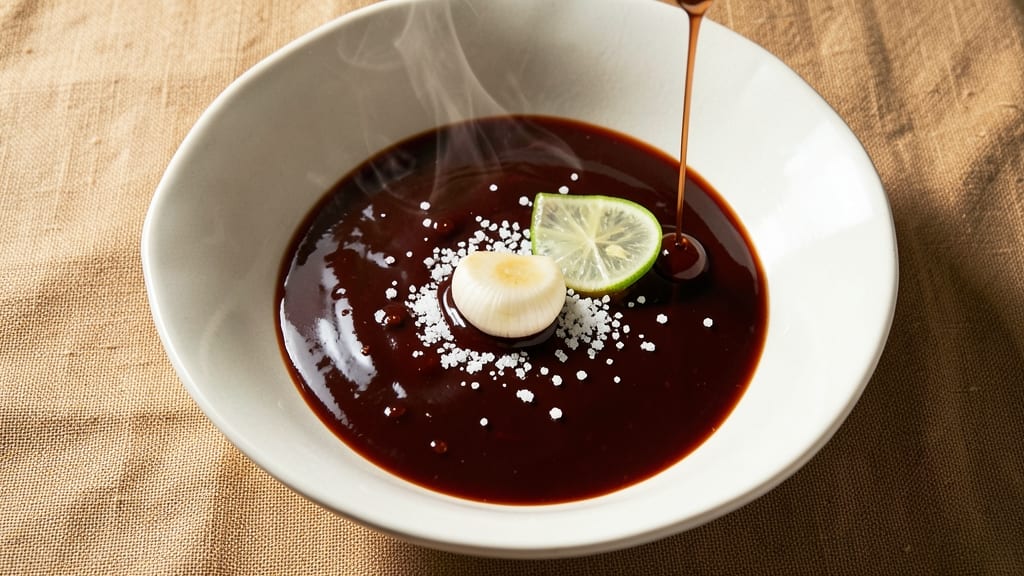
This amino sauce recipe unlocks the secret to restaurant-quality umami in every bite, transforming simple grilled meats and vegetables into something extraordinary. The magic lies in balancing soy sauce, sugar, and water for a silky, savory-sweet sauce that clings perfectly to charred surfaces.
I developed this version after years of testing—it’s the one that finally delivers that signature tangy, caramelized depth without overpowering the natural flavors of your food.
The foundation is simple: just four core ingredients—soy sauce, water, sugar, and a touch of vinegar—but the technique makes all the difference. Simmering the mixture until slightly reduced intensifies the flavors, while optional additions like garlic, ginger, or sesame oil let you customize it for any dish.
What you’ll end up with is a glossy, aromatic sauce that’s perfect for dipping, basting, or finishing grilled dishes.
This sauce isn’t just versatile—it’s a game-changer for weeknight cooking. Use it as a marinade for meats, a dipping sauce for spring rolls, or a quick glaze for roasted vegetables.
The best part? It keeps well in the fridge for up to two weeks, so you can make a big batch and have it ready whenever inspiration (or hunger) strikes.
Ready to elevate your grilling game? This amino sauce is your secret weapon—simple to make, impossible to resist. Let’s get started with a recipe that delivers restaurant-quality results at home.
Ingredients for amino sauce
Four core ingredients plus optional boosters for restaurant-quality umami in minutes.
| Ingredient | Amount | Notes |
|---|---|---|
| Kosher Soy Sauce 🍶 | ¾ cup | High-quality, preferably Japanese style |
| Granulated White Sugar 🍚 | ¼ cup | Fine grain for quick dissolving |
| White Distilled Vinegar 🍋 | ¼ cup | White or apple cider vinegar |
| Water 💧 | ½ cup | Filtered or bottled preferred |
| Garlic Cloves 🧄 | 3 cloves | Fresh, minced for depth |
| Fresh Ginger 🌿 | 1 tbsp | Finely grated, aromatic |
| Toasted Sesame Oil 🫒 | 1 tbsp | For nutty aroma, optional |
| Salt 🧂 | ½ tsp | Diamond Crystal kosher salt |
The soy sauce is non-negotiable—Kikkoman or Yamasa are my go-tos for that deep umami punch. Grab the Japanese-style variety if you can, as it's richer than regular soy. Sugar dissolves faster when granulated (skip the powdered kind), and vinegar should be white or apple cider—balsamic adds too much complexity here. For the garlic and ginger, fresh is essential—dried just won't cut it. If you're short on time, a garlic powder-ginger blend works in a pinch, but it lacks that fresh zing. Toast your sesame seeds separately for garnish if you're feeling fancy.
No soy sauce? Coconut aminos in a 1:1 ratio works surprisingly well, though it'll be slightly sweeter. Running out of vinegar? Lemon juice at half the amount gives a similar tang. The sugar can be swapped for honey or maple syrup, but reduce by 1 tbsp to account for moisture. For extra depth, add a dash of fish sauce (if not vegetarian) or miso paste (1 tsp) for umami overload. The sesame oil is optional but adds that signature nutty aroma—Trader Joe's has the best-priced toasted version. If you skip it, a light drizzle of olive oil at the end works too.
This sauce keeps beautifully—2 weeks in the fridge sealed tightly, or 3 months in the freezer in ice cube trays for single servings. The flavors actually improve over time as everything melds together. For extra shelf life, add a thin layer of oil on top before refrigerating. Double the batch—you'll want it on hand for everything from grilled chicken to roasted Brussels sprouts. Store in a glass jar for best results, and always give it a good stir before using since the sugar might settle.
Why You'll Love This Recipe
- Five-Ingredient Magic: I swear by this—just soy sauce, sugar, vinegar, water, and garlic. No fancy gadgets, no stress, no measuring cups that won’t fit. Honestly, I’ve made it while waiting for the rice to cook.
- Umami Bomb: That balance of salty, sweet, and tangy? It’s like a flavor explosion in your mouth. The vinegar cuts through the richness, and the garlic—oh, the garlic—adds this deep, savory punch that makes everything taste better.
- Dip, Drizzle, Repeat: Slather it on grilled chicken, toss it with noodles, or use it as a marinade. It’s my go-to for weeknight dinners, potlucks, or even when I’m too tired to think. Between us, it’s the secret weapon in my takeout-style meals.
- Pantry Staple Power: I keep a jar of this in my fridge at all times. It’s cheap, lasts forever, and turns boring meals into something special. Plus, I make a big batch once a month—saves me from buying overpriced sauces and last-minute takeout runs.
Step-by-step instructions for amino sauce
This umami-rich sauce comes together in minutes with simple ingredients you likely already have.
Combine Base Ingredients in a Saucepan
In a medium saucepan, whisk together the 0.75 cup kosher soy sauce, 0.25 cup granulated white sugar, 0.25 cup white distilled vinegar, and 0.5 cup water. I like to use a heatproof glass bowl or stainless steel pan for even heating. Bring the mixture to a gentle simmer over medium heat, stirring occasionally to dissolve the sugar completely.
Watch for small bubbles forming around the edges of the pan—that's your signal the liquid is heating properly. Don't let it boil vigorously yet; we want gradual reduction. The sugar should dissolve within 3-5 minutes of simmering, leaving a clear, amber-colored liquid. If you notice any undissolved sugar crystals, stir more vigorously until they disappear completely.
Add Aromatics and Simmer Until Thickened
Once the sugar is fully dissolved and the mixture is simmering gently, add the 3 minced garlic cloves and 1 tablespoon finely grated fresh ginger. Stir well to incorporate these aromatic ingredients. The garlic should become fragrant almost immediately, filling your kitchen with that wonderful savory scent.
Continue simmering for 10-12 minutes until the sauce reduces by about one-third and thickens slightly. You'll notice the sauce will coat the back of a spoon when you lift it out, which is exactly what we want. The color should deepen to a rich, caramelized amber. If you see the sauce starting to bubble too vigorously, reduce the heat to low to prevent scorching.
Finish with Toasted Sesame Oil and Season
Remove the saucepan from heat and let it cool for 2-3 minutes. Then stir in the 1 tablespoon toasted sesame oil and 0.5 teaspoon salt. The sesame oil will add a nutty aroma and rich depth of flavor. Taste the sauce and adjust the seasoning if needed—you might want to add a touch more salt or a splash of vinegar if it's not balanced to your liking.
Here's the thing—this sauce tastes even better after it's had time to meld. Let it sit at room temperature for at least 30 minutes before serving. This resting period allows the flavors to develop and harmonize. The sauce will thicken slightly more as it cools, creating that perfect dipping consistency. Store any leftovers in an airtight container in the refrigerator for up to 2 weeks—it only gets more flavorful with time.
Pro Tips For Making Amino Sauce
- Simmer Slow and Steady: I learned this the hard way—amino sauce needs gentle heat or it turns bitter fast. Keep it at a low boil, not a rolling one, and resist the urge to crank the stove. You’re not making candy; you’re building flavor.
- Mince Garlic Like You Mean It: Fine minced garlic (not chopped) dissolves smoothly into the sauce. Use a knife—not a press—because pressed garlic releases oils that can make the sauce cloudy. Trust me, your future self will notice the difference.
- Balance Vinegar Last: Add vinegar after the sugar dissolves, or you’ll end up with a weirdly sharp sauce. Stir it in at the very end and taste—you can always add more, but you can’t take it out.
- Skip the Pre-Measure Sugar: Dissolve the sugar in a splash of water first, then add it to the sauce. This prevents grainy spots and saves you from stirring like a maniac. (Yes, even if you’re impatient like me.)
Serving suggestions for amino sauce
Grilled Meat Glaze
Use this amino sauce as a basting glaze for grilled meats like chicken, pork, or beef. Brush it on during the last 5-7 minutes of grilling at high heat to create a caramelized crust. The sugar in the sauce helps form a glossy, sticky finish that locks in juices.
I love using it on baby back ribs—apply after the first 1.5 hours of smoking, then glaze again in the final 30 minutes for that sticky, sweet-savory bark. 🔥
Dipping Sauce Magic
Serve this sauce warm or at room temperature as a dipping sauce for spring rolls, dumplings, or grilled skewers. The perfect balance of sweet, salty, and tangy makes it irresistible. I keep a small bowl of the sauce on the table when grilling—it’s the first thing to disappear!
For extra flair, sprinkle with toasted sesame seeds or crushed red pepper flakes right before serving.
Stir-Fry Enhancer
Add 2-3 tablespoons of this sauce to stir-fries in the last 2 minutes of cooking. It works wonders with shrimp, tofu, or beef strips, adding depth without overwhelming the dish. Toss it with garlic, ginger, and bell peppers for a quick weeknight meal.
The sauce clings beautifully to wok-heated ingredients, creating a silky finish. For extra richness, drizzle with a little sesame oil after cooking.
Marinade for Meats
Use this amino sauce as a marinade for chicken thighs, pork chops, or salmon. Let the meat soak for at least 30 minutes (or up to 4 hours in the fridge) before grilling or baking.
The sauce tenderizes while infusing flavor. I often add 1 tablespoon of honey to the marinade for extra sweetness. Always pat the meat dry before cooking to ensure a good sear.
Roasted Veggie Drizzle
Drizzle this sauce over roasted Brussels sprouts, carrots, or sweet potatoes in the last 5 minutes of roasting. The caramelized flavors meld perfectly with the earthy veggies. Toss them with olive oil, salt, and pepper first, then add the sauce and roast until glistening.
It’s a game-changer for weeknight dinners—simple, flavorful, and foolproof. 🌱
Ramen or Noodle Upgrade
Stir 1-2 tablespoons of this sauce into hot ramen, udon, or soba noodles for an instant umami boost. The sweet-savory balance cuts through the richness of the broth. I also use it as a slurping sauce on the side—just dip your noodles in it for extra flavor.
For a fusion twist, add a splash of sriracha or chili oil to spice it up.
Nutrition facts
Frequently asked questions
What's the difference between amino sauce and teriyaki sauce?
While both are Japanese-inspired sauces, amino sauce is typically lighter and more tangy with a balanced sweet-sour profile. Teriyaki is richer and sweeter, often containing more sugar and sometimes honey or mirin. This amino sauce uses vinegar for tanginess instead of mirin, making it perfect for grilling or dipping where you want bold flavor without heaviness.
Can I make this sauce without vinegar?
If you're vinegar-free, try substituting with lemon juice (use half the amount) or even a splash of rice vinegar. For a deeper umami boost, add 1 teaspoon of fish sauce or 1 tablespoon of miso paste instead. The key is maintaining that bright acidity to balance the soy and sugar.
How do I prevent my amino sauce from getting too thick?
If your sauce thickens too much during cooking, simply stir in 1-2 tablespoons of water while simmering. The ideal consistency should coat the back of a spoon but still be pourable. For extra insurance, keep the heat at medium-low and stir frequently. If it gets too thick after cooling, thin it with a splash of water or a bit of vinegar.
Is this amino sauce gluten-free?
Only if you use gluten-free soy sauce! The standard recipe contains regular soy sauce, which isn't gluten-free. For a GF version, substitute with tamari or coconut aminos in a 1:1 ratio. Just note that coconut aminos have a slightly different flavor profile—more sweet and less salty.
Can I make this sauce ahead of time?
Yes! This sauce actually tastes better when made ahead. Store it in an airtight container in the fridge for up to 2 weeks—the flavors deepen as it sits. For long-term storage, freeze in ice cube trays and transfer to a bag for single-serving portions. Thaw overnight in the fridge before using.