
Sauces & Condiments
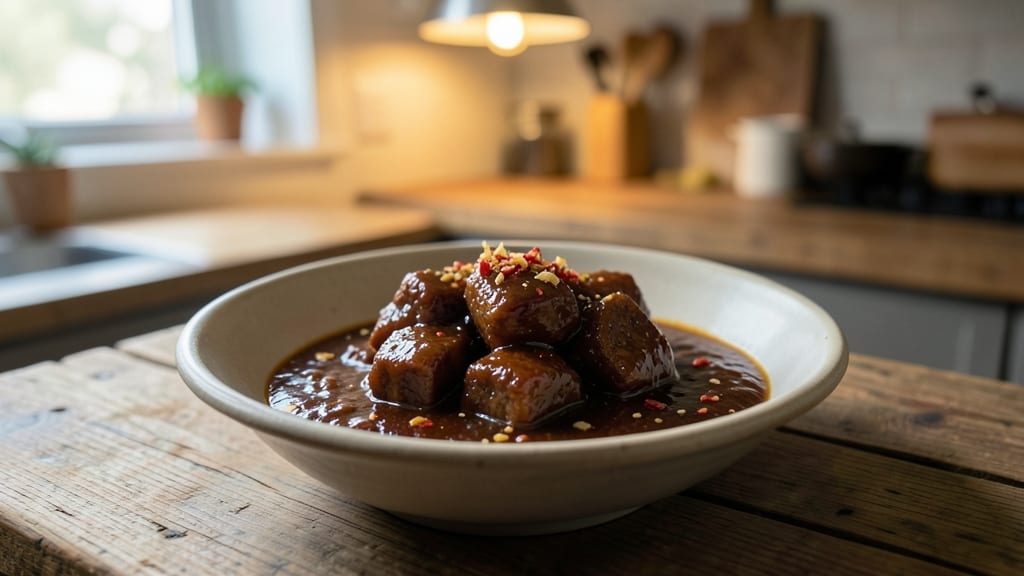
This Asian hoisin sauce recipe transforms simple pantry staples into a rich, sweet-savory sauce that elevates stir-fries, dipping sauces, and glazes. The key lies in fermented soybeans and a balance of caramelized sugar with tangy vinegar, creating depth that store-bought versions can't match.
I developed this version after years of tasting regional variations—it's the perfect fusion of traditional umami and modern adaptability.
The process is straightforward: simmer soybeans, garlic, and spices until fragrant, then blend with vinegar, sugar, and a touch of oil for that signature glossy finish.
What sets this apart is the ability to adjust sweetness and saltiness to your taste, making it versatile for everything from Peking duck to veggie spring rolls. The sauce thickens beautifully when reduced, creating that perfect cling to noodles or meats.
What you'll end up with is a sauce that's sweet yet savory, with a smooth texture and complex flavor profile that's both familiar and exciting. It's the kind of condiment that turns simple dishes into restaurant-worthy meals.
The best part? It keeps well in the fridge for up to 2 weeks, so you can make a big batch and use it all week.
Whether you're glazing ribs, dipping spring rolls, or tossing with stir-fried vegetables, this hoisin sauce delivers authentic flavor with modern convenience. Let's get started on creating your own batch—it's easier than you think!
Ingredients for asian hoisin sauce
Nine bold flavors transform into the perfect sweet-savory Asian hoisin sauce for dipping and glazing.
| Ingredient | Amount | Notes |
|---|---|---|
| Fermented Soybeans (Douchi or Natto) 🌱 | ½ cup | Packed, rinsed if salty |
| Dark Soy Sauce 🥄 | ¼ cup | Kecap manis preferred |
| Garlic Cloves 🧄 | 4 cloves | Peeled, lightly crushed |
| Fresh Ginger 🌿 | 1 tbsp | Finely grated, aromatic |
| White Vinegar 🍶 | ¼ cup | Rice vinegar works too |
| Brown Sugar 🍯 | ¼ cup | Packed, light brown |
| Sesame Oil 🫒 | 1 tbsp | Toasted, for aroma |
| Red Chili Flakes 🌶️ | 1 tsp | Adjust for heat |
| Ground Star Anise 🌟 | ½ tsp | Or 1 whole star anise |
| Water 💧 | ½ cup | For simmering |
Fermented soybeans are the secret weapon here—Asian markets carry douchi in jars, but natto works too. If you can't find them, miso paste at half the amount adds umami depth. The dark soy sauce? Kecap manis from Thai or Indonesian grocery stores has that signature caramelized richness, but regular soy sauce in a pinch won't ruin it. For the ginger and garlic, freshly grated and crushed releases the most flavor—no shortcuts here. I always double-check my spices: if your star anise smells musty, toss it and start fresh.
No fermented soybeans? Double the miso paste or use 1 tbsp of soy sauce plus 1 tsp of molasses for sweetness. Vinegar options are flexible—rice vinegar or apple cider vinegar both work, but white vinegar gives that classic tang. The sesame oil is non-negotiable for aroma, but if you're avoiding it, 1 tsp of toasted sesame seeds sprinkled at the end adds texture. For heat, cayenne powder at half the amount works if you can't find chili flakes. And if your brown sugar has hardened? Pulse it in a food processor to break it up—no need for fancy equipment.
This sauce thickens as it cools, so stir before each use. Keeps in an airtight jar in the fridge for 2 weeks, or freeze for 3 months—just thaw in the fridge overnight. I make a double batch every time: one jar for dipping, another for glazing. The flavor actually improves after 24 hours as everything melds. For extra shine, add 1 tsp of water or oil before blending the final time—trust me on this.
Why You'll Love This Recipe
- Few Ingredients, Big Payoff: I swear by this recipe because it’s that simple—just mash a handful of fermented soybeans, toss in dark soy sauce, and let the garlic and ginger do their magic. No fancy techniques, no last-minute grocery runs. That umami punch from douchi alone makes it worth the effort.
- Umami Bomb in a Jar: Between us, the moment that dark soy sauce hits the simmering ginger? Chef’s kiss. The vinegar brightens it just enough to cut through the richness, while the fermented beans add this deep, funky depth that’s addictive. It’s the kind of sauce you’ll drizzle on everything afterward.
- Weeknight to Dinner Party: This isn’t just a stir-fry sidekick—it’s my go-to for quick weeknight noodles or impressing guests when I’m short on time. A splash over grilled meats, a drizzle on rice bowls, or even a dip for spring rolls. Honestly, I’ve lost track of how many ways I’ve used it.
Step-by-step instructions for crafting authentic Asian hoisin sauce
This rich, aromatic sauce delivers depth and complexity to any dish—let's build it layer by layer.
Prepare the Fermented Soybean Base
In a small bowl, combine the 0.5 cup fermented soybeans (Douchi or Natto) with the 0.5 cup water. Let them soak for 10 minutes while you prepare the remaining ingredients. This step is crucial for extracting their deep umami essence and creating a velvety texture. If using salty Douchi, rinse it briefly to balance the flavor profile.
After soaking, transfer the mixture to a blender or food processor. Blend until completely smooth—this should take about 30 seconds. The resulting paste forms the foundation of our sauce, carrying all those complex fermented flavors. Set it aside; we'll return to it once the aromatics develop.
Develop the Aromatic Foundation
Heat a small saucepan over medium heat and add the 1 tbsp sesame oil. Once shimmering, add the 4 cloves garlic cloves and 1 tbsp fresh ginger. Sauté for 2-3 minutes until the garlic turns golden and the ginger releases its fragrant oils—this is where the sauce's soul begins to take shape.
Next, add the 0.5 tsp ground star anise and 1 tsp red chili flakes. Stir constantly for 1 minute until the star anise blooms with its licorice-like aroma. This spice combination creates the signature complexity of traditional hoisin. Remove from heat immediately to prevent burning—star anise can turn bitter quickly.
Build the Sweet-Savory Balance
Return the pan to medium-low heat and add the blended fermented soybean mixture. Stir in the 0.25 cup dark soy sauce and 0.25 cup white vinegar, allowing everything to simmer gently for 3-4 minutes. The vinegar will help break down the soybeans further while adding brightness.
Now comes the sweet component: Add the 0.25 cup packed brown sugar and stir until completely dissolved. Taste the mixture—you should detect layers of sweetness, umami, and subtle heat. If it needs more depth, add 1-2 tablespoons of water to thin it slightly. The sauce should coat the back of a spoon but remain pourable.
Refine and Finish
Transfer the sauce to a clean saucepan and bring to a gentle simmer over low heat. Let it reduce for 5-7 minutes, stirring occasionally, until it thickens to a glossy consistency. This reduction concentrates the flavors and creates that signature hoisin sheen.
For the final touch, taste and adjust seasoning: Add a pinch more salt if needed, or a dash of vinegar for brightness. The sauce should balance sweet, salty, umami, and just a hint of heat. Let it cool completely before using—this allows all the flavors to meld perfectly. Store in an airtight container in the refrigerator for up to 2 weeks, or freeze for longer storage.
Pro Tips For Making Asian Hoisin Sauce
- STEAM THE DOUCHI FIRST: I learned this the hard way—tossing raw fermented soybeans straight into the pan just makes your sauce bitter. Soak them in 2 cups hot water for 10 minutes to soften, then steam for 5 minutes. This extracts their nutty depth without overpowering the sauce.
- MINCE GINGER LIKE YOU MEAN IT: Skip the grating—hoisin sauce needs fine ginger. Use a sharp knife and chop it into a paste, then press through a mesh strainer. I was skeptical until I tried it: the texture becomes silky, not grainy, and the heat mellows perfectly.
- LOW AND SLOW FOR THE REDUCTION: Cranking the heat to boil off liquid fast turns your sauce into syrup. Simmer on medium-low instead, stirring often, until it thickens to coat the back of a spoon. This takes patience, but rushing leads to a gluey mess instead of a glossy sauce.
- SALT THE VINEGAR: Add a pinch of salt to the white vinegar before mixing it in—this balances the sharpness and rounds out the flavors. I skip this step sometimes, and the sauce always tastes slightly harsh afterward. Trust me, it’s worth the extra second.
Best sauces and condiments for these flavors
Classic Pairings
This hoisin sauce shines as the perfect dipping sauce for Peking duck—its sweet-savory balance cuts through the crispy skin beautifully. I always serve it with warm steamed buns and thinly sliced scallions for that authentic Chinese experience.
For a modern twist, drizzle it over grilled pork belly or use it as a glaze for honey chicken skewers. 🥢
Stir-Fry Glaze
Use this sauce as a marinade for tofu or chicken before stir-frying—it creates a sticky, caramelized crust that's irresistible. Toss it with bell peppers, snap peas, and carrots for a quick veggie stir-fry.
I recommend reducing the sauce by 50% before using it as a glaze to intensify the flavors. For extra richness, add 1 teaspoon of hoisin sauce to your stir-fry halfway through cooking.
Spring Roll Dip
Thin the sauce with 1-2 tablespoons of water to create the perfect dipping sauce for spring rolls or egg rolls. Add a splash of lime juice for brightness and a sprinkle of toasted sesame seeds for texture.
This combo is a crowd-pleaser at parties—guests will ask for the recipe every time. For a spicy kick, mix in ½ teaspoon of sriracha before serving.
BBQ Sauce Twist
Combine this hoisin sauce with ½ cup BBQ sauce and 1 tablespoon of molasses for a fusion glaze that works wonders on ribs or pulled pork. The sweetness of the hoisin complements the smoky depth of BBQ sauce perfectly.
I love using this blend on slow-cooked brisket—it adds a unique Asian-inspired twist to a classic dish. 🔥
Ramen Upgrade
Add 1-2 tablespoons of hoisin sauce to your ramen broth for an instant umami boost. Stir it in during the last 2 minutes of cooking to let the flavors meld.
Pair it with soft-boiled eggs, mushrooms, and green onions for a restaurant-quality bowl. For extra depth, drizzle with chili oil after adding the hoisin.
Marinade Magic
Use this sauce as a marinade for shrimp or chicken before grilling or roasting. The fermented soybeans tenderize the protein while adding incredible flavor. I marinate shrimp skewers for 30 minutes before grilling—it creates a sticky, flavorful crust that's impossible to resist.
For extra richness, add 1 teaspoon of honey to the marinade before applying it to the meat.
Nutrition facts
Frequently asked questions
Can I substitute fermented soybeans in this recipe?
Yes, but the flavor will change. For a similar umami depth, use 2 tablespoons of miso paste or 1 tablespoon soy sauce plus 1 teaspoon molasses. If you can't find fermented soybeans at all, try ½ cup of extra-firm tofu blended with 1 teaspoon of soy sauce—it won't be identical but adds protein and texture.
How can I adjust the sweetness or spice level?
For less sweetness, reduce the brown sugar to 2 tablespoons and add ½ teaspoon more vinegar for balance. For more heat, increase the chili flakes to 1½ teaspoons or add ¼ teaspoon of cayenne. Taste as you go—hoisin should harmonize sweet, salty, and spicy notes, not overpower any single flavor.
Why does my homemade hoisin sauce look thinner than store-bought?
Store-bought versions often contain thickeners like cornstarch or guar gum. To achieve a glossier texture, reduce the sauce by 5-7 minutes longer or stir in ½ teaspoon of cornstarch mixed with 1 teaspoon water during the final simmer. Let it cool completely—the sauce thickens further as it rests.
Can I make this sauce without sesame oil?
Replace it with 1 teaspoon of toasted sesame seeds added at the end for aroma, or use 1 teaspoon of neutral oil like vegetable oil. For extra depth, add ¼ teaspoon of ground fennel seeds along with the star anise—they complement the licorice notes beautifully.
What's the best way to use leftover hoisin sauce?
Store it in an airtight container for up to 2 weeks in the fridge. Use it as a marinade for grilled meats, a glaze for roasted vegetables, or a dipping sauce for spring rolls. For longer storage, freeze in 1-tablespoon portions—thaw overnight in the fridge before using. Pro tip: Thin with water for dipping sauces or reduce with a splash of vinegar for glazes.