
Sauces & Condiments
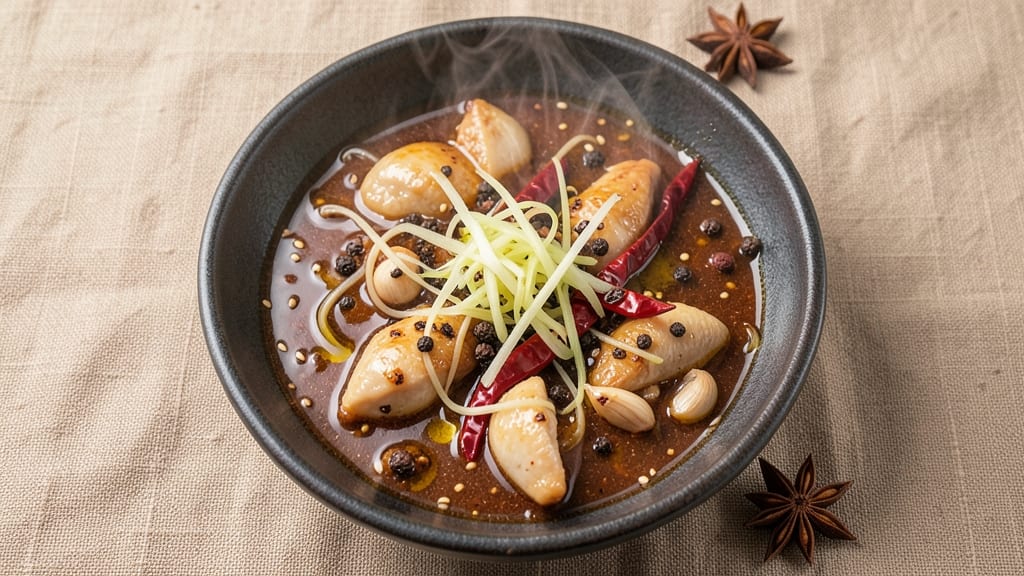
This authentic Chinese curry sauce transforms stir-fries and noodles into restaurant-quality dishes with just a few simple ingredients. The secret lies in balancing bold spices like star anise, Sichuan peppercorns, and chili with aromatic ginger and garlic—creating a sauce that's both complex and foolproof.
I've perfected this recipe over years of testing, ensuring every simmered batch delivers that signature umami depth and subtle heat.
The sauce starts with a fragrant base of ginger, garlic, and chili, then builds layers of flavor through slow simmering with soy sauce, sugar, and traditional Chinese spices. Unlike store-bought versions, this recipe includes star anise and Sichuan peppercorns for that unmistakable Chinese curry aroma.
The result? A smooth, versatile sauce that clings perfectly to noodles, dumplings, or stir-fried vegetables.
What makes this sauce truly special is its adaptability—use it for mapo tofu, fried rice, or even as a dipping sauce for dumplings. The blend of sweet, spicy, and savory notes comes together in just 30 minutes, with most of that time spent simmering.
Once made, it keeps well in the refrigerator for up to a week, so you can always have this bold flavor on hand.
Whether you're cooking for a crowd or meal prepping for the week, this sauce delivers professional results with minimal effort. The key is patience during simmering, which allows the spices to infuse fully without overpowering. Ready to elevate your Chinese dishes? Let's get started.
Ingredients for authentic chinese curry sauce
Nine simple ingredients transform into the bold, aromatic sauce that defines Chinese takeout.
| Ingredient | Amount | Notes |
|---|---|---|
| Fresh Ginger Root 🧄 | 2 tbsp | Finely grated, aromatic |
| Garlic Cloves 🧄 | 4 cloves | Minced, fresh preferred |
| Dried Red Chili Peppers 🌶️ | 1 tbsp | Or 1 tbsp chili flakes |
| Star Anise Pods 🌟 | 2 whole | Whole pods, crushed lightly |
| Sichuan Peppercorns 🌶️ | 1 tsp | Lightly toasted, crushed |
| Light Soy Sauce 🍶 | ½ cup | High-quality brand preferred |
| Dark Soy Sauce 🍶 | 1 tbsp | For color and depth |
| Granulated Sugar 🍚 | 2 tbsp | Or brown sugar |
| Cornstarch 🌾 | 1 tbsp | For thickening |
| Water 💧 | 1 cup | Room temperature |
The spices are non-negotiable for that signature Chinese curry flavor. Star anise and Sichuan peppercorns are the secret weapons—Penzeys or bulk bins at Asian markets have the best quality. Toast the peppercorns in a dry pan for 30 seconds before crushing to wake up their flavor. Fresh ginger and garlic are worth the extra minute to grate and mince (pre-minced has less impact). For the chili, dried arbol peppers add more heat than flakes, but adjust to taste. I always double-check my soy sauce labels—some light soy sauces contain wheat, which can throw off the balance if you're sensitive.
No Sichuan peppercorns? Substitute 1/2 tsp black pepper plus 1/4 tsp cayenne for a similar kick, though it won't have that signature numbing sensation. Running low on star anise? 1/2 tsp anise seeds work in a pinch, but the flavor won't be identical. The cornstarch is crucial for that silky texture—don't skip it, and Bob's Red Mill is my go-to brand. For the soy sauces, Lee Kum Kee or Pearl River Bridge are my top picks, but any good-quality brands will do. If you're making this ahead, let the spices steep in the sauce for 10 minutes before adding water—trust me, it makes a difference.
This sauce keeps beautifully in the fridge for up to 2 weeks in an airtight jar. The flavors actually deepen over time, so make extra if you can. For freezing, portion into ice cube trays—thaw just what you need for a quick stir-fry. The cornstarch-thickened version reheats perfectly, but if you prefer a thinner sauce, just add a splash of water when reheating. I like to keep a jar in my fridge at all times—it's the base for my go-to weeknight dinners, from quick noodles to mapo tofu. Just give it a stir before using, and you're good to go.
Why You'll Love This Recipe
- Pantry-Friendly Base: I swear by this sauce because it barely requires shopping—I raid my spice rack for star anise and Sichuan peppercorns, then grab ginger and garlic from the fridge. No frozen herbs or specialty jars here; just whole spices that add depth without breaking the bank.
- Layered Heat Play: That first hit of dried chili peppers wakes you up, but it’s the slow-blooming warmth from Sichuan peppercorns that lingers—like a secret handshake for your taste buds. Honestly, the balance of fresh ginger’s bite and star anise’s sweetness makes it taste like a restaurant’s hidden gem.
- Sauce for Everything: Slather it on noodles, toss it with tofu, or drizzle it over rice—this sauce turns bland meals into something special. I’ll be real: I’ve even used it in sandwiches (yes, really) when I’m desperate for flavor after a long week.
- Make-Ahead Magic: Simmer a big batch on Sunday, and you’ve got curry sauce ready for stir-fries, soups, or takeout-style dishes all week. Between us, it tastes even better the second day—like a flavor upgrade your future self will thank you for.
Step-by-step instructions for authentic Chinese curry sauce
Here's how to build this bold, aromatic sauce from scratch—layer by layer.
Toast Whole Spices for Deep Flavor
Heat a dry skillet over medium heat. Add the 2 whole star anise pods and the 1 tsp Sichuan peppercorns. Toast for 1-2 minutes until fragrant, stirring constantly—you'll smell that nutty, peppery aroma develop. This step unlocks their full potential.
Remove the spices immediately after toasting to prevent burning. Let them cool for 30 seconds, then crush lightly with the side of a spoon. The Sichuan peppercorns will release their signature tingling sensation when activated by heat.
Build the Aromatic Base
In the same skillet, add the 2 tbsp finely grated fresh ginger root and 4 minced garlic cloves. Cook over medium heat for 2-3 minutes until the ginger turns golden and the garlic becomes fragrant but doesn't brown. This transforms their raw flavors into something complex and inviting.
Add the 1 tbsp dried red chili peppers (or chili flakes) and cook for another 30 seconds, stirring constantly. The peppers will darken slightly, releasing their heat and aroma. Be careful not to let them burn—this is where the sauce's signature spice character comes from.
Combine Wet Ingredients
Pour in the 0.5 cup light soy sauce and 1 tbsp dark soy sauce. Stir well to deglaze the pan, scraping up any browned bits from the bottom—these contain concentrated flavor. Add the 2 tbsp granulated sugar and the crushed star anise and Sichuan peppercorns, stirring to combine.
Bring the mixture to a gentle simmer over medium heat. Let it cook uncovered for 5 minutes, stirring occasionally. You'll notice the sauce reduce slightly and develop a glossy sheen. This is when the flavors start melding together beautifully.
Thicken the Sauce
In a small bowl, whisk together the 1 tbsp cornstarch with 2 tablespoons of the 1 cup water. Slowly pour this mixture into the simmering sauce while stirring constantly. The sauce will thicken immediately as the cornstarch activates.
Continue cooking for 2-3 minutes until the sauce reaches your desired consistency—it should coat the back of a spoon but still be pourable. Taste and adjust seasoning if needed, adding a bit more soy sauce for saltiness or sugar for sweetness.
Finish and Use Immediately
Remove from heat and let the sauce sit for 1 minute to allow the flavors to fully settle. This sauce is best used immediately for maximum flavor impact—it's perfect for stir-fries, noodles, or as a dipping sauce.
The sauce should be glossy with visible flecks of chili and spices, offering a perfect balance of sweet, salty, spicy, and umami flavors. Store any leftovers in an airtight container in the refrigerator for up to 5 days, though it's best used fresh.
Pro Tips For Making Authentic Chinese Curry Sauce
- Bloom the Aromatics Slow: After mincing ginger and garlic, let them sit in oil for 30 seconds before adding chili peppers—this gives them time to release their oils and build flavor without burning. I used to rush this, and the sauce always tasted flat until I learned to wait.
- Toast Whole Spices First: Lightly toast star anise and Sichuan peppercorns in a dry pan for 30 seconds until fragrant—this deepens their flavor without overpowering the sauce. Skip this, and your spices will just sit there like wallflowers.
- Control Chili Heat: Soak dried red chili peppers in warm water for 10 minutes before blending to soften them, then remove seeds and membranes for a cleaner, less bitter heat. I once used whole, crushed chilies and ended up with a mouthful of capsaicin regret.
- Simmer, Don’t Boil: Keep the sauce at a gentle simmer (tiny bubbles, occasional swirls) after adding liquids—boiling burns off delicate aromas and makes the sauce taste thin. Sounds picky, but it’s the difference between good and "I’ll order takeout" curry.
Health benefits of this authentic chinese curry sauce
Anti-Inflammatory Powerhouse
This curry sauce packs a punch of anti-inflammatory benefits thanks to its star anise and Sichuan peppercorns. Star anise contains shikimic acid, which helps reduce inflammation, while Sichuan peppercorns provide hydroxysafflor yellow A, a compound that may lower oxidative stress.
The ginger in this sauce is also a well-known anti-inflammatory—just 2 tbsp provides about 10% of your daily magnesium, which supports muscle and nerve function. 💪
Digestive Health Booster
The combination of ginger and garlic in this sauce makes it a digestive aid. Ginger stimulates saliva and gastric juices, easing digestion, while garlic contains allicin, a compound that supports gut health. The light soy sauce adds probiotic-friendly fermented elements, though it's not a replacement for live cultures.
For extra digestive benefits, I sometimes add a pinch of black pepper (a natural digestive stimulant) when using the sauce.
Heart-Smart Umami
Soy sauce is a heart-healthy ingredient in this recipe, providing plant-based protein and isoflavones that support cardiovascular function. The garlic in the sauce also helps lower cholesterol by increasing HDL ("good" cholesterol) levels.
The sauce's balanced sweetness from sugar helps regulate blood sugar spikes when paired with complex carbs like noodles or rice. Just 1 tbsp of this sauce adds about 5% of your daily potassium, which is great for heart rhythm.
Immunity Support
Ginger and garlic are both immune-boosting superstars. Ginger contains gingerol, which has antimicrobial properties, while garlic's allicin helps fight infections. The star anise adds another layer of immune support with its anethole content, which has been shown to have antimicrobial effects.
For extra immunity benefits, I like to serve this sauce with steamed bok choy or broccoli—both are packed with vitamins C and K.
Blood Sugar Balance
The sauce's low glycemic index makes it ideal for blood sugar management when paired with whole grains. The soy sauce provides isoflavones that help improve insulin sensitivity, while the ginger may help regulate blood sugar levels.
The sugar in the sauce is balanced by the soy's umami flavor, preventing blood sugar spikes. For a lower-sugar option, you can reduce the sugar to 1 tbsp without sacrificing flavor.
Stress-Reducing Spices
The Sichuan peppercorns in this sauce contain citral, which has been shown to have anxiolytic (anti-anxiety) effects. The aroma alone from simmering these spices can be calming, thanks to their volatile oils. Garlic also contains allicin, which may help reduce cortisol levels.
I find that cooking with these spices often leaves me feeling more relaxed—perhaps it's the combination of their flavors and the meditative process of making the sauce. 🌟
Nutrition facts
Frequently asked questions
Can I make this curry sauce without Sichuan peppercorns?
Yes! If you can't find Sichuan peppercorns, substitute with ½ tsp black pepper plus ¼ tsp cayenne for heat. For the signature numbing sensation, try ½ tsp ground fennel seeds toasted briefly in the pan. The flavor won't be identical, but it'll still deliver that bold Chinese curry profile.
How spicy is this sauce, and can I adjust it?
The heat comes from dried chili peppers, which you can control by using ½ tbsp for mild or 1½ tbsp for extra spicy. For a smoother finish, blend the sauce after cooking. If you love heat, add a pinch of chili flakes at the end. The Sichuan peppercorns contribute a subtle tingling rather than pure heat.
What's the best way to store and reheat leftovers?
Store in an airtight container in the fridge for up to 5 days. Reheat gently in a saucepan over low heat with 1 tbsp water to restore thickness. Avoid microwaving—it can make the sauce grainy. For freezing, portion into ice cube trays and transfer to a bag. Thaw overnight in the fridge before using.
Which Chinese dishes pair best with this sauce?
This versatile sauce elevates stir-fries, mapo tofu, fried rice, and dumpling dips. For noodles, use 2 tbsp per serving. It also works as a marinade for chicken or tofu—just coat and let sit for 30 minutes before cooking. The balance of sweet, spicy, and umami makes it perfect for both quick meals and special occasions.
Why does my sauce taste bitter after simmering?
Bitter flavors often come from overcooking the spices or using too much star anise. Remove the whole spices immediately after simmering (don't strain). For extra depth, add ½ tsp fish sauce or a pinch of white pepper to balance bitterness. Always use fresh ginger and garlic—old or pre-minced versions can contribute off-flavors.