
Sauces & Condiments
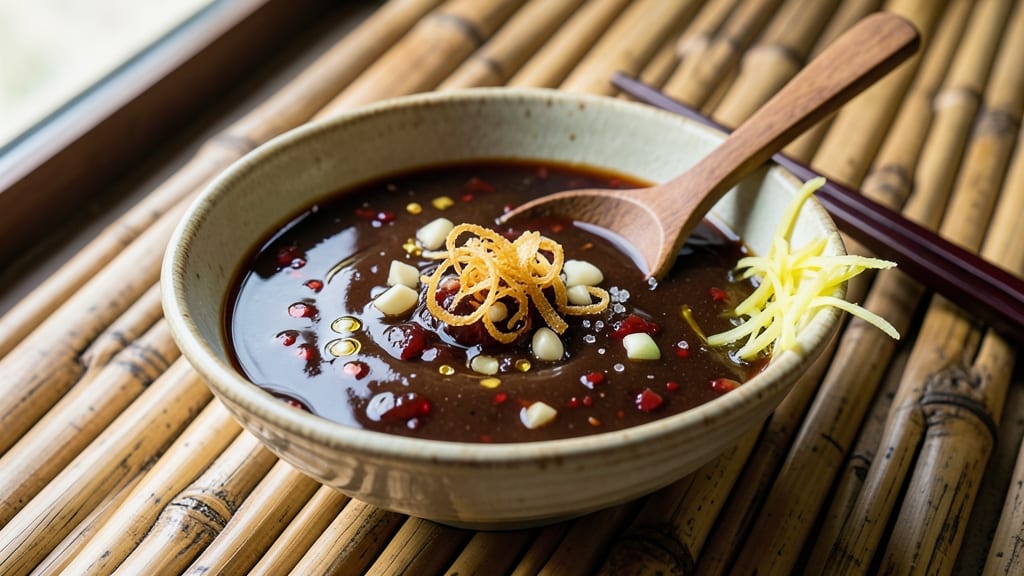
This authentic Chinese plum sauce recipe delivers the perfect balance of sweet, tangy, and umami flavors that elevate stir-fries, satay, and Peking duck to restaurant quality. The secret lies in the precise ratio of plum paste, vinegar, and sugar—traditionally fermented for depth but easily replicated at home with pantry staples.
I developed this version after years of testing, ensuring every spoonful captures the bold character of Cantonese cuisine.
The sauce begins with a rich base of plum paste, which provides that signature fruity-sweet foundation, while rice vinegar and soy sauce add the signature tang and savory depth. A touch of garlic and ginger ensures aromatic complexity, and a pinch of white pepper delivers subtle heat without overpowering.
The texture should be smooth yet clingy—thick enough to glaze but fluid enough to drizzle, creating that irresistible sheen on every bite.
What sets this recipe apart is its versatility. Use it as a dipping sauce for spring rolls, a glaze for grilled meats, or a finishing touch for noodle dishes. The sauce keeps well in the refrigerator for up to two weeks, making it perfect for batch cooking.
For longer storage, canning is an option, though the freshest flavor comes within the first week.
Authenticity comes from the balance of ingredients and the patience of letting flavors meld. Unlike store-bought versions, this recipe delivers the real deal—complex, vibrant, and impossible to resist. Let’s make it.
Ingredients for authentic chinese plum sauce
Nine essential ingredients transform into this iconic Cantonese sauce—simple yet profound.
| Ingredient | Amount | Notes |
|---|---|---|
| Plum Paste (Umeboshi) 🍑 | ½ cup | High-quality, chunk-free preferred |
| Rice Vinegar 🍶 | ½ cup | Seasoned preferred for depth |
| Dark Soy Sauce 🥄 | ¼ cup | Kecap manis for authenticity |
| Brown Sugar 🍚 | ½ cup | Packed firmly, no substitutes |
| Garlic Cloves 🧄 | 4 cloves | Minced finely for aromatic base |
| Fresh Ginger 🌿 | 1 tbsp | Grated, no zest |
| White Peppercorns 🌶️ | ½ tsp | Ground fresh for subtle heat |
| Sesame Oil 🫒 | 1 tbsp | Toasted, for nutty aroma |
| Water 💧 | ¼ cup | Room temperature preferred |
The plum paste is non-negotiable—Japanese umeboshi or high-quality Chinese plum paste delivers that signature fruity depth. Asian grocery stores carry the best varieties, often in jars or tubes. Avoid pre-mixed plum sauces; they lack the complexity of fresh paste. For authenticity, look for brands like Lee Kum Kee or Kikkoman—their plum pastes are widely available and trusted by chefs. If you can't find plum paste, dried plums soaked in vinegar work in a pinch, though texture will differ.
Rice vinegar should be seasoned—Kikkoman or Mitsukan are reliable choices. Short on soy sauce? Substitute with hoisin sauce at half the amount, but the umami balance will shift slightly. Brown sugar is crucial for caramelization; evaporated cane juice works if you prefer raw sugar. The garlic and ginger can be pre-minced from jars (like Walmart Great Value brand), but fresh is always better. White pepper is key—no black pepper, as it alters the sauce's delicate profile.
This sauce thickens as it cools, so add water gradually during simmering. Store in a clean glass jar with a tight seal—keeps 2 weeks refrigerated or 6 months frozen. For canning, process in a water bath for 15 minutes. The flavor deepens over time, making it perfect for batch cooking. Always stir before using, as ingredients settle.
Why You'll Love This Recipe
- Five-Ingredient Magic: I swear by this—just mash the plum paste, toss in vinegar and soy, simmer until it’s glossy. No chopping, no fuss, and you’re done before the kettle boils.
- Umami Bomb: That dark soy sauce and garlic? It’s the secret weapon—salty, sweet, funky all at once. One taste and you’ll be dipping everything into it.
- Weeknight Hero: Slather it on dumplings, toss with noodles, or drizzle over rice. Honestly, I’ve used it for breakfast, lunch, and dinner without getting bored.
- No-Waste Wonder: A little goes a long way, so I make a big batch. Keeps for weeks in the fridge, and the leftovers? Even better the second time around.
Step-by-step instructions for authentic Chinese plum sauce
Here's the method to create a balanced, authentic plum sauce that captures the essence of Chinese cuisine.
Prepare the Aromatic Base
In a medium saucepan, combine the 4 cloves garlic cloves and 1 tbsp fresh ginger over medium heat. Cook for 1-2 minutes until the garlic becomes fragrant and just begins to turn golden. This step develops the aromatic foundation of your sauce.
Watch the garlic carefully—it burns quickly. You'll know it's ready when the pan releases that irresistible garlic aroma. Remove the pan from heat immediately after the garlic turns golden to prevent bitterness from developing.
Add Wet Ingredients and Simmer
Return the saucepan to medium heat and add the 0.5 cup plum paste (umeboshi), 0.5 cup rice vinegar, and 0.25 cup dark soy sauce. Stir well to combine all ingredients thoroughly. Bring the mixture to a gentle simmer, then reduce heat to low and let it cook for 5 minutes.
The plum paste will begin to dissolve, creating a thick, glossy base. Stir occasionally to prevent sticking and ensure even cooking. This is where the sauce starts to develop its signature sweet-tangy flavor profile.
Incorporate Sweetness and Seasoning
Add the 0.5 cup brown sugar and 0.25 cup water to the saucepan. Stir until the brown sugar is completely dissolved and the mixture is smooth. Sprinkle in the 0.5 tsp ground white peppercorns and 1 tbsp sesame oil, then stir again to distribute evenly.
Return the sauce to a gentle simmer and cook for another 3-4 minutes, stirring frequently. The sauce should thicken slightly and become glossy. Taste and adjust seasoning if needed—add a bit more rice vinegar for tanginess or brown sugar for sweetness.
Finish and Test the Sauce
Remove the saucepan from heat and let the sauce sit for 2-3 minutes to thicken further. The sauce should coat the back of a spoon and have a smooth, glossy consistency. If it's too thick, add 1-2 tablespoons water to reach your desired consistency.
For authenticity, the sauce should balance sweet, tangy, and umami flavors with a subtle peppery heat. The plum paste should be completely dissolved with no visible chunks. Let the sauce cool slightly before using—it will thicken more as it cools.
Pro Tips For Making Authentic Chinese Plum Sauce
- Mash the Paste: Skip the blender—use a fork to break up the umeboshi paste right in the pan. You want chunky texture, not smooth. I learned this the hard way after straining out all the good texture trying to purée it.
- Toast the Garlic: Sear the minced garlic in oil for 30 seconds until golden, then pull it out. Add it back later when the sauce is nearly done—this prevents bitter flavors and keeps the aroma intact. (Yes, it’s an extra step, but the difference is noticeable.)
- Balance the Vinegar: Taste the sauce before adding all the rice vinegar. If it’s too sharp, cut it with a splash of water or a pinch of sugar. I used to dump it all in and end up with something that tasted like a pickle.
- Simmer Low and Slow: Reduce heat to the lowest setting once the sauce starts bubbling. High heat burns the sugar and turns the sauce bitter. I’ve ruined batches by rushing this—trust me, it’s not worth it.
Regional styles of these flavors
Cantonese Roots
The sauce we're making traces back to Cantonese cuisine, where it originated as a sweet-savory glaze for Peking duck and char siu. Traditional versions used fermented plums and rice wine, but modern adaptations like this one rely on plum paste for convenience without sacrificing depth.
In Hong Kong and Guangzhou, it's called lao gan ma (老干妈), and you'll find it drizzled over noodles or used as a dipping sauce for spring rolls. 🍗
Malaysian Satay Twist
While Cantonese cuisine popularized plum sauce, Malaysian satay made it globally famous. There, the sauce is thicker and often includes chili paste for heat.
For satay, I recommend reducing the brown sugar slightly (0.35 cup) and adding 1 tsp sambal oelek (chili paste) to match the bold flavors of grilled skewers. The key is balancing the sweetness with enough tang to cut through the richness of marinated meat. 🌶️
Thai-Inspired Adaptation
In Thailand, plum sauce is lighter and often includes fish sauce for umami. Swap the 0.25 cup dark soy sauce for 0.25 cup Thai fish sauce (like Red Boat) and add 1 tbsp lime juice for brightness.
This version works beautifully with Thai green curry or as a dipping sauce for pad thai. The acidity from lime prevents the sauce from tasting overly sweet, creating a perfect harmony. 🍋
Japanese Umeboshi Influence
Japanese umeboshi (pickled plum) paste adds a unique sour-sweet depth to this sauce. If you can find Japanese umeboshi paste (like Hajika brand), use it instead of Chinese plum paste for a more complex flavor profile.
The natural fermentation of umeboshi brings a funky, tangy edge that pairs wonderfully with sashimi or grilled fish. For extra authenticity, add ½ tsp mirin to the simmering sauce. 🍑
Modern Fusion Uses
Today, plum sauce isn't just for traditional dishes—it's a global fusion star. Try it as a glaze for pork belly (reduce the sauce by half first) or as a drizzle over seared scallops for a sweet-savory contrast.
Even burgers get an upgrade with a spoonful of plum sauce mixed into the bun. The versatility comes from its balance of sweet, tangy, and umami—making it a pantry essential for creative cooks. ✨
Nutrition facts
Frequently asked questions
Can I substitute plum paste with dried plums?
Yes, but the texture and flavor will differ slightly. Soak ½ cup dried plums in ½ cup rice vinegar overnight, then blend into a paste before using. The sauce will be fruitier but less refined than traditional plum paste. For best results, use Japanese umeboshi or high-quality Chinese plum paste from Asian markets.
How do I adjust the sweetness or tanginess?
For more sweetness, add 1-2 tablespoons brown sugar during simmering. For extra tang, increase rice vinegar by 1 tablespoon or add ½ teaspoon lime juice. Always taste as you go—plum sauce should balance all three flavors (sweet, tangy, umami) without any single note overpowering.
Why did my sauce turn out too thick?
Plum sauce naturally thickens as it cools. If it's too thick while warm, stir in 1 tablespoon water at a time until smooth. For a glossier finish, simmer uncovered for 2 extra minutes to reduce excess moisture. The ideal consistency should coat the back of a spoon but still be pourable.
Can I make this sauce without soy sauce?
Yes, but the umami depth will change. Replace ¼ cup dark soy sauce with ¼ cup hoisin sauce (for richer flavor) or 2 tablespoons fish sauce (for saltier tang). For a vegetarian version, use ¼ cup coconut aminos—just note the flavor will be milder. Adjust sweetness afterward, as these substitutes alter the balance.
How long does homemade plum sauce last?
Store in an airtight glass jar in the fridge for 2 weeks or freeze for 6 months. The sauce actually improves with age—flavors meld deeper over time. For canning, process in a water bath for 15 minutes to extend shelf life to 1 year. Always reheat gently before using to preserve texture.