
Sauces & Condiments
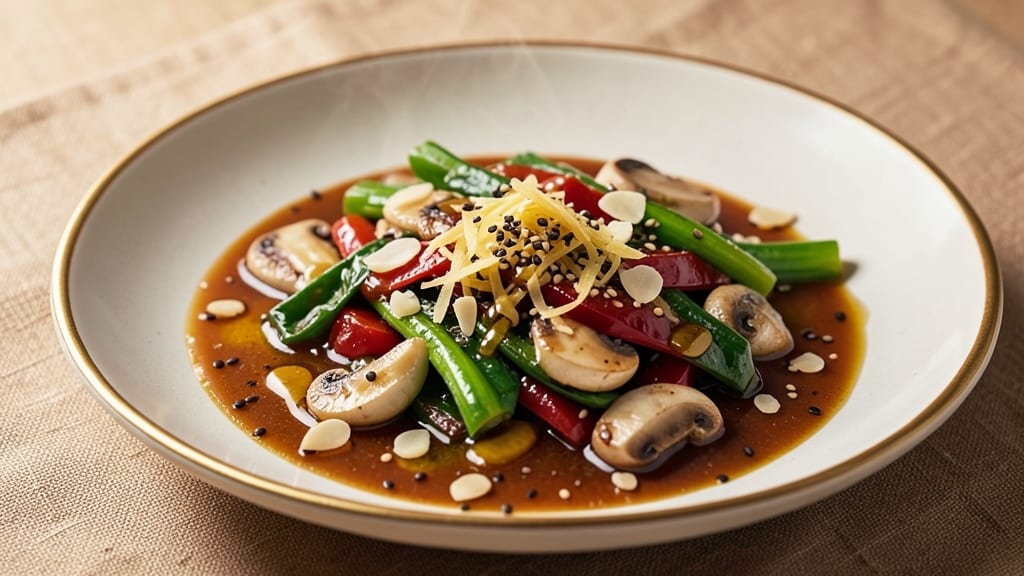
This awesome stir fry sauce recipe delivers restaurant-quality flavor in just 10 minutes—no complicated steps, just bold umami-packed taste that transforms any stir-fry, noodles, or dipping sauce.
The secret lies in balancing soy sauce, garlic, ginger, and honey for a perfect harmony of salty, sweet, and aromatic depth that clings to every ingredient. I developed this sauce after years of testing, and it never fails to elevate simple weeknight meals into something extraordinary.
The beauty of this sauce is its versatility—it works equally well for quick weeknight stir-fries, as a dipping sauce for spring rolls, or even as a glaze for grilled meats. The ingredients are simple: soy sauce, garlic, ginger, honey, and a touch of sesame oil for that signature nutty aroma.
What makes it truly special is the way the flavors meld together when simmered just long enough to create a cohesive, flavorful base without overpowering your dish.
What you’ll end up with is a glossy, aromatic sauce that’s rich in umami and perfectly balanced between sweet and savory. The sauce stays fresh in the refrigerator for up to a week, making it ideal for meal prep, or you can freeze it for up to three months.
Whether you're cooking for one or feeding a crowd, this sauce is your secret weapon for adding depth and complexity to any dish.
Ready to take your stir-fries to the next level? This sauce is the perfect starting point—simple enough for beginners but packed with enough flavor to impress even the most seasoned home cooks. Let’s get started!
Ingredients for awesome stir fry sauce
Five minutes to bold umami-packed flavor—just these simple ingredients transform any stir-fry.
| Ingredient | Amount | Notes |
|---|---|---|
| Soy Sauce 🍶 | ½ cup | Light or dark variety preferred |
| Garlic Cloves 🧄 | 6 cloves | Minced for even distribution |
| Fresh Ginger 🌿 | 1 ½ tbsp | Finely grated, not powdered |
| Honey 🍯 | 2 tbsp | Wildflower or clover preferred |
| Sesame Oil 🫒 | 1 tbsp | Toasted sesame oil for aroma |
| Rice Vinegar 🍶 | 1 ½ tbsp | White or seasoned vinegar |
| Cornstarch 🌾 | 1 tsp | For thickening consistency |
| Water 💧 | 2 tbsp | Room temperature preferred |
| Red Pepper Flakes 🌶️ | ½ tsp | Adjust for heat preference |
| Salt 🧂 | ½ tsp | Kosher or sea salt |
The soy sauce is your flavor foundation—Kikkoman or La Choy are solid choices, but any light or dark variety works. Fresh ginger and garlic are non-negotiable for that authentic aroma (powdered just won't cut it). I always grab ginger from the produce section—it's fresher than the pre-grated tubs. For garlic, peel and mince yourself—jarred minced has a weird aftertaste. The honey adds that perfect balance, so don't skimp on quality—local wildflower has deeper flavor than store-brand versions. Toasted sesame oil is key for that nutty aroma—look for it in the Asian foods aisle if your regular store doesn't carry it.
No soy sauce? Coconut aminos in a 1:1 ratio works surprisingly well. Short on fresh ginger? Powdered at half the amount gets you close, though it lacks the zing. The cornstarch is what gives this sauce that glossy finish—arrowroot powder works too if you're out. For extra depth, a dash of fish sauce (if not vegetarian) or extra soy sauce boosts umami. The red pepper flakes are optional but add that restaurant-quality kick—adjust to taste. And if you're worried about the sauce being too thin, just add a splash more water when simmering.
This sauce keeps beautifully—1 week in the fridge sealed in a jar. For longer storage, freeze in ice cube trays—perfect for single-serve portions. The flavor actually improves after a day or two as everything melds together. I like to make a big batch and keep it in the fridge for quick weeknight meals. If you've got leftover sesame oil, store it in the freezer to preserve that nutty aroma. And trust me, the first time you use this sauce on store-bought stir-fry noodles, you'll never go back to the jarred stuff again.
Why You'll Love This Recipe
- Five-Ingredient Magic: I swear by this combo—soy sauce, garlic, and ginger are my holy trinity, but the honey and sesame oil? That’s where it gets good. No fancy ratios, no stressing over measurements. Just toss them in a bowl, let them mingle, and—boom—you’ve got flavor without the fuss.
- Umami Bomb: The garlic and ginger hit first with that sharp, punchy bite, then the honey rounds it out like a warm hug. Honestly, the sesame oil finish? That’s the part that makes me pour extra. It’s rich but not heavy, sweet but not cloying—like someone tuned it just for my taste buds.
- Weeknight Wonder: This sauce turns my Tuesday stir-fries into something special without me breaking a sweat. Dump it on noodles, drizzle it over rice, or toss it with whatever’s in the fridge (looking at you, sad leftover chicken). It’s the kind of thing that makes me feel like a chef, even when I’m wearing pajamas.
- Leftovers’ Best Friend: I always make double. The extra sauce keeps in the fridge for days, and it only gets better as the flavors marry. Use it for takeout nights, quick lunches, or even as a marinade—it’s my secret weapon for making boring meals taste like a restaurant order. No waste, all win.
Step-by-step instructions for umami-packed stir fry sauce
This sauce comes together faster than you can say "wok hei." Let's make it shine.
Bloom the Aromatics in Sesame Oil
Heat a small saucepan over medium-low heat and add the 1 tablespoon sesame oil. Let it warm for 30 seconds until fragrant—you'll smell that nutty, toasty aroma. This is where the magic starts. Add the 6 cloves minced garlic and 1.5 tablespoons finely grated fresh ginger, stirring constantly for 1 minute until the garlic turns golden and fragrant.
Here's the thing—don't let the garlic burn. It happens fast, and burned garlic tastes bitter. If it starts to darken too quickly, reduce the heat to low and keep stirring. The goal is to wake up those flavors without overpowering the sauce. You're building the foundation, so take your time with this step.
Combine Wet Ingredients
In a separate bowl, whisk together the 0.5 cup soy sauce, 2 tablespoons honey, 1.5 tablespoons rice vinegar, 0.5 teaspoon salt, and 0.5 teaspoon red pepper flakes until fully combined. This mixture should be smooth and homogeneous—no streaks of honey or clumps of salt. The honey will help balance the acidity from the vinegar while adding natural sweetness.
Taste a small amount at this stage. You should notice the umami from the soy sauce, a touch of heat from the red pepper flakes, and a bright acidity from the vinegar. This is your flavor baseline before we thicken it up. If you want more depth, you could add a splash of water here, but we'll adjust the consistency later with the cornstarch slurry.
Thicken the Sauce with Cornstarch
In a small bowl, whisk together the 1 teaspoon cornstarch and 2 tablespoons water until completely dissolved. This creates a smooth slurry that will thicken our sauce beautifully. Add this mixture to the saucepan with the aromatics and bring everything to a gentle simmer over medium heat. Stir constantly for 2-3 minutes until the sauce thickens noticeably and coats the back of a spoon.
Real talk: The sauce should go from a thin liquid to a glossy, coatable consistency. If it's still too thin after 3 minutes, add another ½ teaspoon cornstarch mixed with 1 teaspoon water and simmer for another minute. But don't over-thicken it—you want it to coat proteins and vegetables without being gluey. The sauce should be smooth enough to drizzle but thick enough to cling.
Finish and Adjust the Flavor
Remove the sauce from heat and let it cool for 2 minutes. This resting period allows the flavors to meld together. Taste again and make any final adjustments. Need more heat? Add a pinch more red pepper flakes. Want it sweeter? Stir in another ½ teaspoon honey. The sauce should be balanced—salty, slightly sweet, with a touch of acidity and heat.
Here's where it gets fun—this sauce is incredibly versatile. You can use it immediately on your stir fry, or store it in an airtight container in the fridge for up to 1 week. When you're ready to use it, give it a quick stir and heat it gently if needed. The flavors will only get better with time as they continue to develop. Now go make that stir fry shine!
Pro Tips For Making Awesome Stir Fry Sauce
- Sear the Garlic First: Toss minced garlic into a dry, smoking-hot pan for 10 seconds before adding anything else—this prevents it from turning bitter. I learned this the hard way after making stir-fry sauce that tasted like garlic candy instead of savory depth.
- Peel Ginger Like a Pro: Use a spoon’s back to scrape off the ginger’s skin in one smooth motion, then slice it paper-thin against the grain. Thinner slices cook faster and release their flavor without turning to mush.
- Balance the Honey Last: Add honey after the sauce has simmered for 2 minutes—this lets the garlic and ginger cook down first, so you’re not drowning their aroma in sweetness. Stir in just enough to coat the back of a spoon.
- Toast the Sesame Oil: Heat the sesame oil separately in a small pan until it shimmers (about 30 seconds), then pour it into the sauce at the very end. This preserves its nutty aroma instead of burning it off in the stir-fry’s chaos.
Troubleshooting this recipe
Sauce Too Thin?
If your sauce isn’t thickening enough, you’re likely not simmering long enough. The cornstarch needs 2-3 minutes of active simmering to fully activate. For an instant fix, mix ½ teaspoon more cornstarch with 1 teaspoon water and stir vigorously into the sauce while it’s still hot.
Let it cook for another 1 minute—don’t walk away! If you’re using a non-stick pan, the sauce may cling to the sides, so give it a quick scrape with a wooden spoon to distribute the cornstarch evenly. 🌡️
Garlic Burnt?
Burned garlic ruins everything—it turns bitter and overpowering. To prevent this, keep your heat at medium-low and stir constantly. If your garlic starts darkening too quickly, immediately reduce the heat to lowest setting and add ½ teaspoon water to the pan.
This cools things down and prevents burning. Pro tip: Use freshly minced garlic (not jarred) because it releases flavor more gently. If you’ve already burned it, start over—no amount of fixing will save it.
Sauce Too Salty?
If your sauce tastes overly salty, balance it with a splash of rice vinegar (start with ½ teaspoon) or a drizzle of honey (another ½ teaspoon). The acidity from the vinegar cuts through the salt, while the honey adds sweetness to soften the harshness.
If you’ve already added the sauce to your stir-fry, don’t panic—just add a pinch of sugar or a few drops of vinegar directly to the pan and toss everything together. The flavors will rebalance as they cook.
Grainy Texture?
A grainy texture usually means the cornstarch didn’t dissolve properly. Whisk your cornstarch slurry thoroughly before adding it to the sauce—no lumps allowed! If you notice grains after simmering, strain the sauce through a fine-mesh sieve to catch any undissolved bits.
For a smoother finish, you can also blend the sauce briefly with an immersion blender (if it’s not too hot). If you’re in a rush, just add 1 teaspoon water to the sauce and simmer for another 30 seconds—this helps break down any residual grains.
Not Enough Umami?
If your sauce lacks depth, it’s likely missing umami. Boost it by adding 1 teaspoon fish sauce (if not vegetarian) or another ½ teaspoon soy sauce. For a vegetarian option, stir in ½ teaspoon mushroom powder or a splash of coconut aminos.
Let the sauce simmer for another 1 minute to meld the new flavors in. If you’re using dark soy sauce, add it now—it deepens the color and adds a richer, toastier umami. Trust me, a little extra effort here makes all the difference. 💫
Storage Issues?
If your sauce separates or develops an off smell after storing, it’s likely due to contamination or improper sealing. Always transfer the sauce to an airtight container (glass jars work best) and press a plastic wrap directly onto the surface to prevent oxidation.
For fridge storage, keep it for no more than 1 week—beyond that, the texture may degrade. If you’re freezing, portion it into ice cube trays for easy single-use servings. Thaw in the fridge overnight and stir well before using. If mold appears, toss it—never risk it!
Nutrition facts
Frequently asked questions about homemade stir fry sauce
Can I make this sauce without cornstarch?
Yes! For a gluten-free version, replace the cornstarch with 1 teaspoon arrowroot powder or 1 tablespoon tapioca starch. Both thicken just as effectively when mixed with 2 tablespoons water. If you're avoiding thickeners entirely, the sauce will be thinner but still flavorful—just toss it with your stir-fry at the end for best results.
How much sauce should I use for a typical stir-fry?
Start with 2-3 tablespoons for a standard 12-14 oz protein and vegetable stir-fry. For extra glossy results, add 1 teaspoon sesame oil to the pan before tossing. If your dish feels dry, add another ½ tablespoon of sauce and stir well. The sauce coats better when hot, so keep it warm until serving.
Can I use this sauce for other dishes besides stir-fry?
This versatile sauce works perfectly as a dipping sauce for spring rolls or dumplings, a glaze for grilled chicken or tofu, or even a marinade (use ¼ cup per pound of protein). For noodles, add 1 tablespoon to cooked noodles with a drizzle of sesame oil. The balance of sweet, salty, and umami makes it a crowd-pleaser for any dish.
Why does my sauce taste flat after refrigerating?
Freshly made sauce needs 24 hours in the fridge for flavors to fully develop. If it tastes flat, stir in ½ teaspoon extra soy sauce or ¼ teaspoon fish sauce (if not vegetarian) and reheat gently. The cold temperatures mute flavors slightly—always bring it to room temperature before tasting. For extra depth, add a pinch of white pepper when reheating.
What's the best way to reheat leftover sauce?
Gently warm the sauce in a small saucepan over low heat for 1-2 minutes, stirring constantly to prevent lumps. Never microwave it directly—this can make it grainy. If the sauce thickens too much when reheated, thin it with ½ teaspoon water at a time. For best results, reheat only what you need to preserve freshness. The sauce reheats beautifully and maintains its glossy texture.