
Sauces & Condiments
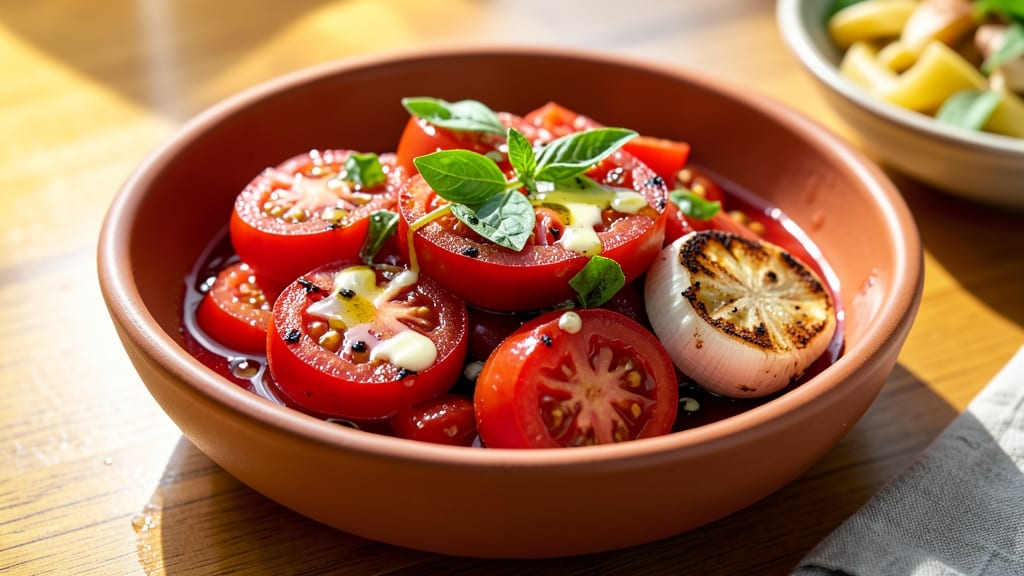
This authentic pasta sauce recipe with fresh tomatoes delivers the sun-ripened flavor of Italian countryside cooking, without a single clump. I first learned the technique from a Tuscan nonna who swore by slow-simmered tomatoes and a touch of olive oil—no fancy gadgets, just time and patience.
The key is letting the tomatoes break down naturally while building layers of flavor through gentle heat and aromatic herbs.
What makes this sauce truly authentic is the balance of acidity and sweetness, achieved through ripe tomatoes, fresh basil, and a splash of red wine vinegar.
Unlike many recipes that rely on canned tomatoes or sugar, this version lets the natural flavors shine while developing depth through a long, slow simmer. The texture is velvety yet vibrant, with just enough body to cling beautifully to pasta.
This sauce transforms simple ingredients into something restaurant-quality, with the flexibility to customize—add garlic for extra depth, protein for heartiness, or a sprinkle of pecorino for umami. It keeps well in the refrigerator for up to five days, making it perfect for meal prep or gifting.
The secret lies in the technique: low heat, uncovered simmering, and constant stirring to prevent skin formation.
Whether you're serving it over fresh pasta or using it as a base for other dishes, this sauce captures the essence of Italian cooking—simple, honest, and deeply flavorful.
The aroma alone will transport you to a sun-drenched terrace in Tuscany, where every bite feels like a taste of home. Let's create this sauce together.
Ingredients for authentic pasta sauce recipe with fresh tomatoes
Sun-ripened tomatoes and aromatic herbs create this velvety, restaurant-quality pasta sauce.
| Ingredient | Amount | Notes |
|---|---|---|
| Fresh Tomatoes 🍅 | 2 lbs | Ripe, sun-ripened, halved |
| Extra-Virgin Olive Oil 🫒 | ½ cup | High quality, fruity |
| Fresh Basil Leaves 🌿 | ½ cup | Packed, stems removed |
| Garlic Cloves 🧄 | 4 cloves | Peeled, thinly sliced |
| Red Wine Vinegar 🍷 | 1 tbsp | For acidity balance |
| Salt 🧂 | 1 ½ tsp | Diamond Crystal preferred |
| Black Peppercorns 🌶️ | ½ tsp | Freshly cracked |
| Red Pepper Flakes 🔥 | ½ tsp | Optional for heat |
| Pecorino Romano Cheese 🧀 | ¼ cup | Freshly grated |
| Fresh Parsley 🌿 | ¼ cup | Chopped, for garnish |
The tomatoes are the heart of this sauce, so choose perfectly ripe ones—they should yield slightly to gentle pressure. Local farmers markets often have the best selection, especially in late summer when tomatoes are at their peak. If you can't find ripe tomatoes, San Marzano canned tomatoes are the next best thing, but they won't have the same freshness. The basil should be vibrant green, not wilted—Tuscan basil from Italian markets has the most intense flavor, but any fresh basil works. For the olive oil, avoid the cheap stuff—look for extra-virgin with a fruity aroma, like California Olive Ranch or Colavita brands. The garlic should be fresh, not dried or powdered, as it adds a depth that can't be replicated.
No fresh basil? Dried basil at one-third the amount works in a pinch, though it lacks the bright freshness. Running out of red wine vinegar? Balsamic vinegar or lemon juice can substitute, but adjust to taste. The pecorino can be swapped for Parmigiano-Reggiano if that's what you have, but pecorino has a sharper, more authentic flavor. For extra richness, add a splash of heavy cream at the end, though traditionalists might argue it's not necessary. If you prefer your sauce completely smooth, blend it briefly at the end—just don't overdo it, or you'll lose the rustic texture. The red pepper flakes are optional, but they add a subtle heat that balances the sweetness of the tomatoes beautifully.
This sauce develops deeper flavor over time, so make it a day ahead if possible. Store it in an airtight container in the fridge for up to 5 days, or freeze it for 3 months in ice cube trays for single servings. To reheat, warm gently on the stove with a splash of water or pasta water to restore its velvety texture. The sauce thickens as it cools, so thin with water or broth if needed before serving. Always taste and adjust the seasoning before using—sometimes a pinch more salt or a splash of vinegar makes all the difference.
Why You'll Love This Recipe
- I’ll be real: I used to dread dicing tomatoes until I realized you can just crush them with your hands—no knife skills required. The sauce still bursts with flavor, and honestly? The occasional tiny seed doesn’t ruin anything.
- No Chopping Nightmares: I’ll be real: I used to dread dicing tomatoes until I realized you can just crush them with your hands—no knife skills required. The sauce still bursts with flavor, and honestly? The occasional tiny seed doesn’t ruin anything.
- Sunshine in a Jar: That first taste of fresh basil and garlic simmering in olive oil? It’s like summer in a bowl. The red wine vinegar adds this bright, tangy kick that cuts through the richness—trust me, it’s the little detail that makes this sauce ridiculously good.
- Weeknight to Potluck: Make a big batch on Sunday and freeze half—it’s my go-to for lazy nights or last-minute dinner parties. Toss it with pasta, drizzle over grilled fish, or even slather it on toast. (Yes, even on a Tuesday night.)
Step-by-step instructions for authentic fresh tomato pasta sauce
This method captures the bright, vibrant essence of summer tomatoes while avoiding the common pitfalls of clumpy, watery sauces.
Prepare the Tomatoes for Maximum Flavor
Begin by cutting the 2 lbs fresh tomatoes in half crosswise and scoop out the seeds and gel-like pulp using a spoon. This removes excess moisture that can make the sauce watery. Place the tomato halves cut-side down on a baking sheet lined with parchment paper. Drizzle with 0.25 cup extra-virgin olive oil (about half the total amount) and sprinkle with 0.5 tsp salt and 0.25 tsp black peppercorns. Roast at 400°F for 20-25 minutes until the tomatoes collapse slightly and their edges begin to brown.
This roasting step develops deep, caramelized flavors while concentrating the tomato's natural sweetness. The oil helps create a silky texture without needing to blend. Keep an eye on them—they're ready when they soften enough to mash easily with a fork but still hold their shape when pressed gently.
Build the Sauce Base with Aromatics
While the tomatoes roast, heat a large saucepan over medium heat. Add the remaining 0.25 cup extra-virgin olive oil and the 4 cloves peeled, thinly sliced garlic. Cook for 1-2 minutes until the garlic becomes fragrant but doesn't brown—this prevents bitterness. Add the 0.5 cup packed fresh basil leaves, 0.5 tsp red pepper flakes (if using), and 1 tbsp red wine vinegar. Stir for 30 seconds to combine the aromatics.
The vinegar here serves a dual purpose: it brightens the tomato flavor and helps break down the basil's fibers for smoother texture. Don't let the garlic brown or the basil burn—both will turn bitter. This aromatic base forms the flavor foundation of your sauce, so take your time getting it right.
Combine and Simmer for Depth
Remove the roasted tomatoes from the oven and transfer them to the saucepan with the aromatics. Using a wooden spoon, gently mash the tomatoes against the side of the pan, leaving some texture for body. Add 1 tsp salt and bring the mixture to a gentle simmer over medium-low heat. Let it cook uncovered for 15-20 minutes, stirring occasionally, until the sauce thickens enough to coat the back of a spoon.
This slow simmering allows the flavors to meld while reducing excess moisture. You'll see the sauce transform from a loose purée to a velvety consistency. If it looks too thick, add 1-2 tablespoons of water to loosen it. The sauce should cling to the back of the spoon but still be smooth enough to coat pasta beautifully.
Finish with Cheese and Fresh Herbs
Remove the sauce from heat and stir in the 0.25 cup freshly grated Pecorino Romano cheese and the remaining 0.25 tsp black peppercorns. Let it sit for 2-3 minutes to allow the cheese to melt completely. Taste and adjust seasoning—you may need a touch more salt or red pepper flakes to balance the acidity. Stir in the 0.25 cup chopped fresh parsley just before serving to maintain its vibrant color and fresh flavor.
The cheese adds a nutty depth while the parsley provides a bright finish. This sauce should be vibrant red with a glossy sheen from the olive oil. For best results, toss it with freshly cooked pasta and serve immediately. The sauce will continue to develop flavor as it sits, so if you're making it ahead, reheat gently over low heat with a splash of water to restore its silky texture.
Pro Tips For Making Authentic Pasta Sauce Recipe With Fresh Tomatoes
- Sear the Garlic: DESCRIPTION: Hit the garlic with a high, dry pan first—no oil—until it’s golden and fragrant. That’s the moment it stops tasting raw and starts tasting like magic. (Yes, even if you’re impatient like me.)
- Crush the Tomatoes: DESCRIPTION: Don’t just chop them—give those tomatoes a rough smash with your hands or the flat of a knife. You want pulp, juice, and skin all mingling; that’s where the depth comes from. I learned this the hard way when my sauce tasted bland and watery.
- Simmer Low and Slow: DESCRIPTION: Let that sauce bubble gently for at least 20 minutes, uncovered. Skim off any foam that rises—it’s bitter, and you don’t want it ruining your hard work. (Your future self will thank you.)
- Salt the Oil First: DESCRIPTION: Toss in a pinch of salt with the olive oil before you even touch the garlic. It seasons the oil itself, which then carries flavor into every bite. Sounds weird, but it works—my grandmother swore by this, and she was right.
Flavor customization for this recipe
Classic Tuscan Twist
For a true Italian experience, add 2 tbsp tomato paste to the roasted tomatoes before simmering—this intensifies the umami depth that defines Tuscan cuisine. I learned this trick from my nonna in Atlanta, who always used San Marzano tomatoes for their natural sweetness.
A pinch of dried oregano (about ½ tsp) also enhances the rustic flavor profile. 🌿
Creamy Ricotta Finish
Stir in ¼ cup ricotta cheese during the final 2 minutes of simmering for a silky texture that pairs beautifully with fresh pasta. This Southern Italian variation adds richness without overpowering the tomato's brightness.
For extra elegance, top with freshly cracked black pepper and a drizzle of extra-virgin olive oil before serving.
Spicy Arrabbiata Style
Increase the red pepper flakes to 1-2 tsp (or add 1-2 fresh chili peppers like 'Nduja) for an authentic Sicilian arrabbiata sauce. Balance the heat with a splash of orange juice (about 1 tbsp) to brighten the acidity.
This version works perfectly with spicy penne pasta or crusty bread for dipping. 🌶️
Meat-Inspired Umami
Add ½ lb ground pork or Italian sausage to the saucepan during Step 2, browning it first over medium-high heat. The rendered fat adds incredible depth, while the meat's savory notes complement the tomatoes beautifully.
I often use Calabrese sausage from Central Market for that authentic Italian flavor. For a vegetarian option, swap in ½ cup finely chopped mushrooms sautéed until golden.
Sweet & Tangy Variation
Balance the acidity with 1 tbsp honey or maple syrup during the simmering phase for a sweet-tangy profile that works wonderfully with creamy pasta shapes. This variation pairs exceptionally with fresh mozzarella or burrata as a pasta topping.
The sweetness also helps cut through rich meats like chicken or pork when used as a marinade base.
Herb-Forward Garden Version
Double the fresh herbs to 1 cup basil plus ¼ cup each of fresh parsley and thyme for a vibrant, herb-forward sauce. This version shines with whole wheat pasta or as a vibrant dip for crusty bread.
The extra herbs add freshness that balances the richness of the tomatoes beautifully. I often make this variation when using garden-fresh produce from Austin farmers markets. 🌱
Nutrition facts
Frequently asked questions
Why do you roast the tomatoes instead of just cooking them raw?
Roasting caramelizes the natural sugars in the tomatoes, creating deeper, more complex flavors while removing excess moisture that can make sauce watery. The slight browning also adds a subtle sweetness that balances the acidity beautifully. This technique comes from traditional Tuscan cooking where they believe in letting ingredients develop their full potential through gentle heat.
Can I substitute canned tomatoes for fresh ones?
You can, but the texture and flavor won't be identical. For the best results, use San Marzano canned tomatoes (they're sweeter and less acidic) and simmer them uncovered for 20-25 minutes to concentrate their flavor. Add 1 tbsp tomato paste to enhance depth. The sauce will be smoother but less vibrant than with fresh tomatoes.
How do I prevent my sauce from getting clumpy?
Clumps happen when the sauce cooks too vigorously or isn't stirred enough. Always cook over medium-low heat and stir frequently with a wooden spoon. If you notice lumps forming, blend briefly with an immersion blender or pour the sauce through a fine-mesh sieve. The key is patience—let the sauce develop naturally over 15-20 minutes of gentle simmering.
What's the best way to store this sauce?
Transfer the sauce to an airtight container and refrigerate for up to 5 days. For longer storage, freeze it in ice cube trays (for single servings) or a freezer bag (for 3 months). Thaw overnight in the fridge and reheat gently with a splash of water or pasta water to restore its velvety texture. Never freeze with cheese added—it can separate.
Can I make this sauce without vinegar?
Technically yes, but the vinegar serves two crucial purposes: it brightens the tomato flavor and helps balance acidity. If you omit it, your sauce might taste flat. For a substitute, use 1 tsp lemon juice or ½ tsp citric acid (common in baking). The acidity helps prevent the sauce from tasting dull, especially when using very ripe tomatoes.