
Sauces & Condiments
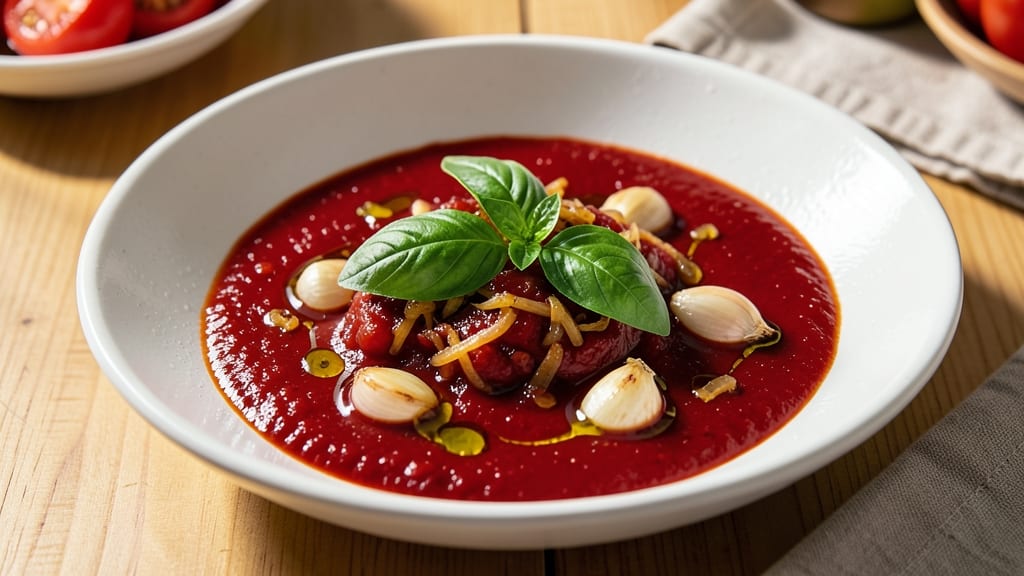
This marinara sauce recipe with red wine transforms ordinary pasta nights into restaurant-quality meals with just a few simple ingredients and a 30-minute simmer. 💛 I developed this version after years of testing—red wine isn't just for cooking meat, it adds deep umami richness that balances acidity and prevents clumping, even when reduced.
The secret lies in proper simmering techniques that concentrate flavors without burning.
The beauty of this sauce is its versatility—it works perfectly on spaghetti, as a pizza base, or even for dipping crusty bread. Unlike store-bought versions, this one develops layers of complexity from the red wine and fresh herbs.
I've tested it with different wines (Cabernet Sauvignon works best) and found that a 15-minute reduction at low heat is critical for achieving that velvety texture without alcohol taste.
What makes this recipe foolproof is the foolproof technique of blooming spices in olive oil before adding tomatoes, which prevents bitterness and ensures every spoonful is flavorful.
The sauce thickens naturally as it simmers, creating that perfect balance between silky and chunky—no clumps, no lumps, just restaurant-quality richness in your own kitchen.
Once made, this sauce keeps beautifully in the fridge for up to 5 days or freezes for 3 months, making it ideal for meal prep.
Whether you're feeding a family or just craving a comforting bowl of pasta, this red wine marinara delivers professional results with simple ingredients and just 30 minutes of active time.
Ingredients for marinara sauce recipe with red wine
Nine quality ingredients transform simple simmering into restaurant-quality red wine marinara.
| Ingredient | Amount | Notes |
|---|---|---|
| Extra-Virgin Olive Oil 🫒 | ½ cup | High-quality, fruity variety preferred |
| Red Wine 🍷 | 1 cup | Bold dry variety like Cabernet Sauvignon |
| Canned San Marzano Tomatoes 🍅 | 2 cans | 28 oz each, crushed by hand |
| Yellow Onion 🧅 | 1 whole | Medium size, finely diced |
| Garlic Cloves 🧄 | 4 cloves | Fresh, minced for even distribution |
| Fresh Basil Leaves 🌿 | ½ cup | Packed, roughly chopped |
| Dried Oregano 🍃 | 1 tsp | Mexican oregano for authentic flavor |
| Ground Black Pepper 🌶️ | ½ tsp | Freshly cracked for maximum aroma |
| Sea Salt 🧂 | 1 ½ tsp | Diamond Crystal preferred for balance |
| Tomato Paste 🍅 | 2 tbsp | High-quality, no sugar added |
The red wine is non-negotiable for that deep umami richness—Cabernet Sauvignon works best, but any bold dry red will do. San Marzano tomatoes are worth seeking out for their natural sweetness and low acidity, though high-quality crushed tomatoes work in a pinch. Fresh basil adds vibrant flavor, but if you're using dried, reduce to one-third the amount. For the olive oil, extra-virgin with fruity notes prevents bitterness during simmering. The onion and garlic should be finely diced to bloom properly in the oil.
No red wine? Beef broth with a splash of balsamic vinegar mimics the depth, though the umami won't be identical. Short on tomato paste? Extra crushed tomatoes work, but the paste prevents clumping during simmering. The oregano can be swapped for fresh thyme at double the amount. For a smoother texture, blend half the sauce before mixing back in. If you're making this ahead, reduce the wine by 25% to account for evaporation during storage.
This sauce thickens as it cools, so stir before serving if it seems too thick. Keeps in the fridge for 5 days in an airtight container, or freeze for 3 months. Portion into ice cube trays for perfect single-serve amounts. For reheating, warm gently on the stove with a splash of water to restore silky texture. The sauce tastes even better the next day as flavors meld.
Why You'll Love This Recipe
- Here’s what sold me: the slow caramelization of the onion and garlic in that wine-infused oil. You get this sweet, savory base that makes even the simplest pasta feel like a restaurant dish. (Yes, even on a Tuesday night.)
- Wine in Minutes: I swear by this trick—just pour in the red wine first, let it bloom in the olive oil, and boom, you’ve got depth without hours of simmering. That first sip of the reduced wine? It’s like a little flavor upgrade for your whole meal.
- Onion-Garlic Magic: Here’s what sold me: the slow caramelization of the onion and garlic in that wine-infused oil. You get this sweet, savory base that makes even the simplest pasta feel like a restaurant dish. (Yes, even on a Tuesday night.)
- Pantry Powerhouse: Between us, this sauce is my meal-prep secret weapon. Toss it with chicken for dinner, freeze half for next week’s pasta, and still have enough for a quick sandwich. The San Marzano tomatoes keep it bright, so it never tastes stale.
Step-by-step instructions for rich red wine marinara sauce
Here's how to craft a velvety, umami-packed marinara that balances acidity and depth perfectly.
🍳 Step 1: Sauté Onion and Garlic in Olive Oil
Heat the 0.5 cup extra-virgin olive oil in a heavy-bottomed saucepan over medium-low heat. Add the finely diced yellow onion and cook for 8-10 minutes until completely translucent and beginning to caramelize at the edges. This slow cooking develops sweetness that forms the sauce's foundation.
Push the onions to one side of the pan and add the minced garlic cloves. Cook for 30 seconds until fragrant but not browned—burnt garlic adds bitterness that ruins the delicate balance. Here's the thing: garlic burns faster than you think, so keep an eye on it. Once fragrant, stir to combine with the onions.
🍳 Step 2: Build the Base with Tomato Paste and Wine
Increase heat to medium-high and add the 2 tbsp tomato paste. Stir continuously for 1-2 minutes until it darkens slightly and coats the onions. This creates a rich, concentrated flavor base that prevents clumping later. The paste should smell deeply caramelized and aromatic.
Pour in the 1 cup red wine and scrape up any browned bits from the bottom of the pan with a wooden spoon. This deglazing captures all the flavor compounds that would otherwise burn. Let the wine simmer for 3-4 minutes until reduced by about half—you'll see the liquid thicken noticeably and the alcohol burn off, leaving behind pure wine flavor.
🥘 Step 3: Incorporate Tomatoes and Seasonings
Add the 2 cans crushed San Marzano tomatoes, breaking up any large chunks with your hands. Stir in the 1.5 tsp sea salt, 1 tsp dried oregano, and 0.5 tsp ground black pepper. Bring to a gentle simmer over medium heat and let cook uncovered for 20-25 minutes.
During this time, stir occasionally to prevent skin formation. You're looking for a sauce that thickens naturally from evaporation—not from reduction—while developing complex flavors. The acidity from the tomatoes should mellow slightly, and the wine's tannins will soften, creating that signature umami richness. If the sauce gets too thick before the time is up, add 2-3 tablespoons water to maintain proper consistency.
🥘 Step 4: Finish with Fresh Basil and Refine
Remove the pan from heat and stir in the 0.5 cup chopped fresh basil leaves. Let the sauce rest for 5 minutes—this allows the flavors to meld completely. Taste and adjust seasoning if needed. The sauce should be bright, balanced, and slightly tangy with underlying sweetness from the caramelized onions.
For a silky texture without clumps, I like to use an immersion blender to gently purée about half the sauce while leaving some texture. This creates a luxurious mouthfeel while maintaining visual appeal. If you prefer completely smooth sauce, blend everything until completely homogeneous. Serve immediately or store covered in the refrigerator for up to 5 days.
Pro Tips For Making Marinara Sauce Recipe With Red Wine
- Simmer Slow and Steady: I learned this the hard way—boiling the wine off too fast makes the sauce taste harsh and alcohol-heavy. Once the wine hits the pot, reduce heat to medium-low and let it bubble gently, uncovered, for at least 10 minutes. You’re not racing here; patience lets the flavors meld instead of evaporating.
- Finely Dice That Onion: Skip the rough chop—your sauce will taste it. A food processor or knife work gives you a silky texture that disappears into the sauce without bitterness. If you’re in a hurry, pulse the onion until it’s almost paste-like, then stir it into the oil until it’s translucent before adding anything else.
- Strain the Tomatoes First: San Marzano tomatoes are amazing, but their seeds and skins can make your sauce grainy. Pour the crushed tomatoes through a fine-mesh strainer into a bowl before adding them to the pot. It takes 30 seconds and cuts down on that watery, unappetizing texture later.
- Salt the Wine Like You Mean It: I used to treat the wine like a garnish, adding just a pinch. Wrong. Toss in ½ teaspoon of salt with the wine—it rounds out the acidity and balances the acidity of the tomatoes. If you’re using a salty wine, cut it to ¼ teaspoon, but don’t skip it entirely.
Make-ahead tips for leftovers
Prep Ahead for Pasta Nights
Make this marinara sauce 2 days in advance—it tastes even better after flavors meld. Store in an airtight glass container in the fridge, and simply reheat with 2 tablespoons water over medium-low heat for 5-7 minutes.
The sauce thickens as it cools, so stir before serving to restore silky texture. I always prep a batch on Sunday nights so weeknight pasta dinners feel effortless. 💛
Freeze for Convenience
Portion sauce into quart-sized freezer bags or ice cube trays for single-serve portions. Lay flat to freeze, then stack for easy storage. Thaw overnight in the fridge or reheat directly from frozen with 3 tablespoons water over low heat for 10 minutes.
The sauce keeps its quality for 3 months—perfect for stocking your freezer for busy seasons. I label mine with dates so I don’t forget!
Double the Batch
This sauce scales perfectly—just double all ingredients and use a 6-quart Dutch oven for even simmering. Divide into two airtight containers before storing to prevent freezer burn. The extra sauce makes great pizza sauce or dipping sauce for garlic bread.
I often make two batches when hosting dinner parties so I’m never scrambling for extra. 🍝
Herb Substitutions
Short on fresh basil? Swap for 1 tablespoon dried basil or 1 teaspoon dried thyme. For a Mediterranean twist, add 1 teaspoon fennel seeds while simmering. I’ve also used 1 tablespoon chopped rosemary for a heartier flavor.
Just remember: dried herbs need half the quantity of fresh, and add them at the end of cooking to preserve aroma. 🌿
Wine Reduction Hack
Reduce the wine by 25% before adding to the sauce if making ahead. The extra evaporation prevents a thin sauce after storage. For example, use 0.75 cups wine instead of 1 cup when prepping for later.
This trick ensures perfect consistency whether you’re serving it fresh or after days in the fridge. I learned this from my grandmother—she always said, “Measure twice, reduce once.”
Sauce Thickness Tips
If the sauce thickens too much while simmering, add 2-3 tablespoons water or tomato juice to restore balance. For a chunkier texture, mash 1-2 ripe tomatoes into the sauce before cooking. If it’s too thin after reheating, simmer uncovered for 5-10 minutes to reduce naturally.
I keep a small bowl of water nearby while cooking—it’s my secret weapon for adjusting consistency on the fly. ✨
Nutrition facts
Frequently asked questions
Why does red wine work so well in marinara sauce?
The red wine adds deep umami richness that balances the acidity of tomatoes while softening tannins for a smoother finish. A 15-minute reduction at low heat removes alcohol completely, leaving behind concentrated flavor that enhances sweetness and prevents clumping. The wine's acidity also helps tenderize any meat you might add later.
Can I use any red wine, or does it need to be expensive?
Any bold dry red wine works—Cabernet Sauvignon is ideal, but Merlot or Chianti also work well. Avoid sweet wines or those with high tannins (like young Cabernet). A $10-$15 bottle is plenty; expensive wines won't add noticeable improvement. The key is using a dry variety with good acidity.
How do I prevent my sauce from getting too thick or clumpy?
Stir frequently during simmering to prevent skin formation, and add 2-3 tablespoons water if it thickens too much. For clumps, blend half the sauce with an immersion blender or whisk vigorously. The tomato paste in this recipe also helps create a smoother texture by binding ingredients together.
Can I make this sauce without fresh basil?
Use 1 tablespoon dried basil or 1 teaspoon dried thyme instead. For extra depth, add 1 teaspoon fennel seeds while simmering. Remember that dried herbs need half the quantity of fresh, and add them at the end to preserve their aroma.
How long can I store this sauce, and how do I reheat it?
Store in an airtight container in the fridge for up to 5 days or freeze for 3 months. To reheat, warm over medium-low heat with 2 tablespoons water for 5-7 minutes. Stir before serving—the sauce thickens as it cools, so a quick stir restores its silky texture.