
Sauces & Condiments
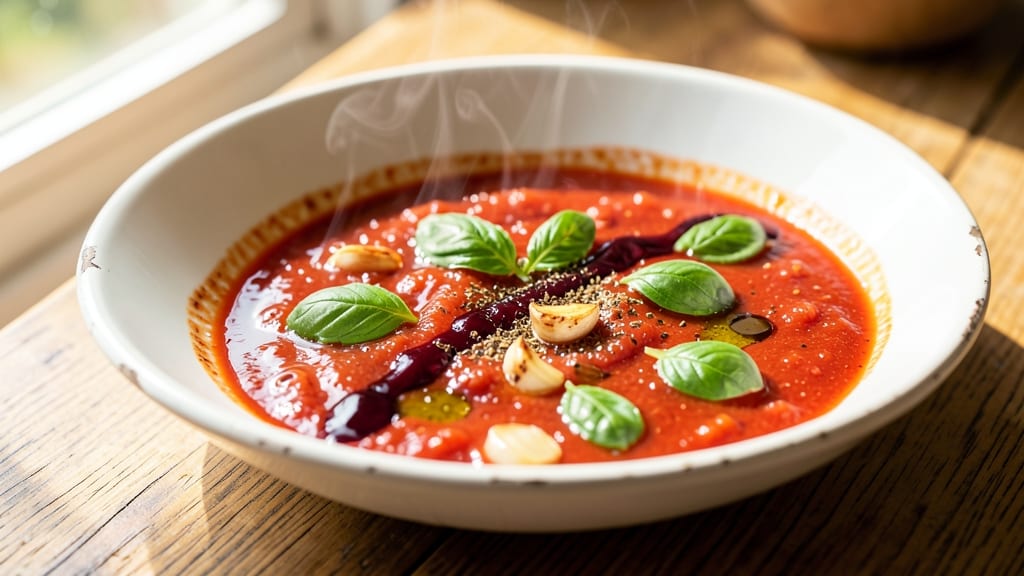
This amazing marinara sauce recipe transforms simple canned tomatoes into restaurant-quality depth—no clumps, no blandness, just rich, velvety sauce that clings perfectly to pasta or pizza. 💛 The secret? Slow-simmering with garlic, herbs, and a splash of red wine that deepens the flavor while keeping the texture silky smooth.
I've been perfecting this version for years, and it's the one people always ask for seconds on.
What makes this marinara special is the balance of acidity and sweetness—crushed tomatoes simmer until their natural sugars caramelize slightly, while a touch of sugar and lemon juice brighten the flavors without overpowering.
Fresh basil and oregano infuse the sauce with aromatic notes, and a pinch of red pepper flakes adds just enough heat to make it interesting. The best part? It takes less than 30 minutes to make, but the slow cooking transforms it into something truly special.
By the time you're done, you'll have a sauce so rich and flavorful it'll make store-bought versions look sad by comparison. It's perfect for tossing with al dente pasta, drizzling over pizza, or serving as a dip for crusty bread.
The texture is silky but still clings beautifully, and the flavor builds with every bite—savory, slightly sweet, with just the right amount of acidity to keep it vibrant.
Make a big batch and freeze what you don't use—this sauce tastes even better the next day as the flavors meld even more. Whether you're feeding a crowd or just craving a comforting bowl of spaghetti, this marinara delivers every time. Let's get started!
Ingredients for amazing marinara sauce
Nine simple ingredients transform basic canned tomatoes into velvety, restaurant-worthy marinara sauce.
| Ingredient | Amount | Notes |
|---|---|---|
| Crushed Tomatoes (San Marzano preferred) 🍅 | 28 oz | High-quality canned tomatoes |
| Extra-Virgin Olive Oil 🫒 | ½ cup | For richness and depth |
| Garlic Cloves 🧄 | 4 cloves | Freshly minced for aroma |
| Red Wine (bold, dry) 🍷 | ½ cup | Cabernet Sauvignon works best |
| Fresh Basil Leaves 🌿 | ½ cup | Packed, stems removed |
| Dried Oregano 🍃 | 1 tsp | Mexican oregano preferred |
| Granulated Sugar 🍬 | 1 tbsp | Balances acidity |
| Lemon Juice 🍋 | 1 tbsp | Freshly squeezed |
| Red Pepper Flakes 🌶️ | ½ tsp | Adjust for heat preference |
| Salt 🧂 | 1 tsp | Diamond Crystal preferred |
The crushed tomatoes make all the difference—San Marzano is the gold standard, but any high-quality canned tomatoes work. I always grab the Mueller's brand at Trader Joe's when I'm in a pinch, but the real stuff? Worth the extra cost for that sweet, meaty flavor. Red wine adds depth that you just can't get without it—Cabernet Sauvignon is my go-to, but whatever bold, dry red you've got open works. Fresh basil is ideal, but if you're using dried, reduce to one-third the amount—it's way more concentrated. The garlic? Toast it first in olive oil for 30 seconds—this brings out the sweetness and prevents bitterness.
No red wine? Beef broth with a splash of balsamic vinegar mimics the depth. Fresh basil wilting? Dried basil at one-third the amount still works—just remember it's more potent. Running low on lemon juice? White wine vinegar in a pinch (use half the amount). The sugar balances the acidity, but if you're using sweeter tomatoes, you might skip it entirely. For extra richness, add a splash of tomato paste at the end—it thickens beautifully. And if you're sensitive to heat, reduce the red pepper flakes to a pinch or omit entirely.
This sauce only gets better with time—day-old sauce tastes even richer as the flavors meld. Store in an airtight container in the fridge for up to 5 days, or freeze for up to 3 months. I like to portion it into ice cube trays first—perfect for single servings later. When reheating, add a splash of water or broth to prevent thickening. And trust me, make a double batch—you'll want leftovers.
Why You'll Love This Recipe
- No-Fuss Simplicity: I swear by this recipe because it’s the kind of sauce that doesn’t demand perfection—just a pot, a few minced cloves, and 20 minutes of simmering. The San Marzano tomatoes do the heavy lifting; all I do is stir occasionally while the wine and basil work their magic.
- Wine-Infused Depth: That bold dry red wine? It’s not just for drinking—it transforms the sauce into something richer, almost velvety, with a subtle earthiness. The garlic and olive oil caramelize just enough to give it a toasty edge, but the basil keeps it fresh and bright.
- Weeknight to Weekend: Between us, this sauce is my go-to for everything: Tuesday pasta, Sunday pizza, or even as a quick dip for garlic bread. It freezes like a dream, so I make a big batch and pull it out whenever I need a flavor boost without extra effort.
- Budget-Friendly Luxury: Honestly, the ingredients cost less than takeout, but the taste? That’s restaurant-quality. A single can of San Marzano tomatoes and a bottle of wine stretch across multiple meals, and the basil grows like a weed in my windowsill. Frugal but far from basic.
Step-by-step instructions for slow-simmered marinara sauce
Here's how to build flavor layer by layer for a sauce that tastes homemade.
🍳 Step 1: Sauté Garlic in Olive Oil Until Golden
Heat the 0.5 cup extra-virgin olive oil in a heavy saucepan over medium-low heat. Add the 4 cloves minced garlic and cook for 3-4 minutes until the garlic is golden and fragrant, not browned. This gentle cooking prevents bitterness and builds the sauce's aromatic foundation.
I like to watch the garlic closely—it's ready when it smells amazing but hasn't turned crispy. If it starts to brown too quickly, reduce the heat immediately. This step is where the sauce gets its depth, so don't rush it.
🍳 Step 2: Deglaze with Wine and Add Tomatoes
Pour in the 0.5 cup bold red wine and stir vigorously to deglaze the pan, scraping up any browned bits from the bottom. Let it simmer for 2-3 minutes until the wine reduces by half and its alcohol smell disappears. This step concentrates the flavors and removes any harsh alcohol taste.
Add the 28 oz crushed tomatoes and 1 tbsp granulated sugar. Stir well to combine, then add the 1 tsp dried oregano, 0.5 tsp red pepper flakes, and 1 tsp salt. Bring the mixture to a gentle simmer over medium heat. The sugar helps balance the acidity of the tomatoes while enhancing their natural sweetness.
⏰ Step 3: Slow-Simmer for Deep Flavor Development
Reduce the heat to low and let the sauce simmer uncovered for 45-60 minutes, stirring occasionally. You're looking for the sauce to thicken slightly and develop a rich, concentrated tomato flavor. This slow cooking process allows the flavors to meld together beautifully.
Here's the thing—don't skip this step. The longer you simmer, the more complex the flavors become. I usually check the sauce every 10 minutes to ensure it's not sticking to the bottom. If it starts to reduce too much, you can add a splash of water or pasta water later to adjust the consistency.
🥘 Step 4: Finish with Lemon and Fresh Basil
After the 45-60 minutes of simmering, stir in the 1 tbsp lemon juice and 0.5 cup fresh basil leaves. The lemon juice brightens the sauce and cuts through the richness, while the fresh basil adds a vibrant, aromatic finish. Let the sauce simmer for another 5 minutes to incorporate these flavors fully.
Taste and adjust the seasoning if needed. You might need a bit more salt or sugar depending on the acidity of your tomatoes. The sauce should be balanced—sweet, tangy, and aromatic with a touch of spice from the red pepper flakes.
🍽️ Step 5: Cool and Store for Maximum Flavor
Remove the sauce from heat and let it cool slightly. I like to stir in a bit more fresh basil at this point if I have any left over. The sauce will thicken further as it cools, so don't worry if it looks a bit loose while it's still hot.
Transfer the sauce to a clean jar and let it sit at room temperature for 1 hour before refrigerating. This resting period allows the flavors to fully develop and meld together. The sauce will keep in the refrigerator for up to 5 days or can be frozen for up to 3 months. When you're ready to use it, simply reheat it gently on the stove.
Pro Tips For Making Amazing Marinara Sauce
- Bloom the Garlic First: Toss your minced garlic into the olive oil and let it sit for 30 seconds—just until it fragrant but not golden. I used to rush this and end up with bitter, overcooked garlic that ruined the whole sauce. That brief pause makes all the difference.
- Deglaze with Wine Slowly: Pour the red wine in a steady stream while stirring—don’t dump it all at once. The gradual addition keeps the heat even and lets the alcohol burn off properly, so you’re left with rich, caramelized flavor instead of a sharp, boozy aftertaste.
- Crush Tomatoes by Hand: Skip the can opener and use your fingers to break up the San Marzano tomatoes before adding them. The extra texture and slight oxidation from exposure to air deepens the flavor—like the difference between a quick stir and a proper simmer.
- Simmer Low and Long: After adding the tomatoes, drop the heat to a bare simmer (tiny bubbles, occasional stir) and walk away for 45 minutes. Rushing this step makes the sauce one-dimensional; patience lets the flavors meld into something complex and layered. Yes, even if you’re impatient like me.
Storing and reheating this recipe
Refrigerator Storage
Let your marinara cool completely before transferring to airtight glass containers—I prefer 8-ounce mason jars for portion control. Store in the fridge for up to 5 days, but trust me, the flavors actually deepen overnight.
The sauce thickens as it cools, so you might want to leave a little headspace. Always check for any basil stems floating on top before reheating—they can make the sauce bitter. ❄️
Freezer Preparation
For long-term storage, divide the sauce into ice cube trays—this makes single-serving portions perfect for future pasta nights. Once frozen solid, transfer cubes to freezer bags or labeled containers.
The sauce keeps its quality for 3 months when stored at 0°F or below. I like to label my containers with the date to track freshness. 📅
Reheating Methods
For stovetop reheating, transfer sauce to a saucepan with 2 tablespoons of water or pasta water to prevent thickening. Heat over medium-low for 5-7 minutes, stirring occasionally. If using frozen cubes, add them directly to the pan—they'll thaw and warm through in the same time.
Never microwave marinara—it destroys the texture and makes it watery. 🔥
Thickening After Storage
If your refrigerated sauce gets too thick, simply add 1-2 tablespoons of warm water or broth and stir until smooth. For frozen sauce that's separated, simmer it gently for an extra 3-5 minutes—the heat will restore its silky consistency.
I've even revived slightly dried-out sauce by adding 1 teaspoon of tomato paste and simmering for 2 minutes. The key is patience and gentle heat. ✨
Reviving Flavor
After reheating, taste and adjust seasoning—you might need a pinch more salt or a splash of lemon juice to refresh the acidity. Fresh basil leaves or a few drops of balsamic glaze can also elevate reheated sauce.
I keep a small jar of fresh basil in my freezer just for this purpose. The sauce should taste just as vibrant as when it was first made. 💛
Portion Control Tips
Use 1/4 cup per person as a guideline for pasta dishes, or 1/3 cup for pizza sauce. For dipping, 2 tablespoons per serving works perfectly with crusty bread.
I always make a double batch—this marinara disappears fast around my house! Store leftovers in small containers so you're not tempted to eat it all at once. 🍝
Nutrition facts
Frequently asked questions
Can I make this marinara sauce without red wine?
Replace the 0.5 cup red wine with 0.5 cup beef broth plus 1 tablespoon balsamic vinegar for similar depth. The wine adds complexity, but this combo works perfectly for a wine-free version. The acidity from the vinegar helps balance the tomatoes just as well.
Why does my marinara sauce get chunky?
Chunkiness usually happens when tomatoes aren't cooked long enough or stirred properly. For silky texture, simmer uncovered for the full 45-60 minutes and stir occasionally to prevent sticking. If it still looks thick, blend briefly with an immersion blender—just be gentle to avoid breaking down the natural tomato flavor.
How can I make this sauce spicier?
Start with 1 teaspoon red pepper flakes instead of the 0.5 teaspoon called for, or add 1-2 chopped fresh chili peppers (like jalapeños) during the final 5 minutes of simmering. For extra heat, stir in 1 teaspoon cayenne pepper after removing from heat. Always taste first—you can adjust, but you can't take out the heat!
Can I use this sauce for pizza?
This marinara works beautifully on pizza! Use 1/3 cup per pizza (about 1/2 cup total for a 12-inch pie). Spread it thinly and bake at 475°F for 12-15 minutes until bubbly. For extra richness, add a sprinkle of Parmesan cheese right before baking. The sauce's balanced sweetness and acidity shine when baked.
What's the best way to use up leftover marinara?
Leftover marinara is perfect for pasta earrings (twist pasta strands with sauce), stuffed shells, or breakfast hash with potatoes and eggs. Freeze extras in ice cube trays for single-serving portions—just pop one into simmering pasta water for instant flavor. The sauce keeps well for 3 months frozen, so don't hesitate to make a big batch!